Visualizar em escala
 Enviar
 Compartilhar
 Ver detalhes
 Guia de Obras do Aluno

 Baixar imagem
 Semelhantes
 Raio X
 Apresentação de slides
 Estatísticas
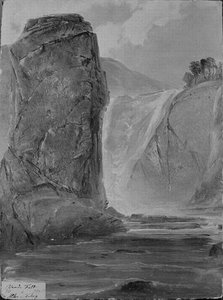
VUE DE MOSS


 Ver mais
Reprodução em Óleo Feita à Mão
Óleo sobre tela pintado à mão no tamanho e moldura de sua escolha, feito sob encomenda pelos nossos artistas. ( Alternar para Impressão Ver Imagem Digital)




P118B €10

P118H €10

P118W €10

P438Z €10

P508JH €12

P508YH €12

P805H €10

P805Z €10

P919BZ €10

P919G €10

P919XJ €10

P959ZH €10

P968JZ €12

W106C €8

W218G €10

W218JH €8

W218Y €10

W307PJ €10

W316G €10

W316PJ €8

W316Y €10

W398PJ €8

W4111J €10

W500HY €15

W500JH €15

W692G €12

W849H €8

W940BG €15

W953PJ €8




Escolha entre os nossos tamanhos pré-definidos que respeitam as proporções originais da obra de arte.

Digite a largura e a altura de que necessita, para se ajustar à sua moldura ou à sua parede. Esta obra é pintada à mão, por isso, para um tamanho com uma proporção diferente, o artista pode pintar um pouco mais ao redor da imagem ou cortar um pouco — você escolhe. Enviamos-lhe uma maquete digital para aprovação antes de a pintura começar. A imagem exibida nesta página não mostra o resultado real — apenas a maquete mostra.
Após o pedido, a equipa OriginalUniqueArt.com enviará um e-mail ao cliente para solicitar instruções e fornecer uma prévia do esboço.
Entrega mundial () em 3 a 4 semanas, em vez das 5 semanas padrão. (23 Outubro). Sem comprometer a qualidade.

Envio expresso gratuito para todo o mundo

Tela de Linho Premium

Seguro de transporte total

Garantia de Reembolso de Impostos Alfandegários

Garantia de Fidelidade de Cor

Política de Devolução em 100 Dias (Apenas para Defeitos)

Garantia de reembolso de 100%

Desconto para múltiplas unidades
 A opção de vidro está disponível apenas para tamanhos inferiores a 110 cm

VUE DE MOSS
Técnica de Reprodução
Dimensões da Reprodução
-


Preço Total
€ 264
Peder Balke’s “Vue de Moss”: A Norwegian Soulscape
Peder Balke’s “Vue de Moss,” painted in 1872, isn't merely a depiction of a coastal town; it’s a profound immersion into the heart of Norway – its rugged beauty, its melancholic spirit, and the enduring connection between humanity and the natural world. Born on the remote island of Helgøya in 1804, Balke’s life was inextricably linked to the dramatic landscapes of his homeland, shaping an artistic vision that would become both intensely personal and profoundly influential within the Romantic movement. This particular painting, now housed at the Louvre, offers a captivating glimpse into a world where light, atmosphere, and emotion reign supreme, revealing a masterclass in capturing the essence of Norwegian identity.
The scene unfolds along the harbor of Moss, a bustling port city nestled against the backdrop of the Oslofjord. A prominent sailboat dominates the left foreground, its white sails billowing against a sky pregnant with clouds – a visual anchor that draws the eye into the expansive vista. In the distance, the coastline recedes into a hazy blue, punctuated by the subtle outlines of buildings and the suggestion of rolling hills. Balke eschews meticulous detail in favor of capturing the *feeling* of the scene; the dampness of the air, the vastness of the sea, and the quiet contemplation evoked by the landscape. The composition is deliberately horizontal, emphasizing the scale of nature and inviting the viewer to lose themselves within its embrace.
A Symphony of Color and Light
Balke’s palette is remarkably restrained, dominated by muted blues, grays, browns, and subtle hints of ochre and white. These colors aren't applied with precision but rather blended in loose, gestural strokes – a hallmark of his distinctive technique. The sky, rendered in layers of gray and blue, seems to shift and change with the light, creating an atmospheric depth that is both captivating and slightly unsettling. Notice how he uses darker tones to define the water’s surface, suggesting movement and turbulence beneath the calm exterior. The subtle variations in color create a sense of realism while simultaneously imbuing the scene with a dreamlike quality.
Light plays an absolutely crucial role in “Vue de Moss.” It's not harsh or dramatic but rather diffused and atmospheric – a characteristic that Balke perfected through years of observing the fleeting effects of sunlight on the Norwegian coastline. The light seems to emanate from within the landscape itself, bathing everything in a soft, ethereal glow. This masterful use of light contributes significantly to the painting’s overall mood of tranquility and introspection. The artist skillfully employs atmospheric perspective – objects in the distance appear paler and less distinct, reinforcing the sense of depth and vastness.
Romanticism Rooted in Norwegian Identity
“Vue de Moss” is firmly rooted within the Romantic movement, a period characterized by an emphasis on emotion, imagination, and the sublime power of nature. However, Balke’s work transcends mere imitation; he infuses it with a uniquely Norwegian sensibility. His paintings weren't simply landscapes; they were expressions of national identity, celebrating the rugged beauty and untamed spirit of his homeland. The painting reflects the Romantic fascination with the wild, the solitary, and the spiritual connection between humanity and nature – themes that resonated deeply within Norway’s cultural landscape.
Beyond its aesthetic qualities, “Vue de Moss” carries a subtle undercurrent of melancholy. The overcast sky, the muted colors, and the sense of isolation evoke a feeling of quiet contemplation—a recognition of the beauty and fragility of the natural world. The sailboat, adrift on the horizon, could be interpreted as a symbol of human ambition or perhaps simply a reminder of our smallness in the face of nature’s grandeur. Balke's work invites viewers to pause, reflect, and connect with their own sense of place within the larger context of the natural world.
A Legacy of Vision
Peder Balke remains one of Norway’s most celebrated Romantic painters, his works continuing to captivate audiences today. “Vue de Moss” stands as a testament to his extraordinary talent and his profound understanding of the Norwegian landscape. Whether viewed in person or reproduced, this painting offers a powerful reminder of the enduring beauty and emotional resonance of nature – a timeless masterpiece that speaks to the soul.
Perguntas e Respostas
Qual é o nível de reconhecimento de "VUE DE MOSS" de Peder Balke?
"VUE DE MOSS" é classificada como Recognized.
Sobre o que trata "VUE DE MOSS"?
Os temas presentes em "VUE DE MOSS" de Peder Balke incluem landscape, coastline, sailboat, norway, sky, atmosphere, romanticism. Juntos, eles resumem o assunto da obra.
Como "VUE DE MOSS" equilibra luz e sombra?
"VUE DE MOSS" possui bright de brilho geral, e sua luminância é Gentle Luminance.
Biografia do Artista
A Visão Romântica Nórdica: A Vida e a Arte de Peder Balke
Peder Andersen Balke, nascido em 1804 na humilde ilha de Helgøya, na Noruega, emergiu como uma voz profundamente original dentro da tradição da paisagem do século XIX. Sua vida é uma história de busca artística determinada contra um pano de fundo de dificuldades rurais e restrições sociais. Crescer em meio à beleza agreste da paisagem norueguesa despertou nele uma conexão profunda com a natureza, que se tornaria a característica definidora de sua obra. Embora nascido em uma família de agricultores, seu talento inato foi reconhecido pela comunidade, que juntou recursos para apoiar sua educação artística – um testemunho do valor colocado na criatividade mesmo dentro de meios modestos. Esse incentivo precoce o impulsionou em direção a um treinamento formal, primeiro com Heinrich August Grosch e Jacob Munch, depois aventurando-se mais longe para estudar na Academia Real de Artes da Suécia em Estocolmo sob Carl Johan Fahlcrantz, e posteriormente refinando suas habilidades ao lado de Johan Christian Dahl.
A Formação de um Estilo Único
O desenvolvimento artístico de Balke foi marcado por uma exploração inquieta de técnica e expressão. Ele não se contentava em simplesmente replicar o mundo visual; em vez disso, buscava capturar sua essência emocional, seu poder sublime. Suas pinturas são imediatamente reconhecíveis por seu iluminação dramática, frequentemente retratando cenas banhadas por um brilho etéreo ou envoltas em uma atmosfera sombria. Essa fascinação pela luz – particularmente os efeitos fugazes da lua e do crepúsculo – tornou-se uma marca registrada de seu estilo. Ele desenvolveu uma pincelada distinta caracterizada por pinceladas texturizadas e um uso incomum da cor, criando uma qualidade onírica que o diferencia de paisagens românticas mais convencionais. Era como se ele não estivesse apenas pintando *o que via*, mas sim *o que sentia* na presença da natureza.
Paisagens da Noruega: Uma Identidade Nacional em Tela
Balke é melhor conhecido por suas representações evocativas da paisagem norueguesa, um assunto ao qual retornou repetidamente ao longo de sua carreira. Obras como Vue de Christiania (hoje Oslo), pintada em 1872, oferecem um vislumbre convincente da vida urbana da capital norueguesa, mas mesmo aqui, o mundo natural se projeta sobre a paisagem, enquadrando a cidade e lembrando aos espectadores sua conexão com a natureza circundante. O Porto de Skjervøy (1846) exibe sua atenção meticulosa ao detalhe ao lado de sua capacidade de capturar a energia agitada de um porto costeiro. Árvores Antigas (1840), com sua cena de inverno austera e iluminação poderosa, exemplifica seu domínio do humor e da atmosfera. Maré (1845) e O Cabo Norte à Luz da Lua (1848) demonstram ainda mais sua capacidade de transmitir a beleza agreste e o espírito selvagem da costa e das regiões norte da Noruega. Essas não eram apenas vistas pitorescas; eram declarações sobre identidade nacional, uma celebração do patrimônio natural único da Noruega.
Além da Tela: Uma Consciência Social
Peder Balke era mais do que um artista; ele era um reformador social dedicado que se envolveu ativamente com os problemas urgentes de seu tempo. Acreditava que usaria seus recursos e influência para melhorar a vida dos outros, notavelmente por meio do projeto Balkeby – um novo subúrbio de Oslo projetado para fornecer condições de vida decentes para os trabalhadores. Ele forneceu empréstimos e aplicou rigorosas regulamentações de construção, demonstrando um compromisso prático com a justiça social. Além disso, Balke defendeu incansavelmente o apoio financeiro aos artistas, argumentando por bolsas e pensões para homens e mulheres, reconhecendo o papel vital da criatividade na sociedade. Essa dedicação às causas sociais revela um indivíduo compassivo e progressista que via a arte como intrinsecamente ligada ao bem-estar humano.
Redescoberta e Legado
Apesar de suas contribuições significativas, o trabalho de Balke permaneceu em grande parte negligenciado após sua morte em 1887. Somente no final do século XX e início do século XXI uma nova apreciação por sua visão única começou a emergir. Grandes exposições em instituições prestigiadas como a Galeria Nacional em Londres (2014-2015) e o Metropolitan Museum of Art (2017) trouxeram suas pinturas para um público mais amplo, provocando aclamação crítica e interesse acadêmico. Hoje, Peder Balke é reconhecido como uma figura fundamental na história da arte norueguesa, um artista cujas paisagens dramáticas e profundidade emocional continuam a ressoar com os espectadores. Sua influência pode ser vista no trabalho de artistas posteriores da Escandinávia, consolidando seu lugar como um verdadeiro visionário que capturou a alma da Noruega em tela.
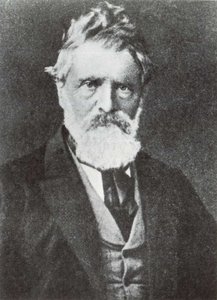
Peder Balke
1804 - 1887 , Noruega
Informações Rápidas
- Artistic Movement Or Style: Romantismo Paisagem
- Artists Or Movements Influenced By This Artist:
- Arte Nórdica
- Romantismo
- Artists Who Influenced This Artist:
- Heinrich Grosch
- Jacob Munch
- Fahlcrantz
- Date Of Birth: 1804
- Date Of Death: 1887
- Full Name: Peder Andersen Balke
- Nationality: Norueguês
- Notable Artworks:
- Vue Christiania
- Porto Skjervøy
- Árvores Velhas
- Place Of Birth: Hegøy, Noruega
Artigos Relacionados

Os 10 Mestres da Paisagem Romântica: Arte para Inspirar a Sua Casa
Descubra os 10 quadros mais emblemáticos da Paisagem Romântica! Explore a história de Turner, Friedrich e outros mestres. Encontre reproduções de arte exclusivas para inspirar sua decoração em OriginalUniqueArt.com.
Capturing Stillness: A Curated Exploration of the Most Iconic Lake Landscapes in Art History
Journey through art history's most serene lake landscapes. From Romantic vistas to light-drenched Impressionist waters, discover the stories behind these iconic masterpieces and find museum-quality, hand-painted oil reproductions for your private collection.

Johan Christian Dahl: Pioneering Norwegian Romantic Landscape Painting
Explore the life & art of Johan Christian Dahl, Norway's first great Romantic painter. Discover his iconic landscapes, cultural impact, and lasting legacy with OriginalUniqueArt.

John Constable: As 25 Obras-Primas que Definem o Mestre da Paisagem Inglesa | OriginalUniqueArt
Descubra as 25 obras-primas de John Constable, o mestre da paisagem inglesa! Explore a arte romântica, cores vibrantes e histórias fascinantes por trás de 'Hay Wain' e outras pinturas icônicas. Encontre reproduções de alta qualidade para decorar sua casa com OriginalUniqueArt.com.

Evocations of Place: A Historical Journey Through Landscape Art
Explore the rich history of landscape art with OriginalUniqueArt. Discover renowned artists, movements like Impressionism & Romanticism, and expert guidance for collecting timeless pieces. Find your perfect serene escape today!