Visualizar em escala
 Enviar
 Compartilhar
 Ver detalhes

 Baixar imagem
 Semelhantes
 Raio X
 Apresentação de slides
 Estatísticas
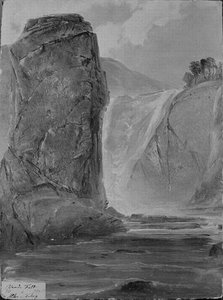
SARPS FOSSEN (CHUTE D'EAU)


 Ver mais
Giclée / Impressão de Arte
Impressão giclée ou em tela de qualidade de museu, com produção rápida e opções flexíveis de acabamento. ( Encomendar reprodução pintada à mão Ver Imagem Digital)




P118B $10

P118H $10

P118W $10

P438Z $10

P508JH $12

P508YH $12

P805H $10

P805Z $10

P919BZ $10

P919G $10

P919XJ $10

P959ZH $10

P968JZ $12

W106C $8

W218G $10

W218JH $8

W218Y $10

W307PJ $10

W316G $10

W316PJ $8

W316Y $10

W398PJ $8

W4111J $10

W500HY $15

W500JH $15

W692G $12

W849H $8

W940BG $15

W953PJ $8




Escolha entre os nossos tamanhos pré-definidos que respeitam as proporções originais da obra de arte.

Você pode inserir suas próprias dimensões para se ajustar a uma moldura ou espaço específico. Se o tamanho selecionado não corresponder às proporções da imagem original, iremos recortar a obra de arte ou estender a imagem com uma borda espelhada ou preenchimento sólido. Um mockup digital será enviado para sua aprovação antes do início da produção.
Por favor, observe que a visualização na tela não reflete o recorte ou a extensão real. Apenas o mockup mostrará com precisão a composição final.
Embora tamanhos personalizados estejam disponíveis, recomendamos selecionar uma dimensão da lista predefinida para preservar as proporções originais.
Entrega mundial () em 2 semanas, em vez das 4/5 semanas padrão. (16 Setembro)

Envio expresso gratuito para todo o mundo

Tela de Linho Premium

Seguro de transporte total

Garantia de Reembolso de Impostos Alfandegários

Garantia de Fidelidade de Cor

Política de Devolução em 100 Dias (Apenas para Defeitos)

Garantia de reembolso de 100%

Desconto para múltiplas unidades
 A opção de vidro está disponível apenas para tamanhos inferiores a 110 cm

SARPS FOSSEN (CHUTE D'EAU)
Giclée / Impressão de Arte
Dimensões da Reprodução
-


Preço Total
$ 80
A Symphony of Light and Landscape: Unveiling Peder Balkes "Sarps Fossen"
Peder Balke’s “Sarps Fossen (Chute d’Eau)” isn't merely a depiction of a waterfall; it’s an immersive experience, a carefully constructed meditation on the sublime power and quiet beauty of the Norwegian wilderness. Painted around 1860, this oil-on-canvas masterpiece transports the viewer to the heart of Telemark, capturing not just the physical form of Sarps Fossen but also the very spirit of Romanticism – a movement that sought to elevate nature as a source of spiritual and emotional resonance. The painting’s enduring appeal lies in its ability to evoke a profound sense of awe and tranquility simultaneously, inviting contemplation on humanity's place within the vastness of the natural world.
Balke, born into a farming family in rural Norway, possessed an innate sensitivity to the landscape that would define his artistic career. His early life amidst the rugged beauty of Hedmark instilled a deep connection to nature, a connection he translated onto canvas with remarkable skill and emotional depth. He wasn’t interested in precise realism; instead, he prioritized conveying the *feeling* of being present within this dramatic scene – the cool mist rising from the churning water, the echoing roar of the cascade, the diffused light filtering through the clouds.
Composition and Color: A Masterclass in Atmospheric Perspective
The composition of “Sarps Fossen” is meticulously balanced, employing a classic horizontal format that emphasizes the breadth of the landscape. The eye is immediately drawn to the mid-ground – the powerful waterfall itself – its white foam contrasting dramatically against the dark, textured cliffs that frame it. Foreground elements, including the shadowy shoreline and the small boat navigating the river, provide a sense of scale and human presence within this immense natural setting. Crucially, Balke utilizes atmospheric perspective with exquisite precision; distant elements are rendered in paler, less distinct tones, creating an illusion of depth and drawing the viewer’s gaze into the receding horizon.
The color palette is dominated by muted earth tones – browns, ochres, and yellows – reflecting the weathered stone and moss-covered terrain. Subtle blues and grays are woven throughout the sky and water, adding a touch of coolness and contrast to the warmer hues below. This restrained use of color contributes significantly to the painting’s overall sense of tranquility and age, suggesting that this landscape has witnessed centuries of change yet retains an enduring beauty.
Technique and Emotional Resonance: The Language of Romanticism
Balke's technique is characterized by loose, expressive brushstrokes – a hallmark of the Romantic style. He avoids overly detailed rendering, opting instead to capture the *essence* of the scene through broad washes of color and gestural marks. The texture of the rocks is suggested with visible impasto, while the water surface is rendered with smoother strokes that convey movement and fluidity. This deliberate lack of precision allows the viewer’s imagination to fill in the details, fostering a deeper connection with the artwork.
More than just a landscape painting, “Sarps Fossen” embodies the Romantic ideal of nature as a source of spiritual inspiration. The sheer scale of the waterfall evokes a sense of awe and humility, reminding us of our smallness in the face of nature’s power. The inclusion of the lone boat suggests humanity's tentative relationship with this untamed wilderness – an invitation to both admire and respect its grandeur. It is a painting that speaks to the heart, evoking feelings of peace, wonder, and perhaps even a touch of melancholy.
Historical Context and Legacy
Painted during a period of significant artistic and social change in Norway, “Sarps Fossen” reflects Balke’s own evolving artistic vision. He was deeply influenced by the Romantic movement, which emphasized emotion, imagination, and the beauty of nature. His work also aligns with the broader Norwegian tradition of landscape painting, which sought to capture the unique character of the country's diverse terrain. Today, “Sarps Fossen” is recognized as a seminal work in Norwegian art history, celebrated for its technical mastery, emotional depth, and enduring appeal.
Biografia do Artista
A Visão Romântica Nórdica: A Vida e a Arte de Peder Balke
Peder Andersen Balke, nascido em 1804 na humilde ilha de Helgøya, na Noruega, emergiu como uma voz profundamente original dentro da tradição da paisagem do século XIX. Sua vida é uma história de busca artística determinada contra um pano de fundo de dificuldades rurais e restrições sociais. Crescer em meio à beleza agreste da paisagem norueguesa despertou nele uma conexão profunda com a natureza, que se tornaria a característica definidora de sua obra. Embora nascido em uma família de agricultores, seu talento inato foi reconhecido pela comunidade, que juntou recursos para apoiar sua educação artística – um testemunho do valor colocado na criatividade mesmo dentro de meios modestos. Esse incentivo precoce o impulsionou em direção a um treinamento formal, primeiro com Heinrich August Grosch e Jacob Munch, depois aventurando-se mais longe para estudar na Academia Real de Artes da Suécia em Estocolmo sob Carl Johan Fahlcrantz, e posteriormente refinando suas habilidades ao lado de Johan Christian Dahl.
A Formação de um Estilo Único
O desenvolvimento artístico de Balke foi marcado por uma exploração inquieta de técnica e expressão. Ele não se contentava em simplesmente replicar o mundo visual; em vez disso, buscava capturar sua essência emocional, seu poder sublime. Suas pinturas são imediatamente reconhecíveis por seu iluminação dramática, frequentemente retratando cenas banhadas por um brilho etéreo ou envoltas em uma atmosfera sombria. Essa fascinação pela luz – particularmente os efeitos fugazes da lua e do crepúsculo – tornou-se uma marca registrada de seu estilo. Ele desenvolveu uma pincelada distinta caracterizada por pinceladas texturizadas e um uso incomum da cor, criando uma qualidade onírica que o diferencia de paisagens românticas mais convencionais. Era como se ele não estivesse apenas pintando *o que via*, mas sim *o que sentia* na presença da natureza.
Paisagens da Noruega: Uma Identidade Nacional em Tela
Balke é melhor conhecido por suas representações evocativas da paisagem norueguesa, um assunto ao qual retornou repetidamente ao longo de sua carreira. Obras como Vue de Christiania (hoje Oslo), pintada em 1872, oferecem um vislumbre convincente da vida urbana da capital norueguesa, mas mesmo aqui, o mundo natural se projeta sobre a paisagem, enquadrando a cidade e lembrando aos espectadores sua conexão com a natureza circundante. O Porto de Skjervøy (1846) exibe sua atenção meticulosa ao detalhe ao lado de sua capacidade de capturar a energia agitada de um porto costeiro. Árvores Antigas (1840), com sua cena de inverno austera e iluminação poderosa, exemplifica seu domínio do humor e da atmosfera. Maré (1845) e O Cabo Norte à Luz da Lua (1848) demonstram ainda mais sua capacidade de transmitir a beleza agreste e o espírito selvagem da costa e das regiões norte da Noruega. Essas não eram apenas vistas pitorescas; eram declarações sobre identidade nacional, uma celebração do patrimônio natural único da Noruega.
Além da Tela: Uma Consciência Social
Peder Balke era mais do que um artista; ele era um reformador social dedicado que se envolveu ativamente com os problemas urgentes de seu tempo. Acreditava que usaria seus recursos e influência para melhorar a vida dos outros, notavelmente por meio do projeto Balkeby – um novo subúrbio de Oslo projetado para fornecer condições de vida decentes para os trabalhadores. Ele forneceu empréstimos e aplicou rigorosas regulamentações de construção, demonstrando um compromisso prático com a justiça social. Além disso, Balke defendeu incansavelmente o apoio financeiro aos artistas, argumentando por bolsas e pensões para homens e mulheres, reconhecendo o papel vital da criatividade na sociedade. Essa dedicação às causas sociais revela um indivíduo compassivo e progressista que via a arte como intrinsecamente ligada ao bem-estar humano.
Redescoberta e Legado
Apesar de suas contribuições significativas, o trabalho de Balke permaneceu em grande parte negligenciado após sua morte em 1887. Somente no final do século XX e início do século XXI uma nova apreciação por sua visão única começou a emergir. Grandes exposições em instituições prestigiadas como a Galeria Nacional em Londres (2014-2015) e o Metropolitan Museum of Art (2017) trouxeram suas pinturas para um público mais amplo, provocando aclamação crítica e interesse acadêmico. Hoje, Peder Balke é reconhecido como uma figura fundamental na história da arte norueguesa, um artista cujas paisagens dramáticas e profundidade emocional continuam a ressoar com os espectadores. Sua influência pode ser vista no trabalho de artistas posteriores da Escandinávia, consolidando seu lugar como um verdadeiro visionário que capturou a alma da Noruega em tela.
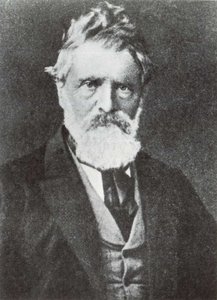
Peder Balke
1804 - 1887 , Noruega
Informações Rápidas
- Artistic Movement Or Style: Romantismo Paisagem
- Artists Or Movements Influenced By This Artist:
- Arte Nórdica
- Romantismo
- Artists Who Influenced This Artist:
- Heinrich Grosch
- Jacob Munch
- Fahlcrantz
- Date Of Birth: 1804
- Date Of Death: 1887
- Full Name: Peder Andersen Balke
- Nationality: Norueguês
- Notable Artworks:
- Vue Christiania
- Porto Skjervøy
- Árvores Velhas
- Place Of Birth: Hegøy, Noruega
Artigos Relacionados

Johan Christian Dahl: Pioneering Norwegian Romantic Landscape Painting
Explore the life & art of Johan Christian Dahl, Norway's first great Romantic painter. Discover his iconic landscapes, cultural impact, and lasting legacy with OriginalUniqueArt.

Evocations of Place: A Historical Journey Through Landscape Art
Explore the rich history of landscape art with OriginalUniqueArt. Discover renowned artists, movements like Impressionism & Romanticism, and expert guidance for collecting timeless pieces. Find your perfect serene escape today!
Capturing Stillness: A Curated Exploration of the Most Iconic Lake Landscapes in Art History
Journey through art history's most serene lake landscapes. From Romantic vistas to light-drenched Impressionist waters, discover the stories behind these iconic masterpieces and find museum-quality, hand-painted oil reproductions for your private collection.

Os 10 Mestres da Paisagem Romântica: Arte para Inspirar a Sua Casa
Descubra os 10 quadros mais emblemáticos da Paisagem Romântica! Explore a história de Turner, Friedrich e outros mestres. Encontre reproduções de arte exclusivas para inspirar sua decoração em OriginalUniqueArt.com.

John Constable: As 25 Obras-Primas que Definem o Mestre da Paisagem Inglesa | OriginalUniqueArt
Descubra as 25 obras-primas de John Constable, o mestre da paisagem inglesa! Explore a arte romântica, cores vibrantes e histórias fascinantes por trás de 'Hay Wain' e outras pinturas icônicas. Encontre reproduções de alta qualidade para decorar sua casa com OriginalUniqueArt.com.