
 Visualizar em escala
 Enviar
 Compartilhar
 Ver detalhes
 Guia de Obras do Aluno

 Baixar imagem
 Semelhantes
 Raio X
 Apresentação de slides
 Estatísticas
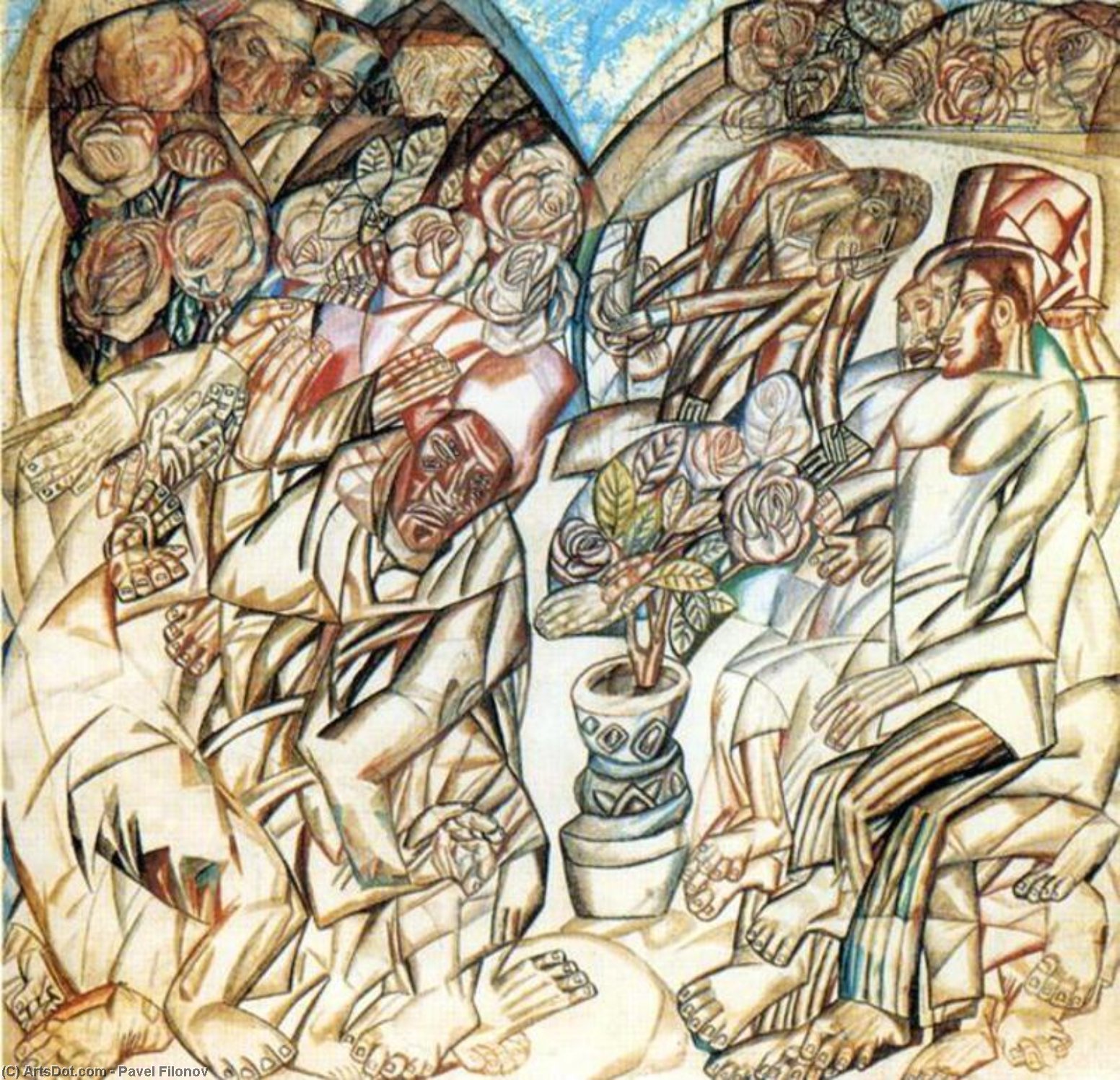
The Gardener
 Ink
Ink- WallArt
- Analytical Realism
 1913
1913 49.0 x 50.0 cm
 Ver mais
Giclée / Impressão de Arte
Impressão giclée ou em tela de qualidade de museu, com produção rápida e opções flexíveis de acabamento. ( Encomendar reprodução pintada à mão Ver Imagem Digital)




P118B $10

P118H $10

P118W $10

P438Z $10

P508JH $12

P508YH $12

P805H $10

P805Z $10

P919BZ $10

P919G $10

P919XJ $10

P959ZH $10

P968JZ $12

W106C $8

W218G $10

W218JH $8

W218Y $10

W307PJ $10

W316G $10

W316PJ $8

W316Y $10

W398PJ $8

W4111J $10

W500HY $15

W500JH $15

W692G $12

W849H $8

W940BG $15

W953PJ $8




Escolha entre os nossos tamanhos pré-definidos que respeitam as proporções originais da obra de arte.

Você pode inserir suas próprias dimensões para se ajustar a uma moldura ou espaço específico. Se o tamanho selecionado não corresponder às proporções da imagem original, iremos recortar a obra de arte ou estender a imagem com uma borda espelhada ou preenchimento sólido. Um mockup digital será enviado para sua aprovação antes do início da produção.
Por favor, observe que a visualização na tela não reflete o recorte ou a extensão real. Apenas o mockup mostrará com precisão a composição final.
Embora tamanhos personalizados estejam disponíveis, recomendamos selecionar uma dimensão da lista predefinida para preservar as proporções originais.
Entrega mundial () em 2 semanas, em vez das 4/5 semanas padrão. (25 Setembro)

Envio expresso gratuito para todo o mundo

Tela de Linho Premium

Seguro de transporte total

Garantia de Reembolso de Impostos Alfandegários

Garantia de Fidelidade de Cor

Política de Devolução em 100 Dias (Apenas para Defeitos)

Garantia de reembolso de 100%

Desconto para múltiplas unidades
 A opção de vidro está disponível apenas para tamanhos inferiores a 110 cm

The Gardener
Giclée / Impressão de Arte
Dimensões da Reprodução
-


Preço Total
$ 80
Artistic Style and Influences
Filonov's style is characterized by the use of geometric shapes, bold lines, and vibrant colors. In The Gardener, we see a group of figures engaged in various activities related to gardening, each with their own distinct pose and attire. The artist's use of monochromatic colors, primarily shades of brown and beige, adds a sense of unity and cohesion to the composition. As seen in other works by Filonov, such as Bourgeois in a Carriage, available on OriginalUniqueArt.com, his artistic style is marked by a sense of dynamism and energy.Composition and Symbolism
The composition of The Gardener is dense and complex, with each figure contributing to the narrative of gardening activity. The use of line and form in this artwork suggests movement and interaction among the figures, creating a dynamic and engaging visual experience for the viewer. As noted by art historians, Filonov's work often incorporates symbolism and metaphor, adding depth and meaning to his paintings. For example, the Staatsgalerie Moderner Kunst in Munich, Germany, has an extensive collection of modern and contemporary art, including works by artists who influenced Filonov's style.- Geometric shapes are used to break down objects into their constituent parts
- Bold lines add a sense of energy and movement to the composition
- Vibrant colors are used to create a sense of unity and cohesion
The painting The Gardener is a testament to Filonov's innovative approach to art, which continues to inspire artists and art lovers today. As a masterpiece of Analytical Realism, it offers a unique glimpse into the artist's vision and creative process.
Biografia do Artista
Pavel Filonov: A Life Dedicated to Analytical Realism
Pavel Nikolayevich Filonov, born in Moscow in 1883, remains a profoundly compelling and often enigmatic figure within the landscape of Russian avant-garde art. His life wasn’t merely a chronicle of artistic creation but a philosophical quest—a relentless pursuit to dissect and reveal the very essence of reality through his unique method of Analytical Realism. Unlike many contemporaries who sought innovation through abstraction or geometric simplification, Filonov delved deeper, believing every object possessed an “inner life,” a hidden soul waiting to be unveiled through meticulous analysis. This wasn’t simply about *what* things looked like, but *how* they existed at their most fundamental level—a concept that would define his entire artistic trajectory. His early years were marked by hardship and loss, orphaned young and finding himself drawn to the burgeoning art scene of St. Petersburg, a city that would become both his muse and his crucible. He initially pursued formal training but quickly found the established norms of Russian realism stifling, yearning for an approach that went beyond mere surface appearances.The Genesis of Analytical Realism
Filonov’s artistic journey was deeply intertwined with intellectual currents of the time. The rigorous logic of Bertrand Russell, the epistemological inquiries of G.E. Moore, and the linguistic philosophy of Ludwig Wittgenstein all resonated profoundly with his developing principles. He experimented extensively, absorbing influences but ultimately forging his own path, culminating in the formulation of Analytical Realism. This wasn’t a sudden revelation but a gradual distillation of ideas, a painstaking process of refining his vision until it crystallized into a coherent artistic philosophy. He reacted against what he perceived as the superficiality of Cubism, acknowledging its attempt to break down forms but believing it stopped short of truly capturing an object's inherent energy and dynamism. He posited that every entity—animate or inanimate—was composed of fundamental elements: lines, surfaces, colors, and forms. By analyzing these components, one could reveal the “inner life” or "soul" of the subject. This involved a process of deconstruction and reconstruction, breaking down objects into their constituent parts and reassembling them in a way that conveyed their underlying structure and essence. It wasn’t about depicting reality as it appeared but as it fundamentally *was*. His canvases became vibrant ecosystems of fragmented shapes, bold lines, and intense colors—a visual representation of this analytical process. He would build up his canvases with multiple layers of paint, meticulously crafting intricate patterns that seemed to vibrate with life. This meticulous process wasn’t merely technical; it was integral to revealing the hidden energies he believed resided within all things.Early Life and Artistic Formation
Filonov's formative years were characterized by considerable adversity. Orphaned at a young age, he experienced profound loss—a circumstance that undoubtedly shaped his worldview and fueled his artistic ambition. Despite these challenges, he demonstrated remarkable resilience and determination, relocating to St Petersburg in 1897 where he began pursuing formal art education. Recognizing the limitations of traditional academic training, Filonov sought alternative paths to artistic development, immersing himself in the vibrant intellectual atmosphere of the city. He enrolled at St. Petersburg Academy of Arts but was expelled in 1910 due to disagreements with faculty regarding his unorthodox approach to painting—a decision that ironically propelled him toward greater independence and innovation. During this period he honed his skills through self-study, absorbing influences from diverse artistic traditions—from Russian folk art to Medieval iconography—and developing a distinctive visual language that would become the hallmark of his oeuvre.The Birth of Analytical Realism and Artistic Influences
Filonov’s artistic breakthrough arrived in 1912 with the publication of *The Canon and the Law*, an article in which he articulated the principles of Analytical Realism—also known as “anti-Cubism.” According to Filonov, while Cubism represented objects using elements of surface geometry, analytical realism sought to represent objects through the elements of their inner essence or soul. He reacted against what he perceived as the superficiality of Cubism, acknowledging its attempt to break down forms but believing it stopped short of truly capturing an object's inherent energy and dynamism. He drew inspiration from thinkers such as Bertrand Russell, G.E. Moore, and Ludwig Wittgenstein—philosophers who championed logical analysis and questioned conventional assumptions about perception—and incorporated these ideas into his artistic philosophy. His visual vocabulary was profoundly impacted by artists like Bosch, Brueghel, Cranach, Michelangelo and Leonardo da vinci—masters whose works explored themes of spirituality, symbolism, and psychological complexity. He meticulously studied their techniques and compositions, striving to emulate their expressive power while forging his own unique stylistic vision.Major Achievements and Legacy
Throughout his prolific artistic career, Filonov remained steadfast in his commitment to Analytical Realism—a conviction that underpinned every aspect of his creative practice. His work gained recognition during the tumultuous years of the Russian Revolution of 1917 when he served as Chairman of the Revolutionary War Committee in Dunay region and actively participated in defending avant-garde art against censorship and repression. He established the Masters of Analytical Realism—a significant art school with over seventy members—where he championed his artistic philosophy and nurtured a new generation of artists who embraced his vision of art as a tool for intellectual exploration and emotional expression. His influence extended beyond St Petersburg, reaching Moscow and other major cities across Russia where he fostered dialogue between artists and intellectuals. Filonov’s legacy endures as a testament to the transformative potential of artistic innovation—a beacon for those who dare to challenge conventional norms and pursue truth through visual representation. He is rightfully regarded as one of the foremost figures in Russian avant-garde art, whose pioneering approach continues to inspire artists today.
Pavel Filonov
1883 - 1941 , Rússia
Informações Rápidas
- Artistic Movement Or Style: Realismo Analítico
- Artists Or Movements Influenced By This Artist:
- Cubismo
- Suprematismo
- Artists Who Influenced This Artist:
- Bertrand Russell
- G.E. Moore
- Ludwig Wittgenstein
- Date Of Birth: 8 jan. 1883
- Date Of Death: 3 dez. 1941
- Full Name: Pavel Nikolayevitch Filonov
- Nationality: Russo
- Notable Artworks:
- Família Camponesa
- Cabeça Viva
- Três à Mesa
- Place Of Birth: Moscovo, Rússia
Artigos Relacionados

Breaking Tradition: A Definitive Guide to the Evolution of Early Modernism and the Avant-Garde
Explore the transformative era of Early Modernism. From Cézanne's Post-Impressionism to the radical Russian Avant-Garde and Cubism, discover how masters broke tradition to redefine art history through our expert-led guide for collectors and enthusiasts.
David Burliuk: A Pioneer of Russian Avant-Garde & His Enduring Legacy
Explore the revolutionary art of David Burliuk, a key figure in Russian Avant-Garde & Cubo-Futurism. Discover his impact on painting, poetry, and design with OriginalUniqueArt.

Mikhail Larionov: Rayonism, Primitivism & the Dawn of Russian Avant-Garde Painting
Explore the revolutionary art of Mikhail Larionov & the Russian Avant-Garde. Discover Rayonism, Primitivism's influence, and his lasting impact on modern painting. Expert insights for collectors.

Pavel Filonov's Analytical Art: A Journey into Colorism & Cosmic Vision
Explore the revolutionary Analytical Realism of Pavel Filonov. Discover his unique color theory, cosmic vision & lasting impact on modern art. Expert insights for collectors.

Giclée Prints: Archival Quality & Aesthetic Nuances for the Discerning Collector
Explore the world of giclée prints with OriginalUniqueArt. Learn about archival quality, aesthetic nuances & investment potential. Expert guidance for discerning art collectors seeking museum-quality reproductions and lasting value.
