 Visualizar em escala
 Enviar
 Compartilhar
 Ver detalhes
 Guia de Obras do Aluno

 Baixar imagem
 Semelhantes
 Raio X
 Apresentação de slides
 Estatísticas
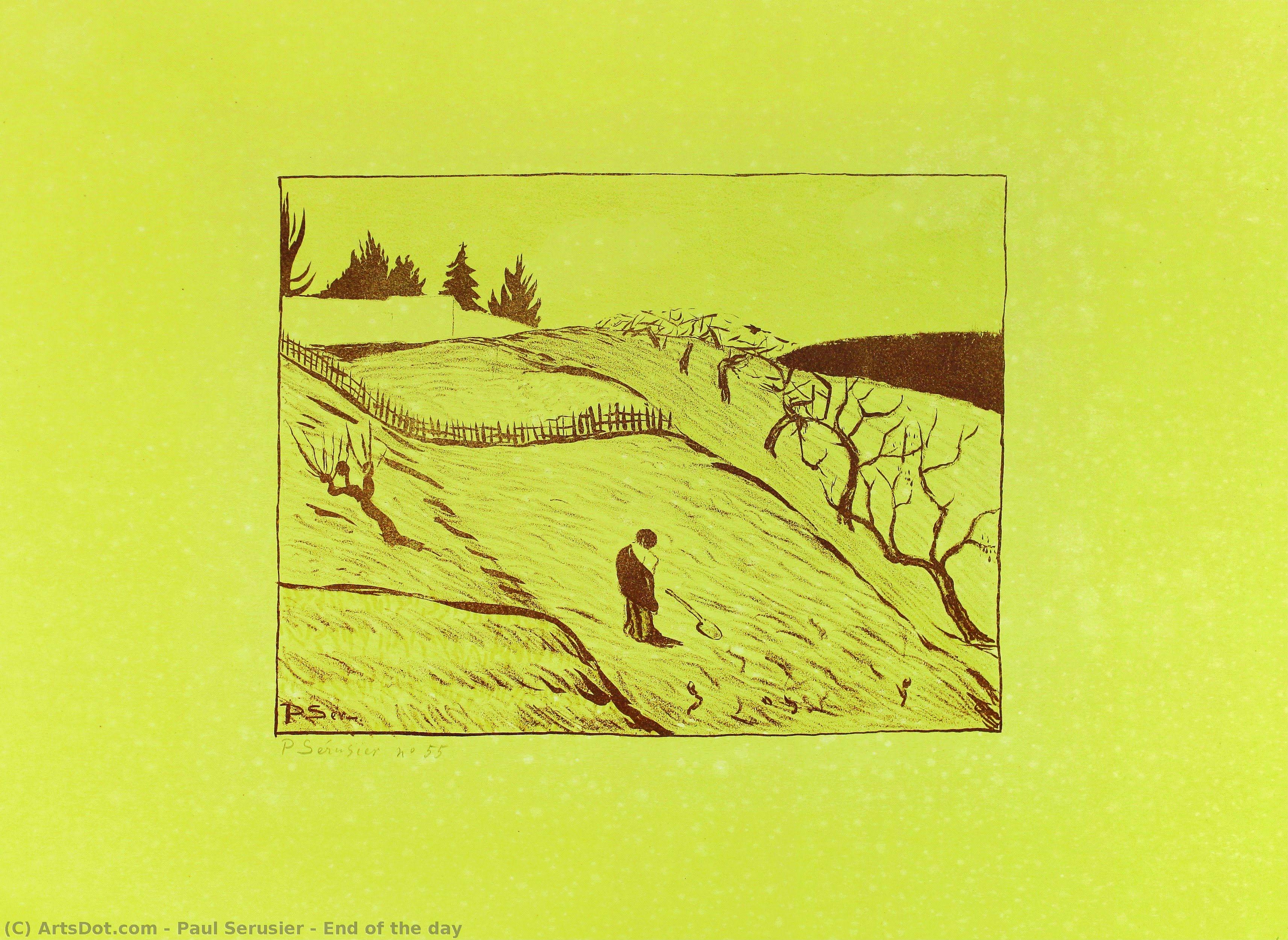
End of the day
 Acrylic On Canvas
- WallArt
- Post-Impressionism
 1893
1893- 19th Century
 23.0 x 30.0 cm
 Musée de Pont-Aven
 Ver mais
Giclée / Impressão de Arte
Impressão giclée ou em tela de qualidade de museu, com produção rápida e opções flexíveis de acabamento. ( Encomendar reprodução pintada à mão Ver Imagem Digital)




P118B $10

P118H $10

P118W $10

P438Z $10

P508JH $12

P508YH $12

P805H $10

P805Z $10

P919BZ $10

P919G $10

P919XJ $10

P959ZH $10

P968JZ $12

W106C $8

W218G $10

W218JH $8

W218Y $10

W307PJ $10

W316G $10

W316PJ $8

W316Y $10

W398PJ $8

W4111J $10

W500HY $15

W500JH $15

W692G $12

W849H $8

W940BG $15

W953PJ $8




Escolha entre os nossos tamanhos pré-definidos que respeitam as proporções originais da obra de arte.

Você pode inserir suas próprias dimensões para se ajustar a uma moldura ou espaço específico. Se o tamanho selecionado não corresponder às proporções da imagem original, iremos recortar a obra de arte ou estender a imagem com uma borda espelhada ou preenchimento sólido. Um mockup digital será enviado para sua aprovação antes do início da produção.
Por favor, observe que a visualização na tela não reflete o recorte ou a extensão real. Apenas o mockup mostrará com precisão a composição final.
Embora tamanhos personalizados estejam disponíveis, recomendamos selecionar uma dimensão da lista predefinida para preservar as proporções originais.
Entrega mundial () em 2 semanas, em vez das 4/5 semanas padrão. (27 Setembro)

Envio expresso gratuito para todo o mundo

Tela de Linho Premium

Seguro de transporte total

Garantia de Reembolso de Impostos Alfandegários

Garantia de Fidelidade de Cor

Política de Devolução em 100 Dias (Apenas para Defeitos)

Garantia de reembolso de 100%

Desconto para múltiplas unidades
 A opção de vidro está disponível apenas para tamanhos inferiores a 110 cm

End of the day
Giclée / Impressão de Arte
Dimensões da Reprodução
-


Preço Total
$ 80
The End of the Day – A Pioneering Vision of Synthetism
Paul Sérusier’s “End of the Day,” painted in 1893 during his formative summer at Pont-Aven, France alongside Vincent van Gogh and Gauguin, stands as a cornerstone of Impressionist abstraction and arguably the genesis of Synthetism – a movement that would profoundly influence the artistic landscape of the early 20th century. More than just a depiction of a tranquil Breton landscape, it’s an audacious experiment in conveying emotion through simplified forms and flattened color palettes.
The painting captures a hazy afternoon scene: a solitary man stands amidst a field dotted with trees, bathed in muted yellows and greens. Sérusier deliberately eschewed meticulous realism, prioritizing instead the expression of feeling. This approach aligns perfectly with Gauguin’s influence – he championed a symbolic language where color and form coalesce to communicate ideas rather than merely representing visual reality.
- Style: Synthetism - Rejecting Impressionistic optical blending, Sérusier sought to distill the essence of his subject into pure pigment.
- Technique: Cloisonnism – This technique involved applying paint in separate blocks or cells of color onto a toned surface, creating a textured and visually arresting effect reminiscent of Byzantine mosaics.
- Color Palette: Dominated by warm yellows and greens, mirroring the golden light filtering through the trees—a deliberate choice to evoke serenity and contemplation.
The composition itself is strikingly simple yet powerfully evocative. The man’s posture suggests introspection, gazing towards an unseen horizon – a gesture that speaks to the broader humanist concerns of the era. Critics noted Sérusier's bold departure from traditional artistic conventions, recognizing him as a visionary who anticipated the stylistic innovations of Cubism and Futurism.
Pont-Aven: A Crucible of Artistic Innovation
Pont-Aven served as an epicenter for artistic experimentation during this period. The group of artists gathered there – Sérusier, Gauguin, Cézanne, Bernard—were united by a desire to transcend Impressionism’s limitations and explore new avenues for artistic expression. They were deeply influenced by Celtic mythology and symbolism, seeking inspiration in ancient traditions.
Sérusier's fascination with Breton landscapes stemmed from his belief that nature possessed inherent spiritual significance. He aimed to capture not just what he saw but what he *felt*, translating visual impressions into emotionally resonant color harmonies. This pursuit of subjective experience was a hallmark of the Symbolist movement, which flourished alongside Synthetism.
The Talisman: An Emblematic Synthesis
"The Talisman," painted shortly before “End of the Day,” solidified Sérusier’s reputation as a pioneer of abstraction. Considered by many to be the first truly non-representational painting in France, it exemplifies the Synthetist aesthetic with its almost entirely flat surface and restricted color range.
This artwork is notable for its deliberate rejection of illusionistic perspective—a technique championed by Cézanne—and instead prioritizing a flattened space that emphasizes color and texture. The talisman itself symbolizes protection and guidance, reflecting Sérusier’s spiritual quest and his desire to communicate profound ideas through visual language.
Legacy and Influence
Paul Sérusier's contribution to art history extends far beyond the stylistic innovations of Synthetism. He instilled a spirit of experimentation and openness in subsequent generations of artists, encouraging them to challenge conventions and pursue their own artistic visions. “End of the Day” remains an enduring testament to his pioneering spirit—a painting that continues to inspire awe and contemplation decades after its creation.
Biografia do Artista
Early Life and Artistic Foundations
Paul Sérusier, a pivotal figure in the evolution of modern art, was born on November 9th, 1864, in the heart of Paris. His early years were steeped in the cultural richness of the capital, yet his artistic journey began unexpectedly, far removed from the traditional avenues of formal training. Sérusier’s father, a successful businessman of Flemish descent involved in the perfume industry, envisioned a career for his son within the commercial world. However, young Paul harbored an undeniable passion for art, a desire that ultimately led him to abandon his family's expectations and pursue his artistic calling. He enrolled at the Lycée Condorcet, a prestigious secondary school renowned for its emphasis on philosophy and classical studies – an education that would subtly shape his later approach to art, imbuing it with intellectual depth and a nuanced understanding of form. It was during this period that he encountered Maurice Denis, a fellow student who would become a lifelong friend and collaborator, profoundly influencing Sérusier’s artistic development. The summer of 1888 marked a transformative moment in Sérusier's life: his journey to Pont-Aven, a small village nestled in the Breton countryside. This pilgrimage proved crucial, as it introduced him to a vibrant community of artists—Paul Gauguin, Emile Bernard, and others—who were challenging conventional artistic norms and experimenting with new ways of seeing and representing the world.The Nabis Movement and Pioneering Techniques
Pont-Aven became the epicenter of a groundbreaking artistic movement known as the Nabis (meaning “prophets” in Hebrew). Under the guidance of Paul Gauguin, Sérusier began to shed his earlier academic training and embrace a radically new approach to painting. Gauguin encouraged him to move beyond mere imitation of nature, urging him instead to capture the essence of his impressions—the feeling, the color, the emotion—rather than meticulously replicating visual details. This shift was further solidified by conversations with Emile Bernard, who introduced Sérusier to the principles of cloisonnism, a technique characterized by bold outlines and flat areas of color applied in distinct compartments, reminiscent of stained glass windows. This innovative approach, combined with Gauguin’s emphasis on simplification and symbolic representation, culminated in Sérusier's iconic painting, “The Talisman” (1888). This work stands as a seminal example of cloisonnism, pushing the boundaries of abstraction and foreshadowing the developments of later avant-garde movements. The painting’s seemingly simple composition—a depiction of a Breton landscape—is in fact a complex exploration of color, form, and symbolism, reflecting Sérusier's evolving artistic vision.Key Works and Artistic Evolution
Sérusier’s oeuvre is characterized by a remarkable fluidity and experimentation. Beyond “The Talisman,” he produced a series of paintings that demonstrate his ongoing exploration of color, line, and composition. "L'Averse" (1893) showcases his ability to capture the atmospheric effects of Breton weather, while "Portrait of Paul Ranson" (1890) reveals his interest in portraying human subjects with a sense of immediacy and psychological depth. “Melancholy” (1890), a hauntingly evocative work, exemplifies Sérusier’s capacity to convey complex emotions through subtle color harmonies and carefully constructed forms. Later in his career, Sérusier continued to refine his style, incorporating elements of synthetism—a technique that sought to reduce natural forms to their essential geometric components—and exploring the expressive potential of abstraction. His work during this period reflects a growing interest in spirituality and symbolism, drawing inspiration from Theosophical ideas and other esoteric traditions. Notably, Sérusier also served as an instructor at the École Ranson, founded by his fellow Nabi Paul Ranson, where he instilled his innovative approach to painting in a new generation of artists.Legacy and Historical Significance
Paul Sérusier’s contribution to the development of modern art is profound and multifaceted. He was not merely a follower of Gauguin; rather, he played a crucial role in shaping the direction of the Nabis movement and, more broadly, in paving the way for subsequent avant-garde movements such as Fauvism and Cubism. His pioneering use of cloisonnism—a technique that emphasized simplified forms and bold outlines—demonstrated a radical departure from traditional artistic conventions and opened up new possibilities for abstract expression. Sérusier’s emphasis on capturing the essence of impressions, rather than simply replicating visual reality, profoundly influenced his contemporaries and successors. His legacy extends beyond his individual paintings; he is remembered as a key figure in the intellectual and aesthetic ferment that characterized late 19th-century Paris—a period marked by experimentation, innovation, and a profound questioning of established artistic norms. Paul Sérusier passed away on October 7, 1927, leaving behind a body of work that continues to inspire and challenge viewers today.
Paul Sérusier
1864 - 1927 , França
Informações Rápidas
- Artistic Movement Or Style: Pós-Impressionismo
- Artists Or Movements Influenced By This Artist: ['Nabis']
- Artists Who Influenced This Artist:
- Paul Gauguin
- Maurice Denis
- Date Of Birth: 9 de novembro de 1864
- Date Of Death: 7 de outubro de 1927
- Full Name: Louis-Paul-Henri Sérusier
- Nationality: Francês
- Notable Artworks:
- O Talismã
- L'Averse
- Place Of Birth: Paris, França
Artigos Relacionados

Giclée Prints: Archival Quality & Aesthetic Nuances for the Discerning Collector
Explore the world of giclée prints with OriginalUniqueArt. Learn about archival quality, aesthetic nuances & investment potential. Expert guidance for discerning art collectors seeking museum-quality reproductions and lasting value.
Verdant Visions: Exploring the Symbolism & Aesthetic Impact of Green in Art History
Explore the rich history & symbolism of green in art! Discover iconic paintings, techniques, and how to bring verdant harmony into your home with OriginalUniqueArt's expert guide.
As 10 Obras Mais Famosas Dominadas pelo 'Amarelo Cromo': Arte e Decoração
Descubra as 10 pinturas mais famosas dominadas pelo vibrante 'amarelo cromo'! Explore a história de Van Gogh, Monet e outros mestres. Encontre reproduções de arte exclusivas para decorar sua casa com elegância em OriginalUniqueArt.com.
Os 10 Quadros Mais Famosos Dominados pelo Verde Cadmio | OriginalUniqueArt.com
Descubra os 10 quadros mais icônicos dominados pelo verde cadmio! Explore a história de Monet, Renoir e Van Gogh, e inspire-se com a beleza atemporal da arte. Reproduções de museu em OriginalUniqueArt.com.

The Enduring Legacy of Fine Art Prints: Technique, History & Aesthetic Impact
Explore the rich history & techniques of fine art prints. Discover investment potential, assess authenticity, and learn how to preserve your collection with expert guidance. Trusted insights for discerning collectors.