

 Visualizar na parede
 Compartilhar
 Compartilhar
 Detalhes

 Baixar imagem
 Semelhantes
 Raio X
 Slideshow
 Estatísticas
La Treille
 Ler mais
Reprodução em Óleo Feita à Mão
Óleo sobre tela pintado à mão no tamanho e moldura de sua escolha, feito sob encomenda pelos nossos artistas. ( Alternar para Impressão Alternar para Imagem Digital)




































Escolha entre os nossos tamanhos pré-definidos que respeitam as proporções originais da obra de arte.

Pode inserir as suas próprias dimensões para se adequar a uma moldura ou espaço específico. Se o tamanho selecionado não corresponder às proporções da imagem original, iremos cortar a obra de arte ou estender a pintura com elementos adicionais pintados à mão. Um esboço digital será enviado para sua aprovação antes do início da produção.
Tenha em atenção que a pré-visualização no ecrã não reflete o corte ou extensão real. Apenas o esboço mostrará com precisão a composição final.
Embora tamanhos personalizados estejam disponíveis, recomendamos selecionar uma dimensão da lista predefinida para preservar as proporções originais.
Após o pedido, a equipa OriginalUniqueArt.com enviará um e-mail ao cliente para solicitar instruções e fornecer uma prévia do esboço.
Entrega mundial () em 3 a 4 semanas, em vez das 5 semanas padrão. (9 Setembro). Sem comprometer a qualidade.

Envio expresso gratuito para todo o mundo

Tela de Linho de Alta Qualidade

Seguro de transporte completo

Garantia de Reembolso de Impostos Alfandegários

Garantia de Fidelidade Cromática

Política de Devolução de 100 Dias (Apenas Defeitos)

Garantia de reembolso de 100%

Oferta de desconto por quantidade
 A opção de vidro está disponível apenas para tamanhos inferiores a 110 cm

La Treille
Técnica de Reprodução
Tamanho da Reprodução
-


Preço Total
$ 300
Biografia do Artista
Early Life and Artistic Beginnings
Paul Madeline was born on October 7, 1863, in Paris, France—a city already brimming with artistic fervor during the Belle Époque. His upbringing within this cultural epicenter instilled in him a profound appreciation for beauty and creativity from his earliest years. Unlike many of his peers who pursued conventional paths toward stability, Madeline harbored an unwavering passion for art that defied societal expectations. Initially drawn to commerce as a means of securing financial independence—a common aspiration among families during the period—his artistic inclinations persisted, ultimately guiding him towards a transformative vocation. He enrolled in the École des Beaux-Arts of Paris, marking the commencement of his formal artistic education and setting the stage for his remarkable career.Formal Training and Influences
Madeline’s studies at the École des Beaux-Arts provided him with invaluable grounding in classical artistic principles—a cornerstone of French art education throughout the 19th century. However, it was his exposure to the burgeoning movements of Impressionism and Post-Impressionism that irrevocably shaped his artistic vision. The bold colors and innovative techniques championed by these trailblazing artists resonated deeply within Madeline’s soul, prompting him to experiment with his own style and forge a distinctive path. Artists like Claude Monet and Camille Pissarro—whose canvases captured the fleeting effects of light and atmosphere—served as pivotal inspirations, encouraging Madeline to explore similar themes in his oeuvre.The Landscape Painter's Vision
Madeline’s artistic focus centered predominantly on landscape painting—a genre particularly favored by Impressionists and Post-Impressionists who sought to depict the grandeur and serenity of the natural world. He embarked upon numerous expeditions throughout France, meticulously documenting scenes from regions such as Brittany, Auvergne, and the Creuse Valley. These journeys fueled his creative imagination and honed his observational skills, resulting in paintings characterized by their luminous quality and vibrant hues—a testament to Madeline’s ability to convey both realism and emotion simultaneously.Notable Works and Artistic Style
Among Madeline's most celebrated creations is “The Banks of the Creuse,” a painting that exemplifies his masterful blending of classical technique with Impressionistic color palettes. The composition—balanced and harmonious—guides the viewer’s gaze through the landscape, while the interplay of light and shadow generates an ethereal atmosphere. Similarly, “Les Lavandières” captures the essence of rural French life with delicate brushstrokes and soft lighting—a hallmark of Madeline's artistic style. His canvases frequently depict scenes from Brittany and Auvergne, showcasing his unwavering dedication to portraying the beauty of the French countryside.Legacy and Historical Significance
Paul Madeline’s contribution to French art history extends far beyond his individual masterpieces. He stood as a prominent figure within “La Société Moderne,” alongside fellow artists Lebasque, Raffaelli, Aman, and Chabas—a collective committed to advancing artistic innovation during the Belle Époque. Madeline's annual participation in prestigious salons—including the Salon des Artistes, the Salon d’Automne, and the Salon de la Nationale des Beaux-Arts—solidified his reputation as a respected artist and ensured that his work would endure for generations to come. His enduring influence can be discerned in subsequent artistic endeavors, cementing Madeline's place as a luminary of Post-Impressionism and a symbol of French cultural heritage.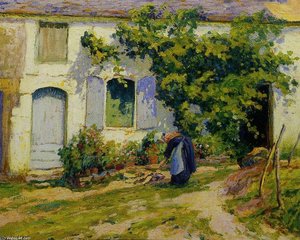
paul madeline
1863 - 1920 , France
Dados Rápidos
- Artistic Movement Or Style: Post-Impressionism
- Artists Or Movements Influenced By This Artist: ['Impressionism']
- Artists Who Influenced This Artist:
- Claude Monet
- Camille Pissarro
- Date Of Birth: October 7, 1863
- Date Of Death: 1920
- Full Name: Paul Madeline
- Nationality: French
- Notable Artworks:
- Les Lavandières
- Un Quai Á Taillebourg
- Place Of Birth: Paris, France