
 Visualizar na parede
 Compartilhar
 Compartilhar
 Detalhes
 Guia
Guia

 Baixar imagem
 Semelhantes
 Raio X
 Ver diaporama
 Perguntas e Respostas
 Estatísticas
The Scottish Highlands

- 108.0 x 183.0 cm


 Ler mais
Giclée / Impressão de Arte
Impressão giclée ou em tela de qualidade de museu, com produção rápida e opções flexíveis de acabamento. ( Comprar pintura feita à mão Alternar para Imagem Digital)




P118B €10

P118H €10

P118W €10

P438Z €10

P508JH €12

P508YH €12

P805H €10

P805Z €10

P919BZ €10

P919G €10

P919XJ €10

P959ZH €10

P968JZ €12

W106C €8

W218G €10

W218JH €8

W218Y €10

W307PJ €10

W316G €10

W316PJ €8

W316Y €10

W398PJ €8

W4111J €10

W500HY €15

W500JH €15

W692G €12

W849H €8

W940BG €15

W953PJ €8




Escolha entre os nossos tamanhos pré-definidos que respeitam as proporções originais da obra de arte.

Insira a largura e a altura desejadas para se ajustarem à sua moldura ou parede. Uma impressão pode ser apenas cortada, nunca ampliada além da imagem original; portanto, um tamanho com proporções diferentes resultará na perda de parte da imagem. Enviamos uma maquete digital para sua aprovação antes de realizarmos a impressão. A imagem exibida nesta página não mostra o corte real — apenas a maquete o faz.
Entrega mundial () em 2 semanas, em vez das 4/5 semanas padrão. (9 Novembro)

Envio expresso gratuito para todo o mundo

Tela de Linho de Alta Qualidade

Seguro de transporte completo

Garantia de Reembolso de Impostos Alfandegários

Garantia de Fidelidade Cromática

Política de Devolução em 100 Dias (Apenas para Defeitos)

Garantia de reembolso de 100%

Oferta de desconto por quantidade
 A opção de vidro está disponível apenas para tamanhos inferiores a 110 cm

The Scottish Highlands
Giclée / Impressão de Arte
Tamanho da Reprodução
-


Preço Total
€ 72
A Vision of Highland Majesty
In the vast, mist-shrouded annals of nineteenth-century Romanticism, few works capture the raw, untamed spirit of nature as poignantly as Gustave Doré’s 1875 masterpiece, The Scottish Highlands. This breathtaking oil on canvas is far more than a mere topographical record of a landscape; it is an evocative window into a world where the boundaries between reality and myth begin to dissolve. As one gazes upon the rugged, cloud-wreathed peaks and the shimmering expanse of Loch Moraine, the viewer is immediately transported to a time when the sublime power of the natural world was a primary source of both terror and profound reverence. Doré, a master of light and shadow, does not simply paint a scene; he orchestrates an emotional experience that resonates with the deep-seated human desire to connect with the eternal and the infinite.
The composition is a triumph of atmospheric impressionism, where Doré prioritizes the feeling of the Highlands over precise geographical accuracy. Through a sophisticated, layered technique, the artist employs broad washes of color to establish a brooding, melancholic mood, which he then refines with meticulous brushstrokes to render the textures of granite and water. The interplay of light is particularly striking; the way the sunlight struggles through heavy, dramatic clouds to illuminate certain facets of the mountain slopes creates a sense of movement and life. This technique of chiaroscuro—the dramatic contrast between deep shadows and brilliant highlights—imbues the landscape with a cinematic quality, making every element, from the dense clusters of trees to the distant, hazy summits, feel imbued with a spiritual weight.
Symbolism and the Romantic Soul
Beyond its visual splendor, The Scottish Highlands serves as a profound meditation on the tension between the fleeting nature of human existence and the permanence of the earth. The towering mountains, standing resolute against the shifting skies, act as symbols of resilience and timelessness. In an era marked by the rapid onset of industrial modernity and urban expansion, Doré’s vision offered a sanctuary of "a land untamed by human civilization." This sense of isolation is beautifully punctuated by the presence of a lone hunter and his dogs in the foreground; their small scale relative to the immense landscape emphasizes the insignificance of man when confronted with the grandeur of the wild. It is a poignant reminder of our place within the larger, more powerful rhythms of the natural world.
For the discerning collector or interior designer, this painting offers an unparalleled opportunity to introduce a sense of drama and historical depth into a space. The sheer scale of the work—stretching over seven feet in width—allows it to serve as a commanding focal point in any grand room, evoking a sense of quiet contemplation and sophisticated elegance. Whether placed in a library filled with classic literature or as a centerpiece in a contemporary living space, the painting’s rich textures and emotive palette provide a timeless aesthetic appeal. Owning a high-quality reproduction of this Doré masterpiece is not merely about acquiring art; it is about inviting the enduring majesty of the Scottish wilderness and the profound emotional depth of the Romantic era into one's personal sanctuary.
Perguntas e Respostas
"The Scottish Highlands" encontra-se no país de seu criador?
Não – a obra de arte encontra-se no exterior. O país de nascimento de Gustave Doré é França, e o museu que detém o original de "The Scottish Highlands" está em Estados Unidos da América.
Onde posso comprar uma impressão de "The Scottish Highlands", de Gustave Doré?
"The Scottish Highlands" está disponível como uma impressão fine art em tela de algodão ou papel canvas de arquivo. Os pedidos podem ser feitos na página de Impressão Fine Art, no tamanho de sua escolha.
"The Scottish Highlands", de Gustave Doré é uma obra de arte clara ou escura?
A luminosidade percebida de "The Scottish Highlands", de Gustave Doré é balanced. Ela pode ser harmonizada com a iluminação do espaço pretendido.
Biografia do Artista
A Life Etched in Shadow and Light: The World of Gustave Doré
Paul Gustave Louis Christophe Doré, known to the world as Gustave Doré, was a figure who straddled the worlds of illustration, painting, and sculpture with an astonishing virtuosity. Born in Strasbourg, France, on January 6th, 1832, his life unfolded during a period of immense social and artistic change, a time when Romanticism still held sway but was giving way to new currents of realism and symbolism. Even as a child, Doré displayed a precocious talent, not merely in drawing—which he began at an incredibly young age—but also in a personality that hinted at the dramatic flair which would come to define his work. Stories abound of youthful pranks demonstrating a maturity beyond his years, foreshadowing the complex and often melancholic themes that would permeate his art. He embarked on his professional career remarkably early, at just fifteen years old, as a caricaturist for the French journal *Le Journal pour rire*, honing his skills in observation and composition within the bustling world of Parisian satire.From Caricature to Literary Giants: The Rise of an Illustrator
Doré’s early commissions laid the foundation for his future renown. Works like *Les Travaux d'Hercule* (1847), *Trois artistes incompris et mécontents* (1851), and *Les Dés-agréments d'un voyage d'agrément* (1851) showcased a burgeoning talent for dynamic composition and a masterful use of light and shadow, even in these relatively modest beginnings. He was deeply influenced by the illustrations of J.J. Grandville, whose fantastical imagery and satirical edge resonated with Doré’s own developing style. However, it was through his collaborations with literary giants that Doré truly ascended to prominence. In 1853, he received a commission to illustrate the works of Lord Byron, an undertaking which opened doors to further prestigious projects. The monumental task of illustrating the Bible followed, a project that would cement his reputation and bring his art before a vast international audience. His illustrations for Cervantes’ *Don Quixote* in the 1860s were particularly impactful, profoundly influencing subsequent interpretations of the characters and narrative. He wasn't merely illustrating these stories; he was reimagining them, imbuing them with a dramatic intensity that captured the imagination of readers worldwide. The oversized edition of Edgar Allan Poe’s “The Raven,” completed in 1883, earned him an impressive 30,000 francs from Harper & Brothers, demonstrating the commercial success alongside the artistic acclaim he had achieved. His collaboration with Blanchard Jerrold on *London: A Pilgrimage* (1872) was a particularly poignant and controversial work, depicting the stark realities of Victorian London’s poverty and sparking debate about social conditions.A Master of Technique: Wood Engraving and Romantic Vision
Doré's artistic prowess lay not only in his imaginative vision but also in his technical mastery, particularly in wood engraving. He possessed an extraordinary ability to create incredibly detailed and dramatic images through this medium, a skill that allowed for the mass production and widespread dissemination of his work. His compositions are characterized by their dynamism, strong contrasts between light and shadow—a technique known as chiaroscuro—and a sense of grandeur that often evokes a feeling of awe or even terror. He frequently employed a large team of block-cutters to translate his designs into wood engravings, enabling the efficient production needed to meet the demands of publishers and readers alike. His style is firmly rooted in the Romantic tradition, emphasizing emotion, imagination, and the sublime—a fascination with the overwhelming power of nature and the human condition. He wasn’t merely recording scenes; he was interpreting them through a lens of heightened emotionality and dramatic flair. This approach, while celebrated by many, also drew criticism from some contemporaries who found his work overly theatrical or sensationalized.Notable Works and Lasting Influence
Doré's prolific output spanned a vast range of subjects and styles. His illustrations for Dante’s *Inferno* remain perhaps his most iconic achievement, capturing the terrifying visions of hell with unparalleled intensity. Similarly, his interpretations of Milton’s *Paradise Lost* and Cervantes’ *Don Quixote* are celebrated for their grandeur and dramatic flair. Beyond these monumental projects, Doré produced countless illustrations for popular literature, including works by Balzac, Coleridge, and Poe. His depictions of London—particularly *London: A Pilgrimage*, which offered a stark portrayal of poverty and social injustice—left a lasting impact on the public’s perception of the city. Despite facing some criticism during his lifetime—some found his style overly dramatic or lacking in subtlety—Doré's work is now celebrated for its artistic merit and historical importance. His illustrations continue to shape our understanding of classic literature and Victorian society, offering a powerful visual interpretation of timeless stories and enduring themes. He died on January 23rd, 1883, leaving behind an immense body of work that continues to captivate and inspire. *His art remains a testament to the power of illustration to not only depict but also to interpret and transform the world around us.*Key Characteristics
- Dramatic Composition: Doré’s works are renowned for their dynamic arrangements, often featuring sweeping vistas and figures in dramatic poses.
- Chiaroscuro: His masterful use of light and shadow creates a powerful sense of depth and atmosphere.
- Romantic Intensity: Doré's illustrations are infused with emotion, imagination, and a fascination with the sublime.
- Technical Skill: He was a highly skilled wood engraver, capable of producing incredibly detailed and intricate images.
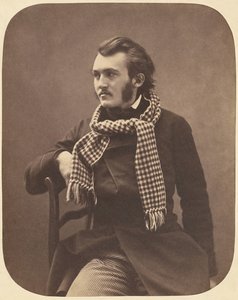
Gustave Doré
1832 - 1883 , França
Dados Rápidos
- Artistic Movement Or Style: Romantismo
- Artists Or Movements Influenced By This Artist: ['Van Gogh']
- Artists Who Influenced This Artist: ['Grandville']
- Date Of Birth: 6 jan. 1832
- Date Of Death: 23 jan. 1883
- Full Name: Paul Gustave Doré
- Nationality: Francês
- Notable Artworks:
- Don Quixote
- Inferno
- Paraíso
- Place Of Birth: Estrasburgo, França
Artigos Relacionados

Gustav Klimt: As 25 Obras-Primas que Definem um Ícone da Arte e Decoração
Descubra as 25 obras-primas de Gustav Klimt, ícone da Secession Vienense e do Art Nouveau. Explore a beleza dourada, o simbolismo e a paixão em cada pintura. Encontre reproduções de arte exclusivas para decorar sua casa com elegância na OriginalUniqueArt.com!

Evocations of Place: A Historical Journey Through Landscape Art
Explore the rich history of landscape art with OriginalUniqueArt. Discover renowned artists, movements like Impressionism & Romanticism, and expert guidance for collecting timeless pieces. Find your perfect serene escape today!

John Constable: As 25 Obras-Primas que Definem o Mestre da Paisagem Inglesa | OriginalUniqueArt
Descubra as 25 obras-primas de John Constable, o mestre da paisagem inglesa! Explore a arte romântica, cores vibrantes e histórias fascinantes por trás de 'Hay Wain' e outras pinturas icônicas. Encontre reproduções de alta qualidade para decorar sua casa com OriginalUniqueArt.com.

Os 10 Mestres da Paisagem Romântica: Arte para Inspirar a Sua Casa
Descubra os 10 quadros mais emblemáticos da Paisagem Romântica! Explore a história de Turner, Friedrich e outros mestres. Encontre reproduções de arte exclusivas para inspirar sua decoração em OriginalUniqueArt.com.
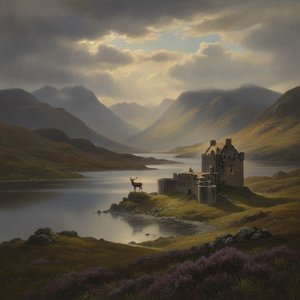
Capturing the Highlands: A Guide to Iconic Scottish Landscape Paintings and the Romantic Tradition
Explore the profound beauty of the Scottish Highlands through the lens of Romanticism. Discover the history, technique, and atmospheric mastery behind iconic landscape paintings from the Old Masters to museum-quality oil reproductions for collectors.


