

 Visualizar em escala
 Enviar
 Compartilhar
 Ver detalhes
 Guia de Obras do Aluno

 Baixar imagem
 Semelhantes
 Raio X
 Apresentação de slides
 Estatísticas
Os Repententes Tardios II

 Ver mais
Giclée / Impressão de Arte
Impressão giclée ou em tela de qualidade de museu, com produção rápida e opções flexíveis de acabamento. ( Encomendar reprodução pintada à mão Ver Imagem Digital)




P118B €10

P118H €10

P118W €10

P438Z €10

P508JH €12

P508YH €12

P805H €10

P805Z €10

P919BZ €10

P919G €10

P919XJ €10

P959ZH €10

P968JZ €12

W106C €8

W218G €10

W218JH €8

W218Y €10

W307PJ €10

W316G €10

W316PJ €8

W316Y €10

W398PJ €8

W4111J €10

W500HY €15

W500JH €15

W692G €12

W849H €8

W940BG €15

W953PJ €8




Escolha entre os nossos tamanhos pré-definidos que respeitam as proporções originais da obra de arte.

Digite a largura e a altura de que necessita, para se ajustar à sua moldura ou à sua parede. Uma impressão só pode ser cortada, nunca ampliada além da imagem original, pelo que um tamanho com uma proporção diferente perderá parte da imagem. Enviamos-lhe uma maquete digital para aprovação antes de imprimirmos qualquer coisa. A imagem apresentada nesta página não mostra o corte real — apenas a maquete o faz.
Entrega mundial () em 2 semanas, em vez das 4/5 semanas padrão. (24 Outubro)

Envio expresso gratuito para todo o mundo

Tela de Linho Premium

Seguro de transporte total

Garantia de Reembolso de Impostos Alfandegários

Garantia de Fidelidade de Cor

Política de Devolução em 100 Dias (Apenas para Defeitos)

Garantia de reembolso de 100%

Desconto para múltiplas unidades
 A opção de vidro está disponível apenas para tamanhos inferiores a 110 cm

Os Repententes Tardios II
Giclée / Impressão de Arte
Dimensões da Reprodução
-


Preço Total
€ 70
Uma Paisagem de Melancolia: Decifrando “Os Penitentes Tardios” de Gustave Doré
Paul Gustave Doré não apenas criou uma gravura; ele esculpiu uma imagem que fala profundamente sobre as ansiedades e a contemplação espiritual características da sua época Vitoriana. Executada em 1867, "Os Penitentes Tardios II" captura um cenário marítimo desolado dominado por precipícios imponentes e figuras vestidas em robes sombrios – uma cena impregnada de alusões bíblicas e carregada de uma palpável sensação de tristeza. O talento de Doré residia não apenas em sua maestria técnica, mas também na capacidade de condensar emoções complexas em forma visual, criando uma obra que continua a ressoar com o público contemporâneo.A Arte da Gravura: Técnica e Artesanato
A habilidade de Doré primou pela própria técnica de gravura – um processo exigente que demanda paciência, precisão e uma compreensão profunda da variação tonal. Ele iniciou transferindo seu esboço para uma placa de cobre usando um stylus, meticulosamente esculpindo linhas na superfície do metal com uma ferramenta burin. Este trabalho árduo envolveu múltiplas etapas de polimento e brilho para alcançar a suavidade ideal antes aplicar tinta – geralmente tinta preta – uniformemente sobre a placa. Finalmente, pressão da prensa transferiu a imagem impressa em tinta para papel, resultando em uma impressão excepcionalmente detalhada que reflete a textura do desenho original. A superfície resultante é surpreendentemente tátil, espelhando a rudeza do precipício e o denso folhagem representada dentro da obra.Um Eco Bíblico: Narrativa e Simbolismo
A composição retrata um grupo de indivíduos reunidos à pé em uma falésia íngreme olhando para águas turbulentas – uma composição inegavelmente reminiscente de narrativas bíblicas sobre arrependimento e julgamento. As roupas das figuras – robes de tonalidades escuras – comunicam imediatamente solenidade e piedade, sugerindo uma peregrinação ou ritual de luto. Doré utiliza habilmente a perspectiva para aumentar o impacto dramático, posicionando o espectador como se observasse este momento pungente de longe. O posicionamento da falésia simboliza isolamento e talvez purgatório – uma representação visual da luta espiritual e do desejo por redenção.Romanticismo Sensacionalista: Estilo e Impacto Emocional
“Os Penitentes Tardios II” afirma firmemente Doré dentro da tradição Romântica, priorizando a expressão emocional em detrimento da adesão estrita ao realismo. Embora o cenário seja renderizado com atenção cuidadosa aos detalhes – capturando a interação entre luz e sombra – o artista buscava primordialmente evocar um sentimento de profunda tristeza e contemplação. A iluminação difusa contribui para essa atmosfera, lançando uma luminosidade etérea sobre as figuras e enfatizando sua vulnerabilidade contra o pano de fundo de forças naturais poderosas. Doré escolhe estilos que priorizam o humor e a profundidade psicológica, consolidando seu legado como um dos ilustradores mais evocativos de seu tempo.Colecionando Inspiração: Considerações Sobre Qualidade de Reprodução
Hoje, reproduções de alta qualidade de “Os Penitentes Tardios II” oferecem aos entusiastas da arte uma oportunidade de experimentar a visão artística de Doré em primeira mão. Ao selecionar uma impressão, priorize papel arquivado e tinta pigmentada – materiais projetados para preservar as cores e texturas da obra de arte por gerações futuras. Procure impressões produzidas por ateliês respeitáveis que empreguem processos de impressão meticulosos que reflitam a técnica original do artista, garantindo uma representação autêntica desta imagem icônica.Perguntas e Respostas
"Os Repententes Tardios II" está disponível como uma impressão fine art?
Uma impressão de "Os Repententes Tardios II" de Gustave Doré pode ser encomendada diretamente na sua página de Impressão Fine Art: uma impressão fine art em tela de algodão ou papel canvas de arquivo.
A qual artista "Os Repententes Tardios II" é atribuída?
"Os Repententes Tardios II" é atribuída a Gustave Doré.
Onde posso ver uma prévia de "Os Repententes Tardios II"?
A página de Visualização de "Os Repententes Tardios II" permite que você visualize a obra de arte antes de fazer o pedido.
Biografia do Artista
A Life Etched in Shadow and Light: The World of Gustave Doré
Paul Gustave Louis Christophe Doré, known to the world as Gustave Doré, was a figure who straddled the worlds of illustration, painting, and sculpture with an astonishing virtuosity. Born in Strasbourg, France, on January 6th, 1832, his life unfolded during a period of immense social and artistic change, a time when Romanticism still held sway but was giving way to new currents of realism and symbolism. Even as a child, Doré displayed a precocious talent, not merely in drawing—which he began at an incredibly young age—but also in a personality that hinted at the dramatic flair which would come to define his work. Stories abound of youthful pranks demonstrating a maturity beyond his years, foreshadowing the complex and often melancholic themes that would permeate his art. He embarked on his professional career remarkably early, at just fifteen years old, as a caricaturist for the French journal *Le Journal pour rire*, honing his skills in observation and composition within the bustling world of Parisian satire.From Caricature to Literary Giants: The Rise of an Illustrator
Doré’s early commissions laid the foundation for his future renown. Works like *Les Travaux d'Hercule* (1847), *Trois artistes incompris et mécontents* (1851), and *Les Dés-agréments d'un voyage d'agrément* (1851) showcased a burgeoning talent for dynamic composition and a masterful use of light and shadow, even in these relatively modest beginnings. He was deeply influenced by the illustrations of J.J. Grandville, whose fantastical imagery and satirical edge resonated with Doré’s own developing style. However, it was through his collaborations with literary giants that Doré truly ascended to prominence. In 1853, he received a commission to illustrate the works of Lord Byron, an undertaking which opened doors to further prestigious projects. The monumental task of illustrating the Bible followed, a project that would cement his reputation and bring his art before a vast international audience. His illustrations for Cervantes’ *Don Quixote* in the 1860s were particularly impactful, profoundly influencing subsequent interpretations of the characters and narrative. He wasn't merely illustrating these stories; he was reimagining them, imbuing them with a dramatic intensity that captured the imagination of readers worldwide. The oversized edition of Edgar Allan Poe’s “The Raven,” completed in 1883, earned him an impressive 30,000 francs from Harper & Brothers, demonstrating the commercial success alongside the artistic acclaim he had achieved. His collaboration with Blanchard Jerrold on *London: A Pilgrimage* (1872) was a particularly poignant and controversial work, depicting the stark realities of Victorian London’s poverty and sparking debate about social conditions.A Master of Technique: Wood Engraving and Romantic Vision
Doré's artistic prowess lay not only in his imaginative vision but also in his technical mastery, particularly in wood engraving. He possessed an extraordinary ability to create incredibly detailed and dramatic images through this medium, a skill that allowed for the mass production and widespread dissemination of his work. His compositions are characterized by their dynamism, strong contrasts between light and shadow—a technique known as chiaroscuro—and a sense of grandeur that often evokes a feeling of awe or even terror. He frequently employed a large team of block-cutters to translate his designs into wood engravings, enabling the efficient production needed to meet the demands of publishers and readers alike. His style is firmly rooted in the Romantic tradition, emphasizing emotion, imagination, and the sublime—a fascination with the overwhelming power of nature and the human condition. He wasn’t merely recording scenes; he was interpreting them through a lens of heightened emotionality and dramatic flair. This approach, while celebrated by many, also drew criticism from some contemporaries who found his work overly theatrical or sensationalized.Notable Works and Lasting Influence
Doré's prolific output spanned a vast range of subjects and styles. His illustrations for Dante’s *Inferno* remain perhaps his most iconic achievement, capturing the terrifying visions of hell with unparalleled intensity. Similarly, his interpretations of Milton’s *Paradise Lost* and Cervantes’ *Don Quixote* are celebrated for their grandeur and dramatic flair. Beyond these monumental projects, Doré produced countless illustrations for popular literature, including works by Balzac, Coleridge, and Poe. His depictions of London—particularly *London: A Pilgrimage*, which offered a stark portrayal of poverty and social injustice—left a lasting impact on the public’s perception of the city. Despite facing some criticism during his lifetime—some found his style overly dramatic or lacking in subtlety—Doré's work is now celebrated for its artistic merit and historical importance. His illustrations continue to shape our understanding of classic literature and Victorian society, offering a powerful visual interpretation of timeless stories and enduring themes. He died on January 23rd, 1883, leaving behind an immense body of work that continues to captivate and inspire. *His art remains a testament to the power of illustration to not only depict but also to interpret and transform the world around us.*Key Characteristics
- Dramatic Composition: Doré’s works are renowned for their dynamic arrangements, often featuring sweeping vistas and figures in dramatic poses.
- Chiaroscuro: His masterful use of light and shadow creates a powerful sense of depth and atmosphere.
- Romantic Intensity: Doré's illustrations are infused with emotion, imagination, and a fascination with the sublime.
- Technical Skill: He was a highly skilled wood engraver, capable of producing incredibly detailed and intricate images.
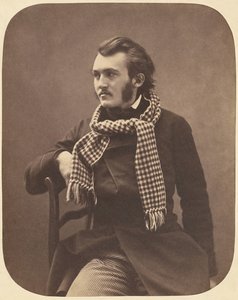
Gustave Doré
1832 - 1883 , França
Informações Rápidas
- Artistic Movement Or Style: Romantismo
- Artists Or Movements Influenced By This Artist: ['Van Gogh']
- Artists Who Influenced This Artist: ['Grandville']
- Date Of Birth: 6 jan. 1832
- Date Of Death: 23 jan. 1883
- Full Name: Paul Gustave Doré
- Nationality: Francês
- Notable Artworks:
- Don Quixote
- Inferno
- Paraíso
- Place Of Birth: Estrasburgo, França
Artigos Relacionados

Evocations of Place: A Historical Journey Through Landscape Art
Explore the rich history of landscape art with OriginalUniqueArt. Discover renowned artists, movements like Impressionism & Romanticism, and expert guidance for collecting timeless pieces. Find your perfect serene escape today!

10 Gravuras Icônicas que Revolucionaram a História da Arte | OriginalUniqueArt
Descubra 10 gravuras icônicas de Dürer, Rembrandt e Goya que revolucionaram a arte! Explore a história, técnica e beleza atemporal destas obras-primas. Encontre reproduções de alta qualidade para decorar sua casa com OriginalUniqueArt.com.
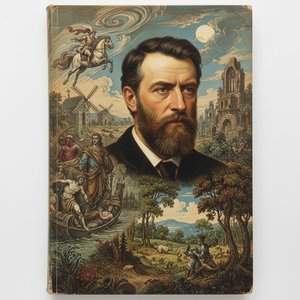
Paul Gustave Doré: A Master of Romantic Realism & the Illustrated Imagination
Explore the captivating world of Gustave Doré, master of Romantic realism & iconic illustrator. Discover his dramatic wood engravings, paintings, and sculptures – a legacy shaping art history. Learn more at OriginalUniqueArt.

Gothic Vibes: From Dark Shadows to Bold Modern Edge | The Ultimate Trend Forecast
Explore the evolution of Gothic vibes, from historical shadows to bold modern edge. Discover how dark aesthetics, noir interiors, and contemporary subcultures are redefining modern design through a high-impact, trend-focused lens.

Os 10 Mestres da Paisagem Romântica: Arte para Inspirar a Sua Casa
Descubra os 10 quadros mais emblemáticos da Paisagem Romântica! Explore a história de Turner, Friedrich e outros mestres. Encontre reproduções de arte exclusivas para inspirar sua decoração em OriginalUniqueArt.com.


