

 Visualizar na parede
 Compartilhar
 Compartilhar
 Detalhes
 Guia
Guia

 Baixar imagem
 Semelhantes
 Raio X
 Ver diaporama
 Estatísticas
The Mirror
 Etching
- WallArt
- Post-Impressionism
 20.0 x 19.0 cm
 Hammer Museum
 Ler mais
Reprodução em Óleo Feita à Mão
Óleo sobre tela pintado à mão no tamanho e moldura de sua escolha, feito sob encomenda pelos nossos artistas. ( Alternar para Impressão Alternar para Imagem Digital)




P118B €10

P118H €10

P118W €10

P438Z €10

P508JH €12

P508YH €12

P805H €10

P805Z €10

P919BZ €10

P919G €10

P919XJ €10

P959ZH €10

P968JZ €12

W106C €8

W218G €10

W218JH €8

W218Y €10

W307PJ €10

W316G €10

W316PJ €8

W316Y €10

W398PJ €8

W4111J €10

W500HY €15

W500JH €15

W692G €12

W849H €8

W940BG €15

W953PJ €8




Escolha entre os nossos tamanhos pré-definidos que respeitam as proporções originais da obra de arte.

Insira a largura e a altura desejadas para se ajustarem à sua moldura ou parede. Como esta obra é pintada à mão, para um tamanho com proporções diferentes, o artista poderá pintar um pouco mais ao redor da imagem ou reduzir ligeiramente a composição — você escolhe. Enviamos uma maquete digital para sua aprovação antes de iniciar a pintura. A imagem exibida nesta página não representa o resultado real — apenas a maquete mostra o resultado final.
Após o pedido, a equipa OriginalUniqueArt.com enviará um e-mail ao cliente para solicitar instruções e fornecer uma prévia do esboço.
Entrega mundial () em 3 a 4 semanas, em vez das 5 semanas padrão. (27 Outubro). Sem comprometer a qualidade.

Envio expresso gratuito para todo o mundo

Tela de Linho de Alta Qualidade

Seguro de transporte completo

Garantia de Reembolso de Impostos Alfandegários

Garantia de Fidelidade Cromática

Política de Devolução em 100 Dias (Apenas para Defeitos)

Garantia de reembolso de 100%

Oferta de desconto por quantidade
 A opção de vidro está disponível apenas para tamanhos inferiores a 110 cm

The Mirror
Técnica de Reprodução
Tamanho da Reprodução
-


Preço Total
€ 285
Paul César Helleu’s “The Mirror”: A Glimpse into Belle Époque Elegance
Paul César Helleu's "The Mirror," created around 1895, is more than just a portrait; it’s a meticulously crafted window into the social and psychological landscape of late 19th-century France. This drypoint etching, housed within the Hammer Museum at UCLA, captures a moment of quiet contemplation – two women observing each other through a shimmering mirror, their gazes holding a complex blend of curiosity, judgment, and perhaps even a touch of melancholy. Helleu, a master of his craft, expertly utilizes the limitations of printmaking to create an image brimming with subtle detail and emotional resonance.
A Master of Drypoint: Technique and Texture
Helleu’s genius lies in his command of drypoint etching – a technique he embraced after encountering the work of James Jacques Tissot. Unlike traditional engraving, drypoint involves scratching directly into a metal plate with a needle, creating a delicate, velvety texture known as “burr.” This burr then picks up ink, resulting in rich tonal variations and an immediate sense of depth. In "The Mirror," this technique is brilliantly employed to render the women’s clothing, the intricate folds of their garments, and the reflective surface itself with astonishing realism. The varying line weights – from delicate hairlines to bold, decisive strokes – create a dynamic interplay of light and shadow, drawing the viewer's eye into the scene and imbuing it with a palpable sense of atmosphere.
Belle Époque Portraits: Capturing a Social Moment
“The Mirror” is firmly rooted in the Belle Époque – an era defined by opulent luxury, rapid industrialization, and a burgeoning fascination with modernity. Helleu’s portraits of this period are renowned for their ability to capture not just physical likeness but also the social standing and inner lives of his subjects. The women depicted here belong to the fashionable elite, their attire reflecting the latest trends – elaborate gowns, delicate jewelry, and carefully coiffed hairstyles. The setting, though somewhat ambiguous, suggests a refined interior space—likely a salon or drawing room—a typical environment for socializing and observing others. Helleu’s skill lies in his ability to convey this sense of social context through subtle details: the arrangement of furniture, the positioning of the mirror, and the women's own postures and expressions.
Symbolism and Reflection: The Mirror as Metaphor
The central image—the mirror itself—is far more than a simple reflective surface. It functions as a potent symbol, inviting multiple interpretations. Mirrors have long been associated with introspection, self-perception, and the duality of identity. In this context, it suggests that each woman is not only observing the other but also contemplating her own reflection – her appearance, her social position, and perhaps even her inner thoughts. The act of looking into a mirror can be both revealing and deceptive, highlighting the complexities of human relationships and the often-contradictory nature of self-awareness. The composition subtly reinforces this idea; the mirroring effect creates a sense of circularity, suggesting an endless cycle of observation and judgment.
A Legacy of Elegance: Helleu’s Enduring Appeal
Paul César Helleu's “The Mirror” stands as a testament to his exceptional talent and his deep understanding of the Belle Époque aesthetic. His meticulous attention to detail, combined with his masterful command of drypoint etching, results in an image that is both visually stunning and emotionally resonant. Reproductions of this captivating artwork offer a unique opportunity to bring a touch of Parisian elegance into any space – a reminder of a bygone era and the enduring power of visual storytelling. Consider commissioning a high-quality print from OriginalUniqueArt.com to experience the full beauty and nuance of Helleu’s masterpiece.
Perguntas e Respostas
Qual é a intensidade das cores de "The Mirror", de Paul César Helleu?
A intensidade de cor de "The Mirror" é Monochromatic. A intensidade descreve o quão vibrantes as cores parecem ser.
Qual artista e qual estilo estão por trás de "The Mirror"?
"The Mirror" foi criada por Paul César Helleu no estilo Post-Impressionism. O artista e o movimento identificam a tradição da obra.
As cores de "The Mirror", de Paul César Helleu são saturadas ou suaves?
A paleta de "The Mirror" possui uma saturação Muted.
Biografia do Artista
Paul César Helleu: Um Retrato da Belle Époque
- Nascimento: Vannes, França (1859)
- Falecimento: 1927
Juventude e Formação Artística
Paul César Helleu nasceu em Vannes, na Bretanha, França, em 1859. Seu pai, um inspetor de alfândega, faleceu quando Helleu ainda era adolescente. Apesar das reservas iniciais de sua mãe, ele partiu para Paris ainda jovem para perseguir suas ambições artísticas. Estudou no Lycée Chaptal e, com a idade notável de apenas dezesseis anos, conquistou sua admissão na prestigiada École des Beaux-Arts, onde recebeu formação acadêmica sob a tutela de Jean-Léon Gérôme.
O contato precoce de Helleu com o movimento impressionista, durante a Segunda Exposição Impressionista em 1876, revelou-se um divisor de águas. Ele foi profundamente impactado por artistas como John Singer Sargent, James McNeill Whistler e Claude Monet, ficando cativado por suas técnicas inovadoras e pelo foco em cenas ao ar livre — um contraste marcante com as práticas tradicionais de estúdio da época.
O Desenvolvimento do Artista: Influências e Técnicas
Para sustentar-se no início de sua carreira, Helleu trabalhou na oficina de cerâmica de Théodore Deck, pintando à mão pratos decorativos, uma experiência que refinou suas habilidades técnicas. Um ponto de virada crucial ocorreu em seu encontro e mentoria com Giovanni Boldini, um pintor de retratos conhecido por seu estilo vibrante e audacioso. A influência de Boldini moldou significativamente a direção artística de Helleu.
Uma amizade íntima desenvolveu-se entre Helleu e John Singer Sargent, perdurando por toda a vida; o incentivo e o apoio de Sargent foram fundamentais para a ascensão de Helleu. A maestria de Helleu na técnica de ponta-seca tornou-se uma característica definidora de sua obra. Introduzido à técnica por James Jacques Tissot, ele rapidamente se tornou um virtuoso, empregando-a com o mesmo dinamismo e sofisticação presentes em seus pastéis.
Grandes Obras e Reconhecimento
Helleu é amplamente reconhecido por seus retratos de mulheres elegantes da sociedade parisiense durante a Belle Époque. Entre seus temas mais notáveis estavam a Duquesa de Marlborough, a Marquesa Casati, Belle da Costa Greene, Louise Chéruit e Helena Rubenstein. Sua capacidade de capturar a beleza e a graça dessas figuras com uma elegância refinada lhe rendeu aclamação mundial.
- Retratos: As obras de Helleu são celebradas por suas linhas delicadas, paletas de cores sutis e pela forma como transmitem tanto a semelhança física quanto a personalidade das modelos.
- Gravuras em Ponta-Seca: Suas gravuras em ponta-seca foram particularmente populares, permitindo que múltiplas cópias fossem distribuídas entre amigos e familiares; ele produziu mais de 2.000 dessas obras ao longo de sua carreira.
- Mural do Grand Central Terminal: Um feito significativo foi a encomenda para criar um mural retratando constelações no teto do Grand Central Terminal, em Nova York, projeto ambicioso que demonstrou sua visão artística em grande escala.
Legado e Significado Histórico
A obra de Paul César Helleu personifica o espírito da Belle Époque — um período caracterizado pelo otimismo, pela elegância e pela inovação artística. Seus retratos oferecem um vislumbre precioso das vidas e das modas da alta sociedade parisiense daquela era.
- Influência na Arte: O uso inovador da ponta-seca por Helleu influenciou gerações subsequentes de gravadores.
- Representação da Belle Époque: Ele é considerado um dos principais artistas a capturar a essência e os ideais estéticos deste período histórico.
- Legado Familiar: Notavelmente, ele foi pai de Jean Helleu e avô de Jacques Helleu, ambos diretores artísticos influentes para a Parfums Chanel, demonstrando uma conexão familiar duradoura com o mundo da arte e do design.
O trabalho de Helleu está representado em grandes museus ao redor do mundo, incluindo o Musée d'Orsay e o Louvre, em Paris, além da Tate, em Londres, e o Metropolitan Museum of Art, em Nova York.

Paul César Helleu
1859 - 1927 , França
Dados Rápidos
- Artistic Movement Or Style: Belle Époque
- Artists Or Movements Influenced By This Artist: ['Impressionismo']
- Artists Who Influenced This Artist:
- Jean-Léon Gérôme
- Giovanni Boldini
- John Singer Sargent
- Date Of Birth: 17 Dezembro 1859
- Date Of Death: 23 Março 1927
- Full Name: Paul César Helleu
- Nationality: Francês
- Notable Artworks:
- Retrato de Alice Guérin
- Teto da Estação Grand Central
- Place Of Birth: Vannes, França
Artigos Relacionados
As 10 Gravuras Mais Icônicas da História da Arte | OriginalUniqueArt
Descubra as 10 gravuras mais influentes da história, de Rembrandt a Goya! Explore a técnica, o contexto e a beleza atemporal dessas obras-primas. Encontre reproduções de alta qualidade para decorar sua casa com arte clássica em OriginalUniqueArt.com.
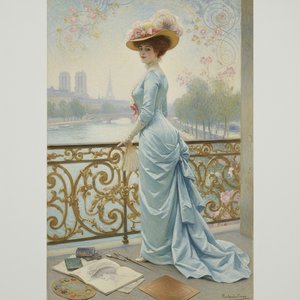
Paul César Helleu: Capturing Belle Époque Elegance & Artistic Innovation
Explore the captivating world of Paul César Helleu, master portraitist of the Belle Époque. Discover his innovative techniques, iconic works like 'Portrait of Margaret Kelly,' and investment potential with OriginalUniqueArt.

Paul Cézanne: As 25 Obras-Primas que Definiram um Gênio da Arte Moderna | OriginalUniqueArt
Descubra as 25 obras-primas de Paul Cézanne, o mestre do pós-impressionismo! Explore a história, técnica e cores vibrantes por trás de quadros icônicos como 'Les Baigneurs' e 'Mont Sainte-Victoire'. Encontre reproduções de arte exclusivas para decorar sua casa com elegância em OriginalUniqueArt.com.

Etching: A Historical Survey of Technique, Aesthetic Qualities & Enduring Artistic Significance
Explore the rich history of etching, from its origins to Rembrandt's masterful innovations. Discover the technique, aesthetic qualities & enduring legacy of this captivating art form. Expert insights for collectors and enthusiasts.
Paul Klee: As 25 Obras-Primas que Definem um Mestre da Arte Moderna | OriginalUniqueArt
Descubra as 25 obras-primas de Paul Klee, um mestre da arte moderna! Explore a história, cores e significado por trás de seus quadros icônicos. Encontre reproduções de alta qualidade para decorar sua casa com estilo em OriginalUniqueArt.com.