
 Visualizar em escala
 Enviar
 Compartilhar
 Ver detalhes
 Guia de Obras do Aluno

 Baixar imagem
 Semelhantes
 Raio X
 Apresentação de slides
 Estatísticas
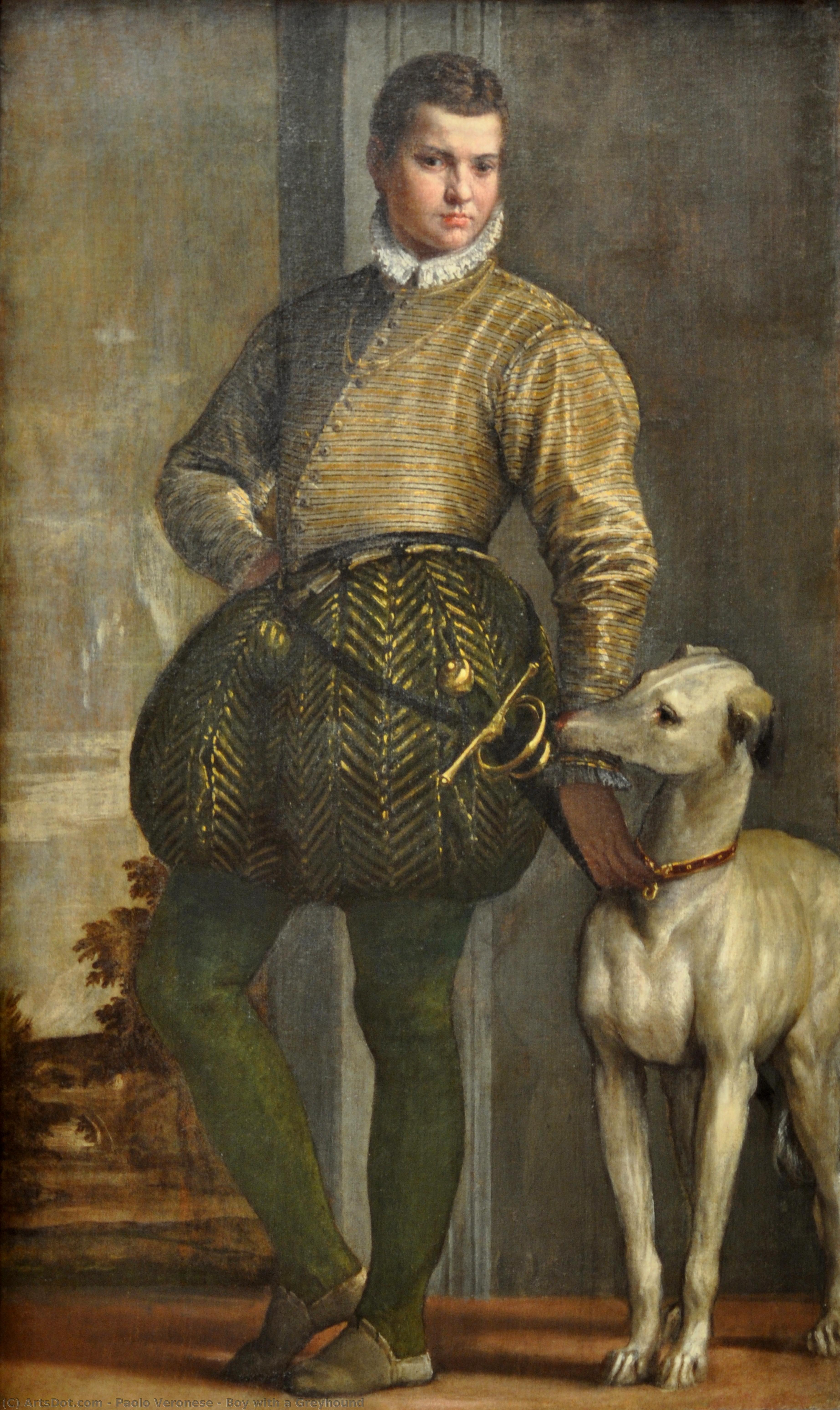
Boy with a Greyhound
 Acrylic On Canvas
- WallArt
- Late Renaissance Mannerism
 1570
1570 174.0 x 102.0 cm
 Museu Metropolitano de Arte
 Ver mais
Reprodução em Óleo Feita à Mão
Óleo sobre tela pintado à mão no tamanho e moldura de sua escolha, feito sob encomenda pelos nossos artistas. ( Alternar para Impressão Ver Imagem Digital)




P118B €10

P118H €10

P118W €10

P438Z €10

P508JH €12

P508YH €12

P805H €10

P805Z €10

P919BZ €10

P919G €10

P919XJ €10

P959ZH €10

P968JZ €12

W106C €8

W218G €10

W218JH €8

W218Y €10

W307PJ €10

W316G €10

W316PJ €8

W316Y €10

W398PJ €8

W4111J €10

W500HY €15

W500JH €15

W692G €12

W849H €8

W940BG €15

W953PJ €8




Escolha entre os nossos tamanhos pré-definidos que respeitam as proporções originais da obra de arte.

Pode inserir as suas próprias dimensões para se adequar a uma moldura ou espaço específico. Se o tamanho selecionado não corresponder às proporções da imagem original, iremos cortar a obra de arte ou estender a pintura com elementos adicionais pintados à mão. Um esboço digital será enviado para sua aprovação antes do início da produção.
Tenha em atenção que a pré-visualização no ecrã não reflete o corte ou extensão real. Apenas o esboço mostrará com precisão a composição final.
Embora tamanhos personalizados estejam disponíveis, recomendamos selecionar uma dimensão da lista predefinida para preservar as proporções originais.
Após o pedido, a equipa OriginalUniqueArt.com enviará um e-mail ao cliente para solicitar instruções e fornecer uma prévia do esboço.
Entrega mundial () em 3 a 4 semanas, em vez das 5 semanas padrão. (10 Outubro). Sem comprometer a qualidade.

Envio expresso gratuito para todo o mundo

Tela de Linho Premium

Seguro de transporte total

Garantia de Reembolso de Impostos Alfandegários

Garantia de Fidelidade de Cor

Política de Devolução em 100 Dias (Apenas para Defeitos)

Garantia de reembolso de 100%

Desconto para múltiplas unidades
 A opção de vidro está disponível apenas para tamanhos inferiores a 110 cm

Boy with a Greyhound
Técnica de Reprodução
Dimensões da Reprodução
-


Preço Total
€ 259
The Enigmatic Youth: Paolo Veronese’s ‘Boy with a Greyhound’
Paolo Veronese's “Boy with a Greyhound,” painted in 1570, is more than just a portrait; it’s a carefully constructed tableau of Renaissance ideals and subtle social commentary. This captivating work, measuring 174 x 102 cm, offers a glimpse into the opulent world of Venetian society and reveals Veronese's masterful command of color, composition, and detail. The painting immediately draws the eye to the young man, dressed in a vibrant yellow garment – a hue associated with royalty and wealth during this period – suggesting a noble lineage or elevated status. His posture is one of quiet confidence, his hand resting casually on his hip while holding the leash of a magnificent greyhound, an animal prized for its speed, loyalty, and association with nobility.
The background, rendered in a deliberately soft and blurred manner, hints at a setting – perhaps a courtyard or garden – but doesn’t distract from the central figures. This technique, common in Venetian painting of the era, reflects a shift away from the precise realism favored by earlier masters and emphasizes the importance of the subjects themselves. The greyhound's attentive gaze upward towards the boy speaks volumes about their bond; it’s a connection built on mutual respect and affection, subtly conveyed through their interaction.
A Venetian Visionary: Paolo Veronese and His Artistic World
Paolo Caliari, known as Paolo Veronese, was a pivotal figure in the vibrant artistic scene of 16th-century Venice. Born in Verona in 1528, his early training instilled him with foundational techniques, but it was his move to Venice that unleashed his extraordinary talent. The city’s wealth, its grand architecture, and its bustling markets provided an endless source of inspiration for Veronese. He absorbed the influence of masters like Titian, particularly his mastery of color, yet he developed a distinct style characterized by lavish detail, dramatic scale, and a celebration of human beauty – often imbued with a subtle air of theatricality.
Veronese’s work frequently depicted scenes from biblical narratives, mythological tales, and grand celebrations. He was renowned for his ability to create immersive environments filled with intricate details, luxurious fabrics, and an abundance of figures. His paintings were commissioned by wealthy families and religious institutions, serving as both decorative elements and statements of social status. “Boy with a Greyhound” exemplifies this approach – it’s not merely a portrait but a carefully orchestrated scene designed to evoke admiration and convey a sense of refined taste.
Symbolism and Context: Decoding the Details
The inclusion of the greyhound itself is laden with symbolism. In Renaissance Venice, dogs were associated with nobility, loyalty, and even hunting prowess – qualities highly valued by the wealthy elite. The boy’s attire, particularly the yellow garment, further reinforces this connection to privilege. The blurred background suggests a world beyond immediate perception, inviting contemplation on the social dynamics at play.
Considering the date of 1570, “Boy with a Greyhound” offers a window into the values and aesthetics of the late Renaissance. It reflects a fascination with classical ideals of beauty, a celebration of wealth and status, and an interest in portraying human figures in idealized forms. The painting’s composition—the balanced arrangement of figures, the rich colors, and the subtle gestures—demonstrates Veronese's mastery of visual language and his ability to capture the essence of his subject.
A Timeless Masterpiece: Reproduction and Appreciation
OriginalUniqueArt.com is proud to offer meticulously crafted hand-painted reproductions of Paolo Veronese’s “Boy with a Greyhound.” Each reproduction captures the original's vibrant colors, intricate details, and atmospheric depth, allowing you to bring this iconic Renaissance masterpiece into your home or office. Whether you are an art enthusiast, a collector, or simply seeking a stunning piece of decorative art, our reproductions provide an authentic and affordable way to experience the enduring beauty of Veronese’s vision. Explore the full detail and artistry of this captivating portrait – a testament to the genius of a Venetian master.
Perguntas e Respostas
Sobre o que trata "Boy with a Greyhound"?
"Boy with a Greyhound" de Paolo Veronese retrata: venetian painting, greyhound, renaissance, costume, royalty, dog, veronese, feast.
Quão saturada é a paleta de "Boy with a Greyhound"?
"Boy with a Greyhound" de Paolo Veronese é registrado com uma saturação de Subtle Color.
Com que idade Paolo Veronese criou "Boy with a Greyhound"?
Quando "Boy with a Greyhound" foi criada em 1570, Paolo Veronese — nascido(a) em 1528 — tinha 42 anos.
Em que ambiente sugere-se exibir "Boy with a Greyhound", considerando a sua paleta de cores?
Considerando as suas cores Earthy, "Boy with a Greyhound" é sugerida para um(a) Living Room.
Em que ano foi criado "Boy with a Greyhound" de Paolo Veronese?
"Boy with a Greyhound" data de 1570. A data situa a obra na carreira de Paolo Veronese e em sua época.
A qual artista "Boy with a Greyhound" é atribuída?
O artista por trás de "Boy with a Greyhound" é Paolo Veronese. A obra está catalogada sob o nome de Paolo Veronese.
Qual é a identidade cromática de "Boy with a Greyhound" de Paolo Veronese?
A identidade cromática de "Boy with a Greyhound" de Paolo Veronese: uma paleta Earthy, dominada por Driftwood (#847551).
Biografia do Artista
A Venetian Visionary: The Life and Art of Paolo Veronese
Paolo Caliari, conhecido mundialmente como Paolo Veronese, emergiu do vibrante cenário artístico da Veneza do século XVI como mestre em cor, composição e espetáculo opulento. Nascido em Verona em 1528, filho de um pedreiro, sua vida inicial foi imersa na riqueza visual de seu entorno – a arquitetura clássica, as formas esculpidas e os ideais humanistas emergentes que caracterizavam a região. Seu treinamento inicial com Antonio Badile e Giovanni Francesco Caroto lançou uma base em técnicas tradicionais, mas foi sua mudança para Veneza nos anos 50 que realmente acendeu seu gênio artístico. A própria cidade se tornou sua musa, seus mercados movimentados, palácios imponentes e canais cintilantes influenciando a escala e o drama de seu trabalho. Rapidamente absorveu as influências de mestres venezianos estabelecidos como Titian, cujo domínio da cor impactou profundamente a paleta de Veronese, mas forjou um estilo distinto caracterizado por uma sensação incomparável de teatralidade e grandiosidade.O Pintor das Festas e Narrativas Grandiosas
A reputação de Veronese repousa em suas monumentais pinturas, particularmente aquelas que retratam banquetes luxuosos e cenas bíblicas transformadas em displays deslumbrantes da vida veneziana. *A Barmácia de Cana*, concluída em 1563 para o mosteiro beneditino de San Giorgio Maggiore, é um testemunho de sua habilidade. Essa tela colossal não é meramente uma ilustração do milagre; é um panorama vibrante da sociedade do século XVI, repleto de figuras elegantemente vestidas, músicos e detalhes arquitetônicos renderizados com precisão impressionante. A pintura não é apenas sobre o que aconteceu em Cana, mas *como* teria acontecido se tivesse ocorrido em Veneza durante o tempo de Veronese. Da mesma forma, *O Banquete na Casa de Levi*, originalmente intitulado *A Última Ceia*, causou controvérsia com a Inquisição devido à inclusão de figuras contemporâneas e a uma atmosfera aparentemente irreverente. Veronese defendeu seu licenciamento artístico, afirmando que os pintores tinham o mesmo direito à liberdade criativa dos poetas e trovadores – uma declaração ousada que refletia sua crença no poder da arte para interpretar e reimaginar narrativas sagradas. Essas obras não eram simplesmente representações religiosas; eram celebrações da vida, riqueza e do esplendor de Veneza em si. Ele não estava interessado em espiritualidade austera, mas sim em capturar a alegria e a abundância da existência.Influências e Desenvolvimento Artístico
Embora a influência de Titian sobre a paleta de Veronese seja inegável, seu desenvolvimento artístico foi um complexo jogo de influências diversas. A precisão arquitetônica que ele trouxe para suas composições deve muito à tradição clássica prevalecente em Verona durante seus anos formativos, particularmente o trabalho de arquitetos como Michele Sanmicheli. Ele também absorveu elementos de mestres italianos centrais como Rafael e Parmigianino, evidentes nas linhas elegantes e na harmonia das disposições dentro de suas pinturas. No entanto, Veronese não simplesmente imitou essas influências; sintetizou-as em um estilo veneziano único caracterizado por seu uso dramático da luz, paletas de cores vibrantes e atenção meticulosa aos detalhes. Ele se destacou na criação de ilusões de espaço e profundidade, empregando técnicas de perspectiva para atrair os espectadores para o coração de suas elaboradas cenas. **Sua maestria em pintura a óleo permitiu que ele alcançasse uma luminosidade e riqueza de textura incomparáveis.** Ele também dirigiu um grande ateliê, com contribuições de seu irmão Benedetto e filhos Gabriele e Carlo, garantindo que seu estilo continuasse a prosperar mesmo após sua morte em 1588.Principais Conquistas e Legado Histórico
O legado de Paolo Veronese se estende muito além do reino da arte renascentista. Sua obra ressoou através dos séculos, inspirando artistas em diversas disciplinas. Seus composições dramáticas e paletas de cores vibrantes têm sido citadas como influências desde a pintura barroca até o cinema moderno – até mesmo encontrando ecos na estética visual dos westerns italianos. Ele fazia parte do “grande trio” de pintores venezianos—ao lado de Titian e Tintoretto—cada um contribuindo de forma única para o legado artístico da cidade, mas Veronese frequentemente se destaca por sua exuberância pura e celebração dos prazeres terrenos. Suas pinturas continuam a cativar o público com sua grandiosidade e espetáculo, oferecendo um vislumbre do mundo opulento do século XVI em Veneza.- Ele redefiniu a pintura histórica ao imbui-la com vida contemporânea.
- Sua paleta de cores permanece influente para artistas hoje.
- Sua obra encarna o espírito do humanismo renascentista e da celebração da beleza terrena.

Paolo Veronese
1528 - 1588 , Itália
Informações Rápidas
- Artistic Movement Or Style: Renascimento, Maneirismo
- Artists Or Movements Influenced By This Artist: ['Rubens']
- Artists Who Influenced This Artist: ['Titian']
- Date Of Birth: 1528
- Date Of Death: 1588
- Full Name: Paolo Caliari Veronese
- Nationality: Italiano
- Notable Artworks:
- Cana
- Casa Levi
- Place Of Birth: Verona, Itália
Artigos Relacionados

The Art of Innocence: Capturing Childhood Wonder through Timeless Portraits of Boys
Capture the fleeting magic of boyhood with breathtaking art. Explore Impressionist-inspired portraits and transform your favorite photos into hand-painted oil masterpieces. At OriginalUniqueArt.com, we bring childhood wonder to life with museum-quality craftsmanship for your home.

Giovanni Paolo Panini: Capturing Roman Grandeur – A Vedute Master's Legacy
Explore the captivating world of Giovanni Paolo Panini, master of Roman vedute painting. Discover his technique, iconic works, influence on art history & collecting advice from experts at OriginalUniqueArt.

Timeless Canines: A Scholarly Exploration of the World's Most Iconic Dog Portraits in Art History
Explore the profound history of the world's most iconic dog portraits. From ancient symbols to 19th-century masters, journey through canine art history with expert insights and discover museum-quality, hand-painted oil reproductions and bespoke pet commissions.
Paolo Veronese: A Renaissance Master of Color, Composition, and Venetian Splendor
Explore the vibrant world of Paolo Veronese, a Renaissance master renowned for his opulent compositions, masterful use of color, and dramatic Venetian scenes. Discover key artworks & legacy.
Paolo Uccello: Pioneering Perspective & the Renaissance Pursuit of Visual Truth
Explore the revolutionary art of Paolo Uccello, a Florentine Renaissance master who pioneered perspective. Discover his iconic paintings like 'St. George & The Dragon' and learn about his lasting influence on art history.


