Text size

() ·

A painting made for you, by hand

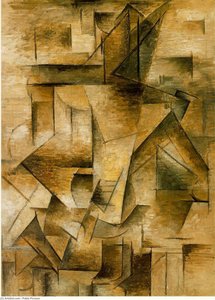
Still life with Gobleet

Reprodução em Óleo Feita à Mão

Óleo sobre tela pintado à mão no tamanho e moldura de sua escolha, feito sob encomenda pelos nossos artistas. ( Alternar para Impressão Alternar para Imagem Digital)

Descrição do Item

Biografia do Artista

Pablo Picasso (1881-1973) foi um revolucionário pintor e escultor espanhol, cofundador do Cubismo e mestre de diversos estilos. Conhecido por obras icônicas como Guernica, seu legado continua a inspirar o mundo.

from ·

Chapter 1

How large should it be?

Slide to change the size; the picture on the left shows the frame at its real width. The proportions of the original are kept.

Tamanho padrão
personalizado
CM
INCH

Escolha entre os nossos tamanhos pré-definidos que respeitam as proporções originais da obra de arte.

largura
altura

Insira a largura e a altura desejadas para se ajustarem à sua moldura ou parede. Como esta obra é pintada à mão, para um tamanho com proporções diferentes, o artista poderá pintar um pouco mais ao redor da imagem ou reduzir ligeiramente a composição — você escolhe. Enviamos uma maquete digital para sua aprovação antes de iniciar a pintura. A imagem exibida nesta página não representa o resultado real — apenas a maquete mostra o resultado final.

Chapter 2

How should it arrive?

Choose the edges of the stretched canvas

Choose your frame

Corner sample of the WhiteWrap canvas edge finish, stretched on madeira maciça bars
White €1
Corner sample of the BlurSideWrap canvas edge finish, stretched on madeira maciça bars
Blurside €1
Corner sample of the ExtendedWrap canvas edge finish, stretched on madeira maciça bars
Extended €1
Corner sample of the P118B picture frame: poliestireno moldado, 5 cm wide and 3 cm thick
P118B €10
Corner sample of the P118H picture frame: poliestireno moldado, 5 cm wide and 3 cm thick
P118H €10
Corner sample of the P118W picture frame: poliestireno moldado, 5 cm wide and 3 cm thick
P118W €10
Corner sample of the P438Z picture frame: poliestireno moldado, 5.5 cm wide and 3.5 cm thick
P438Z €10
Corner sample of the P508JH picture frame: poliestireno moldado, 7 cm wide and 3.5 cm thick
P508JH €12
Corner sample of the P508YH picture frame: poliestireno moldado, 7 cm wide and 3.5 cm thick
P508YH €12
Corner sample of the P805H picture frame: poliestireno moldado, 5 cm wide and 3.5 cm thick
P805H €10
Corner sample of the P805Z picture frame: poliestireno moldado, 5 cm wide and 3.5 cm thick
P805Z €10
Corner sample of the P919BZ picture frame: poliestireno moldado, 7 cm wide and 3.5 cm thick
P919BZ €10
Corner sample of the P919G picture frame: poliestireno moldado, 7 cm wide and 3.5 cm thick
P919G €10
Corner sample of the P919XJ picture frame: poliestireno moldado, 7 cm wide and 3.5 cm thick
P919XJ €10
Corner sample of the P959ZH picture frame: poliestireno moldado, 5 cm wide and 3 cm thick
P959ZH €10
Corner sample of the P968JZ picture frame: poliestireno moldado, 6 cm wide and 4 cm thick
P968JZ €12
Corner sample of the W106C picture frame: madeira maciça, 5 cm wide and 3 cm thick
W106C €8
Corner sample of the W218G picture frame: madeira maciça, 5 cm wide and 3 cm thick
W218G €10
Corner sample of the W218JH picture frame: madeira maciça, 5 cm wide and 3 cm thick
W218JH €8
Corner sample of the W218Y picture frame: madeira maciça, 5 cm wide and 3 cm thick
W218Y €10
Corner sample of the W307PJ picture frame: madeira maciça, 6 cm wide and 3 cm thick
W307PJ €10
Corner sample of the W316G picture frame: madeira maciça, 6 cm wide and 3 cm thick
W316G €10
Corner sample of the W316PJ picture frame: madeira maciça, 6 cm wide and 3 cm thick
W316PJ €8
Corner sample of the W316Y picture frame: madeira maciça, 6 cm wide and 3 cm thick
W316Y €10
Corner sample of the W398PJ picture frame: madeira maciça, 5 cm wide and 3 cm thick
W398PJ €8
Corner sample of the W4111J picture frame: madeira maciça, 6.5 cm wide and 3.5 cm thick
W4111J €10
Corner sample of the W500HY picture frame: madeira maciça, 7 cm wide and 5 cm thick
W500HY €15
Corner sample of the W500JH picture frame: madeira maciça, 7 cm wide and 5 cm thick
W500JH €15
Corner sample of the W692G picture frame: madeira maciça, 8 cm wide and 4 cm thick
W692G €12
Corner sample of the W849H picture frame: madeira maciça, 5 cm wide and 3 cm thick
W849H €8
Corner sample of the W940BG picture frame: madeira maciça, 7.5 cm wide and 4.5 cm thick
W940BG €15
Corner sample of the W953PJ picture frame: madeira maciça, 6 cm wide and 3.5 cm thick
W953PJ €8
Corner sample of the H24-GOLD picture frame: madeira entalhada com gesso, 10 cm wide and 6 cm thick
H24-GOLD €30
Corner sample of the H24-SILVER picture frame: madeira entalhada com gesso, 10 cm wide and 6 cm thick
H24-SILVER €30
Corner sample of the H36-GOLD picture frame: madeira entalhada com gesso, 15 cm wide and 6.5 cm thick
H36-GOLD €45
Corner sample of the H36-SILVER picture frame: madeira entalhada com gesso, 15 cm wide and 6.5 cm thick
H36-SILVER €45
Prévia da moldura
Com moldura

Moulding: . Overall size with the frame: .

Chapter 3

Who paints it, and should anything change?

Examples of what can be changed: Replace face with customer photo; Add pet (e.g., replace cat with dog); Include hidden message in background; Change background landscape or elements.
After order, OriginalUniqueArt.com team will email client for instructions and provide a mockup preview

Entrega mundial () em 3 a 4 semanas, em vez das 5 semanas padrão. (1 Novembro). Sem comprometer a qualidade.

Chapter 4

The finishing touches

A nameplate, as in a museum?

Detalhes da Placa de Bronze Gravada

This elegant plaque features the artist's name and the title of the artwork, finely engraved for a timeless presentation.

It is made from bronze with a refined, elegant finish. The text is precisely laser-engraved for a sharp and permanent result. Measuring 9x2 cm, the plaque is compact yet easy to read. It's built to be durable and scratch-resistant, offering a professional, museum-quality look. Mounting is simple thanks to the included adhesive backing.

Detalhes da Placa de Acrílico Transparente

The plaque includes essential engraved details such as the artist's name, the title of the artwork, the date it was created, the type of media used-like oil on canvas or watercolor-a brief description of the piece, and a QR code that links to the complete artwork information.

It is crafted from clear acrylic, offering a sleek, modern appearance. The text is UV-engraved in black to ensure strong visual contrast. With a size of 10x15 cm, it ensures optimal readability. It comes equipped with two metal hooks for secure wall mounting. The plaque is designed to be weather-resistant, making it suitable for various environments, and it includes interactive features that work seamlessly with smartphone scanning.

Detalhes da Placa de Acrílico Preto

This elegant plaque includes engraved information such as the artist's name, the title of the artwork, the date it was created, the type of media used (like oil on canvas or watercolor), a short description of the artwork, and a QR code for quick access to more information.

The plaque itself is made from refined black acrylic with a premium finish. The text is laser-engraved in white for high contrast and readability. Its size is 10x15 cm, designed to be easy to read. It comes with two metal hooks for professional mounting. The design is sleek and fits any interior style. It is also weather-resistant and durable, with built-in digital integration for mobile compatibility.

A protective varnish?

When do you need it?

Chapter 5

Your painting, as you ordered it

Still life with Gobleet

Técnica de Reprodução

Tamanho da Reprodução

-

Artista Sênior de Elite

Mais detalhes, refinamento e tempo de produção adicional

-

Moldura para Reprodução

-

-

Para obras de arte ou reproduções com mais de 105 cm (aproximadamente 41 polegadas) em qualquer um dos lados, a moldura será enviada como um kit desmontado. Este método garante uma entrega segura e evita danos durante o transporte.

Montagem profissional necessária — este não é um produto DIY (faça você mesmo).
O kit deve ser montado e a tela esticada por um profissional de molduraria experiente, utilizando cola de madeira (não inclusa), um alicate de esticar tela e grampos para manter as travessas alinhadas enquanto a cola seca. A montagem incorreta ou a tensão desigual da tela podem danificar permanentemente a obra de arte e não estão cobertas pela nossa garantia.

  • Todas as barras de madeira maciça estão incluídas, precisamente cortadas ao tamanho certo.

  • Montado com os parafusos fornecidos, além de cola para madeira para as junções dos cantos, que não está inclusa e deve ser providenciada pelo seu moldurista.

  • São necessárias ferramentas profissionais não incluídas: um alicate de estiramento de tela (esticador) e grampos para manter as ripas alinhadas enquanto a cola seca.

Importante:
As junções dos cantos requerem cola para madeira, as ripas devem ser mantidas com grampos até que a cola esteja completamente seca, e o estiramento da tela na moldura montada requer um alicate de esticar tela. Nenhum destes itens está incluído no kit. Por favor, certifique-se de contar com um profissional de molduraria experiente antes de encomendar este tamanho.

Etiqueta de identificação

-

-

Verniz de Proteção

Verniz brilhante (realça as cores e protege contra a luz e a umidade)

-

Personalizar minha obra

Exemplos de alterações possíveis: Substituir o rosto por uma foto do cliente; Adicionar um animal de estimação (ex.: substituir gato por cachorro); Incluir uma mensagem oculta no fundo; Alterar a paisagem ou os elementos do fundo.

-

Urgente

Entrega mundial () em 3 a 4 semanas, em vez das 5 semanas padrão. (1 Novembro). Sem comprometer a qualidade.

-

Envio Expresso

Entrega mundial para em 5 semanas. (8 Novembro).

Com envio incluído

Preço Total

€ 267

Preço Total € 267

A opção de vidro está disponível apenas para tamanhos inferiores a 110 cm

Included with every order

  • Envio expresso gratuito para todo o mundo
  • Tela de Linho de Alta Qualidade
  • Seguro de transporte completo
  • Garantia de Reembolso de Impostos Alfandegários
  • Garantia de Fidelidade Cromática
  • Política de Devolução em 100 Dias (Apenas para Defeitos)
  • Garantia de reembolso de 100%
  • Oferta de desconto por quantidade

A Moment of Quietude: Picasso’s “Still Life with Gobleet” – A Window into 1914

Pablo Picasso's "Still Life with Gobleet," painted in 1914, is more than a simple arrangement of objects; it’s a distilled essence of the artist’s evolving sensibilities at a pivotal moment in his career. Measuring just 22 x 16 centimeters, this intimate work offers a surprisingly complex glimpse into the mind of a revolutionary artist grappling with form, perspective, and the burgeoning anxieties of a world on the cusp of immense change. The painting depicts a commonplace scene – a wine glass and a cup resting upon a table – yet Picasso transforms the familiar into something profoundly evocative through his masterful manipulation of space and color.

The immediate impression is one of quiet contemplation. The placement of the wine glass, angled slightly to the left, and the cup positioned towards the right creates a subtle dynamism within the composition, preventing it from feeling static. Noticeably, Picasso employs a fractured perspective, characteristic of his early Cubist explorations, though here it’s less overtly geometric than in some of his later works. The table itself seems to recede into an ambiguous space, blurring the boundaries between foreground and background. This deliberate distortion invites the viewer to actively participate in constructing the image, questioning what is truly ‘real’ within the painting.

The Figure in Shadow – A Reflection of Personal Turmoil

A crucial element often overlooked is the presence of a figure lying down in the background. While partially obscured by shadow, this reclining form suggests a state of repose, perhaps even sleep or rest. Given Picasso’s personal life at the time—marked by the loss of his sister and the instability of his relationships—this figure can be interpreted as a symbolic representation of vulnerability and melancholy. It's a poignant detail that adds layers of emotional depth to an otherwise seemingly simple still life, hinting at the artist’s own internal struggles.

The books scattered across the table further enrich this reading. They aren’t merely decorative; they represent knowledge, contemplation, and perhaps even a yearning for escape. Their placement—one on the left, the other closer to the center—creates a visual rhythm that complements the arrangement of the glasses and cups. The choice of these objects speaks volumes about Picasso's intellectual curiosity and his engagement with the world beyond the immediate scene.

Color and Technique: A Palette of Restraint

The color palette employed in “Still Life with Gobleet” is remarkably restrained, dominated by muted browns, ochres, and greys. This deliberate choice contributes to the painting’s overall atmosphere of tranquility and introspection. Picasso utilizes a broken brushstroke technique, applying paint in short, irregular strokes that create a sense of texture and movement. The subtle variations in tone suggest light and shadow, adding depth and volume to the objects within the scene. The use of *grisaille*, or monochrome painting, is particularly evident in the rendering of the table and background, emphasizing form over color.

A Timeless Moment – Reproduction for Today

Painted in 1914, a year marked by escalating tensions leading up to World War I, “Still Life with Gobleet” offers a rare glimpse into Picasso’s artistic process during a period of profound social and political upheaval. It's a work that transcends its simple subject matter, revealing the artist’s innovative approach to perspective, his exploration of human emotion, and his masterful command of color and technique. OriginalUniqueArt is proud to offer high-quality reproductions of this captivating piece, allowing you to bring this intimate moment of quietude into your home or office – a testament to Picasso's enduring legacy and the power of art to resonate across generations.

Perguntas e Respostas

Qual é a recomendação de impressão para "Still life with Gobleet" — qual tamanho e qual orientação?

Para "Still life with Gobleet", o formato de impressão recomendado é o tamanho Medium com orientação Portrait.

O que "Still life with Gobleet" compartilha com o restante da obra de Pablo Picasso?

"Still life with Gobleet" integra a produção Cubist Still Life de Pablo Picasso, cujos temas recorrentes incluem analytical cubism, fragmented forms, melancholy, loss, family tragedy, modernity, experimentation, innovation.

Qual é a luminância de "Still life with Gobleet", de Pablo Picasso?

A luminância registrada para "Still life with Gobleet", de Pablo Picasso é Gentle Luminance.

More about this painting

Visualizar na parede Visualizar em RA Alternar para Impressão Alternar para Imagem Digital Compartilhar
Detalhes Guia Adicionar aos favoritos Baixar imagem Semelhantes Raio X Ver diaporama Q&A Estatísticas

In numbers

  • 1914the year it was painted
  • 29frames to choose from
  • standard sizes, in its own proportions
  • 5weeks to paint and deliver it

About the original

Dimensões
22.0 x 16.0 cm
Pablo Picasso

Pablo Picasso

1881 - 1973, Espanha

Quick facts about Pablo Picasso

  • Artistas Que O Influenciaram:
    • Velázquez
    • Goya
    • Matisse
  • Artistas/Movimentos Influenciados:
    • Cubismo
    • Arte Moderna
  • Data Da Morte: 8 de abril de 1973
  • Data De Nascimento: 25 de outubro de 1881
  • Local De Nascimento: Málaga, Espanha
  • Movimento Artístico: Cubismo, Surrealismo
  • Nacionalidade: Espanhol
  • Nome Completo: Pablo Diego Ruiz Picasso
  • Obras Notáveis:
    • Les Demoiselles d'Avignon
    • Guernica
    • A Velha Guitarrista

Biografia do Artista

O Legado Imortal de Pablo Picasso

Pablo Ruiz y Picasso, um nome que se tornou sinônimo de revolução artística, nasceu em Málaga, Espanha, em 25 de outubro de 1881. Sua própria existência parecia destinada à expressão criativa; conta a lenda que suas primeiras palavras foram “piz, piz”, uma tentativa infantil de dizer ‘lápis’. Essa inclinação precoce foi cultivada por seu pai, José Ruiz y Blasco, um pintor e professor de arte que proporcionou ao jovem Pablo o treinamento fundamental. No entanto, o aluno rapidamente superou o mestre, demonstrando uma aptidão notável para a representação naturalista que prenunciava o talento prodigioso que estava por vir. As subsequentes mudanças da família – primeiro para A Coruña, depois Barcelona – foram marcadas por tragédies pessoais, notadamente a perda da irmã de Picasso, experiências que infundiriam sutilmente seu trabalho posterior com temas de melancolia e mortalidade. Mesmo durante os estudos formais na Escola de Belas Artes em Barcelona e uma breve passagem pela Real Academia de San Fernando em Madrid, Picasso rebelou-se contra as rígidas restrições acadêmicas, preferindo mergulhar nas obras de mestres como Velázquez e Goya, forjando seu próprio caminho rumo à inovação artística.

Do Azul Melancólico aos Tons Rosados

Os primeiros anos do século XX testemunharam o surgimento de dois períodos distintos na obra de Picasso: o Período Azul (aproximadamente 1901-1904) e o Período Rosa (1904-1906). O Período Azul, nascido das dificuldades pessoais e de uma aguda consciência do sofrimento social, é caracterizado por pinturas imersas em tons sombrios de azul e azul-esverdeado. Estas obras são povoadas por figuras marginalizadas – mendigos, cegos, prostitutas – retratadas com uma empatia assombrosa que evoca temas de isolamento e desespero. La Vie (1903) e O Velho Guitarrista (1903-1904) erguem-se como exemplos pungentes desta fase emocionalmente carregada. Uma mudança na vida pessoal de Picasso, aliada à sua mudança para Paris, anunciou a chegada do Período Rosa. A paleta aqueceu consideravelmente, abraçando rosas, laranjas e vermelhos, refletindo uma perspectiva mais otimestica. Este período viu uma fascinação por artistas de circo – arlequins, acrobatas e trupes familiares – figuras que personificavam tanto a fragilidade quanto a resiliência. Família de Saltimbancos (1905) encapsula belamente esta transição, sugerindo as explorações estilísticas que viriam a seguir.

A Fragmentação da Perspectiva: O Cubismo e Além

O ano de 1907 marcou um momento crucial na história da arte com a criação de Les Demoiselles d'Avignon. Influenciada pela escultura ibérica e pelas máscaras africanas, esta pintura revolucionária despedaçou as noções tradicionais de perspectiva e representação. Foi uma ruptura radical, uma rejeição deliberada de convenções centenárias que pavimentaram o caminho para o Cubismo. Trabalhando em estreita colaboração com Georges Braque, Picasso cofundou este movimento revolucionário, alterando fundamentalmente a forma como os artistas percebiam e retratavam a realidade. O Cubismo Analítico (1909-1912) envolveu a fragmentação de objetos em formas geométricas, renderizadas em cores suaves, como se dissecassem a própria forma. Isso evoluiu para o Cubismo Sintético (1912-1919), que incorporou elementos de colagem – recortes de jornal, retalhos de tecido – adicionando textura e novas camadas de complexidade visual. Picasso não estava satisfeito em simplesmente representar o mundo; ele buscava desconstruí-lo e reconstruí-lo sob seus próprios termos.

Um Experimentador Inquieto: Neoclassicismo, Surrealismo e Guerra

A década de 1920 viu Picasso explorar brevemente estilos neoclássicos, criando figuras monumentais que ecoavam formas clássicas enquanto mantinham uma sensibilidade distintamente moderna. Simultaneamente, ele envolveu-se com o crescente movimento surrealista, embora nunca tenha se alinhado totalmente aos seus princípios. Seu trabalho durante este período misturou influências estilísticas anteriores com imagens surreais e perspectivas distorcidas, demonstrando sua experimentação implacável. Os horroques da Guerra Civil Espanhola impactaram profundamente Picasso, culminando na criação de Guernica (1937), uma resposta visceral e emocionalmente devastadora ao bombardeio de Guernica. Esta obra monumental tornou-se um símbolo duradouro das atrocidades da guerra, consolidando o papel de Picasso não apenas como artista, mas também como uma voz poderosa pela paz e justiça social. Ao longo das décadas de 1950 e 60, ele continuou a desafiar limites, explorando cerâmica, escultura e gravura com curiosidade e habilidade inabaláveis. Seu casamento com Jacqueline Roque em 1961 trouxe uma nova dimensão à sua vida pessoal e expressão artística.

Um Impacto Incalculável

Pablo Picasso faleceu em 8 de abril de 1973, em Mougins, França, deixando para trás um corpo de trabalho astonishing – estimado em mais de 50.000 peças – que continua a cativar e inspirar. Seu desenvolvimento artístico foi moldado por uma gama diversificada de influências, desde mestres espanhóis como Velázquez e Goya até a escultura ibérica, a arte africana e as paletas de cores vibrantes de Henri Matisse. Seu impacto na arte do século XX é imensurável. Ele cofundou o Cubismo, foi pioneiro na colagem e na escultura construída, e desafiou consistentemente as convenções artísticas. A experimentação incessante de Picasso redefiniu a arte moderna, deixando uma marca indelével em gerações de artistas e consolidando sua posição como uma das figuras mais importantes e influentes da história. Seu legado estende-se para além da tela, ressoando em inúmeros aspectos da cultura contemporânea e lembrando-nos do poder transformador da visão artística.

Informações Rápidas

  • Notable elements: Wine glass, cup, books
  • Title: Still life with Gobleet
  • Movement: Cubism
  • Dimensions: 22 x 16 cm
  • Subject or theme: Still life, tranquility

Quiz de Arte

Cada pergunta possui apenas uma resposta correta.

Pergunta 1:
What is the primary subject matter of this still life?
Pergunta 2:
The painting was created in which year?
Pergunta 3:
Based on the description, what mood does the painting evoke?
Pergunta 4:
Which of the following best describes Pablo Picasso's artistic style during this period?
Pergunta 5:
The presence of a figure lying down in the background suggests what about Picasso's artistic intentions?