Visualizar em escala
 Enviar
 Compartilhar
 Ver detalhes
 Guia de Obras do Aluno

 Baixar imagem
 Semelhantes
 Raio X
 Apresentação de slides
 Estatísticas
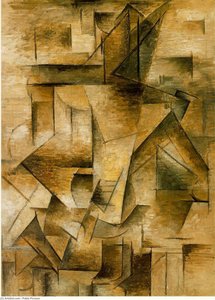
Guitarrista


 Ver mais
A obra de arte exibida nesta página é protegida por leis de direitos autorais, o que significa que não podemos criar ou vender legalmente uma reprodução idêntica. Esta proteção é aplicada por meio de acordos internacionais, tais como a Convenção de Berna e pelas leis nacionais, incluindo as estabelecidas por Lei de Direitos Autorais dos EUA - Título 17.
Este método cumpre plenamente as regulamentações de direitos autorais, pois não envolve a cópia ou duplicação da obra protegida. Em vez disso, trata-se de uma reinterpretação criativa — uma nova pintura que é influenciada pela original, mas não idêntica a ela.
Giclée / Impressão de Arte
Impressão giclée ou em tela de qualidade de museu, com produção rápida e opções flexíveis de acabamento. ( Encomendar reprodução pintada à mão Ver Imagem Digital)




P118B €10

P118H €10

P118W €10

P438Z €10

P508JH €12

P508YH €12

P805H €10

P805Z €10

P919BZ €10

P919G €10

P919XJ €10

P959ZH €10

P968JZ €12

W106C €8

W218G €10

W218JH €8

W218Y €10

W307PJ €10

W316G €10

W316PJ €8

W316Y €10

W398PJ €8

W4111J €10

W500HY €15

W500JH €15

W692G €12

W849H €8

W940BG €15

W953PJ €8




Escolha entre os nossos tamanhos pré-definidos que respeitam as proporções originais da obra de arte.

Digite a largura e a altura de que necessita, para se ajustar à sua moldura ou à sua parede. Uma impressão só pode ser cortada, nunca ampliada além da imagem original, pelo que um tamanho com uma proporção diferente perderá parte da imagem. Enviamos-lhe uma maquete digital para aprovação antes de imprimirmos qualquer coisa. A imagem apresentada nesta página não mostra o corte real — apenas a maquete o faz.
Entrega mundial () em 2 semanas, em vez das 4/5 semanas padrão. (22 Outubro)

Envio expresso gratuito para todo o mundo

Tela de Linho Premium

Seguro de transporte total

Garantia de Reembolso de Impostos Alfandegários

Garantia de Fidelidade de Cor

Política de Devolução em 100 Dias (Apenas para Defeitos)

Garantia de reembolso de 100%

Desconto para múltiplas unidades
 A opção de vidro está disponível apenas para tamanhos inferiores a 110 cm

Guitarrista
Giclée / Impressão de Arte
Dimensões da Reprodução
-


Preço Total
€ 70
The Fragmented Melody of “Guitarrista”
Pablo Picasso’s “Guitarrista,” completed in 1903-1904, transcends mere depiction; it embodies the very essence of Cubism's revolutionary spirit. This monochrome drawing captures a musician seated on a stage, accompanied by another figure—likely a dancer—engaged in movement and interaction. The image isn’t concerned with capturing reality as we perceive it but rather presenting multiple perspectives simultaneously, mirroring Picasso’s intellectual exploration of form and space.- Style: Cubism – Characterized by fractured geometric shapes, angular lines, and flattened perspective, “Guitarrista” abandons traditional realism in favor of a conceptual representation.
- Technique: Pencil or Charcoal Drawing – Picasso employs a loose, expressive style utilizing visible strokes and shading to convey texture and dynamism. The sketchy quality underscores the artist’s intention to capture not just what is seen but also how it feels.
- Composition: Vertical Orientation – The upward gaze of the figures emphasizes height and creates a sense of grandeur, mirroring the theatrical setting.
Material Considerations
The drawing’s materiality – pencil or charcoal on paper – contributes significantly to its aesthetic qualities. The grainy texture of the medium lends a tactile dimension to the image, grounding it in the physicality of artistic creation. This deliberate choice reinforces Picasso's commitment to capturing not just visual form but also the artist’s process and emotional engagement with the subject matter.Further Exploration
To delve deeper into Picasso’s groundbreaking approach, consider examining his influence on subsequent artists and movements—particularly Surrealism and Abstract Expressionism. Also, explore “Guernica,” Picasso's monumental anti-war masterpiece, which exemplifies his unwavering dedication to conveying profound emotional truths through visual language.Perguntas e Respostas
Qual nível de contraste apresenta "Guitarrista" de Pablo Picasso?
O contraste entre claro e escuro de "Guitarrista" é registrado como Bold. O contraste descreve a intensidade da diferença entre as áreas claras e escuras.
Onde se recomenda exibir o formato Portrait de "Guitarrista"?
Com o seu formato Portrait, uma reprodução de "Guitarrista" é sugerida para um(a) Living Room.
O que explica a situação dos direitos autorais de "Guitarrista" de Pablo Picasso?
"Guitarrista" de Pablo Picasso está em ainda protegido por direitos autorais. O período de direitos autorais conta a partir do falecimento do artista, ocorrido em 1973.
Biografia do Artista
O Legado Imortal de Pablo Picasso
Pablo Ruiz y Picasso, um nome que se tornou sinônimo de revolução artística, nasceu em Málaga, Espanha, em 25 de outubro de 1881. Sua própria existência parecia destinada à expressão criativa; conta a lenda que suas primeiras palavras foram “piz, piz”, uma tentativa infantil de dizer ‘lápis’. Essa inclinação precoce foi cultivada por seu pai, José Ruiz y Blasco, um pintor e professor de arte que proporcionou ao jovem Pablo o treinamento fundamental. No entanto, o aluno rapidamente superou o mestre, demonstrando uma aptidão notável para a representação naturalista que prenunciava o talento prodigioso que estava por vir. As subsequentes mudanças da família – primeiro para A Coruña, depois Barcelona – foram marcadas por tragédies pessoais, notadamente a perda da irmã de Picasso, experiências que infundiriam sutilmente seu trabalho posterior com temas de melancolia e mortalidade. Mesmo durante os estudos formais na Escola de Belas Artes em Barcelona e uma breve passagem pela Real Academia de San Fernando em Madrid, Picasso rebelou-se contra as rígidas restrições acadêmicas, preferindo mergulhar nas obras de mestres como Velázquez e Goya, forjando seu próprio caminho rumo à inovação artística.
Do Azul Melancólico aos Tons Rosados
Os primeiros anos do século XX testemunharam o surgimento de dois períodos distintos na obra de Picasso: o Período Azul (aproximadamente 1901-1904) e o Período Rosa (1904-1906). O Período Azul, nascido das dificuldades pessoais e de uma aguda consciência do sofrimento social, é caracterizado por pinturas imersas em tons sombrios de azul e azul-esverdeado. Estas obras são povoadas por figuras marginalizadas – mendigos, cegos, prostitutas – retratadas com uma empatia assombrosa que evoca temas de isolamento e desespero. La Vie (1903) e O Velho Guitarrista (1903-1904) erguem-se como exemplos pungentes desta fase emocionalmente carregada. Uma mudança na vida pessoal de Picasso, aliada à sua mudança para Paris, anunciou a chegada do Período Rosa. A paleta aqueceu consideravelmente, abraçando rosas, laranjas e vermelhos, refletindo uma perspectiva mais otimestica. Este período viu uma fascinação por artistas de circo – arlequins, acrobatas e trupes familiares – figuras que personificavam tanto a fragilidade quanto a resiliência. Família de Saltimbancos (1905) encapsula belamente esta transição, sugerindo as explorações estilísticas que viriam a seguir.
A Fragmentação da Perspectiva: O Cubismo e Além
O ano de 1907 marcou um momento crucial na história da arte com a criação de Les Demoiselles d'Avignon. Influenciada pela escultura ibérica e pelas máscaras africanas, esta pintura revolucionária despedaçou as noções tradicionais de perspectiva e representação. Foi uma ruptura radical, uma rejeição deliberada de convenções centenárias que pavimentaram o caminho para o Cubismo. Trabalhando em estreita colaboração com Georges Braque, Picasso cofundou este movimento revolucionário, alterando fundamentalmente a forma como os artistas percebiam e retratavam a realidade. O Cubismo Analítico (1909-1912) envolveu a fragmentação de objetos em formas geométricas, renderizadas em cores suaves, como se dissecassem a própria forma. Isso evoluiu para o Cubismo Sintético (1912-1919), que incorporou elementos de colagem – recortes de jornal, retalhos de tecido – adicionando textura e novas camadas de complexidade visual. Picasso não estava satisfeito em simplesmente representar o mundo; ele buscava desconstruí-lo e reconstruí-lo sob seus próprios termos.
Um Experimentador Inquieto: Neoclassicismo, Surrealismo e Guerra
A década de 1920 viu Picasso explorar brevemente estilos neoclássicos, criando figuras monumentais que ecoavam formas clássicas enquanto mantinham uma sensibilidade distintamente moderna. Simultaneamente, ele envolveu-se com o crescente movimento surrealista, embora nunca tenha se alinhado totalmente aos seus princípios. Seu trabalho durante este período misturou influências estilísticas anteriores com imagens surreais e perspectivas distorcidas, demonstrando sua experimentação implacável. Os horroques da Guerra Civil Espanhola impactaram profundamente Picasso, culminando na criação de Guernica (1937), uma resposta visceral e emocionalmente devastadora ao bombardeio de Guernica. Esta obra monumental tornou-se um símbolo duradouro das atrocidades da guerra, consolidando o papel de Picasso não apenas como artista, mas também como uma voz poderosa pela paz e justiça social. Ao longo das décadas de 1950 e 60, ele continuou a desafiar limites, explorando cerâmica, escultura e gravura com curiosidade e habilidade inabaláveis. Seu casamento com Jacqueline Roque em 1961 trouxe uma nova dimensão à sua vida pessoal e expressão artística.
Um Impacto Incalculável
Pablo Picasso faleceu em 8 de abril de 1973, em Mougins, França, deixando para trás um corpo de trabalho astonishing – estimado em mais de 50.000 peças – que continua a cativar e inspirar. Seu desenvolvimento artístico foi moldado por uma gama diversificada de influências, desde mestres espanhóis como Velázquez e Goya até a escultura ibérica, a arte africana e as paletas de cores vibrantes de Henri Matisse. Seu impacto na arte do século XX é imensurável. Ele cofundou o Cubismo, foi pioneiro na colagem e na escultura construída, e desafiou consistentemente as convenções artísticas. A experimentação incessante de Picasso redefiniu a arte moderna, deixando uma marca indelével em gerações de artistas e consolidando sua posição como uma das figuras mais importantes e influentes da história. Seu legado estende-se para além da tela, ressoando em inúmeros aspectos da cultura contemporânea e lembrando-nos do poder transformador da visão artística.

Pablo Picasso
1881 - 1973 , Espanha
Informações Rápidas
- Artistas Que O Influenciaram:
- Velázquez
- Goya
- Matisse
- Artistas/Movimentos Influenciados:
- Cubismo
- Arte Moderna
- Data Da Morte: 8 de abril de 1973
- Data De Nascimento: 25 de outubro de 1881
- Local De Nascimento: Málaga, Espanha
- Movimento Artístico: Cubismo, Surrealismo
- Nacionalidade: Espanhol
- Nome Completo: Pablo Diego Ruiz Picasso
- Obras Notáveis:
- Les Demoiselles d'Avignon
- Guernica
- A Velha Guitarrista
Artigos Relacionados

Cubist Still Life: Redefining Reality Through Fragmented Forms and Geometric Abstraction
Explore the profound evolution of Cubist still life, from Cézanne's structural foundations to the fragmented brilliance of Braque and Léger. Discover how geometric abstraction redefined reality through a sophisticated lens of form, color, and modern artistic mastery.
Fernand Léger: As 25 Obras-Primas que Definem um Ícone da Arte Moderna | OriginalUniqueArt
Descubra as 25 obras-primas de Fernand Léger, pioneiro do tubismo e da arte moderna. Explore a história, cores vibrantes e técnicas inovadoras por trás de seus quadros icônicos. Encontre reproduções de alta qualidade para decorar sua casa com estilo em OriginalUniqueArt.com.
Mastering Cubism: The Top 25 Essential Georges Braque Artworks
Journey through the revolutionary world of Georges Braque. Explore 25 iconic Cubist masterpieces, from geometric abstractions to Fauvist colors. Find inspiration for your collection with museum-quality art reproductions and curated decor ideas. Discover all masterpieces on OriginalUniqueArt.com.
Cubismo Expressionista: 10 Obras-Primas que Moldaram a Arte Moderna | OriginalUniqueArt
Descubra as 10 obras-primas do Cubismo Expressionista que revolucionaram a arte moderna! Explore Picasso, Braque e outros mestres. Reproduções de alta qualidade para decorar sua casa com estilo. Explore a coleção completa em OriginalUniqueArt.com

Paul Cézanne: As 25 Obras-Primas que Definiram um Gênio da Arte Moderna | OriginalUniqueArt
Descubra as 25 obras-primas de Paul Cézanne, o mestre do pós-impressionismo! Explore a história, técnica e cores vibrantes por trás de quadros icônicos como 'Les Baigneurs' e 'Mont Sainte-Victoire'. Encontre reproduções de arte exclusivas para decorar sua casa com elegância em OriginalUniqueArt.com.