
 Visualizar na parede
 Compartilhar
 Compartilhar
 Detalhes
 Guia
Guia

 Baixar imagem
 Semelhantes
 Raio X
 Ver diaporama
 Q&A
Q&A Estatísticas
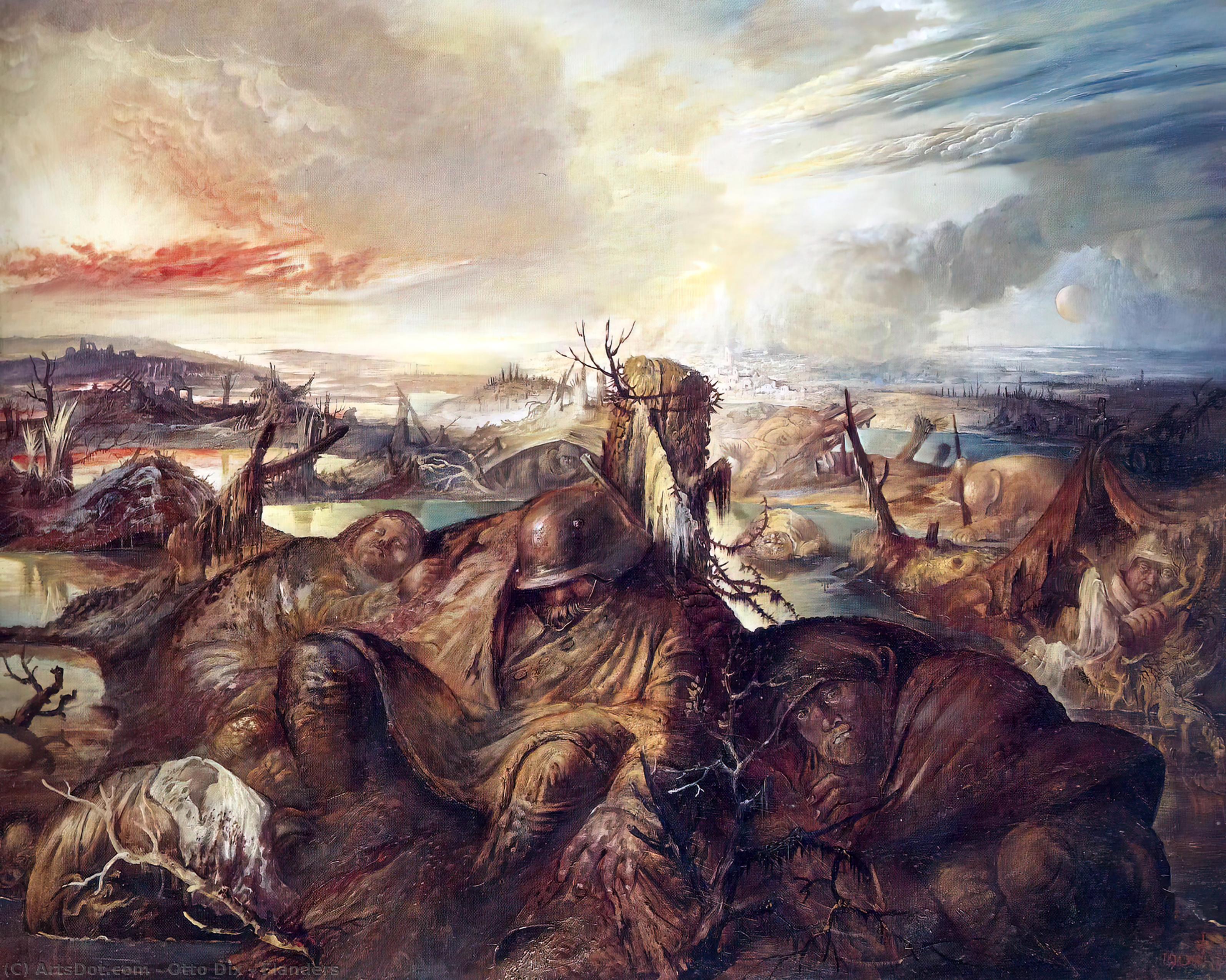
Flandres


 Ler mais
A obra de arte exibida nesta página é protegida por leis de direitos autorais, o que significa que não podemos criar ou vender legalmente uma reprodução idêntica. Esta proteção é aplicada por meio de acordos internacionais, tais como a Convenção de Berna e pelas leis nacionais, incluindo as estabelecidas por Lei de Direitos Autorais dos EUA - Título 17.
Este método cumpre plenamente as regulamentações de direitos autorais, pois não envolve a cópia ou duplicação da obra protegida. Em vez disso, trata-se de uma reinterpretação criativa — uma nova pintura que é influenciada pela original, mas não idêntica a ela.
Giclée / Impressão de Arte
Impressão giclée ou em tela de qualidade de museu, com produção rápida e opções flexíveis de acabamento. ( Comprar pintura feita à mão Alternar para Imagem Digital)




P118B €10

P118H €10

P118W €10

P438Z €10

P508JH €12

P508YH €12

P805H €10

P805Z €10

P919BZ €10

P919G €10

P919XJ €10

P959ZH €10

P968JZ €12

W106C €8

W218G €10

W218JH €8

W218Y €10

W307PJ €10

W316G €10

W316PJ €8

W316Y €10

W398PJ €8

W4111J €10

W500HY €15

W500JH €15

W692G €12

W849H €8

W940BG €15

W953PJ €8




Escolha entre os nossos tamanhos pré-definidos que respeitam as proporções originais da obra de arte.

Insira a largura e a altura desejadas para se ajustarem à sua moldura ou parede. Uma impressão pode ser apenas cortada, nunca ampliada além da imagem original; portanto, um tamanho com proporções diferentes resultará na perda de parte da imagem. Enviamos uma maquete digital para sua aprovação antes de realizarmos a impressão. A imagem exibida nesta página não mostra o corte real — apenas a maquete o faz.
Entrega mundial () em 2 semanas, em vez das 4/5 semanas padrão. (30 Outubro)

Envio expresso gratuito para todo o mundo

Tela de Linho de Alta Qualidade

Seguro de transporte completo

Garantia de Reembolso de Impostos Alfandegários

Garantia de Fidelidade Cromática

Política de Devolução em 100 Dias (Apenas para Defeitos)

Garantia de reembolso de 100%

Oferta de desconto por quantidade
 A opção de vidro está disponível apenas para tamanhos inferiores a 110 cm

Flandres
Giclée / Impressão de Arte
Tamanho da Reprodução
-


Preço Total
€ 71
Uma Representação Poderosa da Devastação da Guerra
Esta obra de arte assombrosa captura o caos bruto e o desespero profundo de uma paisagem pós-apocalíptica, evocando as realidades brutais da guerra e do sofrimento humano. A cena é vasta e tumultuada, repleta de estruturas destruídas, soldados caídos e restos esqueléticos espalhados por um terreno desolado. As figuras aparecem distorcidas e angustiadas, personificando o custo emocional do conflito e da perda. Através de sua temática impactante, a peça convida os espectadores a refletirem sobre as consequências devastadoras da violência e sobre a resiliência do espírito humano em meio à destruição.Estilo e Técnica Distintivos
Ao fundir elementos do realismo com o expressionismo, o artista utiliza pinceladas soltas e expressivas, além de texturas em camadas para intensificar a carga emocional. A paleta de cores escuras e suaves — intercalada com toques de tons mais claros — cria um contraste marcante que enfatiza a devastação, ao mesmo tempo que sugere sutis momentos de resiliência. As texturas ricas e o trabalho de pintura em camadas conferem à obra uma qualidade visceral e tátil, imergindo os espectadores no caos e no desespero da cena. A perspectiva ampla e as formas sobrepostas guiam o olhar através da paisagem expansiva, aumentando a sensação de profundidade e escala.Contexto Histórico e Simbolismo
Embora a data exata de criação permaneça desconhecida, a obra ressoa profundamente com os temas de guerra, destruição e agitação social que marcaram o início do século XX. Ela ecoa as realidades brutais retratadas em obras de artistas como Otto Dix, que buscavam confrontar o público com os horrores da guerra e seus desdobramentos. As linhas irregulares e as formas fraturadas simbolizam o caos e a violência, enquanto os restos esqueléticos e as estruturas quebradas servem como lembretes contundentes da mortalidade e da fragilidade da vida humana. A iluminação difusa e sombria reforça um clima de luto e reflexão, convidando o espectador a contemplar as cicatrizes duradouras do conflito.Impacto Emocional e Significância Artística
Esta peça é mais do que uma representação visual; é uma jornada emocional que confronta os espectadores com as verdades cruéis da guerra e do sofrimento humano. Sua imagética visceral e técnica de camadas evocam sentimentos de desespero, perda e introspecção, tornando-a uma declaração poderosa para colecionadores e designers de interiores que buscam obras de arte impactantes e que provoquem conversas. Seja exibida em uma galeria, em um espaço residencial moderno ou em um ambiente contemplativo, este trabalho oferece uma experiência visual profunda que ressoa intensamente com aqueles que apreciam a arte dotada de profundidade histórica e ressonância emocional.Perguntas e Respostas
"Flandres" é típico do que Otto Dix costumava criar?
Os temas recorrentes de Otto Dix incluem dix’s expressionist vision, war trauma reflection, social critique artwork, central wwi imagery, artist’s legacy piece; "Flandres" foca em wwi, battlefield, mortality, suffering, landscape, expressionism, desolation.
Existe um guia para "Flandres", de Otto Dix?
Uma página de Ficha informativa está disponível para "Flandres", de Otto Dix: uma ficha informativa imprimível sobre a obra, projetada para estudantes e uso em sala de aula.
As cores de "Flandres", de Otto Dix são saturadas ou suaves?
A paleta de "Flandres" possui uma saturação Saturação suave.
Biografia do Artista
Early Life and the Shadow of War
Wilhelm Heinrich Otto Dix, born in 1891 in Untermhaus, Germany, emerged from a world steeped in industrial labor and quiet artistic yearning. His father toiled as an iron foundry worker, while his mother nurtured a poetic spirit, creating a domestic landscape that subtly fostered young Otto’s creative inclinations. Crucially, it was the influence of his cousin, the painter Fritz Amann, that truly ignited Dix's ambition. Hours spent in Amann’s studio weren’t merely lessons in technique; they were an immersion into a world where artistic expression held tangible power. This early exposure led to an apprenticeship with Carl Senff and subsequent studies at the Kunstgewerbeschule in Dresden, though initially focused on applied arts rather than fine painting. However, it was the cataclysm of World War I that irrevocably shaped Dix’s artistic trajectory. Volunteering for service, he experienced the brutal realities of trench warfare firsthand, a trauma that would haunt his work for decades to come. The horrors witnessed during battles like the Somme and in Flanders left an indelible mark, transforming him from a promising landscape painter into a chronicler of human suffering and societal decay.The Weimar Republic and Neue Sachlichkeit
Returning from the war profoundly changed Dix. He channeled his experiences into unflinching depictions of its aftermath. His early post-war work reflected Expressionist tendencies, but he soon gravitated towards a new aesthetic—*Neue Sachlichkeit*, or New Objectivity. This movement rejected emotional abstraction in favor of stark realism and critical social commentary. Dix became one of its leading figures alongside George Grosz and Max Beckmann. Paintings like *The Trench* (1923) caused public outrage with their graphic portrayal of dismembered bodies, forcing museums to hide the work from view. This wasn’t merely shock value; it was a deliberate attempt to confront viewers with the brutal truth of war, stripping away any romanticized notions of heroism or glory. He didn't shy away from depicting the physical and psychological wounds inflicted upon soldiers, nor did he ignore the societal indifference towards their plight. His series of paintings *War Cripples* further underscored this theme, portraying veterans marginalized and forgotten by a society eager to move on. Beyond war, Dix turned his gaze toward the excesses and moral bankruptcy of Weimar Germany. *Metropolis* (1928) is a scathing indictment of urban life, filled with scenes of debauchery, prostitution, and social alienation. His portraits from this period are equally unflinching, capturing the cynicism and decadence of the era’s elite.Influences and Artistic Style
Dix's artistic style was remarkably eclectic, drawing inspiration from a diverse range of sources. Initially influenced by Expressionism, he quickly embraced *Neue Sachlichkeit*, characterized by its precise observation, stark realism, and rejection of subjective emotion. He studied the works of Northern Renaissance masters like Lucas Cranach, Hans Baldung Grien, and Albrecht Dürer, incorporating their compositional techniques and attention to detail into his own work. The photographs of war casualties taken by Ernst Friedrich profoundly impacted his depictions of the wounded, providing a stark visual record of the physical consequences of conflict. Dix’s use of color was often muted and somber, reflecting the bleakness of his subject matter. He employed a distinctive technique of hatching and cross-hatching to create texture and depth, lending his paintings a gritty, almost photographic quality. His work is notable for its unflinching honesty and willingness to confront uncomfortable truths about human nature and society.Major Works and Historical Significance
Otto Dix’s oeuvre encompasses a vast range of subjects, but he is perhaps best known for his war-themed works. *The Trench* (1923) remains one of the most powerful depictions of trench warfare ever created, capturing the claustrophobia, filth, and despair of life in the trenches. *War Cripples* (1920s) offers a poignant portrayal of the long-term consequences of war on veterans’ lives. *Metropolis* (1928) is a critical commentary on the social ills of Weimar Germany. His series of paintings *The War* (1929-32) provides a comprehensive and harrowing account of the conflict, exploring themes of loss, trauma, and disillusionment. Dix's work served as a vital document of its time, offering a starkly realistic portrayal of a society grappling with the aftermath of war and the challenges of modernity. He was a key figure in *Neue Sachlichkeit*, a movement that profoundly influenced German art and culture in the 1920s and 30s.Legacy and Artistic Impact
Otto Dix’s artistic legacy is multifaceted and enduring. He remains one of the most important German painters of the 20th century, renowned for his uncompromising realism, scathing social critique, and unflinching portrayal of human suffering. His influence can be seen in the work of subsequent generations of artists who have sought to confront difficult truths and challenge societal norms. Dix’s ability to blend technical skill with emotional intensity sets him apart; he wasn't simply documenting reality, but interpreting it through a lens of profound empathy and moral outrage. His exploration of themes such as war, trauma, social injustice, and the human condition continues to resonate with audiences today. He demonstrated that art could be both aesthetically powerful and politically engaged, serving as a potent force for social change. Dix’s work serves as a stark reminder of the horrors of war and the fragility of human existence—a testament to his courage, vision, and enduring commitment to truth.- Dix’s work is featured in major museums worldwide, including the Museum of Modern Art in New York and the Suermondt-Ludwig-Museum in Germany.
- His etchings, particularly *The War*, are considered masterpieces of graphic art.
- He remains a pivotal figure in understanding the artistic and social landscape of Weimar Germany.

Otto Dix
1891 - 1969 , Alemanha
Dados Rápidos
- Artistic Movement Or Style: Neue Sachlichkeit
- Artists Or Movements Influenced By This Artist: ['George Grosz']
- Date Of Birth: 2 de dezembro de 1891
- Date Of Death: 25 de julho de 1969
- Full Name: Wilhelm Heinrich Otto Dix
- Nationality: Alemão
- Notable Artworks:
- A Trincheira
- Metrópole
- Guerra de Trincheiras
- Place Of Birth: Untermhaus, Alemanha
Artigos Relacionados
Henry Wolf: A Legacy of Abstract Expressionism & Emotional Resonance in Post-War Art
Explore the profound legacy of Henry Wolf, a pivotal figure in Abstract Expressionism and post-war visual culture. Discover his impact on graphic design, photography, and art collecting with OriginalUniqueArt.
Lech Jankowski: Polish Abstraction & the Materiality of Post-War Identity
Explore the compelling work of Lech Jankowski, a leading figure in Polish post-war abstraction. Discover his unique exploration of materiality, identity, and surreal landscapes – a valuable addition to any discerning art collection.

Otto Dix: Trauma, Society & Artistic Rebellion in Weimar Germany
Explore the powerful and unsettling art of Otto Dix, a key figure of Neue Sachlichkeit. Discover his unflinching depictions of Weimar Germany's trauma, society, and war through insightful analysis & iconic masterpieces.

William Owen: A Poetic Vision of War & Landscape in British Modernism
Explore the poignant war poetry of Wilfred Owen, a key figure in British Modernism. Discover his innovative style, themes of loss & camaraderie, and lasting impact on 20th-century literature. Analysis & historical context included.

Echoes of Trauma & Hope: Representing Transformation in Artworks of 1918
Explore the profound artistic responses to World War I's trauma & hope. Discover Expressionist masterpieces by Bacon, de Kooning & more. Expert insights for collectors & art enthusiasts at OriginalUniqueArt.


