

 Visualizar na parede
 Compartilhar
 Compartilhar
 Detalhes
 Guia
Guia

 Baixar imagem
 Semelhantes
 Raio X
 Ver diaporama
 Estatísticas
Bravo


 Ler mais
Giclée / Impressão de Arte
Impressão giclée ou em tela de qualidade de museu, com produção rápida e opções flexíveis de acabamento. ( Comprar pintura feita à mão Alternar para Imagem Digital)




































Escolha entre os nossos tamanhos pré-definidos que respeitam as proporções originais da obra de arte.

Insira a largura e a altura desejadas para se ajustarem à sua moldura ou parede. Uma impressão pode ser apenas cortada, nunca ampliada além da imagem original; portanto, um tamanho com proporções diferentes resultará na perda de parte da imagem. Enviamos uma maquete digital para sua aprovação antes de realizarmos a impressão. A imagem exibida nesta página não mostra o corte real — apenas a maquete o faz.
Entrega mundial () em 2 semanas, em vez das 4/5 semanas padrão. (26 Outubro)

Envio expresso gratuito para todo o mundo

Tela de Linho de Alta Qualidade

Seguro de transporte completo

Garantia de Reembolso de Impostos Alfandegários

Garantia de Fidelidade Cromática

Política de Devolução em 100 Dias (Apenas para Defeitos)

Garantia de reembolso de 100%

Oferta de desconto por quantidade
 A opção de vidro está disponível apenas para tamanhos inferiores a 110 cm

Bravo
Giclée / Impressão de Arte
Tamanho da Reprodução
-


Preço Total
€ 70
Biografia do Artista
Orazio Marinali: Life and Legacy
Early Life and Training
Orazio Marinali (born February 24, 1643, in Angarano near Bassano del Grappa – died April 6, 1720, in Vicenza) was an Italian late-Baroque sculptor. He hailed from a family of artists and began his training in Venice under the tutelage of Josse de Corte, a leading sculptor of the time. De Corte’s influence is evident in Marinali's early works, particularly in their dramatic power and skillful use of chiaroscuro.
Artistic Development and Style
Marinali quickly established himself as a prolific sculptor, working throughout the Veneto region. His style evolved from the initial influence of De Corte to encompass a unique blend of Baroque drama and local Venetian sensibilities. He was adept at both religious sculpture and secular works, demonstrating versatility in his choice of materials – primarily marble and *pietra tenera* (soft limestone). His work is characterized by dynamic compositions, expressive figures, and meticulous attention to detail.
Major Achievements: Villa Lampertico
Marinali’s most significant achievement lies in the extensive sculptural program he created for Villa Lampertico (also known as Villa Conti or La Deliziosa) near Vicenza. Over a period of years, he and his workshop produced over 150 statues for the villa's estate and gardens. These sculptures represent a diverse range of subjects:
- Characters from the Commedia dell’arte
- Figures depicting the so-called ‘bravi’ (desperadoes or rogues)
- Classical allegories
The garden also features his large fountain group, *La Ruota*, symbolizing the four corners of the world.
Other Notable Works
Beyond Villa Lampertico, Marinali contributed to numerous other projects throughout the Veneto:
- Sculptures for the Parco Revedin-Bolasco at Castelfranco
- Works at Villa Trissino near Vicenza
- The Seasons in the Giardino Barnabò, Venice
- Religious statues for churches throughout the region, including St. Catherine in Bassano Cathedral and figures for S Maria di Monte Berico, Vicenza.
Influences and Legacy
Marinali’s work reflects not only the influence of Josse de Corte but also a keen observation of contemporary Venetian society and theatrical traditions. He trained several pupils, including Domenico Aglio and Lorenzo Mattielli (who married his brother Angelo's daughter), continuing the family workshop’s legacy.
In the 20th century, many of Marinali’s garden statues from the Vicenza area were relocated to Villa La Pietra near Florence by Arthur Acton, enriching its gardens alongside works by Antonio Bonazza, a Paduan sculptor influenced by Marinali. Marinali's sculptures remain as important examples of late Baroque sculpture in Italy and demonstrate his skill in capturing both dramatic intensity and nuanced characterization.
Historical Significance
Orazio Marinali’s work provides valuable insight into the artistic tastes and social dynamics of 18th-century Venice and the surrounding Veneto region. His sculptures, particularly those at Villa Lampertico, offer a unique glimpse into the world of aristocratic patronage and the popular culture of the time. He stands as a significant figure in the transition from High Baroque to Rococo styles.

Orazio Marinali
1643 - 1720 , Italy
Dados Rápidos
- Name: Orazio Marinali
- Movement: Late-Baroque
- Birth Date: 24 February 1643
- Death Date: 6 April 1720
- Influenced: Antonio Bonazza, Domenico Aglio, Lorenzo Mattielli
- Birth Place: Angarano, Republic of Venice
- Nationality: Italian
- Date Of Birth: 1643
- Date Of Death: 1720
- Influenced By: Josse de Corte
- Notable Works: Villa Lampertico statues, La Ruota fountain
- Place Of Birth: Bassano del Grappa, Italy
Artigos Relacionados

The Enduring Form: Sculpture Across History, Technique & Emotional Resonance
Explore the rich history of sculpture with OriginalUniqueArt. Discover key techniques, influential artists & investment potential for discerning collectors. Expert insights into valuing and collecting timeless masterpieces.
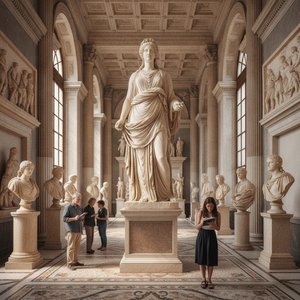
Timeless Grandeur: Exploring the Eternal Beauty and Art-Historical Legacy of Marble Sculpture
Explore the profound legacy of marble sculpture, from Classical antiquity to Neoclassical mastery. A definitive guide for elite collectors and designers seeking to integrate the luminous, eternal beauty of stone into sophisticated, high-end architectural spaces.

The Enduring Allure of Marble in Art History: From Classical Sculpture to Modern Abstraction
Explore the captivating history of marble sculpture from ancient Greece to modern art. Discover renowned artists like Canova & Michelangelo, carving techniques, and investment insights at OriginalUniqueArt.

The Enduring Form: Exploring Themes & Techniques in Sculpture Across Historical Periods
Explore the rich history of sculpture from ancient masterpieces to contemporary innovations. Discover key techniques, influential artists & investment potential for discerning art collectors.

Esculturas em Bronze Icônicas: 10 Obras que Revolucionaram a Arte | OriginalUniqueArt
Descubra as 10 esculturas em bronze mais icônicas da história! Explore a arte de Rodin, Michelangelo e outros mestres. Encontre reproduções de alta qualidade para sua casa em OriginalUniqueArt.com.