Visualizar em escala
 Enviar
 Compartilhar
 Ver detalhes
 Guia de Obras do Aluno

 Baixar imagem
 Semelhantes
 Raio X
 Apresentação de slides
 Estatísticas
Madonna
 Oil On Canvas
- WallArt
- Baroque
 Early Modern
 131.0 x 91.0 cm
 Galleria Nazionale d’Arte Antica
 Ver mais
Giclée / Impressão de Arte
Impressão giclée ou em tela de qualidade de museu, com produção rápida e opções flexíveis de acabamento. ( Encomendar reprodução pintada à mão Ver Imagem Digital)




P118B $10

P118H $10

P118W $10

P438Z $10

P508JH $12

P508YH $12

P805H $10

P805Z $10

P919BZ $10

P919G $10

P919XJ $10

P959ZH $10

P968JZ $12

W106C $8

W218G $10

W218JH $8

W218Y $10

W307PJ $10

W316G $10

W316PJ $8

W316Y $10

W398PJ $8

W4111J $10

W500HY $15

W500JH $15

W692G $12

W849H $8

W940BG $15

W953PJ $8




Escolha entre os nossos tamanhos pré-definidos que respeitam as proporções originais da obra de arte.

Você pode inserir suas próprias dimensões para se ajustar a uma moldura ou espaço específico. Se o tamanho selecionado não corresponder às proporções da imagem original, iremos recortar a obra de arte ou estender a imagem com uma borda espelhada ou preenchimento sólido. Um mockup digital será enviado para sua aprovação antes do início da produção.
Por favor, observe que a visualização na tela não reflete o recorte ou a extensão real. Apenas o mockup mostrará com precisão a composição final.
Embora tamanhos personalizados estejam disponíveis, recomendamos selecionar uma dimensão da lista predefinida para preservar as proporções originais.
Entrega mundial () em 2 semanas, em vez das 4/5 semanas padrão. (26 Setembro)

Envio expresso gratuito para todo o mundo

Tela de Linho Premium

Seguro de transporte total

Garantia de Reembolso de Impostos Alfandegários

Garantia de Fidelidade de Cor

Política de Devolução em 100 Dias (Apenas para Defeitos)

Garantia de reembolso de 100%

Desconto para múltiplas unidades
 A opção de vidro está disponível apenas para tamanhos inferiores a 110 cm

Madonna
Giclée / Impressão de Arte
Dimensões da Reprodução
-


Preço Total
$ 80
A Divine Encounter in Shadow and Light
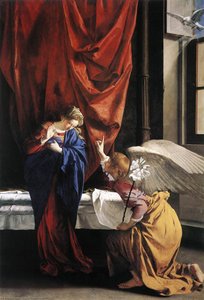
In the quietude of Orazio Gentileschi’s Madonna, we find ourselves standing at the threshold of a transformative era in art history. This masterpiece, painted around 1604, serves as a breathtaking bridge between the elegant, often artificial complexities of Mannerism and the raw, visceral drama of the Baroque. The composition centers on the Virgin Mary, whose presence is both profoundly human and ethereally divine. Clad in a somber brown robe trimmed with delicate white, her face radiates a serene, contemplative grace. As she gazes downward, her eyes hold a depth of maternal tenderness that transcends the canvas, inviting the viewer into a moment of silent prayer. Beside her, the Christ Child, swathed in a vibrant yellow garment, looks outward toward us, creating an immediate and piercing emotional connection that bridges the gap between the sacred subject and the earthly observer.
The technical brilliance of this work lies in Gentileschi’s masterful command of chiaroscuro, a technique heavily influenced by his contemporary, Caravaggio. By plunging the background into a deep, impenetrable darkness, the artist forces our focus onto the luminous skin and rich textures of the central figures. This stark contrast does more than create depth; it sculptively carves the Madonna from the shadows, lending her a physical weight and presence that feels startlingly real. The light does not merely illuminate; it caresses the folds of the fabric and the soft contours of the infant's cheek, imbuing the scene with a sense of living breath. For the discerning collector or interior designer, this interplay of light and shadow offers a sophisticated focal point that can anchor a room with both gravity and elegance.
Symbolism and the Soul of the Baroque
Beyond its visual splendor, the Madonna is rich with the symbolic language of the early 17th century. The choice of colors—the earthy browns of the Virgin’s attire contrasted against the celestial yellow of the Child—speaks to the intersection of the terrestrial and the divine. The Madonna represents the stability of faith and the nurturing strength of the Church, while the radiant child symbolizes the light of hope entering a dark world. Every brushstroke is an exercise in humanist sensibility, where the divine is not depicted as a distant, untouchable entity, but as something intimately connected to the human experience through emotion, touch, and gaze.
To possess a reproduction of this work is to bring a piece of the Italian Renaissance's twilight and the Baroque's dawn into one's personal space. It is an invitation to contemplate the eternal themes of motherhood, devotion, and the beauty found in stillness. Whether placed in a curated gallery setting or as a soulful addition to a classically styled study, this painting offers more than mere decoration; it provides a window into a period of unparalleled artistic courage, where masters like Gentileschi dared to find the extraordinary within the shadows of the ordinary.
Biografia do Artista
A Tuscan Dawn: The Life and Art of Orazio Gentileschi
Born in 1563 amidst the rolling hills of Tuscany, Orazio Gentileschi embarked on a journey that would see him become a pivotal figure in the transition from Mannerism to Baroque painting. Initially known as Orazio Lomi, he gravitated towards Rome, then the epicenter of artistic innovation, where he honed his skills within the workshops of Cola dell’Amata and absorbed the architectural sensibilities of Francesco da Sangallo. These early influences instilled in him a meticulous attention to form and composition, characteristics that would remain hallmarks of his style even as it dramatically evolved. Gentileschi’s initial work often involved contributing figures to larger decorative schemes conceived by other artists – a formative experience that taught him collaboration and adaptability, yet also hinted at a burgeoning ambition for independent expression. He began his career assisting established masters, learning the intricacies of perspective, anatomy, and color theory, gradually developing his own distinctive approach.Embracing the Shadow: Caravaggio's Influence and Artistic Development
The turn of the 17th century marked a turning point in Gentileschi’s artistic trajectory. The revolutionary naturalism of Caravaggio burst onto the Roman art scene, challenging established conventions with its dramatic use of light and shadow – *tenebrism* – and unflinching realism. Gentileschi was profoundly affected by this seismic shift, adopting elements of Caravaggio's style into his own work. However, he wasn’t merely an imitator; rather, he filtered Caravaggio’s innovations through his existing artistic sensibilities. While retaining the dramatic intensity, Gentileschi softened the harshness of Caravaggio’s *tenebrism*, introducing a lighter palette and a more refined approach to detail. This resulted in paintings that possessed both emotional power and elegant grace – a unique synthesis that distinguished him from his contemporaries. Biblical scenes and mythological narratives became frequent subjects, allowing Gentileschi to explore themes of faith, heroism, and human vulnerability with compelling visual storytelling. His use of dramatic lighting and dynamic compositions created a sense of immediacy and theatricality, capturing the essence of his chosen subjects with remarkable skill.A Courtly Wanderer: From Paris to London
Gentileschi’s artistic reputation extended beyond Italy's borders. His talent attracted the patronage of powerful figures, leading him on a peripatetic journey through Europe. He spent time at the court of Marie de' Medici in Paris, where his refined style resonated with the Queen’s taste for elegance and sophistication. This period saw a further evolution in his work, characterized by increasingly elaborate compositions and a heightened sense of decorum. He also worked briefly in Spain, adapting his style to suit the tastes of Spanish nobility. However, it was his invitation to England in 1626 that would define the final chapter of his career. Appointed court painter to Charles I, Gentileschi became one of the first major exponents of Caravaggism in Britain, significantly influencing the development of English Baroque painting. He undertook ambitious projects, including a series of ceiling paintings for Greenwich Palace (now Marlborough House), showcasing his mastery of large-scale decorative schemes and solidifying his position as a leading artist of his time. His work in England demonstrated a willingness to experiment with new techniques and styles, reflecting the evolving artistic climate of the nation.Key Works and Artistic Style
Gentileschi’s oeuvre encompasses a diverse range of subjects, including biblical scenes, mythological narratives, portraits, and allegorical compositions. His paintings are characterized by a masterful command of technique, evident in his meticulous attention to detail, dynamic poses, and skillful use of color. He was particularly adept at portraying dramatic moments, capturing the intensity of emotion and the drama of action with remarkable precision. Some of his most celebrated works include “Danae,” a powerful depiction of mythological excess; "The Annunciation," showcasing his ability to convey religious reverence; and “The Virgin Mary,” demonstrating his skill in rendering human form and emotional expression. His style evolved over time, moving from the more rigid conventions of Mannerism towards the looser, more expressive approach of Caravaggism, while retaining a distinctly Italian sensibility.- Major Works: “Danae”, "The Annunciation", “The Virgin Mary”
- Key Influences: Mannerism, Caravaggio
- Artistic Style: Baroque, Dramatic compositions, Bright colors.
Legacy and Lasting Impact
Orazio Gentileschi’s contributions to the world of art are multifaceted. He bridged the gap between Mannerism and Baroque, absorbing the innovations of Caravaggio while forging his own distinctive style. His use of vibrant colors, dramatic compositions, and refined technique influenced a generation of artists across Europe. He was instrumental in introducing Caravaggism to England, leaving an indelible mark on the artistic landscape there. But perhaps his most enduring legacy lies in his daughter, Artemisia Gentileschi. Trained in her father’s studio, she emerged as one of the most celebrated female painters of the Baroque era, carrying forward the family's artistic tradition and achieving renown in her own right. Today, Gentileschi’s works are held in prestigious museums and galleries worldwide – from the Uffizi Gallery in Florence to the Accademia Gallery in Venice – testaments to his enduring brilliance and lasting impact on the history of art. His paintings continue to captivate viewers with their emotional depth, technical virtuosity, and timeless beauty.
Orazio Gentileschi
1563 - 1639 , Itália
Informações Rápidas
- Artistic Movement Or Style: Barroco, Caravaggismo
- Artists Or Movements Influenced By This Artist:
- Artemisia Gentileschi
- Barroco
- Artists Who Influenced This Artist:
- Caravaggio
- Francesco da Sangallo
- Date Of Birth: 1563
- Date Of Death: 1639
- Full Name: Orazio Gentileschi
- Nationality: Italiano
- Notable Artworks:
- Danae
- Anunciação
- Maria Virgem
- Place Of Birth: Túscana, Itália
Artigos Relacionados

Barroco Brasileiro: Opulência e Emoção para Interiores Contemporâneos
Descubra como o Barroco brasileiro pode transformar seus interiores! Explore a história, elementos-chave e dicas para integrar este estilo luxuoso e cheio de emoção em sua casa.

Os 10 Mestres do Barroco: Obras-Primas que Moldaram a Arte e Decoram o Lar
Descubra os 10 maiores ícones do Barroco! Explore a história, técnica e emoção por trás de Caravaggio, Rembrandt, Bernini e outros mestres. Encontre reproduções de arte barroca para decorar seu lar com luxo em OriginalUniqueArt.com.

Drama and Light: A Definitive Guide to the Italian Baroque Masterpieces and the Revolution of Chiaroscuro
Explore the dramatic world of Italian Baroque art. Discover how masters like Caravaggio used chiaroscuro and tenebrism to revolutionize painting through light, shadow, and profound realism. A definitive guide for history lovers and art collectors.

Italian Baroque Unlocked: High-Drama Art That Hits Hard
Dive into the high-drama world of Italian Baroque art. Discover how chiaroscuro, intense emotion, and theatrical lighting redefined aesthetics. Explore the visceral power of the Counter-Reformation through a modern lens with expert insights from OriginalUniqueArt.com.

Simon Vouet: A Baroque Master's Journey from Italian Influence to French Classicism
Explore the life & art of Simon Vouet, a pivotal French Baroque painter who introduced Italian styles to France. Discover his masterpieces and lasting influence on 17th-century art.