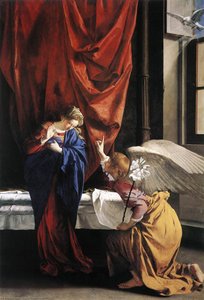
Visualizar na parede
 Compartilhar
 Compartilhar
 Detalhes

 Baixar imagem
 Semelhantes
 Raio X
 Slideshow
Finding of Moses
 Oil On Canvas
- WallArt
- Baroque
 1630
1630- Early Modern
 242.0 x 281.0 cm
 Museu do Prado
 Ler mais
Giclée / Impressão de Arte
Impressão giclée ou em tela de qualidade de museu, com produção rápida e opções flexíveis de acabamento. ( Comprar pintura feita à mão Comprar imagem)




P118B $10

P118H $10

P118W $10

P438Z $10

P508JH $12

P508YH $12

P805H $10

P805Z $10

P919BZ $10

P919G $10

P919XJ $10

P959ZH $10

P968JZ $12

W106C $8

W218G $10

W218JH $8

W218Y $10

W307PJ $10

W316G $10

W316PJ $8

W316Y $10

W398PJ $8

W4111J $10

W500HY $15

W500JH $15

W692G $12

W849H $8

W940BG $15

W953PJ $8




Escolha entre os nossos tamanhos pré-definidos que respeitam as proporções originais da obra de arte.

Você pode inserir suas próprias dimensões para se ajustar a uma moldura ou espaço específico. Se o tamanho selecionado não corresponder às proporções da imagem original, iremos recortar a obra de arte ou estender a imagem com uma borda espelhada ou preenchimento sólido. Um mockup digital será enviado para sua aprovação antes do início da produção.
Por favor, observe que a visualização na tela não reflete o recorte ou a extensão real. Apenas o mockup mostrará com precisão a composição final.
Embora tamanhos personalizados estejam disponíveis, recomendamos selecionar uma dimensão da lista predefinida para preservar as proporções originais.
Entrega mundial () em 2 semanas, em vez das 4/5 semanas padrão. (30 Agosto)

Envio expresso gratuito para todo o mundo

Tela de Linho de Alta Qualidade

Seguro de transporte completo

Garantia de Reembolso de Impostos Alfandegários

Garantia de Fidelidade Cromática

Política de Devolução em 60 Dias (Apenas para Defeitos)

Garantia de reembolso de 100%

Oferta de desconto por quantidade
 A opção de vidro está disponível apenas para tamanhos inferiores a 110 cm

Finding of Moses
Giclée / Impressão de Arte
Tamanho da Reprodução
-


Preço Total
$ 80
A Divine Encounter in the Bulrushes
In the heart of the early seventeenth century, a period defined by the dramatic tension between light and shadow, Orazio Gentileschi captured a moment of profound destiny. The Finding of Moses is not merely a depiction of a biblical event; it is a breathtaking window into a world where the miraculous intersects with the earthly. The canvas brings to life that pivotal instant from the Book of Exodus, where the infant Moses, hidden away by his mother to escape Pharaoh’s decree, is discovered amidst the swaying reeds of the Nile. As the eye wanders through the composition, one is immediately struck by the sense of communal tenderness. A group of women gathers around the small basket, their faces etched with a mixture of curiosity, compassion, and reverence. The scene vibrates with a quiet intensity, inviting the viewer to witness the very second where divine providence begins its work through human hands.
The emotional resonance of this masterpiece lies in its ability to balance regal grandeur with intimate vulnerability. While Pharaoh’s daughter stands as a figure of authority, her presence is softened by an unmistakable maternal instinct that mirrors the devotion of those kneeling at the water's edge. For the collector or the lover of fine art, this painting offers more than just a historical narrative; it provides a profound meditation on protection, faith, and the unexpected ways in which life is preserved against all odds.
The Mastery of Light and Baroque Elegance
To gaze upon Gentileschi’s work is to experience the legacy of Caravaggio through a more refined, lyrical lens. While he embraced the revolutionary chiaroscuro—the dramatic interplay of deep shadows and brilliant highlights—Gentileschi infused the technique with a certain grace and luminous clarity that distinguishes his hand. In this monumental work, light does not merely illuminate; it sculpts. A radiant glow seems to emanate from the fine fabrics and the skin of the figures, drawing the viewer’s gaze upward toward the regal presence of the princess. This strategic use of light creates a visual hierarchy that guides the soul through the narrative, moving from the humble textures of the riverbank to the shimmering splendor of royal attire.
The artist’s technical prowess is most evident in his meticulous rendering of texture and form. One can almost feel the cool dampness of the reeds, the weight of the heavy silk drapery, and the delicate smoothness of the infant's skin. For interior designers seeking to anchor a room with a piece of significant character, the painting’s rich palette and sophisticated handling of light offer an unparalleled sense of depth. It is a work that commands attention through its subtle complexities, making it a perfect centerpiece for spaces designed to inspire contemplation and evoke a sense of timeless luxury.
A Legacy of Devotion and Grandeur
Beyond its aesthetic brilliance, The Finding of Moses carries a weight of historical significance that adds layers of value to the work. Commissioned during an era of great royal patronage, the painting reflects the intersection of religious fervor and political legitimacy. The composition serves as a powerful symbol of resilience; just as Moses was saved from destruction, the art itself preserves the spiritual triumphs of the past for modern generations. The way the figures are arranged—some kneeling in prayerful devotion, others standing in watchful care—creates a sense of a unified community bound by a shared miracle.
Integrating a high-quality reproduction of this masterpiece into a curated collection allows one to bring the spirit of the Italian Baroque into the contemporary home. It is an invitation to surround oneself with beauty that tells a story of hope and divine intervention. Whether placed in a grand library, a formal dining hall, or a sophisticated studio, this painting serves as a constant reminder of the light that can be found even in the darkest of shadows, making it an enduring choice for those who appreciate art that speaks to both the eye and the spirit.
Biografia do Artista
A Tuscan Dawn: The Life and Art of Orazio Gentileschi
Born in 1563 amidst the rolling hills of Tuscany, Orazio Gentileschi embarked on a journey that would see him become a pivotal figure in the transition from Mannerism to Baroque painting. Initially known as Orazio Lomi, he gravitated towards Rome, then the epicenter of artistic innovation, where he honed his skills within the workshops of Cola dell’Amata and absorbed the architectural sensibilities of Francesco da Sangallo. These early influences instilled in him a meticulous attention to form and composition, characteristics that would remain hallmarks of his style even as it dramatically evolved. Gentileschi’s initial work often involved contributing figures to larger decorative schemes conceived by other artists – a formative experience that taught him collaboration and adaptability, yet also hinted at a burgeoning ambition for independent expression. He began his career assisting established masters, learning the intricacies of perspective, anatomy, and color theory, gradually developing his own distinctive approach.Embracing the Shadow: Caravaggio's Influence and Artistic Development
The turn of the 17th century marked a turning point in Gentileschi’s artistic trajectory. The revolutionary naturalism of Caravaggio burst onto the Roman art scene, challenging established conventions with its dramatic use of light and shadow – *tenebrism* – and unflinching realism. Gentileschi was profoundly affected by this seismic shift, adopting elements of Caravaggio's style into his own work. However, he wasn’t merely an imitator; rather, he filtered Caravaggio’s innovations through his existing artistic sensibilities. While retaining the dramatic intensity, Gentileschi softened the harshness of Caravaggio’s *tenebrism*, introducing a lighter palette and a more refined approach to detail. This resulted in paintings that possessed both emotional power and elegant grace – a unique synthesis that distinguished him from his contemporaries. Biblical scenes and mythological narratives became frequent subjects, allowing Gentileschi to explore themes of faith, heroism, and human vulnerability with compelling visual storytelling. His use of dramatic lighting and dynamic compositions created a sense of immediacy and theatricality, capturing the essence of his chosen subjects with remarkable skill.A Courtly Wanderer: From Paris to London
Gentileschi’s artistic reputation extended beyond Italy's borders. His talent attracted the patronage of powerful figures, leading him on a peripatetic journey through Europe. He spent time at the court of Marie de' Medici in Paris, where his refined style resonated with the Queen’s taste for elegance and sophistication. This period saw a further evolution in his work, characterized by increasingly elaborate compositions and a heightened sense of decorum. He also worked briefly in Spain, adapting his style to suit the tastes of Spanish nobility. However, it was his invitation to England in 1626 that would define the final chapter of his career. Appointed court painter to Charles I, Gentileschi became one of the first major exponents of Caravaggism in Britain, significantly influencing the development of English Baroque painting. He undertook ambitious projects, including a series of ceiling paintings for Greenwich Palace (now Marlborough House), showcasing his mastery of large-scale decorative schemes and solidifying his position as a leading artist of his time. His work in England demonstrated a willingness to experiment with new techniques and styles, reflecting the evolving artistic climate of the nation.Key Works and Artistic Style
Gentileschi’s oeuvre encompasses a diverse range of subjects, including biblical scenes, mythological narratives, portraits, and allegorical compositions. His paintings are characterized by a masterful command of technique, evident in his meticulous attention to detail, dynamic poses, and skillful use of color. He was particularly adept at portraying dramatic moments, capturing the intensity of emotion and the drama of action with remarkable precision. Some of his most celebrated works include “Danae,” a powerful depiction of mythological excess; "The Annunciation," showcasing his ability to convey religious reverence; and “The Virgin Mary,” demonstrating his skill in rendering human form and emotional expression. His style evolved over time, moving from the more rigid conventions of Mannerism towards the looser, more expressive approach of Caravaggism, while retaining a distinctly Italian sensibility.- Major Works: “Danae”, "The Annunciation", “The Virgin Mary”
- Key Influences: Mannerism, Caravaggio
- Artistic Style: Baroque, Dramatic compositions, Bright colors.
Legacy and Lasting Impact
Orazio Gentileschi’s contributions to the world of art are multifaceted. He bridged the gap between Mannerism and Baroque, absorbing the innovations of Caravaggio while forging his own distinctive style. His use of vibrant colors, dramatic compositions, and refined technique influenced a generation of artists across Europe. He was instrumental in introducing Caravaggism to England, leaving an indelible mark on the artistic landscape there. But perhaps his most enduring legacy lies in his daughter, Artemisia Gentileschi. Trained in her father’s studio, she emerged as one of the most celebrated female painters of the Baroque era, carrying forward the family's artistic tradition and achieving renown in her own right. Today, Gentileschi’s works are held in prestigious museums and galleries worldwide – from the Uffizi Gallery in Florence to the Accademia Gallery in Venice – testaments to his enduring brilliance and lasting impact on the history of art. His paintings continue to captivate viewers with their emotional depth, technical virtuosity, and timeless beauty.
Orazio Gentileschi
1563 - 1639 , Itália
Dados Rápidos
- Artistic Movement Or Style: Barroco, Caravaggismo
- Artists Or Movements Influenced By This Artist:
- Artemisia Gentileschi
- Barroco
- Artists Who Influenced This Artist:
- Caravaggio
- Francesco da Sangallo
- Date Of Birth: 1563
- Date Of Death: 1639
- Full Name: Orazio Gentileschi
- Nationality: Italiano
- Notable Artworks:
- Danae
- Anunciação
- Maria Virgem
- Place Of Birth: Túscana, Itália
Artigos Relacionados
Decoding Baroque Grandeur: A Guide to the Drama and Emotion of 17th-Century Art
Explore the breathtaking drama of 17th-century Baroque art. Our expert guide decodes the use of chiaroscuro, emotional intensity, and historical grandeur to help you appreciate and curate timeless masterpieces for your collection.

Baroque Classicism: The Grandeur of Order and Drama in 17th-Century Art History
Explore the profound elegance of Baroque Classicism. Discover how 17th-century masters synthesized dramatic emotion with classical order through the lens of the Counter-Reformation and the works of legends like Carlo Maratta and Andrea Sacchi.

Os 10 Mestres do Barroco: Obras-Primas que Moldaram a Arte e Decoram o Lar
Descubra os 10 maiores ícones do Barroco! Explore a história, técnica e emoção por trás de Caravaggio, Rembrandt, Bernini e outros mestres. Encontre reproduções de arte barroca para decorar seu lar com luxo em OriginalUniqueArt.com.

The Dramatic Flourish: Exploring the Baroque Movement's Enduring Legacy in Art History
Explore the dramatic world of Baroque art! Discover iconic artists like Caravaggio & Rubens, defining techniques, and its lasting impact on art history. Expert insights for collectors & enthusiasts at OriginalUniqueArt.

Baroque Classicism: Reconciling Drama & Order in 17th-Century Art
Explore the captivating world of Baroque Classicism! Discover its history, key artists like Caravaggio & Rubens, and defining characteristics. Expert insights & high-quality reproductions at OriginalUniqueArt.