Visualizar na parede
 Compartilhar
 Compartilhar
 Detalhes
 Guia
Guia

 Baixar imagem
 Semelhantes
 Raio X
 Ver diaporama
 Perguntas e Respostas
 Estatísticas
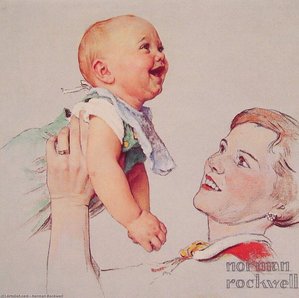
Boy in A dining Car


 Ler mais
A obra de arte exibida nesta página é protegida por leis de direitos autorais, o que significa que não podemos criar ou vender legalmente uma reprodução idêntica. Esta proteção é aplicada por meio de acordos internacionais, tais como a Convenção de Berna e pelas leis nacionais, incluindo as estabelecidas por Lei de Direitos Autorais dos EUA - Título 17.
Este método cumpre plenamente as regulamentações de direitos autorais, pois não envolve a cópia ou duplicação da obra protegida. Em vez disso, trata-se de uma reinterpretação criativa — uma nova pintura que é influenciada pela original, mas não idêntica a ela.
Giclée / Impressão de Arte
Impressão giclée ou em tela de qualidade de museu, com produção rápida e opções flexíveis de acabamento. ( Comprar pintura feita à mão Alternar para Imagem Digital)




P118B €10

P118H €10

P118W €10

P438Z €10

P508JH €12

P508YH €12

P805H €10

P805Z €10

P919BZ €10

P919G €10

P919XJ €10

P959ZH €10

P968JZ €12

W106C €8

W218G €10

W218JH €8

W218Y €10

W307PJ €10

W316G €10

W316PJ €8

W316Y €10

W398PJ €8

W4111J €10

W500HY €15

W500JH €15

W692G €12

W849H €8

W940BG €15

W953PJ €8




Escolha entre os nossos tamanhos pré-definidos que respeitam as proporções originais da obra de arte.

Insira a largura e a altura desejadas para se ajustarem à sua moldura ou parede. Uma impressão pode ser apenas cortada, nunca ampliada além da imagem original; portanto, um tamanho com proporções diferentes resultará na perda de parte da imagem. Enviamos uma maquete digital para sua aprovação antes de realizarmos a impressão. A imagem exibida nesta página não mostra o corte real — apenas a maquete o faz.
Entrega mundial () em 2 semanas, em vez das 4/5 semanas padrão. (7 Novembro)

Envio expresso gratuito para todo o mundo

Tela de Linho de Alta Qualidade

Seguro de transporte completo

Garantia de Reembolso de Impostos Alfandegários

Garantia de Fidelidade Cromática

Política de Devolução em 100 Dias (Apenas para Defeitos)

Garantia de reembolso de 100%

Oferta de desconto por quantidade
 A opção de vidro está disponível apenas para tamanhos inferiores a 110 cm

Boy in A dining Car
Giclée / Impressão de Arte
Tamanho da Reprodução
-


Preço Total
€ 72
Boy in A Dining Car: An Exploration of American Life
Norman Rockwell’s “Boy in a Dining Car,” created in 1946, is more than just an illustration; it's a poignant snapshot of mid-20th century America. This oil on canvas masterpiece, measuring 96.5 x 45.7 cm, captures a fleeting moment of childhood observation and burgeoning responsibility within the context of American travel culture. The painting depicts a young boy engrossed in studying a menu while seated in a dining car, with a patient waiter attentively standing nearby. Rockwell’s ability to imbue everyday scenes with narrative depth makes this piece a quintessential example of American Regionalism.
Artistic Style and Technique
Rockwell's signature style is immediately recognizable through his meticulous attention to detail and masterful storytelling abilities. In “Boy in a Dining Car,” he employs a rich palette of colors and textures to create a sense of depth and realism. The boy’s neatly pressed suit, the crispness of the tablecloth, and the waiter’s uniform are rendered with remarkable precision, showcasing Rockwell's dedication to capturing the nuances of everyday attire. Linear perspective is skillfully utilized to draw the viewer into the scene, while soft lighting emanating from the windows creates a warm and inviting atmosphere. The brushwork is deliberate yet fluid, contributing to the overall sense of realism and narrative clarity. Rockwell’s technique demonstrates his ability to transform an ordinary setting into a compelling visual story.
Historical Context and American Regionalism
Created in 1946, “Boy in a Dining Car” reflects a specific moment in American history – the post-World War II era characterized by optimism and a renewed focus on domestic life. The painting’s setting within a dining car evokes the romance of train travel, a popular mode of transportation before the widespread adoption of automobiles and air travel. The artwork is firmly rooted in the American Regionalism movement, which sought to depict scenes and subjects specific to American life, rejecting European artistic trends. Rockwell's work, alongside artists like Grant Wood and Thomas Hart Benton, celebrated the values and experiences of ordinary Americans, contributing significantly to a uniquely American visual identity. The painting’s depiction of everyday interactions and familiar settings resonated deeply with audiences at the time and continues to evoke nostalgia today.
Symbolism and Meaning
Beyond its surface portrayal of a boy studying a menu, “Boy in a Dining Car” carries layers of symbolic meaning. The scene represents a rite of passage for the young boy, marking his transition from childhood innocence towards greater independence and responsibility. His focused attention on the menu suggests an emerging understanding of financial matters – calculating tips, a task often associated with adulthood. The waiter’s patient demeanor symbolizes guidance and mentorship, representing the subtle lessons learned through everyday interactions. The painting subtly explores themes of observation, anticipation, and perhaps even a touch of loneliness or detachment as the boy navigates this new experience. Ultimately, Rockwell captures a universal moment of growth and self-discovery within a seemingly ordinary setting.
Own a Piece of American Art History
Experience the timeless charm and narrative power of Norman Rockwell’s “Boy in a Dining Car” with our meticulously crafted handmade oil painting reproductions. Each reproduction is created by skilled artists who faithfully recreate Rockwell's original masterpiece, ensuring that every detail – from the subtle nuances of color to the expressive brushstrokes – is preserved. Bring this iconic piece of American art into your home or office and enjoy a lasting connection to a pivotal moment in American culture. The Norman Rockwell Museum and other prominent institutions have recognized Rockwell’s enduring legacy, solidifying his position as one of America's most beloved artists.
Perguntas e Respostas
Qual é a situação dos direitos autorais de "Boy in A dining Car", de Norman Rockwell?
"Boy in A dining Car", de Norman Rockwell, está em ainda protegido por direitos autorais. Os termos de direitos autorais são calculados a partir do falecimento do artista, e Norman Rockwell faleceu em 1978.
"Boy in A dining Car" possui uma prévia em realidade aumentada?
Visualize "Boy in A dining Car", de Norman Rockwell na sua própria parede através da página de Prévia em RA da obra, utilizando realidade aumentada em um dispositivo compatível.
Como posso adquirir uma impressão de "Boy in A dining Car", de Norman Rockwell?
Para obter uma impressão de "Boy in A dining Car", de Norman Rockwell, basta encomendá-la na sua página de Impressão Fine Art: uma impressão fine art em tela de algodão ou papel canvas de arquivo.
Biografia do Artista
A Mirror to the American Soul: The Life and Legacy of Norman Rockwell
Norman Percevel Rockwell, nascido em Nova York em 1894, não foi meramente um ilustrador; ele foi um cronista visual da experiência americana. Desde seus primeiros sonhos de desenhar em cadernos infantis até sua associação de décadas com *The Saturday Evening Post*, Rockwell possuía uma capacidade notável de capturar a essência da vida cotidiana, transformando momentos aparentemente banais em representações icônicas da identidade nacional. Sua linhagem remontava a John Rockwell, que chegou à América colonial em 1635, sugerindo uma conexão profunda com os anos formativos da nação—uma conexão que influenciaria profundamente sua visão artística. A formação formal de Rockwell começou aos quatorze anos com o registro na Chase Art School, seguido por estudos na National Academy of Design e na Art Students League, onde aprimorou suas habilidades sob a tutela de mestres como Thomas Fogarty e Frank Vincent Dumond. Esses anos formativos lhe conferiram um domínio técnico que serviria como alicerce para sua narrativa visual.Illustrando um Ideal: O Desenvolvimento Artístico de Rockwell
A carreira de Rockwell floresceu com sua primeira capa de *The Saturday Evening Post* em 1916, marcando o início de uma parceria notável que durou quase meio século e rendeu mais de 300 capas. Essas não eram meras ilustrações; eram janelas para uma América idealizada—um mundo de famílias acolhedoras, cidades charmosas e valores duradouros. Seu trabalho inicial frequentemente apresentava cenas leves, impregnadas com um humor gentil e calor que ressoavam profundamente com o público americano. No entanto, o escopo artístico de Rockwell se estendeu muito além de representações idílicas. À medida que a nação enfrentava tempos turbulentos—duas Guerras Mundiais, a Grande Depressão e o Movimento pelos Direitos Civis—sua arte começou a refletir essas complexidades. A série *Willie Gillis*, por exemplo, oferecia uma representação pungente de um soldado comum experimentando as ansiedades e esperanças da geração durante a Segunda Guerra Mundial. Suas contribuições na área militar não se limitaram a estudos de personagens; *Four Freedoms*—Liberdade de Expressão, Liberdade Religiosa, Liberdade de Viver sem Miséria e Liberdade de Viver sem Medo—tornaram-se símbolos poderosos dos ideais americanos, arrecadando mais de 130 milhões de dólares para a ajuda humanitária através de sua ampla exposição e reprodução.Além do Sentimentalismo: Confrontando Realidades Sociais
Embora frequentemente celebrado por suas representações nostálgicas da América, Rockwell não estava imune à crítica. Alguns descartavam seu trabalho como excessivamente sentimental ou carente de profundidade artística. No entanto, uma análise mais próxima revela uma disposição para confrontar questões sociais difíceis, particularmente nas fases posteriores de sua carreira. *The Problem We All Live With*, pintado em 1964, é um testemunho poderoso dessa evolução. A pintura retrata Ruby Bridges, uma menina negra de seis anos, sendo escoltada por oficiais federais para a escola, em meio a um cenário de ódio racial e preconceito. Esta obra, exibida na Casa Branca durante a administração do Presidente Obama, transcendeu seu contexto inicial para se tornar um símbolo duradouro da luta pelos direitos civis. A disposição de Rockwell para abordar questões sensíveis através de sua arte demonstrou um compromisso crescente em usar sua arte como um meio de comentário social, desafiando os espectadores a confrontar verdades desconfortáveis sobre sua sociedade. Suas ilustrações para *Look* magazine durante este período solidificaram ainda mais sua reputação como um artista disposto a se engajar com questões contemporâneas.Conquistas e Legado
Norman Rockwell não foi apenas um ilustrador; ele foi um artista que capturou o espírito de uma época. Sua obra influenciou inúmeros artistas, escritores e cineastas. O termo “rockwellesque” entrou no vocabulário, usado para descrever imagens que evocam uma representação nostálgica ou idealizada da vida americana. Apesar do ceticismo inicial de alguns críticos de arte, o legado de Rockwell perdura, com suas pinturas agora valorizadas em grandes preços no mercado de arte e adornando as paredes de museus por todo o país, principalmente no Norman Rockwell Museum em Stockbridge, Massachusetts—um testemunho de seu apelo duradouro. Recebeu a Medalha Nacional de Humanidades da National Endowment for the Humanities em 1977, um reconhecimento adequado de sua contribuição profunda para a cultura americana. Sua capacidade de capturar o espírito humano—com todas as suas complexidades e contradições—garante que seu trabalho permaneça uma parte vital do cenário cultural americano por gerações.Influências e Estilo
Rockwell foi influenciado por diversos artistas, incluindo Thomas Fogarty, George Bridgman e Frank Vincent Dumond. Seu estilo é caracterizado pela meticulosidade, atenção aos detalhes e habilidade em capturar as emoções humanas através de expressões faciais realistas. Ele era conhecido por sua pesquisa cuidadosa e seu uso de modelos vivos, o que lhe permitia criar imagens incrivelmente vívidas e autênticas. Sua técnica refinada e sua capacidade de contar histórias visualmente envolventes o tornaram um dos ilustradores mais populares do século XX.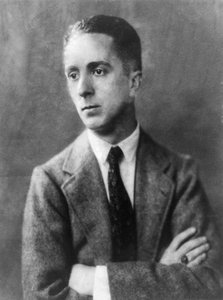
Norman Rockwell
1894 - 1978 , Estados Unidos da América
Dados Rápidos
- Artistic Movement Or Style: Realismo, Ilustração
- Artists Or Movements Influenced By This Artist: ['Rockwellesque']
- Artists Who Influenced This Artist:
- Fogarty
- Bridgman
- Dumond
- Date Of Birth: 3 de fevereiro de 1894
- Date Of Death: 8 de novembro de 1978
- Full Name: Norman Percevel Rockwell
- Nationality: Americano
- Notable Artworks:
- Quatro Liberdades
- Rosie
- Willie Gillis
- Place Of Birth: Nova Iorque, EUA
Artigos Relacionados
Echoes of Place: Regionalism & American Identity in Interwar Art
Explore the rise of American Regionalism in interwar art! Discover Grant Wood, Thomas Hart Benton & the movement's impact on American identity. Expert analysis & historical context.

Grant Wood & American Regionalism: Identity, Myth & the Rural Landscape
Explore the world of Grant Wood & American Regionalism with OriginalUniqueArt. Discover the symbolism behind 'American Gothic', recurring themes, and the movement's lasting impact on art history. High-quality reproductions available.

Norman Rockwell: Illuminating American Life Through Narrative Realism
Explore the life & art of Norman Rockwell, America's beloved illustrator. Discover his iconic paintings, social commentary, signature style, and enduring legacy. Learn about collecting Rockwell’s work at OriginalUniqueArt.
American Regionalism: A Crucible of Identity – Exploring Themes of Place, Labor & Social Commentary
Explore American Regionalism's powerful depiction of the American heartland during the Great Depression. Discover Grant Wood, Thomas Hart Benton & more. Expert analysis & high-quality art reproductions at OriginalUniqueArt.

American Regionalism: The Soul of the Heartland and the Mastery of Grant Wood
Explore the profound history of American Regionalism. Discover how Grant Wood captured the heart of the Midwest through masterpieces like American Gothic. An expert guide to the movement, its cultural impact, and the enduring beauty of American Realism.