Visualizar na parede
 Compartilhar
 Compartilhar
 Detalhes
 Guia
Guia

 Baixar imagem
 Semelhantes
 Raio X
 Ver diaporama
 Estatísticas
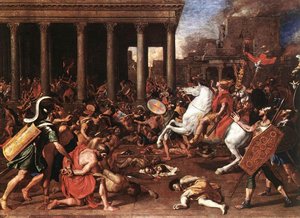
O inverno (A inundação)
 Óleo sobre tela
- Arte de Parede
- Baroque
 1664
1664- Renascimento
 117.0 x 160.0 cm
 Ler mais
Giclée / Impressão de Arte
Impressão giclée ou em tela de qualidade de museu, com produção rápida e opções flexíveis de acabamento. ( Comprar pintura feita à mão Alternar para Imagem Digital)




P118B €10

P118H €10

P118W €10

P438Z €10

P508JH €12

P508YH €12

P805H €10

P805Z €10

P919BZ €10

P919G €10

P919XJ €10

P959ZH €10

P968JZ €12

W106C €8

W218G €10

W218JH €8

W218Y €10

W307PJ €10

W316G €10

W316PJ €8

W316Y €10

W398PJ €8

W4111J €10

W500HY €15

W500JH €15

W692G €12

W849H €8

W940BG €15

W953PJ €8




Escolha entre os nossos tamanhos pré-definidos que respeitam as proporções originais da obra de arte.

Insira a largura e a altura desejadas para se ajustarem à sua moldura ou parede. Uma impressão pode ser apenas cortada, nunca ampliada além da imagem original; portanto, um tamanho com proporções diferentes resultará na perda de parte da imagem. Enviamos uma maquete digital para sua aprovação antes de realizarmos a impressão. A imagem exibida nesta página não mostra o corte real — apenas a maquete o faz.
Entrega mundial () em 2 semanas, em vez das 4/5 semanas padrão. (26 Outubro)

Envio expresso gratuito para todo o mundo

Tela de Linho de Alta Qualidade

Seguro de transporte completo

Garantia de Reembolso de Impostos Alfandegários

Garantia de Fidelidade Cromática

Política de Devolução em 100 Dias (Apenas para Defeitos)

Garantia de reembolso de 100%

Oferta de desconto por quantidade
 A opção de vidro está disponível apenas para tamanhos inferiores a 110 cm

O inverno (A inundação)
Giclée / Impressão de Arte
Tamanho da Reprodução
-


Preço Total
€ 70
Winter (The Flood): A Tempestuous Vision
Nicolas Poussin, a name synonymous with classical grace and profound emotional depth in 17th-century art, gifted the world with a series of paintings known collectively as “The Four Seasons.” Among these masterpieces, “Winter (The Flood),” painted between 1660 and 1664, stands as a particularly arresting testament to his artistic prowess. More than simply a depiction of a natural disaster, it’s a meticulously constructed allegory—a meditation on human vulnerability, the indifference of nature, and the precarious balance between survival and oblivion. Measuring a substantial 117 x 160 cm, this oil-on-canvas work resides within the esteemed collection of the Louvre Museum in Paris, a testament to its enduring significance.
The scene immediately commands attention with its dramatic chiaroscuro—the stark contrast between light and shadow that Poussin masterfully employs. A bruised, storm-wracked sky dominates the upper portion of the canvas, pregnant with impending doom. Lightning flashes illuminate fleeting glimpses of a turbulent river, swollen to dangerous proportions by relentless rain. Below this chaotic expanse unfolds a landscape dominated by imposing mountains, their peaks shrouded in mist and snow – symbols of enduring strength and impassivity against the forces unleashed below. At the heart of the composition lies a small boat, precariously navigating the raging waters, carrying at least twelve souls and a loyal dog—a microcosm of humanity struggling against overwhelming odds.
The Classical Foundation & Poussin’s Technique
Poussin's artistic identity is firmly rooted in the principles of Classicism. This wasn’t merely an aesthetic choice; it represented a conscious rejection of the exuberant, often theatrical style prevalent during the Baroque period. Instead, he sought order, harmony, and balance—qualities deeply admired by Renaissance artists like Raphael. His meticulous attention to detail, evident in the precise rendering of textures – from the rough bark of the trees to the glistening surface of the water – speaks volumes about his rigorous training and unwavering commitment to accuracy. The composition itself adheres to strict geometric principles, creating a sense of stability within the turbulent scene. Notice how the diagonal lines of the boat’s trajectory are counterbalanced by the verticality of the mountains, contributing to a visual equilibrium that belies the chaos depicted.
Poussin's technique is characterized by his use of *sfumato*—a subtle blurring of edges and contours—to create an atmospheric depth. He skillfully employs layering techniques, building up color gradually to achieve a luminous quality. The colors are predominantly cool – blues, grays, and whites – reflecting the bleakness of the winter landscape and the despair of the situation. However, flashes of warmer tones—the red of a garment clinging to a struggling figure—add dramatic emphasis and heighten the emotional impact.
A Biblical Echo & Philosophical Undertones
“Winter (The Flood)” is part of “The Four Seasons” series, commissioned by the son of Cardinal Richelieu. Interestingly, Poussin’s work transcends a simple depiction of a flood; it carries profound philosophical and potentially biblical undertones. The scene echoes the story of Noah's Ark, albeit with a distinctly more pessimistic interpretation. While the biblical narrative emphasizes divine judgment and the cleansing of humanity, Poussin presents a far less comforting vision. The figures in the boat are not heroes embarking on a righteous mission; they are simply struggling to survive, their fate uncertain. The inclusion of the serpent adds an element of foreboding, hinting at the destructive forces that lie dormant beneath the surface.
Furthermore, Poussin’s personal struggles during this period—he suffered from debilitating hand tremors—are believed to have influenced the painting’s slow and painstaking creation. This physical difficulty likely deepened his contemplation on themes of mortality, vulnerability, and the limitations of human control. The painting can be interpreted as a reflection on the fragility of existence in the face of overwhelming natural forces – a poignant reminder that even the most enduring structures are ultimately subject to destruction.
Symbolism & Emotional Resonance
Beyond its narrative elements, “Winter (The Flood)” is rich in symbolism. The boat itself represents humanity—a small, vulnerable vessel tossed about on the vast and indifferent ocean of nature. The figures within it embody a range of emotions – fear, desperation, hope, and resilience. The dog, often interpreted as a symbol of loyalty and fidelity, offers a glimmer of comfort amidst the chaos. The mountains, steadfast and unyielding, represent the enduring power of the natural world—a force that is both beautiful and terrifying. The overall effect is one of profound melancholy and unsettling beauty – a visual poem on the human condition.
Reproductions of “Winter (The Flood)” capture only a fraction of the painting’s original impact, but they offer a valuable opportunity to engage with Poussin’s masterful artistry and contemplate his enduring message. Consider commissioning a high-quality hand-painted reproduction from OriginalUniqueArt.com to bring this iconic work into your home or office – a timeless reminder of humanity’s place within the grand scheme of nature.
Perguntas e Respostas
Como é construída a composição cromática de "O inverno (A inundação)", de Nicolas Poussin?
Em "O inverno (A inundação)", um Marcante contraste une-se a uma Paleta Discordante harmonia.
Qual é o nível de contraste de "O inverno (A inundação)", de Nicolas Poussin?
O contraste entre claro e escuro de "O inverno (A inundação)" é registrado como Marcante. O contraste descreve a intensidade da diferença entre as áreas claras e escuras.
"O inverno (A inundação)" possui uma prévia em realidade aumentada?
"O inverno (A inundação)" possui uma prévia em realidade aumentada: a página de Prévia em RA da obra permite visualizá-la no seu próprio espaço através de um dispositivo compatível.
Biografia do Artista
Nicolas Poussin – Um Ídolo da Serenidade Clássica
Nicolas Poussin, um nome que ressoa com a grandeza da pintura barroca francesa, foi, no entanto, uma alma profundamente ancorada na terra italiana por grande parte de sua vida artística. Nasceu em Les Andelys, Normandia, em junho de 1594, seus primeiros anos permanecem parcialmente envoltos em mistério, ainda que certamente estabelecessem as bases para uma carreira que se tornaria fundamental na formação da tradição clássica dentro da arte francesa. Embora tenha estudado brevemente em Paris durante os primeiros anos de 1610, absorvendo influências de artistas menos conhecidos da época, foi sua jornada para Roma em 1624 que realmente inflamou seu destino artístico. Não se tratava apenas de uma mudança geográfica; era uma imersão no coração da antiguidade, uma peregrinação à fonte mesma da inspiração que definiria sua visão estética. Os primeiros trabalhos de Poussin exibiam uma qualidade sensual reminiscente dos mestres venezianos como Titian, porém mesmo nessas obras iniciais, um senso latente de ordem e rigor intelectual começava a emergir—uma prenúncio do estilo que ele tão magistralmente refinaria.Os Anos Romanos: Forjando um Ideal Clássico
Roma provou ser mais do que apenas um estúdio para Poussin; tornou-se seu crisol intelectual. Ele encontrava-se entre uma vibrante companhia de estudiosos, arqueólogos e artistas colegas, notavelmente Cassiano dal Pozzo, cuja profunda compreensão da antiguidade clássica influenciou profundamente a abordagem do artista. Dal Pozzo’s dedicação meticulosa à documentação de restos antigos inculcou em Poussin um profundo respeito pela precisão histórica e um desejo de impregnar suas pinturas com uma sensação de eternidade. Esta época viu Poussin afastar-se da exuberância flamboyante de alguns contemporâneos, abraçando um estilo caracterizado por clareza, equilíbrio e uma ênfase deliberada na composição linear. Ele estudava atentamente as obras de Rafael, absorvendo suas harmoniosas disposições e formas elegantes, enquanto simultaneamente buscava inspiração em esculturas antigas e fontes literárias como *As Metamorfoses* de Ovídio. Sua pintura começou a povoar com figuras retiradas da história antiga e mitologia, apresentadas não apenas como elementos decorativos, mas como expressões de virtudes morais e ideias filosóficas. Ele estudou profundamente os princípios da perspectiva e da anatomia humana, buscando replicar o rigor científico que caracterizava o Renascimento italiano.Influências e Estilo: Uma Voz Única na Arte Barroca
Embora inicialmente influenciado pela estética veneziana, Poussin rapidamente desenvolveu um estilo próprio que se distinguiria dos demais artistas de sua época. Sua obra refletia uma profunda compreensão da filosofia clássica e uma habilidade excepcional em transmitir emoções sutis através da luz e sombra—uma característica marcante do barroco francês. Ele admirava profundamente o trabalho de Rafael Sanzio, buscando replicar suas composições equilibradas e suas formas suaves, mas também incorporou elementos da arte italiana renascentista, como o uso de cores vibrantes e detalhes minuciosos. Diferentemente dos artistas barrocos que buscavam impressionar o público com efeitos dramáticos e exagerados, Poussin procurava criar imagens que evocassem uma sensação de beleza serena e ordem intelectual—um objetivo que guiou toda sua produção artística. Sua maestria na composição linear e seu domínio da perspectiva são evidentes em obras como *O Ato Nobre de Scípio*, considerada uma das maiores conquistas da pintura barroca francesa.Um Legado Duradouro: Moldando a Arte Francesa
Apesar de passar grande parte de sua vida fora da França, Nicolas Poussin deixou uma marca indelével na arte francesa. Ele retornou brevemente à cidade em 1640, sob o mandato do Cardeal Richelieu, nomeado Primeiro Pintor ao Rei, mas encontrou-se frustrado pelas demandas e intrigas da corte. Logo voltou para Roma, onde continuou a pintar até sua morte em 1665. Sua dedicação aos princípios clássicos ajudou estabelecer um padrão de treinamento artístico e prática dentro da França, influenciando gerações de artistas que o seguiram. Ele tornou-se uma figura central na Académie Royale de Peinture et de Sculpture, consolidando sua posição como um dos pilares do Classicismo francês. Artistas como Jacques-Louis David e Paul Cézanne reconheceram abertamente sua dívida com Poussin’s rigor intelectual e estilo único—uma homenagem àquele artista que buscava não apenas representar o mundo, mas elevá-lo através da lente da razão e da beleza. Sua obra permanece um testemunho da capacidade artística de capturar a essência da experiência humana e transmitir valores universais como ordem, equilíbrio e contemplação estética.- Principais Obras: *O Ato Nobre de Scípio*, *Os Dez Mandamentos*, *A Criação do Mundo*, *O Nascimento de Venus*, *O Êxodo dos Hebreus*.
- Características Essenciais: Composição Linear, Uso Magistral da Luz e Sombra, Temas Mitológicos e Históricos Inspirados pela Antiguidade Clássica.

Nicolas Poussin
1594 - 1665 , França
Dados Rápidos
- Artistic Movement Or Style: Barroco, Classicismo
- Artists Who Influenced This Artist:
- Rafael
- Titian
- Date Of Birth: 1594
- Date Of Death: 1665
- Full Name: Nicolas Poussin
- Nationality: Francês
- Notable Artworks:
- O Ato Nobre de Scípio
- Os Sete Sacramentos Série
- Uma Estrada Romana
- Orião Cegado Procurando o Sol
- As Estações
- Place Of Birth: Les Andelys, França
Artigos Relacionados
Nicolas Poussin: Classicism, Allegory & Order in 17th-Century French Painting
Explore the life & work of Nicolas Poussin, a master of French Classicism. Discover his allegorical paintings, Roman influences, and enduring impact on art history. Expert analysis & insights.

The Enduring Legacy of Oil on Canvas: Technique, History & Aesthetic Impact
Explore the rich history & techniques of oil painting – from Renaissance masters to Impressionism. Discover pigments, layering methods, and why this timeless medium endures. Expert insights for artists & art enthusiasts.
Baroque Classicism: Reconciling Drama & Order in 17th-Century Art
Explore the captivating world of Baroque Classicism! Discover its history, key artists like Caravaggio & Rubens, and defining characteristics. Expert insights & high-quality reproductions at OriginalUniqueArt.

Oil on Canvas: A Historical & Technical Exploration of a Timeless Artistic Medium
Explore the rich history & enduring techniques of oil painting on canvas. Discover the science behind its longevity, conservation practices, and contemporary relevance. Expert insights for art enthusiasts.

Barroco Brasileiro: Opulência e Emoção para Interiores Contemporâneos
Descubra como o Barroco brasileiro pode transformar seus interiores! Explore a história, elementos-chave e dicas para integrar este estilo luxuoso e cheio de emoção em sua casa.