Visualizar em escala
 Enviar
 Compartilhar
 Ver detalhes
 Guia de Obras do Aluno

 Baixar imagem
 Semelhantes
 Raio X
 Apresentação de slides
 Estatísticas
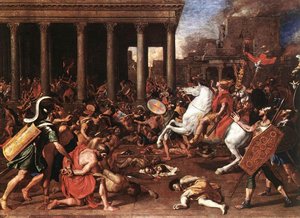
A Inspiração do Poeta
 Óleo sobre tela
- Arte de Parede
- Baroque Painting
 1630
1630- Renascimento
 182.0 x 213.0 cm
 Museu do Louvre
 Ver mais
Giclée / Impressão de Arte
Impressão giclée ou em tela de qualidade de museu, com produção rápida e opções flexíveis de acabamento. ( Encomendar reprodução pintada à mão Ver Imagem Digital)




P118B €10

P118H €10

P118W €10

P438Z €10

P508JH €12

P508YH €12

P805H €10

P805Z €10

P919BZ €10

P919G €10

P919XJ €10

P959ZH €10

P968JZ €12

W106C €8

W218G €10

W218JH €8

W218Y €10

W307PJ €10

W316G €10

W316PJ €8

W316Y €10

W398PJ €8

W4111J €10

W500HY €15

W500JH €15

W692G €12

W849H €8

W940BG €15

W953PJ €8




Escolha entre os nossos tamanhos pré-definidos que respeitam as proporções originais da obra de arte.

Você pode inserir suas próprias dimensões para se ajustar a uma moldura ou espaço específico. Se o tamanho selecionado não corresponder às proporções da imagem original, iremos recortar a obra de arte ou estender a imagem com uma borda espelhada ou preenchimento sólido. Um mockup digital será enviado para sua aprovação antes do início da produção.
Por favor, observe que a visualização na tela não reflete o recorte ou a extensão real. Apenas o mockup mostrará com precisão a composição final.
Embora tamanhos personalizados estejam disponíveis, recomendamos selecionar uma dimensão da lista predefinida para preservar as proporções originais.
Entrega mundial () em 2 semanas, em vez das 4/5 semanas padrão. (4 Outubro)

Envio expresso gratuito para todo o mundo

Tela de Linho Premium

Seguro de transporte total

Garantia de Reembolso de Impostos Alfandegários

Garantia de Fidelidade de Cor

Política de Devolução em 100 Dias (Apenas para Defeitos)

Garantia de reembolso de 100%

Desconto para múltiplas unidades
 A opção de vidro está disponível apenas para tamanhos inferiores a 110 cm

A Inspiração do Poeta
Giclée / Impressão de Arte
Dimensões da Reprodução
-


Preço Total
€ 69
A Glimpse into Divine Inspiration: Poussin’s “The Inspiration of the Poet”
Within the hallowed halls of the Louvre Museum in Paris resides a painting that transcends mere representation, offering instead a profound meditation on the very genesis of artistic creation – Nicolas Poussin's "The Inspiration of the Poet." Completed between 1629 and 1630 during his formative Roman years, this oil-on-canvas masterpiece isn’t simply a portrait; it’s a meticulously constructed allegory, a visual poem exploring the elusive source of poetic genius. The scene unfolds beneath the dappled shade of ancient trees, a tranquil sanctuary where Apollo, the radiant god of light and music, stands poised to bestow a laurel wreath upon a seated poet, utterly lost in the act of composing. Flanking him are two cherubic Cupids, emblems of love and youthful passion, while a serene Muse – often identified with Poussin’s own wife, Anna Dughet – observes the unfolding drama with an air of quiet contemplation. The painting isn't merely beautiful; it vibrates with a palpable sense of intellectual and spiritual elevation, inviting viewers to contemplate the mysteries of artistic inspiration.
Poussin, a pivotal figure in the transition from Mannerism to Baroque art, was deeply influenced by the classical ideals he encountered in Rome. His work reflects this influence through its balanced composition, harmonious color palette, and meticulous attention to detail – hallmarks of his dedication to achieving an illusion of reality. Unlike the dramatic intensity favored by Caravaggio or the opulent grandeur associated with Rubens, Poussin’s aesthetic leans towards a more restrained elegance, prioritizing clarity and order. He meticulously studied the works of Raphael and other Renaissance masters, absorbing their techniques for rendering form, light, and perspective with remarkable precision. “The Inspiration of the Poet” exemplifies this approach, showcasing Poussin's mastery of *chiaroscuro* – the dramatic contrast between light and shadow – to create a sense of depth and atmosphere that draws the eye into the scene’s serene heart. The subtle gradations of color, particularly in the drapery and foliage, demonstrate his remarkable skill in capturing the nuances of natural light, imbuing the painting with an almost tangible warmth.
- Composition: The painting's pyramidal structure lends it stability and harmony, guiding the viewer’s eye through the scene with a deliberate grace. This carefully orchestrated arrangement creates a sense of balance and order, reflecting Poussin’s classical training.
- Color Palette: Poussin employs a muted palette dominated by earthy tones – ochres, browns, and greens – creating a sense of tranquility and timelessness. The colors are not vibrant or flashy; instead, they evoke the quiet beauty of nature and the contemplative mood of the scene.
- Technique: His brushwork is remarkably smooth and refined, reflecting his meticulous attention to detail and his desire to create an illusion of reality. Notice how he uses delicate layering of paint to suggest texture and form, particularly in the drapery and foliage.
The Language of Allegory and Symbolism
Beyond its technical brilliance, “The Inspiration of the Poet” is rich in symbolic meaning, inviting multiple interpretations and ensuring that it continues to resonate with audiences across generations. Apollo’s role as a patron of the arts underscores the importance of divine inspiration in the creative process – suggesting that artistic genius isn't solely a product of human effort but also a gift from the gods. The laurel wreath, traditionally bestowed upon poets for their achievements, symbolizes recognition and immortality, hinting at the enduring legacy of poetic creation. The seated poet, lost in his work, represents the human capacity for imagination and creativity – a solitary figure engaged in a profound act of self-expression. The Cupids, with their playful gestures, suggest that love and passion can be powerful catalysts for artistic expression, fueling the creative fire within. And the Muse, a figure of wisdom and inspiration, embodies the guiding force behind poetic creation, silently observing and nurturing the poet’s burgeoning talent.
The painting's ambiguity adds to its enduring appeal. The identity of the poet remains deliberately obscured, inviting viewers to project their own interpretations onto the scene – perhaps he is composing an epic poem, a sonnet, or even a philosophical treatise. The lack of specificity allows for multiple readings and ensures that the painting continues to resonate with audiences across generations. It’s not simply about a single poet; it's about the universal human experience of seeking inspiration and expressing oneself through art – a timeless theme explored with exquisite beauty and intellectual depth.
A Window into 17th-Century Rome
“The Inspiration of the Poet” provides a fascinating glimpse into the artistic and intellectual landscape of 17th-century Rome. During this period, Rome was a vibrant center of artistic innovation, attracting artists from across Europe who were eager to study the classical ruins and immerse themselves in the legacy of antiquity. Poussin’s work reflects this atmosphere of scholarly inquiry and artistic experimentation. He spent years meticulously studying ancient sculptures and architectural fragments, incorporating these elements into his paintings with remarkable accuracy – a testament to his deep respect for the classical tradition. The painting also reveals the influence of humanist philosophy, which emphasized the importance of human reason and individual potential. The depiction of the poet as a solitary figure engaged in intellectual activity reflects this humanist sensibility, suggesting that art is born from the depths of human thought and experience.
The painting’s serene setting, reminiscent of Arcadia – the idealized pastoral realm of classical mythology – further enhances its symbolic significance. It evokes a sense of timelessness and tranquility, inviting viewers to escape the pressures of everyday life and contemplate the beauty of nature and the mysteries of artistic creation. The overall effect is one of profound contemplation and spiritual elevation, reminding us that art has the power to transport us beyond the mundane and connect us with something larger than ourselves.
Experiencing “The Inspiration of the Poet” Today
“The Inspiration of the Poet” continues to captivate viewers with its beauty, complexity, and profound symbolism. Its masterful composition, harmonious color palette, and meticulous attention to detail demonstrate Poussin’s exceptional artistic skill. The painting's enduring appeal lies in its ability to evoke a sense of wonder and contemplation, reminding us of the power of art to inspire and transform. Reproductions of this iconic work are available through OriginalUniqueArt.com, offering an opportunity to bring this timeless masterpiece into your home or office – a subtle yet powerful statement of appreciation for artistic excellence.
Whether you’re an art enthusiast, a collector seeking a piece of history, or simply someone seeking inspiration, “The Inspiration of the Poet” is a truly remarkable painting that deserves to be cherished and admired. Its quiet grandeur and profound symbolism make it a perfect addition to any collection or a source of endless contemplation.
Perguntas e Respostas
Em que ano foi criado "A Inspiração do Poeta"?
"A Inspiração do Poeta" data de 1630. A data situa a obra na carreira de Nicolas Poussin e em sua época.
Em que parte da casa uma reprodução de "A Inspiração do Poeta" ficaria bem?
"A Inspiração do Poeta" de Nicolas Poussin é recomendado para um(a) Sala de Estar. Esta sugestão baseia-se no tema, nas cores e na atmosfera da obra.
Com que idade Nicolas Poussin criou "A Inspiração do Poeta"?
Quando "A Inspiração do Poeta" foi criada em 1630, Nicolas Poussin — nascido(a) em 1594 — tinha 36 anos.
"A Inspiração do Poeta" de Nicolas Poussin é uma obra de arte conhecida?
"A Inspiração do Poeta" é classificada como Icônico.
Quem criou "A Inspiração do Poeta"?
"A Inspiração do Poeta" é atribuída a Nicolas Poussin.
Quem é o autor de "A Inspiração do Poeta" e em qual movimento?
Por trás de "A Inspiração do Poeta" estão Nicolas Poussin e o movimento Baroque Painting.
Como faço para baixar a imagem de "A Inspiração do Poeta" de Nicolas Poussin?
"A Inspiração do Poeta" de Nicolas Poussin pode ser descarregado na página de Baixar da obra, como download de imagem digital em alta resolução.
Biografia do Artista
Nicolas Poussin – Um Ídolo da Serenidade Clássica
Nicolas Poussin, um nome que ressoa com a grandeza da pintura barroca francesa, foi, no entanto, uma alma profundamente ancorada na terra italiana por grande parte de sua vida artística. Nasceu em Les Andelys, Normandia, em junho de 1594, seus primeiros anos permanecem parcialmente envoltos em mistério, ainda que certamente estabelecessem as bases para uma carreira que se tornaria fundamental na formação da tradição clássica dentro da arte francesa. Embora tenha estudado brevemente em Paris durante os primeiros anos de 1610, absorvendo influências de artistas menos conhecidos da época, foi sua jornada para Roma em 1624 que realmente inflamou seu destino artístico. Não se tratava apenas de uma mudança geográfica; era uma imersão no coração da antiguidade, uma peregrinação à fonte mesma da inspiração que definiria sua visão estética. Os primeiros trabalhos de Poussin exibiam uma qualidade sensual reminiscente dos mestres venezianos como Titian, porém mesmo nessas obras iniciais, um senso latente de ordem e rigor intelectual começava a emergir—uma prenúncio do estilo que ele tão magistralmente refinaria.Os Anos Romanos: Forjando um Ideal Clássico
Roma provou ser mais do que apenas um estúdio para Poussin; tornou-se seu crisol intelectual. Ele encontrava-se entre uma vibrante companhia de estudiosos, arqueólogos e artistas colegas, notavelmente Cassiano dal Pozzo, cuja profunda compreensão da antiguidade clássica influenciou profundamente a abordagem do artista. Dal Pozzo’s dedicação meticulosa à documentação de restos antigos inculcou em Poussin um profundo respeito pela precisão histórica e um desejo de impregnar suas pinturas com uma sensação de eternidade. Esta época viu Poussin afastar-se da exuberância flamboyante de alguns contemporâneos, abraçando um estilo caracterizado por clareza, equilíbrio e uma ênfase deliberada na composição linear. Ele estudava atentamente as obras de Rafael, absorvendo suas harmoniosas disposições e formas elegantes, enquanto simultaneamente buscava inspiração em esculturas antigas e fontes literárias como *As Metamorfoses* de Ovídio. Sua pintura começou a povoar com figuras retiradas da história antiga e mitologia, apresentadas não apenas como elementos decorativos, mas como expressões de virtudes morais e ideias filosóficas. Ele estudou profundamente os princípios da perspectiva e da anatomia humana, buscando replicar o rigor científico que caracterizava o Renascimento italiano.Influências e Estilo: Uma Voz Única na Arte Barroca
Embora inicialmente influenciado pela estética veneziana, Poussin rapidamente desenvolveu um estilo próprio que se distinguiria dos demais artistas de sua época. Sua obra refletia uma profunda compreensão da filosofia clássica e uma habilidade excepcional em transmitir emoções sutis através da luz e sombra—uma característica marcante do barroco francês. Ele admirava profundamente o trabalho de Rafael Sanzio, buscando replicar suas composições equilibradas e suas formas suaves, mas também incorporou elementos da arte italiana renascentista, como o uso de cores vibrantes e detalhes minuciosos. Diferentemente dos artistas barrocos que buscavam impressionar o público com efeitos dramáticos e exagerados, Poussin procurava criar imagens que evocassem uma sensação de beleza serena e ordem intelectual—um objetivo que guiou toda sua produção artística. Sua maestria na composição linear e seu domínio da perspectiva são evidentes em obras como *O Ato Nobre de Scípio*, considerada uma das maiores conquistas da pintura barroca francesa.Um Legado Duradouro: Moldando a Arte Francesa
Apesar de passar grande parte de sua vida fora da França, Nicolas Poussin deixou uma marca indelével na arte francesa. Ele retornou brevemente à cidade em 1640, sob o mandato do Cardeal Richelieu, nomeado Primeiro Pintor ao Rei, mas encontrou-se frustrado pelas demandas e intrigas da corte. Logo voltou para Roma, onde continuou a pintar até sua morte em 1665. Sua dedicação aos princípios clássicos ajudou estabelecer um padrão de treinamento artístico e prática dentro da França, influenciando gerações de artistas que o seguiram. Ele tornou-se uma figura central na Académie Royale de Peinture et de Sculpture, consolidando sua posição como um dos pilares do Classicismo francês. Artistas como Jacques-Louis David e Paul Cézanne reconheceram abertamente sua dívida com Poussin’s rigor intelectual e estilo único—uma homenagem àquele artista que buscava não apenas representar o mundo, mas elevá-lo através da lente da razão e da beleza. Sua obra permanece um testemunho da capacidade artística de capturar a essência da experiência humana e transmitir valores universais como ordem, equilíbrio e contemplação estética.- Principais Obras: *O Ato Nobre de Scípio*, *Os Dez Mandamentos*, *A Criação do Mundo*, *O Nascimento de Venus*, *O Êxodo dos Hebreus*.
- Características Essenciais: Composição Linear, Uso Magistral da Luz e Sombra, Temas Mitológicos e Históricos Inspirados pela Antiguidade Clássica.

Nicolas Poussin
1594 - 1665 , França
Informações Rápidas
- Artistic Movement Or Style: Barroco, Classicismo
- Artists Who Influenced This Artist:
- Rafael
- Titian
- Date Of Birth: 1594
- Date Of Death: 1665
- Full Name: Nicolas Poussin
- Nationality: Francês
- Notable Artworks:
- O Ato Nobre de Scípio
- Os Sete Sacramentos Série
- Uma Estrada Romana
- Orião Cegado Procurando o Sol
- As Estações
- Place Of Birth: Les Andelys, França
Artigos Relacionados
Baroque Classicism: Reconciling Drama & Order in 17th-Century Art
Explore the captivating world of Baroque Classicism! Discover its history, key artists like Caravaggio & Rubens, and defining characteristics. Expert insights & high-quality reproductions at OriginalUniqueArt.
Nicolas Poussin: Classicism, Allegory & Order in 17th-Century French Painting
Explore the life & work of Nicolas Poussin, a master of French Classicism. Discover his allegorical paintings, Roman influences, and enduring impact on art history. Expert analysis & insights.
Louvre Paris: As 25 Obras-Primas Essenciais para Sua Casa | OriginalUniqueArt
Descubra as 25 obras-primas do Louvre, Paris! Explore a história de Mona Lisa, Venus de Milo e outros ícones da arte francesa. Encontre reproduções de alta qualidade para decorar sua casa com estilo. OriginalUniqueArt: Arte clássica ao seu alcance.

Barroco Brasileiro: Opulência e Emoção para Interiores Contemporâneos
Descubra como o Barroco brasileiro pode transformar seus interiores! Explore a história, elementos-chave e dicas para integrar este estilo luxuoso e cheio de emoção em sua casa.

Oil on Canvas: A Historical & Technical Exploration of a Timeless Artistic Medium
Explore the rich history & enduring techniques of oil painting on canvas. Discover the science behind its longevity, conservation practices, and contemporary relevance. Expert insights for art enthusiasts.