

 Visualizar na parede
 Compartilhar
 Compartilhar
 Detalhes
 Guia
Guia

 Baixar imagem
 Semelhantes
 Raio X
 Ver diaporama
 Q&A
Q&A Estatísticas
CONVERSATION GALANTE


 Ler mais
Giclée / Impressão de Arte
Impressão giclée ou em tela de qualidade de museu, com produção rápida e opções flexíveis de acabamento. ( Comprar pintura feita à mão Alternar para Imagem Digital)




P118B €10

P118H €10

P118W €10

P438Z €10

P508JH €12

P508YH €12

P805H €10

P805Z €10

P919BZ €10

P919G €10

P919XJ €10

P959ZH €10

P968JZ €12

W106C €8

W218G €10

W218JH €8

W218Y €10

W307PJ €10

W316G €10

W316PJ €8

W316Y €10

W398PJ €8

W4111J €10

W500HY €15

W500JH €15

W692G €12

W849H €8

W940BG €15

W953PJ €8




Escolha entre os nossos tamanhos pré-definidos que respeitam as proporções originais da obra de arte.

Insira a largura e a altura desejadas para se ajustarem à sua moldura ou parede. Uma impressão pode ser apenas cortada, nunca ampliada além da imagem original; portanto, um tamanho com proporções diferentes resultará na perda de parte da imagem. Enviamos uma maquete digital para sua aprovação antes de realizarmos a impressão. A imagem exibida nesta página não mostra o corte real — apenas a maquete o faz.
Entrega mundial () em 2 semanas, em vez das 4/5 semanas padrão. (30 Outubro)

Envio expresso gratuito para todo o mundo

Tela de Linho de Alta Qualidade

Seguro de transporte completo

Garantia de Reembolso de Impostos Alfandegários

Garantia de Fidelidade Cromática

Política de Devolução em 100 Dias (Apenas para Defeitos)

Garantia de reembolso de 100%

Oferta de desconto por quantidade
 A opção de vidro está disponível apenas para tamanhos inferiores a 110 cm

CONVERSATION GALANTE
Giclée / Impressão de Arte
Tamanho da Reprodução
-


Preço Total
€ 71
A Glimpse into Rococo Society: Unveiling Conversation Galante
Nicolas Lancret’s “Conversation Galante” isn't merely a painting; it’s a meticulously crafted window into the opulent and subtly decadent world of 18th-century French aristocracy. Completed around 1743, during the reign of Louis XV, this work embodies the Rococo style at its most charming – a delicate dance between flirtation, leisure, and social maneuvering. The scene unfolds within a lush, verdant landscape, hinting at an idyllic retreat from the formalities of court life. Lancret masterfully captures not just appearances but also the unspoken language of polite society, where glances, gestures, and carefully chosen words held immense significance.
The composition immediately draws the eye to a central couple – a man and woman engaged in what appears to be a lighthearted exchange. A smaller figure, likely a young gentleman, is positioned slightly behind them, suggesting an attentive observer or perhaps a hopeful suitor. The arrangement isn’t overtly dramatic; instead, it exudes a sense of relaxed elegance, typical of the *fête galante* genre that Lancret so expertly portrayed. Notice how the figures are draped in flowing fabrics, their postures graceful and unhurried – a deliberate contrast to the rigid formality often associated with aristocratic gatherings.
A Symphony of Pastel Colors and Delicate Brushwork
Lancret’s technical skill is immediately apparent in the painting's exquisite color palette. He employs a masterful use of pastel hues—soft yellows, blush pinks, muted blues, and earthy greens—creating an atmosphere of airy lightness and refined beauty. The brushstrokes are remarkably subtle, almost translucent, contributing to the overall sense of softness and fluidity. This technique, characteristic of Rococo painting, emphasizes texture and light rather than sharp outlines or dramatic contrasts. Observe how Lancret uses *sfumato*, a blurring effect that softens edges and creates an ethereal quality, particularly in the foliage and the figures’ clothing.
The impasto technique is also evident in certain areas, notably in the details of the flowers and foliage, adding a tactile dimension to the painting. Lancret's attention to detail extends to the rendering of fabrics – the folds of the dresses, the textures of the velvet cushions—each element meticulously crafted to convey a sense of luxury and refinement. The lighting is diffused and gentle, originating from an unseen source on the left side of the composition, casting subtle shadows that enhance the depth and dimensionality of the scene.
Symbolism and the Language of Courtly Life
“Conversation Galante” is rich in symbolic meaning, reflecting the values and conventions of 18th-century French society. The setting itself—a secluded garden or park—represents a space of escape and intimacy, shielded from the pressures of public life. The conversation between the figures suggests a delicate dance of courtship, where social graces and unspoken desires intertwine. The small gestures – a glance exchanged, a hand lightly touching—speak volumes about the complex dynamics of relationships within aristocratic circles.
The painting’s overall mood is one of playful sophistication, but beneath the surface lies a subtle commentary on the constraints and expectations placed upon women in that era. While seemingly engaged in a lighthearted exchange, the woman's posture and expression hint at a degree of restraint and carefully controlled behavior. Lancret captures this duality with remarkable sensitivity, offering viewers a glimpse into both the pleasures and the limitations of aristocratic life.
A Timeless Masterpiece: Reproduction and Beyond
“Conversation Galante” remains a captivating work of art, admired for its exquisite beauty, technical skill, and insightful portrayal of 18th-century society. Reproductions offer an accessible way to experience the charm and elegance of this iconic painting, bringing its delicate colors and subtle nuances into any interior space. Consider framing a high-quality reproduction in a classic style to complement its Rococo aesthetic, or explore options for commissioning a custom hand-painted replica that captures the spirit of Lancret’s original masterpiece.
Perguntas e Respostas
Quão clara é a obra "CONVERSATION GALANTE" no geral?
A luminosidade percebida de "CONVERSATION GALANTE", de Nicolas Lancret é shadow. Ela pode ser harmonizada com a iluminação do espaço pretendido.
Quão harmoniosas são as cores de "CONVERSATION GALANTE" entre si?
As cores de "CONVERSATION GALANTE", de Nicolas Lancret apresentam uma harmonia Unified Palette. A harmonia descreve como as cores se relacionam entre si.
Como é construída a composição cromática de "CONVERSATION GALANTE", de Nicolas Lancret?
A análise cromática de "CONVERSATION GALANTE", de Nicolas Lancret revela um contraste Gentle e uma harmonia Unified Palette.
Biografia do Artista
Nicolas Lancret: Um Olhar Encantador sobre a Elegância do Rococó
Nicolas Lancret, nascido em Paris em 1690 e falecido na mesma cidade em 1743, personifica o espírito jovial e refinado da arte rococó francesa. Sua trajetória artística floresceu durante um período de grande transformação social e cultural, a Regência do Duque de Orléans e os primeiros anos do reinado de Luís XV, capturando com maestria a essência da vida cotidiana parisiense e as celebrações elegantes que marcavam a época. Embora detalhes precisos sobre sua infância sejam escassos, sabemos que Lancret iniciou sua formação sob a tutela de Pierre d’Ulin, um pintor de história respeitado, mas foi o encontro com a obra de Antoine Watteau que moldou profundamente seu caminho artístico. Posteriormente, estudou com Jean-Baptiste Gillot, discípulo direto de Watteau, solidificando ainda mais sua ligação com essa linhagem artística influente. Essa base sólida preparou Lancret para desenvolver um estilo único, caracterizado por representações alegres e vibrantes da sociedade parisiense e suas festividades.A Arte como Espelho da Sociedade Francesa
Lancret rapidamente se destacou como um retratista brilhante do cotidiano francês, imortalizando em tela cenas de bailes deslumbrantes, feiras animadas, casamentos campestres e outros encontros sociais que refletiam os gostos e os costumes de sua época. Sua habilidade em capturar a leveza e a frivolidade da estética rococó é inegável, traduzindo-se em obras repletas de charme e elegância. *Le Déjeuner de Jambon*, datado de 1735 e exposto no Musée Condé em Chantilly, exemplifica perfeitamente sua maestria na representação de cenas de gênero, retratando um animado almoço com presunto, onde figuras vibrantes interagem em um ambiente de convivialidade. *La Servante Justifiée*, criada entre 1735 e 1740, demonstra a capacidade de Lancret em retratar cenas domésticas com sagacidade e encanto, enquanto *Le Jeu des Quatre-Coins* captura a energia e o divertimento da interação social através da representação de um popular jogo. A delicadeza e o refinamento também se manifestam em seus retratos, como *Marie-Anne de Camargo*, datado de 1730, onde Lancret exibe sua habilidade em retratar figuras da moda com precisão e elegância.Influências Artísticas e a Sombra de Watteau
A semelhança entre o estilo de Lancret e o de Watteau é inegável, levando historiadores da arte a frequentemente compararem os dois artistas. Ambos compartilham uma sensibilidade pela representação de cenas galantes e um apreço pela beleza do cotidiano. No entanto, enquanto Watteau é frequentemente considerado o mestre supremo do gênero *fête galante*, Lancret desenvolveu uma abordagem mais acessível e direta, com cores mais vibrantes e composições mais harmoniosas. Embora alguns críticos tenham argumentado que a obra de Lancret carece da profundidade emocional presente na pintura de Watteau, sua capacidade de capturar a essência da sociedade francesa do século XVIII lhe garantiu um lugar significativo na história da arte. A influência de artistas como François Boucher pode ser observada em suas obras posteriores, demonstrando a continuidade e o desenvolvimento do estilo rococó.Evolução Artística e Legado Duradouro
Ao longo de sua carreira, Lancret demonstrou uma evolução gradual em sua abordagem artística. Inicialmente fortemente influenciado por Watteau, ele desenvolveu um estilo mais distinto, caracterizado por cores mais vivas e uma maior harmonia entre as figuras e seus arredores. Suas obras posteriores, como *Montreir de lanterne magique* e *Family in a Garden*, são consideradas o auge de sua realização artística, demonstrando uma crescente capacidade de criar profundidade e intimidade em suas composições. Sua importância histórica reside em sua contribuição para o movimento rococó e em sua habilidade de documentar a vida social e os valores culturais da França do século XVIII através de suas pinturas encantadoras e acessíveis. Suas obras, hoje presentes em coleções prestigiosas como a Galeria Nacional e o Musée d'Orsay, continuam a inspirar admiração pela arte rococó francesa, perpetuando o legado de um artista que soube capturar a beleza efêmera da vida cotidiana com graça e elegância.
Nicolas Lancret
1690 - 1743 , França
Dados Rápidos
- Artistas Influenciados Por: ['François Boucher']
- Artistas Que Influenciaram:
- Pierre d’Ulin
- Jean-Baptiste Gillot
- Antoine Watteau
- Data De Falecimento: 14 de Setembro de 1743
- Data De Nascimento: 22 de Janeiro de 1690
- Local De Nascimento: Paris, França
- Movimento Artístico: Rococó
- Nacionalidade: Francês
- Nome Completo: Nicolas Lancret
- Obras Notáveis:
- Le Déjeuner de Jambon
- La Servante Justifiée
- Le Jeu des Quatre-Coins
- Marie-Anne de Camargo
Artigos Relacionados
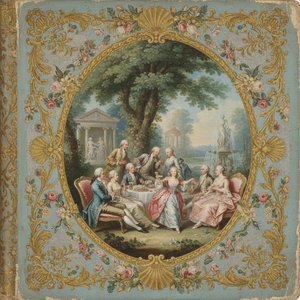
The Rococo Style: Aristocratic Leisure & the Pursuit of Delight in 18th-Century Art
Explore the opulent world of Rococo art! Discover Watteau, Boucher & Nattier's masterpieces. Expert insights for collectors seeking museum-quality reproductions and custom portraits at OriginalUniqueArt.
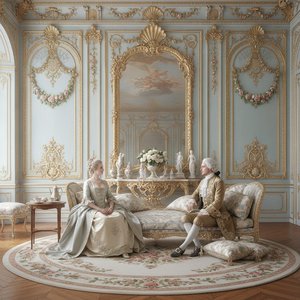
Rococo Art Guide: Elegance, Ornamentation, and the Era of Luxury
Explore the elegance of Rococo art. From Watteau to Fragonard, discover the history, aesthetics, and masters of 18th-century luxury in this expert guide for art lovers and collectors.

Rococó: 10 Obras-Primas que Definiram um Movimento Artístico Elegante | OriginalUniqueArt.com
Descubra as 10 obras-primas do Rococó! Explore a elegância de Fragonard, Boucher e Watteau. A arte do século XVIII ganha vida com cores pastel e detalhes luxuosos. Encontre reproduções de alta qualidade em OriginalUniqueArt.com.

The Allure of Elegance in Art: A Historical & Aesthetic Exploration of Refinement & Grace
Explore the exquisite world of Rococo art! Discover its history, masters (Watteau, Boucher & more), and defining elegance. Expert insights for collectors seeking museum-quality reproductions & custom portraits.

The Rococo Aesthetic: Opulence, Rebellion & the Pursuit of Pleasure in 18th-Century Art
Explore the opulent world of Rococo art! Discover its origins, key artists like Watteau & Boucher, and lasting influence on design. Expert insights for collectors & enthusiasts.

