Early Renaissance · 1461
Triptych (Nicolas Froment, 1461)
Nicolas Froment (1430–1484) criou Triptych. Data de 1461. Pertence ao movimento Early Renaissance. É feito em Oil On Panel. Está conservada no Galleria degli Uffizi, em Florença, Itália. Mede 134 × 175 cm.
- 1461
- Oil On Panel
- 134 × 175 cm
- Galleria degli Uffizi, Florença

 Visualizar na parede

 Pintura a Óleo Feita à Mão
 Compartilhar
 Compartilhar
 Ficha técnica


 Baixar imagem
 Semelhantes
 Raio X
 Ver diaporama
 Perguntas e Respostas

 Estatísticas
Triptych, em resumo
- Título
- Triptych
- Artista
- Nicolas Froment (1430–1484)
- Artista nascido em
- Uzès, França
- Data
- 1461
- Técnica
- Oil On Panel
- Dimensões
- 134 × 175 cm
- Onde ver
- Galleria degli Uffizi, Florença, Itália
- Movimento
- Early Renaissance
- Período
- Renaissance
- Tema
- triptych, life of christ, crucifixion, resurrection, religious art, biblical scene
O que Triptych retrata?
A Divine Narrative in Wood and Pigment
Behold this magnificent triptych, a profound meditation on the life of Jesus Christ, executed by the master hand of Nicolas Froment in 1461. This work is not merely a depiction; it is a devotional journey across three pivotal moments of Christian history—the serene beginnings, the agonizing sacrifice, and the triumphant dawn of resurrection. The sheer narrative scope contained within these panels invites the viewer into an intimate dialogue with sacred storytelling. From the gentle glow surrounding the Nativity scene in the first panel, where Mary cradles the infant Jesus amidst shepherds and angels, to the dramatic tension etched into the crucifixion tableau, and finally to the radiant emergence from the tomb, each segment pulses with untold human drama and divine mystery.
Mastery of the Early Renaissance Style
Nicolas Froment stands at a fascinating crossroads in art history—a painter whose work beautifully bridges the lingering grace of the Gothic tradition with the burgeoning naturalism whispered by Flemish influences. His technique, characteristic of the Second School of Avignon, allows for an astonishing level of detail while maintaining a spiritual resonance. Observe the figures: they are not static icons but breathing participants. The drapery falls with convincing weight, and the faces carry distinct, palpable emotions—a mixture of awe, sorrow, piety, and wonder. This commitment to naturalism, coupled with the vibrant palette achieved through meticulous hand-painting, gives the entire piece an immediate, almost tangible presence that transcends its age.
Symbolism and Emotional Resonance
The symbolism woven throughout this triptych is rich and deeply layered. The progression from birth to death to resurrection encapsulates the core tenets of Christian faith—the cycle of sacrifice leading inevitably to eternal life. Each figure, whether a Roman soldier, a grieving disciple, or an angelic messenger, carries symbolic weight. For the modern collector or decorator, owning such a piece means acquiring more than just art; it is acquiring a focal point for contemplation and spiritual reflection. The vibrant colors are employed not just for beauty, but to heighten the emotional stakes of each scene, drawing the eye through the narrative arc.
A Statement Piece for Any Grand Interior
Measuring 175 x 134 cm, this triptych possesses a commanding presence. It is designed to anchor a significant space—perhaps a grand hall, a library, or a chapel-inspired room. While the original wood paneling speaks of centuries of history, acquiring a high-quality reproduction allows you to integrate this monumental piece of art into your contemporary décor with confidence. The depth and complexity of Froment’s vision ensure that it will remain a captivating centerpiece, drawing admiration for its masterful execution and profound subject matter.
Em qual museu se encontra Triptych?
Galleria degli Uffizi
Florença, Itália
A História e as Origens da Galleria degli Uffizi A Galleria degli Uffizi encontra-se no coração de Florença, na Itália. A instituição foi estabelecida em 1560, um período em que o edifício foi originalmente concebido por Giorgio Vasari para servir aos magistrados florentinos. A construção da estrutura desenrolou-se entre 1560 e 1580, tendo estes escritórios administrativos sido projetados para centralizar os diversos comitês e agências do governo da cidade.


Imagens em alta resolução de Triptych

Nicolas Froment, Triptych (1461), Galleria degli Uffizi. Domínio público.
Perguntas sobre Triptych respondidas
Onde "Triptych", de Nicolas Froment está em exibição hoje?
A obra original "Triptych" pode ser vista no Galleria degli Uffizi, Florença, Itália.
Em que ano foi criada a obra "Triptych", de Nicolas Froment?
"Triptych", de Nicolas Froment foi criado em 1461.
Qual é a técnica utilizada em "Triptych", de Nicolas Froment?
"Triptych" é executada em Oil On Panel.
Quais são as dimensões de "Triptych", de Nicolas Froment na vida real?
As dimensões registradas de "Triptych", de Nicolas Froment são 175 x 134 cm. Reproduções podem ser encomendadas em outros tamanhos, mantendo as mesmas proporções.
Quais temas aparecem em "Triptych", de Nicolas Froment?
"Triptych", de Nicolas Froment retrata: triptych, life of christ, crucifixion, resurrection, religious art, biblical scene.
A imagem de "Triptych", de Nicolas Froment pode ser reproduzida livremente?
Informação de direitos autorais para "Triptych", de Nicolas Froment: a obra está em em domínio público — seus direitos autorais expiraram. Isso determina se reproduções da imagem podem ser feitas livremente.
Quem criou "Triptych"?
"Triptych" foi criado por Nicolas Froment. As informações nesta página descrevem a obra original de Nicolas Froment.
A qual estilo pertence "Triptych"?
"Triptych", de Nicolas Froment pertence ao movimento Early Renaissance. Este movimento fornece o contexto estilístico da obra.
A que fase da trajetória de Nicolas Froment "Triptych" pertence?
"Triptych" pertence ao Early Renaissance da carreira de Nicolas Froment. Esta classificação relaciona a obra ao desenvolvimento do artista.
Sobre o artista, Nicolas Froment
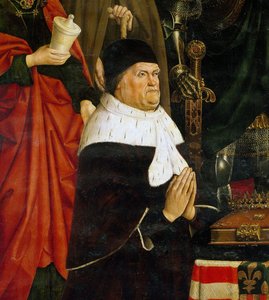
1430–1484, França
Nicolas Froment
Nicolas Froment: Um Eco Flamengo na Provença do Início do Renascimento Nicolas Froment (c. 1435 – c. 1486) ergue-se como uma figura fundamental dentro da Segunda Escola de Avignon, marcando um ponto de inflexão crucial entre a tradição gótica e o florescente naturalismo flamengo na arte francesa durante o século XV. Nascido em Uzès, na França, a trajetória artística de Froment coincidiu com uma era profundamente impactada pelo mecenato papal e pelo fascínio dos ideais do Renascimento italiano — uma dinâmica que impulsionou a experimentação estilística e, em última análise, consolidou seu lugar como um dos pintores mais celebrados da Provença.
Também de Nicolas Froment
 The Burning Bush (detail)1476
 Matheron Diptych1474
 The Raising of Lazarus1461
 The Pérussis Altarpiece1480

Ensaios sobre Triptych
 The Statement Wall: Mastering Large-Scale Art for Commanding InteriorsMaster the art of commanding interiors with our expert guide to large-scale statement walls. Discover how premium, museum-quality oil paint…
 25 Masterpieces by Rogier van der Weyden: The Pinnacle of Emotional ArtImmerse yourself in the profound emotion of Rogier van der Weyden’s greatest works. From Northern Renaissance mastery to exquisite textures…
 25 Masterpieces by Giotto di Bondone: The Father of Renaissance ArtJourney through the revolutionary world of Giotto di Bondone. Explore 25 iconic masterpieces that bridged the Medieval and Renaissance eras…