

 Visualizar em escala
 Enviar
 Compartilhar
 Ver detalhes
 Guia de Obras do Aluno

 Baixar imagem
 Semelhantes
 Raio X
 Apresentação de slides
 Estatísticas
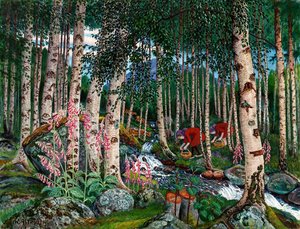
Gethsemane
 Oil On Board
- Neo-Romanticism
 1926
1926- Modern
 42.0 x 32.0 cm
 Bergen Kunstmuseum
 Ver mais
Reprodução em Óleo Feita à Mão
Óleo sobre tela pintado à mão no tamanho e moldura de sua escolha, feito sob encomenda pelos nossos artistas. ( Alternar para Impressão Ver Imagem Digital)




P118B €10

P118H €10

P118W €10

P438Z €10

P508JH €12

P508YH €12

P805H €10

P805Z €10

P919BZ €10

P919G €10

P919XJ €10

P959ZH €10

P968JZ €12

W106C €8

W218G €10

W218JH €8

W218Y €10

W307PJ €10

W316G €10

W316PJ €8

W316Y €10

W398PJ €8

W4111J €10

W500HY €15

W500JH €15

W692G €12

W849H €8

W940BG €15

W953PJ €8




Escolha entre os nossos tamanhos pré-definidos que respeitam as proporções originais da obra de arte.

Digite a largura e a altura de que necessita, para se ajustar à sua moldura ou à sua parede. Esta obra é pintada à mão, por isso, para um tamanho com uma proporção diferente, o artista pode pintar um pouco mais ao redor da imagem ou cortar um pouco — você escolhe. Enviamos-lhe uma maquete digital para aprovação antes de a pintura começar. A imagem exibida nesta página não mostra o resultado real — apenas a maquete mostra.
Após o pedido, a equipa OriginalUniqueArt.com enviará um e-mail ao cliente para solicitar instruções e fornecer uma prévia do esboço.
Entrega mundial () em 3 a 4 semanas, em vez das 5 semanas padrão. (21 Outubro). Sem comprometer a qualidade.

Envio expresso gratuito para todo o mundo

Tela de Linho Premium

Seguro de transporte total

Garantia de Reembolso de Impostos Alfandegários

Garantia de Fidelidade de Cor

Política de Devolução em 100 Dias (Apenas para Defeitos)

Garantia de reembolso de 100%

Desconto para múltiplas unidades
 A opção de vidro está disponível apenas para tamanhos inferiores a 110 cm

Gethsemane
Técnica de Reprodução
Dimensões da Reprodução
-


Preço Total
€ 262
A Visionary Encounter in the Norwegian Garden
In the quiet, evocative depths of Nikolai Astrup’s 1926 masterpiece, Gethsemane, the boundaries between biblical history and the intimate landscapes of Norway begin to dissolve. While the title refers to the sacred garden in Jerusalem where Christ faced his darkest hour, Astrup performs a profound act of artistic localization. He transports this monumental moment of spiritual agony into the familiar, lush surroundings of the parsonage garden in Ålhus. This is not merely a religious illustration; it is a dreamlike fusion of the divine and the terrestrial. The viewer is invited into a space where the heavy atmosphere of the crucifixion narrative meets the verdant, mystical textures of the West Norwegian landscape, creating a scene that feels both ancient and deeply personal.
The composition breathes with a sense of quiet drama, capturing a moment of profound transition. As the eye wanders through the painting, one encounters a scene that oscillates between a somber historical event and a visionary hallucination. The presence of figures—some appearing caught in the weight of the narrative, others seemingly lost in a trance-like state—suggests a world where the veil between reality and the supernatural is perilously thin. This sense of mystery is heightened by the scattered birds that drift through the sky and perch upon the landscape, acting as silent witnesses to the unfolding drama. For the collector or designer, this piece offers more than just a subject; it offers an atmosphere of contemplative depth that can anchor a room with its soulful, introspective energy.
Technique and the Language of Light
Astrup’s technical mastery is evident in his use of oil on cardboard, a medium that allows for a rich, concentrated application of pigment. His style, rooted in Neo-Romanticism, eschews clinical realism in favor of an intense, emotive color palette. The textures are tactile and layered, reflecting the artist's lifelong obsession with the "visual language" of his homeland. He employs light not just to illuminate form, but to evoke mood; the shadows are deep and heavy, yet they are pierced by a spectral luminosity that suggests the presence of a divine vision. This interplay of light and shadow creates a rhythmic movement across the canvas, guiding the viewer through the dense foliage and toward the heart of the spiritual struggle.
The brushwork possesses a certain raw, organic vitality that mirrors the ruggedness of the Norwegian fjords. There is no sterile perfection here; instead, there is a deliberate, expressive quality that celebrates the natural world's untamed spirit. For those seeking to incorporate fine art into a sophisticated interior, a high-quality reproduction of Gethsemane provides a centerpiece of immense character. The painting’s ability to command attention through its complex textures and brooding tones makes it an ideal choice for spaces designed for reflection, such as libraries, study alcoves, or quiet sitting rooms where the interplay of history and nature can be fully appreciated.
A Legacy of Spiritual and National Identity
To understand Gethsemane is to understand Nikolai Astrup’s broader mission: to capture the very soul of Norway. By situating a universal Christian narrative within his own local topography, he elevates the Norwegian landscape to a stage for the eternal. This technique of "sacralizing" the everyday—turning a simple garden patch into a site of cosmic significance—is what makes his work so enduringly powerful. The painting serves as a bridge between the theological and the topographical, making the profound accessible through the familiar.
For the discerning art lover, owning a reproduction of this work is an opportunity to possess a fragment of this visionary legacy. It is a piece that invites continuous re-examination, revealing new layers of symbolism and emotion with every viewing. Whether one is drawn to its historical weight, its masterful use of color, or its ability to evoke the misty, magical atmosphere of a Norwegian night, Gethsemane remains a breathtaking testament to the power of art to transform the world we see into a world we feel.
Perguntas e Respostas
"Gethsemane", de Nikolai Astrup, está em domínio público? E por quê?
O status de direitos autorais de "Gethsemane" - em domínio público - seus direitos autorais expiraram - decorre do falecimento do artista em 1928.
Quais temas aparecem em "Gethsemane" de Nikolai Astrup?
"Gethsemane" de Nikolai Astrup retrata: biblical scene, religious, jesus christ, gethsemane, norway landscape, night scene, visionary.
Como "Gethsemane" se situa historicamente?
Historicamente, "Gethsemane" é uma obra Neo-Romanticism da mais ampla era Modern.
Biografia do Artista
Nikolai Astrup: Um Visionário de Vestlandet
Nikolai Astrup (1880 – 1928) ergue-se como uma figura singular na história da arte norueguesa — um pintor cuja conexão profunda com as paisagens e tradições de Vestlandet consolidou seu lugar entre os artistas neo-românticos mais distintos de sua época. Nascido em Bremanger, Sogn og Fjordane, a criação de Astrup entre fiordes escarpados e vales serenos moldou profundamente sua sensibilidade artística, impulsionando-o em direção a um estilo caracterizado por paletas de cores intensas e uma dedicação inabalável ao retrato da vida cotidiana da Noruega rural. Seu legado reside não apenas em telas esteticamente agradáveis, mas também em seu esforço pioneiro para capturar "uma linguagem visual nacional que evocasse as tradições e o folclore de sua terra natal".- Primeiros Anos e Educação: Os anos formativos de Astrup foram marcados por uma piedade familiar instilada por seu pai, Christian Astrup, um pároco que o incentivou aos estudos teológicos. Apesar das inclinações iniciais para o ministério, a paixão de Astrup pelo desenho e pela pintura acabou levando-o a abandonar a Trondheim Cathedral School em favor da busca por empreendimentos artísticos em Kristiania (Oslo), onde aperfeiçoou suas habilidades sob a tutela de Harriet Backer.
- <Influências Parisianas: Uma breve passagem por Paris expôs Astrup ao florescente movimento de vanguarda, fomentando conexões com colegas artistas como Christian Krohg e enriquecendo sua compreensão das técnicas impressionistas. Este período solidificou seu compromisso com a experimentação e ampliou seus horizontas artísticos.
- <O Retorno a Jølster e o Desenvolvimento Artístico: Ao retornar à sua casa ancestral em Jølster, em 1902, Astrup estabeleceu um lar centrado em sua esposa, Engel Sunde, com quem teve oito filhos. As dificuldades econômicas de sua vida alimentaram seu ímpeto artístico e o impulsionaram a mergulhar totalmente na representação de seus arredores — uma paisagem que serviu como uma fonte duradoura de inspiração.
- Exposições Notáveis: A reputação artística de Astrup cresceu de forma constante através de três exposições significativas realizadas em Kristiania (1905), Bergen (1908) e Oslo (1911). Essas mostras conquistaram o aclame da crítica e o estabeleceram como uma voz de liderança no cenário artístico norueguês.
- <Grandes Conquistas e Legado: A contribuição duradoura de Astrup para a arte norueguesa reside em sua busca inabalável pela autenticidade artística — um compromisso em retratar a beleza e o espírito de Vestlandet com honestidade intransigente. Suas pinturas continuam a ressoar hoje, servindo como emblemas poderosos do patrimônio nacional e personificando os ideais do neo-romantismo.
Nikolai Astrup
1880 - 1928 , Noruega
Informações Rápidas
- Artistic Movement Or Style: Neo-Romantismo
- Artists Or Movements Influenced By This Artist: ['Arte Escandinava']
- Artists Who Influenced This Artist: ['Christian Krohg']
- Date Of Birth: 1880
- Date Of Death: 1928
- Full Name: Nikolai Johannes Astrup
- Nationality: Norueguês
- Notable Artworks:
- O Pretendente Ansioso
- Árvores Nuas
- A Menina Fiando
- Place Of Birth: Bremanger, Noruega
Artigos Relacionados

Johan Christian Dahl: Pioneering Norwegian Romantic Landscape Painting
Explore the life & art of Johan Christian Dahl, Norway's first great Romantic painter. Discover his iconic landscapes, cultural impact, and lasting legacy with OriginalUniqueArt.

Os 10 Mestres da Paisagem Romântica: Arte para Inspirar a Sua Casa
Descubra os 10 quadros mais emblemáticos da Paisagem Romântica! Explore a história de Turner, Friedrich e outros mestres. Encontre reproduções de arte exclusivas para inspirar sua decoração em OriginalUniqueArt.com.

John Constable: As 25 Obras-Primas que Definem o Mestre da Paisagem Inglesa | OriginalUniqueArt
Descubra as 25 obras-primas de John Constable, o mestre da paisagem inglesa! Explore a arte romântica, cores vibrantes e histórias fascinantes por trás de 'Hay Wain' e outras pinturas icônicas. Encontre reproduções de alta qualidade para decorar sua casa com OriginalUniqueArt.com.

Evocations of Place: A Historical Journey Through Landscape Art
Explore the rich history of landscape art with OriginalUniqueArt. Discover renowned artists, movements like Impressionism & Romanticism, and expert guidance for collecting timeless pieces. Find your perfect serene escape today!

The Sublime and the Picturesque: Exploring Emotion & Nature in Romantic Landscape Painting
Explore the emotional power of Romantic landscape painting! Discover the sublime & picturesque traditions, key artists like Friedrich & Cole, and find your perfect artwork at OriginalUniqueArt.