
 Visualizar na parede
 Compartilhar
 Compartilhar
 Detalhes
 Guia
Guia

 Baixar imagem
 Semelhantes
 Raio X
 Ver diaporama
 Perguntas e Respostas
 Estatísticas
The Idle Servant

- 70.0 x 53.0 cm


 Ler mais
Giclée / Impressão de Arte
Impressão giclée ou em tela de qualidade de museu, com produção rápida e opções flexíveis de acabamento. ( Comprar pintura feita à mão Alternar para Imagem Digital)




P118B €10

P118H €10

P118W €10

P438Z €10

P508JH €12

P508YH €12

P805H €10

P805Z €10

P919BZ €10

P919G €10

P919XJ €10

P959ZH €10

P968JZ €12

W106C €8

W218G €10

W218JH €8

W218Y €10

W307PJ €10

W316G €10

W316PJ €8

W316Y €10

W398PJ €8

W4111J €10

W500HY €15

W500JH €15

W692G €12

W849H €8

W940BG €15

W953PJ €8




Escolha entre os nossos tamanhos pré-definidos que respeitam as proporções originais da obra de arte.

Insira a largura e a altura desejadas para se ajustarem à sua moldura ou parede. Uma impressão pode ser apenas cortada, nunca ampliada além da imagem original; portanto, um tamanho com proporções diferentes resultará na perda de parte da imagem. Enviamos uma maquete digital para sua aprovação antes de realizarmos a impressão. A imagem exibida nesta página não mostra o corte real — apenas a maquete o faz.
Entrega mundial () em 2 semanas, em vez das 4/5 semanas padrão. (5 Novembro)

Envio expresso gratuito para todo o mundo

Tela de Linho de Alta Qualidade

Seguro de transporte completo

Garantia de Reembolso de Impostos Alfandegários

Garantia de Fidelidade Cromática

Política de Devolução em 100 Dias (Apenas para Defeitos)

Garantia de reembolso de 100%

Oferta de desconto por quantidade
 A opção de vidro está disponível apenas para tamanhos inferiores a 110 cm

The Idle Servant
Giclée / Impressão de Arte
Tamanho da Reprodução
-


Preço Total
€ 72
A Moment Frozen in Dutch Light: Nicolaes Maes’s “The Idle Servant”
Nicolaes Maes's "The Idle Servant," painted in 1655, isn’t merely a depiction of two women enjoying a domestic moment; it’s a carefully constructed tableau brimming with subtle social commentary and the masterful use of light characteristic of the Dutch Golden Age. This intimate genre scene, now housed at the National Gallery in London (NG207), offers a captivating glimpse into the lives of a wealthy household, revealing both the comforts and the unspoken expectations of 17th-century Dutch society. The painting immediately draws the eye with its rich palette – deep reds, browns, and ochres dominate, punctuated by the warm glow emanating from an unseen fireplace, creating a sense of cozy domesticity that belies the underlying narrative.
Maes’s artistic lineage is inextricably linked to Rembrandt van Rijn. His apprenticeship under the master instilled within him a profound understanding of *chiaroscuro*, the dramatic interplay of light and shadow – a technique brilliantly employed here to sculpt form, define space, and draw attention to key elements. Notice how Maes uses pools of light to illuminate the seated woman’s face, highlighting her languid repose, while simultaneously shrouding the standing figure in a softer, more diffused glow. This masterful manipulation of light isn't simply aesthetic; it serves to subtly convey mood and character, hinting at the quiet resignation and perhaps even a touch of amusement present within the scene.
The Dance of Leisure and Duty
At first glance, “The Idle Servant” appears to be a simple portrayal of two women engaged in conversation. However, closer observation reveals a complex interplay of social dynamics. The woman standing, presumably the mistress of the house, is instructing or perhaps gently scolding the seated maid, who is lost in a drowsy reverie. This interaction isn’t overtly confrontational; rather, it's imbued with a quiet understanding – a recognition that even within the confines of domestic life, there are unspoken rules and expectations.
The scattered bowls, cups, and spoons surrounding the women aren’t merely props; they represent the labor involved in preparing a substantial meal. The maid’s slumber is a direct consequence of this effort, highlighting the contrast between leisure and duty – a central theme explored throughout the painting. Maes cleverly uses the arrangement of these objects to create depth and visual interest, drawing the viewer's eye into the heart of the scene. The placement of some bowls closer to the women suggests immediate needs, while others further away hint at the larger task at hand.
Symbolism and Social Commentary
Beyond its domestic setting, “The Idle Servant” offers a subtle critique of social hierarchies and gender roles. The maid’s apparent idleness is juxtaposed with the mistress's active role in overseeing the household – a reflection of the prevailing societal expectations for women during this period. The painting subtly suggests that while leisure was valued, it was always contingent upon fulfilling one’s duties within the home. The cat stealing a fowl further emphasizes this theme, representing a carefree disregard for responsibility.
Furthermore, the inclusion of the “doorkijkje” – a small window or opening in the background – is a deliberate artistic device employed by Maes and his contemporaries. This technique invites the viewer to step into another room, creating a sense of voyeurism and expanding the narrative beyond the immediate scene. It’s as if we are invited to observe a larger, unseen drama unfolding within the confines of the house.
A Masterpiece of Dutch Genre Painting
“The Idle Servant” stands as a testament to Nicolaes Maes's skill and artistry – a captivating example of Dutch Golden Age genre painting. Its masterful use of *chiaroscuro*, its nuanced portrayal of human interaction, and its subtle social commentary combine to create a work that is both visually stunning and intellectually stimulating. Reproductions by OriginalUniqueArt.com offer an exceptional opportunity to experience the beauty and depth of this remarkable painting, bringing its intimate world into your home with unparalleled fidelity.
Perguntas e Respostas
Que humor e emoção "The Idle Servant", de Nicolaes Maes transmite?
Em "The Idle Servant", um clima Calm acompanha uma emoção Reflective.
Como o meio e o movimento se combinam em "The Idle Servant"?
"The Idle Servant" é feita em Oil On Panel, no estilo Dutch Golden Age.
A que fase da carreira de Nicolaes Maes pertence "The Idle Servant" (1655)?
"The Idle Servant", criado em 1655, pertence ao Early/Mid Career da carreira de Nicolaes Maes.
Biografia do Artista
Uma Vida Imersa na Luz e Sombra Holandesas
Nicolaes Maes, um nome que ressoa suavemente no panteão dos mestres da Era de Ouro holandesa, nasceu em Dordrecht, em janeiro de 1634, em um mundo repleto de prosperidade mercantil e fermento artístico. Seu pai, Gerrit Maes, um bem-sucedido comerciante de tecidos e fabricante de sabão, proporcionou uma criação confortável, permitindo que o jovem Nicolaes buscasse seu talento emergente para a pintura. Embora as primeiras instruções tenham vindo de um artista local de renome modesto, o momento crucial no desenvolvimento de Maes ocorreu quando ele viajou para Amsterdanc por volta de 1648 e ingressou no atelier de Rembrandt van Rijn. Este aprendizado provou ser transformador, imbuindo-o de um apreço duradouro pelo dramático jogo de luz e sombra – o chiaroscuro – e um domínio magistral da cor que definiria suas primeiras obras. A influência foi tão profunda que as pinturas iniciais, como representações de cenas bíblicas executadas com figuras em tamanho real e tons ricos e brilhantes, eram frequentemente atribuídas erroneamente ao próprio Rembrandt. Esses anos formativos lançaram as bases para uma carreira marcada tanto pelo brilho técnico quanto por uma compreensão íntima da emoção humana.Da Sombra de Rembrandt à Visão Independente
Ao retornar a Dordrecht em 1654, Maes começou a traçar seu próprio caminho artístico, distanciando-se gradualmente da imitação direta de seu antigo mestre. A década seguinte testemunhou uma mudança em direção a cenas de gênero domésticas de menor escala, mas retendo o colorismo vibrante que ele havia absorvido durante seu tempo com Rembrandt. Ele voltou seu olhar atento para a vida cotidiana dos cidadãos holandeses, retratando mulheres envolvidas em atividades comuns – fiando lã, lendo escrituras, preparando refeições – com notável detalhe e sensibilidade. Surgiu um fascínio particular pela intrincada arte da renda, inspirando inúmeras variações sobre este tema, cada uma um testemunho da observação meticulosa e da habilidade de Maes. Estas pinturas não eram meras representações da vida diária; eram janelas para a esfera doméstica, revelando a dignidade silenciosa e as narrativas sutis tecidas no tecido da sociedade holandesa do século XVII. Seu trabalho durante este período demonstra uma capacidade de capturar não apenas o que as pessoas faziam, mas como se sentiam ao fazê-lo.O Retratista de Amsterdã
Em 1673, Maes mudou-se para Amsterdã, um movimento que sinalizava tanto ambição artística quanto uma astuta adaptação ao evoluente mercado de arte. A cidade, ainda abalada pela guerra com a Inglaterra e a França, apresentava uma demanda crescente por retratos, e Maes rapidamente se estabeleceu como um de seus principais praticantes. Ele abandonou grande parte de seu trabalho anterior de gênero, concentrando-se, em vez disso, em capturar as semelhanças e personalidades dos proeminentes cidadãos de Amsterdã. Seus retratos são caracterizados por uma elegância refinada e percepção psicológica, revelando não apenas a semelhança física, mas também indícios de caráter e posição social. Obras como “Retrato de Gerard Röver, Comerciante e Armador em Amsterdã” exemplificam essa habilidade, apresentando um retrato digno de riqueza e orgulho cívico. Ele tornou-se adepto de transmitir status através de detalhes sutis – a qualidade dos tecidos, o corte das roupas, a postura confiante de seus modelos. Este período marcou uma mudança estilística significativa, afastando-se do calor e da intimidade anteriores em direção a uma estética mais polida e sofisticada.Legado e Apelo Duradouro
Nicolaes Maes faleceu em Amsterdã em dezembro de 1693, deixando para trás um corpo substancial de obras que continua a cativar o público até hoje. Suas pinturas oferecem percepções inestimáveis sobre os costumes sociais, interiores domésticos e complexidades psicológicas da Era de Ouro holandesa. Embora suas primeiras obras carreguem a marca inconfundível da influência de Rembrandt, Maes acabou por desenvolver um estilo distinto, caracterizado pelo detalhe meticuloso, paleta de cores vibrante e um retrato sensível do caráter humano. Sua capacidade de elevar cenas cotidianas e indivíduos à significância artística garante seu lugar entre os pintores mais importantes de sua era. Hoje, suas pinturas estão presentes em coleções prestigiadas ao redor do mundo, incluindo o Rijksmuseum em Amsterdã, a National Gallery em Londres e a National Gallery of Art em Washington D.C., prontamente acessíveis para estudo e apreciação através de plataformas como OriginalUniqueArt.com, garantindo que o legado deste mestre holandês perdure por gerações.Principais Características de Sua Obra
- Influência Rembrandtiana: As primeiras obras demonstram uma forte influência de Rembrandt van Rijn, particularmente no uso do chiaroscuro e em paletas de cores ricas.
- Cenas de Gênero: Maes é renomado por suas representações íntimas da vida cotidiana, focando em interiores domésticos e atividades como fiar, ler e fazer rendas.
- Maestria no Retrato: Ele tornou-se um dos principais pintores de retratos em Amsterdã, conhecido por capturar a semelhança e o caráter de seus modelos com precisão e elegância.
- Observação Detalhada: Suas pinturas são caracterizadas pela atenção meticulosa aos detalhes, particularmente na representação de texturas, tecidos e expressões faciais.
- Percepção Psicológica: Maes possuía uma habilidade notável de transmitir a vida interior e as emoções de seus temas através de gestos e expressões sutis.
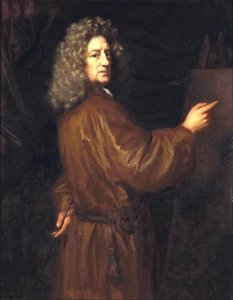
Nicolaes Maes
1634 - 1693 , Países Baixos
Dados Rápidos
- Artistic Movement Or Style: Barroco
- Artists Or Movements Influenced By This Artist: ['Houbraken']
- Artists Who Influenced This Artist: ['Rembrandt van Rijn']
- Date Of Birth: Dordrecht, 1634
- Date Of Death: Amsterdam, 1693
- Full Name: Nicolaes Maes
- Nationality: Holandês
- Notable Artworks:
- Cristo Bendicendo os Filhos
- Uma Velhinha Dormindo Sobre um Livro
- Place Of Birth: Holanda
Artigos Relacionados
Nicolaes Berchem: Dutch Golden Age Pastoralism & the Evolution of Landscape Painting
Explore the captivating world of Nicolaes Berchem, a leading Dutch Golden Age painter. Discover his idyllic landscapes, masterful technique & lasting influence on art history. Learn more at OriginalUniqueArt.

A Era de Ouro Holandesa: 10 Mestras-Obras Imperdíveis para Decorar com Arte
Descubra as 10 obras-primas da Era de Ouro Holandesa! Explore a história, técnica e beleza atemporal de Rembrandt, Vermeer e outros mestres. Encontre reproduções de arte exclusivas para decorar sua casa com elegância em OriginalUniqueArt.com.

Golden Age Reflections: Dutch Baroque Painting & Cultural Innovation
Explore the Dutch Golden Age of painting! Discover key artists like Vermeer & ter Borch, their innovative techniques, and the rich cultural context behind these Baroque masterpieces. Learn about collecting & appreciating this iconic art period.

Mastering Light & Shadow: A Journey Through the Dutch Golden Age's Luminous Legacy
Embark on a cultural journey through the Dutch Golden Age. Explore the masterful interplay of light and shadow in 17th-century masterpieces, from Rembrandt to Vermeer, and discover how this era of profound realism continues to inspire fine art collectors today.

Golden Light & Dutch Skies: The Timeless Magic of Dutch Golden Age Landscapes
Discover the breathtaking beauty of Dutch Golden Age landscapes. Explore the mastery of light, chiaroscuro, and 17th-century realism through an expert art history lens, celebrating the enduring legacy of the Dutch Masters for discerning collectors and art lovers.
