

 Visualizar na parede
 Compartilhar
 Compartilhar
 Detalhes
 Guia
Guia

 Baixar imagem
 Semelhantes
 Raio X
 Ver diaporama
 Estatísticas
Salvador Todo-Poderoso
 Acrílico sobre tela
- Arte de Parede
- Byzantine Art
 1907
1907- Século XIX
 127.0 x 102.0 cm
 Ler mais
Giclée / Impressão de Arte
Impressão giclée ou em tela de qualidade de museu, com produção rápida e opções flexíveis de acabamento. ( Comprar pintura feita à mão Alternar para Imagem Digital)




P118B €10

P118H €10

P118W €10

P438Z €10

P508JH €12

P508YH €12

P805H €10

P805Z €10

P919BZ €10

P919G €10

P919XJ €10

P959ZH €10

P968JZ €12

W106C €8

W218G €10

W218JH €8

W218Y €10

W307PJ €10

W316G €10

W316PJ €8

W316Y €10

W398PJ €8

W4111J €10

W500HY €15

W500JH €15

W692G €12

W849H €8

W940BG €15

W953PJ €8




Escolha entre os nossos tamanhos pré-definidos que respeitam as proporções originais da obra de arte.

Insira a largura e a altura desejadas para se ajustarem à sua moldura ou parede. Uma impressão pode ser apenas cortada, nunca ampliada além da imagem original; portanto, um tamanho com proporções diferentes resultará na perda de parte da imagem. Enviamos uma maquete digital para sua aprovação antes de realizarmos a impressão. A imagem exibida nesta página não mostra o corte real — apenas a maquete o faz.
Entrega mundial () em 2 semanas, em vez das 4/5 semanas padrão. (26 Outubro)

Envio expresso gratuito para todo o mundo

Tela de Linho de Alta Qualidade

Seguro de transporte completo

Garantia de Reembolso de Impostos Alfandegários

Garantia de Fidelidade Cromática

Política de Devolução em 100 Dias (Apenas para Defeitos)

Garantia de reembolso de 100%

Oferta de desconto por quantidade
 A opção de vidro está disponível apenas para tamanhos inferiores a 110 cm

Salvador Todo-Poderoso
Giclée / Impressão de Arte
Tamanho da Reprodução
-


Preço Total
€ 70
A Visão de Majestade Espiritual: "Salvador Poderoso" de Nicholas Roerich (1907)
A obra de Nicholas Roerich, “Salvador Poderoso”, transcende a mera representação de Cristo; é uma profunda meditação sobre a fé, o sacrifício e o espírito humano duradouro. Pintada em 1907, durante seus anos formativos como artista simbolista, esta peça revela imediatamente a fascinação de Roerich pela iconografia bizantina e seu poderoso simbolismo. O poder da pintura reside não apenas em sua execução técnica – embora essa seja inegavelmente magistral – mas em sua capacidade de evocar um sentimento profundamente sentido de reverência e contemplação.
Raízes Bizantinas e Simbolismo
Roerich foi profundamente influenciado pela arte do Império Bizantino, particularmente os ícones produzidos para a Igreja Ortodoxa Oriental. “Salvador Poderoso” incorpora perfeitamente essa influência. A figura alongada de Cristo, representada com uma presença serena mas poderosa, é característica das representações bizantinas. O uso da folha de ouro – uma marca registrada dos mosaicos e ícones bizantinos – cria um brilho etéreo, elevando a cena para além do mundo terreno. Observe a falta deliberada de detalhes no rosto de Cristo; não se trata de realismo fotográfico, mas sim de transmitir a verdade espiritual através da forma simplificada. O halo, um símbolo universal de divindade, irradia para fora, atraindo o espectador ao coração da imagem. A própria composição – Cristo centralizado contra um fundo escuro e indefinido – ecoa as convenções iconográficas tradicionais, projetadas para concentrar a atenção no sujeito divino.
Técnica e Processo Artístico
Roerich empregou tintas a óleo com cuidado meticuloso, aplicando-as em finíssimas camadas para alcançar a qualidade luminosa do ouro e as sutis gradações de cor. A pincelada é notavelmente suave, contribuindo para a sensação de calma e estabilidade da pintura. Ele estudou diligentemente as técnicas dos artistas bizantinos, buscando não apenas capturar a aparência visual, mas também a essência espiritual do sujeito. É interessante notar o interesse de Roerich em hipnose e estudos esotéricos, que influenciaram seu processo artístico; ele acreditava que a arte poderia ser um canal para acessar estados de consciência superiores. A quase hipnótica qualidade da pintura é um testemunho dessa crença.
Um Legado de Exploração Espiritual
"Salvador Poderoso" representa um momento crucial na jornada artística de Roerich, prenunciando suas explorações posteriores no misticismo oriental e sua dedicação vital à preservação do patrimônio cultural. É um exemplo poderoso da capacidade da arte simbolista de transcender a mera representação e envolver o espectador em um nível emocional e espiritual profundo. Hoje, esta reprodução oferece uma oportunidade de experimentar a beleza profunda e a sabedoria atemporal contidas na obra-prima de Roerich – uma peça que continua a inspirar admiração e contemplação.
- Artista: Nicholas Roerich
- Estilo Artístico: Religioso, Simbólico
- Dimensões: 127 x 102 cm
- Influências: Russian Symbolism, Ramakrishna, Vivekananda
Perguntas e Respostas
Em que ano foi criado "Salvador Todo-Poderoso", de Nicolás Roerich?
"Salvador Todo-Poderoso" data de 1907. A data situa a obra na carreira de Nicolás Roerich e em sua época.
Que paleta e que sentimento "Salvador Todo-Poderoso" evoca?
A paleta Tons escuros de "Salvador Todo-Poderoso", de Nicolás Roerich harmoniza-se com seu tom emocional Misterioso. A cor é uma das formas pelas quais uma obra transmite sentimento.
Como posso descobrir obras de arte semelhantes a "Salvador Todo-Poderoso", de Nicolás Roerich?
Obras de arte semelhantes a "Salvador Todo-Poderoso", de Nicolás Roerich podem ser encontradas na página de Obras semelhantes desta obra.
Biografia do Artista
A Life Immersed in Art and Spirit
Nicholas Roerich, born October 9, 1874, in the vibrant cultural heart of Saint Petersburg, Russia, was a figure whose life transcended the boundaries of artistic expression. He wasn’t merely a painter; he was an archaeologist, a writer, a philosopher, and a tireless advocate for peace and cultural preservation. His upbringing, steeped in both intellectual rigor – his father was a notary public – and artistic appreciation thanks to his mother, laid the foundation for a remarkably multifaceted career. Roerich simultaneously pursued studies in law and art at St. Petersburg University and the Imperial Academy of Arts beginning in 1893, demonstrating an early commitment to a broad understanding of the world. This dual path wasn’t contradictory for him; rather, it reflected a belief that artistic vision needed grounding in historical context and intellectual discipline. He received his artist designation in 1897 and completed his law degree the following year, setting the stage for a life dedicated to both creative exploration and reasoned action.The Allure of Symbolism and Theatrical Innovation
Roerich’s artistic development was profoundly shaped by the currents of Russian Symbolism, a movement that sought to evoke emotional and spiritual depths through evocative imagery and suggestive forms. He quickly became involved with Sergei Diaghilev's influential “World of Art” society, eventually assuming its presidency from 1910 to 1916. This association proved pivotal, exposing him to a network of innovative artists, composers, and thinkers who were redefining the landscape of Russian art. His early work revealed a fascination with archaeology and stage design, leading to groundbreaking collaborations with Diaghilev’s Ballets Russes. Roerich's designs for productions like Alexander Borodin's *Prince Igor* (1909) and, most famously, Igor Stravinsky’s revolutionary *The Rite of Spring* (1913), were not simply backdrops; they were integral components of the theatrical experience. He blended meticulous historical research with a bold imaginative vision, creating visually stunning environments that amplified the emotional power of the music and choreography. These designs weren't merely decorative; they were attempts to evoke primordial forces and ancient rituals, reflecting the Symbolist interest in myth and spirituality. His work was also influenced by apocrypha and medieval sectarian writings like the Dove Book, adding layers of esoteric meaning to his artistic creations.A Journey Towards Mysticism and Himalayan Visions
As Roerich’s career progressed, his paintings underwent a significant transformation, increasingly embracing mystical and spiritual themes. This shift was fueled by his growing interest in Theosophy and Eastern religions, philosophies that emphasized the interconnectedness of all things and the pursuit of inner wisdom. His *Architectural Studies* series (1904–1905) showcased not only his architectural skill but also a deep commitment to preserving cultural heritage, foreshadowing his later advocacy for protecting art during times of conflict. Recurring motifs began to emerge in his work: majestic landscapes, ancient cities shrouded in mystery, and figures imbued with spiritual significance like St. Panteleimon and Kuan Yin. He embarked on extensive travels throughout Central Asia, conducting archaeological research and documenting ancient cultures, experiences that deeply informed his artistic vision and reinforced his belief in the importance of cultural understanding. The Himalayas became a central subject in his paintings, representing not just a geographical location but a realm of profound spiritual power and enlightenment – a place he considered to be the source of all creative energy.Key Works & Continuing Relevance
- Saint Nicholas: A detailed monochrome mural showcasing medieval art and heraldic symbolism.
- City: Evocative depictions of ancient urban landscapes, reflecting his archaeological interests.
- Lake of the Nagas: A tempera painting blending symbolism and nature, exemplifying his unique artistic vision.
A Pioneer in Cultural Preservation
Beyond his artistic achievements, Nicholas Roerich was a passionate advocate for the protection of cultural treasures. Recognizing the devastating impact of war on art and architecture, he dedicated much of his life to raising awareness about this threat and promoting international cooperation to safeguard these invaluable legacies. His tireless efforts culminated in the creation of the Roerich Pact in 1935 – an unprecedented agreement among nations aimed at preventing the destruction of cultural property during armed conflicts. This initiative demonstrated his profound commitment to humanity and earned him multiple nominations for the Nobel Peace Prize, solidifying his place as a true humanitarian figure. His work serves as a powerful reminder that art is not merely aesthetic pleasure but also a vital link to our past and a crucial element in building a more peaceful future.
Nicolás Roerich
1874 - 1947 , Rússia
Dados Rápidos
- Artistic Movement Or Style: Simbolismo, Arte Espiritual
- Artists Or Movements Influenced By This Artist: ['Simbolismo Russo']
- Artists Who Influenced This Artist: ['Diaghilev']
- Date Of Birth: 9 de Outubro de 1874
- Date Of Death: 13 de Dezembro de 1947
- Full Name: Nicholas Roerich
- Nationality: Russo
- Notable Artworks:
- Saint Nicholas
- Cidade
- Lago dos Nagas
- Place Of Birth: São Petersburgo, Rússia
Artigos Relacionados
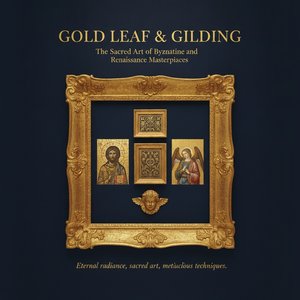
The Sacred Glow: Mastering Gold Leaf and Gilding in Byzantine Art
Explore the divine mastery of Byzantine gold leaf and gilding. Discover how ancient artisans used gold ground and mosaics to create celestial light, a timeless legacy of spiritual splendor and technical excellence in sacred art history.

Ouro na Arte: 10 Pinturas Famosas que Brilham com Folha de Ouro | OriginalUniqueArt
Descubra 10 pinturas famosas que usam a folha de ouro para criar beleza e simbolismo atemporal. Explore obras renascentistas, ícones bizantinos e a arte sacra online. Encontre reproduções de alta qualidade em OriginalUniqueArt.com!

Gilded Glory: The High-Impact Art of Gold Leaf and Byzantine Masterpieces
Explore the celestial brilliance of Byzantine masterpieces. Discover the sacred alchemy of gold leaf, the spiritual depth of Orthodox icons, and how this high-impact gilded glory continues to inspire awe in fine art history and modern luxury interiors.
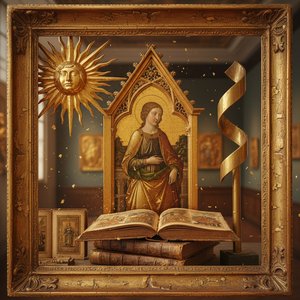
Golden Splendor: An Editorial Journey Through Art's Most Radiant Masterpieces
Embark on a visual journey through the world's most radiant masterpieces. Discover how gold leaf, impasto textures, and gilded tones define luxury in fine art, from Byzantine icons to modern abstracts. Explore the eternal allure of gold in curated, museum-quality art collections.
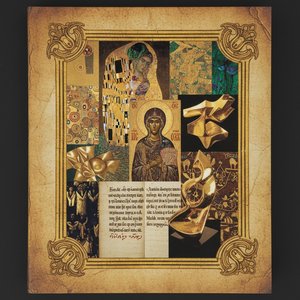
The Allure of Gold in Art History: Symbolism, Technique & Cultural Significance
Explore the rich history of gold in art! Discover symbolism, techniques & cultural significance from ancient civilizations to Klimt's masterpieces. Expert insights for collectors at OriginalUniqueArt.


