

 Visualizar em escala
 Enviar
 Compartilhar
 Ver detalhes
 Guia de Obras do Aluno

 Baixar imagem
 Semelhantes
 Raio X
 Apresentação de slides
 Estatísticas
Virgin and Child


 Ver mais
Giclée / Impressão de Arte
Impressão giclée ou em tela de qualidade de museu, com produção rápida e opções flexíveis de acabamento. ( Encomendar reprodução pintada à mão Ver Imagem Digital)




P118B $10

P118H $10

P118W $10

P438Z $10

P508JH $12

P508YH $12

P805H $10

P805Z $10

P919BZ $10

P919G $10

P919XJ $10

P959ZH $10

P968JZ $12

W106C $8

W218G $10

W218JH $8

W218Y $10

W307PJ $10

W316G $10

W316PJ $8

W316Y $10

W398PJ $8

W4111J $10

W500HY $15

W500JH $15

W692G $12

W849H $8

W940BG $15

W953PJ $8




Escolha entre os nossos tamanhos pré-definidos que respeitam as proporções originais da obra de arte.

Você pode inserir suas próprias dimensões para se ajustar a uma moldura ou espaço específico. Se o tamanho selecionado não corresponder às proporções da imagem original, iremos recortar a obra de arte ou estender a imagem com uma borda espelhada ou preenchimento sólido. Um mockup digital será enviado para sua aprovação antes do início da produção.
Por favor, observe que a visualização na tela não reflete o recorte ou a extensão real. Apenas o mockup mostrará com precisão a composição final.
Embora tamanhos personalizados estejam disponíveis, recomendamos selecionar uma dimensão da lista predefinida para preservar as proporções originais.
Entrega mundial () em 2 semanas, em vez das 4/5 semanas padrão. (27 Setembro)

Envio expresso gratuito para todo o mundo

Tela de Linho Premium

Seguro de transporte total

Garantia de Reembolso de Impostos Alfandegários

Garantia de Fidelidade de Cor

Política de Devolução em 100 Dias (Apenas para Defeitos)

Garantia de reembolso de 100%

Desconto para múltiplas unidades
 A opção de vidro está disponível apenas para tamanhos inferiores a 110 cm

Virgin and Child
Giclée / Impressão de Arte
Dimensões da Reprodução
-


Preço Total
$ 80
A Florentine Embrace: Niccolò di Pietro Gerini’s Virgin and Child
Within the vibrant tapestry of 14th-century Florence, a city poised on the cusp of the Renaissance, flourished an artist whose work quietly yet powerfully bridged the gap between the Gothic past and the burgeoning naturalism of the new era: Niccolò di Pietro Gerini. His “Virgin and Child,” a captivating panel painting, offers a glimpse into this transitional period, revealing a masterful command of traditional techniques while hinting at the evolving artistic sensibilities that would soon define the Renaissance. More than just a devotional image, it’s a testament to the enduring power of faith, family, and the delicate balance between reverence and human emotion.
Gerini, born around 1340 and passing away circa 1415, was deeply rooted in the Florentine artistic community. His father, Pietro Geri, a member of the Guild of Saint Luke, instilled within him an early appreciation for art, setting the stage for his own career. The painting itself is executed in tempera on panel, transferred to canvas – a common practice at the time that allowed for greater durability and surface preparation. The composition adheres closely to established Gothic conventions: figures are rendered with a certain stiffness and dramatic movement, their poses conveying a sense of solemnity and timelessness. Yet, subtle shifts begin to emerge—a hint of volume in the drapery, a more expressive quality in the faces – foreshadowing the naturalistic advancements that would soon characterize Renaissance art.
The Iconography of Devotion
At the heart of the panel resides the Virgin Mary, depicted in a seated posture, her hands gently cradling the infant Jesus. This iconic image—the “Virgin and Child”—is a cornerstone of Christian iconography, representing purity, humility, and divine grace. Mary’s blue cloak, a symbol of heaven and spiritual perfection, contrasts beautifully with the red dress she wears, referencing the blood of Christ and his sacrifice. The vibrant colors, typical of Florentine painting during this period, contribute to the overall sense of majesty and reverence. The presence of two angels flanking the central figures further emphasizes the sacred nature of the scene, each holding musical instruments – a lute and a small organ – suggesting a serene and divine atmosphere filled with harmonious beauty.
The saints depicted alongside Mary—St Paul, St Stephen, St Anthony Abbott, and three female martyrs—add layers of meaning to the composition. These figures represent the broader Christian community united in devotion to the Virgin and Child. Their inclusion reinforces the painting’s message of faith, hope, and charity – core tenets of Christian belief.
A Glimpse into a Master's Workshop
Gerini’s style is often described as “Gothic-influenced,” reflecting his training within the established traditions of Florence. However, it’s crucial to recognize that he wasn’t merely replicating existing forms; rather, he skillfully adapted them, incorporating elements of innovation and a growing awareness of human anatomy. The figures possess a certain solidity and weight, yet their expressions are imbued with a subtle emotional depth—a quiet dignity and tenderness that transcends the purely formal aspects of the composition. The background is framed by an elaborate golden border, a common feature in medieval and early Renaissance paintings designed to highlight the importance and sacred nature of the subject matter. This opulent framing further elevates the painting’s status as a devotional masterpiece.
Further research reveals that Gerini collaborated extensively with other prominent artists of his time, including Lorenzo di Niccolò, demonstrating the dynamic artistic environment of Florence during this period. His work serves as a valuable bridge between the Gothic and Renaissance styles, offering a fascinating insight into the evolution of Florentine art.
A Timeless Reflection
“Virgin and Child” by Niccolò di Pietro Gerini is more than just a beautiful painting; it’s a poignant meditation on faith, family, and the enduring power of human connection. Its timeless appeal lies in its ability to evoke a sense of serenity, reverence, and profound emotional resonance. Whether displayed as a cherished heirloom or incorporated into a thoughtfully curated interior space, this artwork continues to inspire and uplift viewers with its quiet beauty and spiritual depth.
Biografia do Artista
Um Florentino Unindo Mundos: A Vida e a Arte de Niccolò di Pietro Gerini
A Florença do final do século XIV e início do século XV era um cadinho de inovação artística, posicionada à beira do Renascimento. Dentro deste meio vibrante viveu Niccolò di Pietro Gerini, um pintor cuja obra encarna a transição das elegantes estilizações do período Gótico para o naturalismo emergente que definiria a nova era. Nascido por volta de 1368 em Florença e falecido por volta de 1415, a carreira de Gerini desenrolou-se num cenário de fermento artístico, onde a tradição e a experimentação dançavam um equilíbrio delicado. Seu pai, Pietro Geri, era ele próprio membro da Guilda de São Lucas, sugerindo uma criação imersa na prática artística — um legado familiar que continuaria com o filho de Niccolò, Bindo, que também se tornou pintor. Registrado na Arte dei Medici e Speziali em 1368, o envolvimento precoce de Gerini nas guildas florentinas demonstra sua integração imediata no próspero mundo da arte da cidade.Ecos de Gigantes: Influências e Desenvolvimento Artístico
Gerini não emergiu do vácuo; sua sensibilidade artística foi profundamente informada pelos mestres que o precederam. Ele está firmemente enraizado na escola de Giotto di Bondone, herdando um compromisso com figuras expressivas e um naturalismo nascente que rompeu com as rígidas convenções da arte bizantina. No entanto, o estilo de Gerini não era meramente imitativo. A influência de Andrea di Orcagna e Taddeo Gaddi também é prontamente perceptível, contribuindo para uma estética distinta caracterizada pelo movimento dramático e por uma certa monumentalidade. Suas figuras frequentemente exibem traços reconhecíveis — queixos largos, testas inclinadas, narizes agudos e corpos um tanto robustos — características típicas das representações góticas que priorizavam a representação simbólica em detrimento da precisão anatômica estrita. Contudo, dentro dessas convenções, Gerini infundiu suas composições com uma energia dinâmica, sugerindo a intensidade emocional que se tornaria uma marca registrada da arte renascentista. Ele não era necessariamente um inovador na mesma linhagem de Masaccio ou Donatello, mas sintetizou habilmente as tradições existentes, criando obras que ressoavam com o público contemporâneo e pavimentaram o caminho para desenvolvimentos futuros.Legado e Significância Histórica
Niccolò di Pietro Gerini ocupa uma posição crucial na história da arte florentina como um representante do estilo gótico tardio durante um período de profunda transformação. Ele encarna um momento crucial — unindo as inovações de Giotto aos princípios estéticos emergentes do Renascimento. Suas frequentes colaborações destacam a natureza coletiva da produção artística dessa era, enquanto seu papel como mestre — Lorenzo di Niccolò di Martino treinou em seu ateliê — demonstra sua influência sobre as gerações subsequentes de artistas. O compromisso de Gerini em preservar as técnicas góticas tradicionais e as abordagens composicionais garantiu a continuidade das tradições artísticas em Florença, mesmo quando novas ideias começavam a se consolidar. Embora talvez não seja celebrado com o mesmo fervor que alguns de seus contemporâneos mais revolucionários, Niccolò di Pietro Gerini permanece uma figura vital para compreender a complexa evolução da pintura florentina e o delicado jogo entre tradição e inovação que definiu um dos períodos artísticos mais notáveis da história. Sua obra oferece um vislumbre fascinante de um mundo à beira da mudança — um mundo onde os ecos do passado ressoavam com a promessa de um novo amanhecer.
Niccolò Di Pietro Gerini
1368 - 1415 , Itália
Informações Rápidas
- Artistic Movement Or Style: Gótico Tardio
- Artists Or Movements Influenced By This Artist: ['Lorenzo di Niccolò']
- Artists Who Influenced This Artist:
- Giotto di Bondone
- Andrea Orcagna
- Taddeo Gaddi
- Date Of Birth: c. 1368
- Date Of Death: c. 1415
- Full Name: Niccolò di Pietro Gerini
- Nationality: Italiano
- Notable Artworks:
- Virgem da Humildade
- Cenas da Lenda de São Eloi
- Moldura Redonda
- Entombamento de Cristo
- Batismo de Cristo
- Place Of Birth: Florença, Itália
Artigos Relacionados
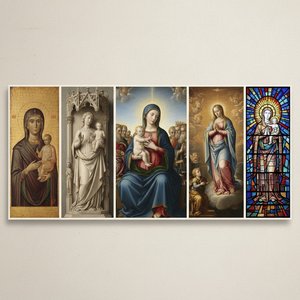
Divine Grace: A Journey Through the Most Iconic Depictions of the Virgin Mary in Art History
Embark on a profound journey through art history with our exploration of the most iconic depictions of the Virgin Mary. Discover the divine grace, symbolism, and masterful techniques found in Renaissance masterpieces and sacred iconography.
La Biennale de Veneza: 25 Obras-Primas para Inspirar sua Decoração
Descubra as 25 obras-primas da Bienal de Veneza! Explore a história, artistas e cores vibrantes que definem a arte veneziana. Encontre reproduções de alta qualidade para inspirar sua decoração em OriginalUniqueArt.com.

Pietro da Cortona: Baroque Grandeur & the Synthesis of Roman Painting
Explore the life & masterpieces of Pietro da Cortona, a defining figure of the Italian Baroque. Discover his stunning frescoes at Palazzo Barberini and lasting influence on Roman art history. Learn more with OriginalUniqueArt.
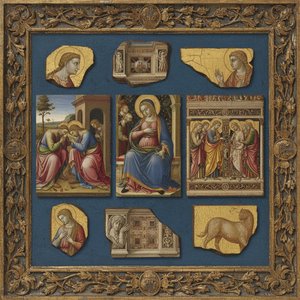
Proto-Renascimento: 10 Obras-Primas que Moldaram a Arte Moderna | OriginalUniqueArt
Descubra as 10 obras-primas do Proto-Renascimento que revolucionaram a arte! Explore Giotto, Duccio e Cimabue. Encontre reproduções de alta qualidade para decorar sua casa com OriginalUniqueArt.com. Inspire-se!
Giotto di Bondone: As 25 Obras-Primas que Definiram a Arte Renascentista | OriginalUniqueArt
Descubra as 25 obras-primas de Giotto di Bondone, o mestre da Renascença! Explore a história por trás dos afrescos icônicos, cores vibrantes e emoção atemporal. Reproduções de arte exclusivas para decorar sua casa com elegância em OriginalUniqueArt.com.