

 Visualizar em escala
 Enviar
 Compartilhar
 Ver detalhes
 Guia de Obras do Aluno

 Baixar imagem
 Semelhantes
 Raio X
 Apresentação de slides
 Estatísticas
Janus
 Acrylic On Canvas
- WallArt
- Color Field Painting
 1960
1960 199.0 x 270.0 cm
 Museum für Moderne Kunst
 Ver mais
A obra de arte exibida nesta página é protegida por leis de direitos autorais, o que significa que não podemos criar ou vender legalmente uma reprodução idêntica. Esta proteção é aplicada por meio de acordos internacionais, tais como a Convenção de Berna e pelas leis nacionais, incluindo as estabelecidas por Lei de Direitos Autorais dos EUA - Título 17.
Este método cumpre plenamente as regulamentações de direitos autorais, pois não envolve a cópia ou duplicação da obra protegida. Em vez disso, trata-se de uma reinterpretação criativa — uma nova pintura que é influenciada pela original, mas não idêntica a ela.
Giclée / Impressão de Arte
Impressão giclée ou em tela de qualidade de museu, com produção rápida e opções flexíveis de acabamento. ( Encomendar reprodução pintada à mão Ver Imagem Digital)




P118B €10

P118H €10

P118W €10

P438Z €10

P508JH €12

P508YH €12

P805H €10

P805Z €10

P919BZ €10

P919G €10

P919XJ €10

P959ZH €10

P968JZ €12

W106C €8

W218G €10

W218JH €8

W218Y €10

W307PJ €10

W316G €10

W316PJ €8

W316Y €10

W398PJ €8

W4111J €10

W500HY €15

W500JH €15

W692G €12

W849H €8

W940BG €15

W953PJ €8




Escolha entre os nossos tamanhos pré-definidos que respeitam as proporções originais da obra de arte.

Digite a largura e a altura de que necessita, para se ajustar à sua moldura ou à sua parede. Uma impressão só pode ser cortada, nunca ampliada além da imagem original, pelo que um tamanho com uma proporção diferente perderá parte da imagem. Enviamos-lhe uma maquete digital para aprovação antes de imprimirmos qualquer coisa. A imagem apresentada nesta página não mostra o corte real — apenas a maquete o faz.
Entrega mundial () em 2 semanas, em vez das 4/5 semanas padrão. (20 Outubro)

Envio expresso gratuito para todo o mundo

Tela de Linho Premium

Seguro de transporte total

Garantia de Reembolso de Impostos Alfandegários

Garantia de Fidelidade de Cor

Política de Devolução em 100 Dias (Apenas para Defeitos)

Garantia de reembolso de 100%

Desconto para múltiplas unidades
 A opção de vidro está disponível apenas para tamanhos inferiores a 110 cm

Janus
Giclée / Impressão de Arte
Dimensões da Reprodução
-


Preço Total
€ 70
A Cascade of Light: Exploring Morris Louis’s “Janus”
Morris Louis’s “Janus,” painted in 1960, isn't merely a canvas adorned with color; it’s an immersive experience, a meditation on transition and the duality inherent within existence. This pivotal work from the Washington Color School represents a radical departure from traditional painting techniques, embodying the core tenets of Color Field art and solidifying Louis’s place as a pioneer in American abstract expressionism. The piece immediately draws the viewer into its atmospheric depth – a sense of quiet contemplation fostered by the deliberate layering and luminous quality of the applied pigments.
At first glance, “Janus” presents a deceptively simple composition: a dominant vertical column of layered greens and off-whites, seemingly emerging from the lower edge of the canvas and reaching almost to the top. However, closer observation reveals an intricate process – Louis employed a technique he termed “staining,” meticulously applying diluted acrylic pigments directly onto the raw canvas. This method allowed the paint to soak into the fabric, creating a remarkably thin, translucent layer that captured and reflected light in a unique way. The absence of visible brushstrokes contributes significantly to the painting’s ethereal quality, lending it an almost sculptural presence.
The Janus Figure: Symbolism and Ancient Roots
The title itself, “Janus,” immediately connects the work to Roman mythology. Janus was the god of beginnings, transitions, doorways, and endings – a figure embodying both forward momentum and retrospective reflection. This duality is powerfully represented in the painting’s form. The vertical column can be interpreted as a symbolic gateway, suggesting passage from one state to another, or perhaps even a representation of the two faces of Janus himself. The color palette—primarily greens and creams—evokes associations with nature, growth, and renewal, further reinforcing the theme of beginnings. Interestingly, Louis’s choice of this particular mythological figure reflects a broader interest in ancient symbolism and its potential to inform contemporary art.
Technique and Innovation: The Veil Method
Louis's staining technique was revolutionary for its time, challenging conventional notions of paint application. He experimented tirelessly with Magna paint, a newly developed acrylic resin that allowed the pigment to penetrate deeply into the canvas fibers. This resulted in a remarkably luminous surface – colors seemed to emanate from within rather than simply sitting on top. The careful control of dilution and layering was crucial; Louis would apply multiple thin washes, allowing each layer to dry completely before adding the next, building up the composition gradually. This process demanded immense patience and precision, reflecting a deep commitment to his artistic vision.
A Legacy of Atmospheric Abstraction
“Janus” stands as a cornerstone of the Washington Color School and a defining example of Louis’s mature style. It exemplifies the movement's emphasis on color as the primary subject matter, rejecting representational imagery in favor of exploring the emotive power of hue and tone. The painting’s atmospheric quality—its sense of depth, light, and movement—continues to resonate with viewers today. Its influence can be seen in subsequent generations of abstract painters who embraced similar techniques and explored the possibilities of color as a means of expression. The work's enduring appeal lies not only in its aesthetic beauty but also in its profound exploration of fundamental human themes – beginnings, transitions, and the ever-present tension between opposing forces.
Perguntas e Respostas
A que fase da carreira de Morris Louis corresponde a data de 1960 de "Janus"?
"Janus", criado em 1960, pertence ao Mature Period da carreira de Morris Louis.
Para qual tamanho é sugerido "Janus" em um(a) Living Room?
A combinação recomendada para "Janus" de Morris Louis: uma impressão de Large em um(a) Living Room.
Qual é a orientação de "Janus" de Morris Louis?
"Janus" de Morris Louis possui um formato Landscape. O formato descreve as proporções da composição.
Biografia do Artista
Primeiros Anos e Formação
- Nascimento: Morris Louis Bernstein, 28 de novembro de 1912, Baltimore, Maryland
- Pais: Louis Bernstein (vendedor de móveis) e Cecelia Luckemente Bernstein.
- Educação: Frequentou escolas públicas em Baltimore; Maryland Institute of Fine and Applied Arts (atual MICA), 1929-1932. Não concluiu o curso.
- As primeiras influências incluíram Eugene Speicher e Paul Cézanne.
- Demonstrou um interesse precoce pela arte, incentivado por sua família, apesar das oportunidades limitadas em Baltimore.
Desenvolvimento Artístico e Principais Influências
- Década de 1930: Trabalhou em diversos empregos informais para se sustentar enquanto pintava (descascar vegetais, lavanderia, pesquisa para o Gallup Poll).
- 1934-1936: Participou do projeto de murais Public Works of Art Project sob a direção de Sam Swerdloff.
- 1936-1937: Mudou-se para a cidade de Nova York; experimentou técnicas no Siqueiros Workshop.
- A Descoberta da Tinta Magna (1948): Um momento crucial – Louis foi pioneiro no uso da tinta Magna, uma tinta acrílica à base de óleo recém-desenvolvida e criada especialmente para ele por Leonard Bocour e Sam Golden. Isso permitiu maior fluidez e transparência em sua obra.
- A Influência de Helen Frankenthaler: Em 1953, Louis e Kenneth Noland visitaram o estúdio de Frankenthaler e ficaram profundamente impressionados com suas pinturas por imersão (particularmente "Mountains and Sea"). Isso inspirou suas experimentações com técnicas de vertimento e manchas.
As Pinturas Véu e as Inovações do Color Field
- Pinturas Véu Maduras (1954): Caracterizadas por camadas sobrepostas e sobrepostas de cor transparente, vertidas e absorvidas em telas preparadas ou não.
- Técnica: Tinta extremamente diluída era aplicada em uma tela sem preparação e sem estiramento, permitindo que fluísse sobre a superfície inclinada, criando véus de cores translúcidas. Isso eliminava as pinceladas e enfatizava a bidimensionalidade.
- Pintura Color Field: Louis tornou-se uma figura central na pintura Color Field (Campo de Cor), simplificando o espaço pictórico e enfatizando planos planos de cores intensas. Ele fez parte do movimento Washington Color School.
- Séries e Estilos: Além das pinturas Véu, ele explorou séries como florais, colunas (1960), "unfurleds" (1960-61) – apresentando riachos de cor opaca – e pinturas de listras (1961-62).
Grandes Conquistas e Significado Histórico
- Pioneirismo no Color Field Painting: Louis é reconhecido como um inovador fundamental na pintura Color Field, ao lado de artistas como Kenneth Noland e Helen Frankenthaler.
- Influência no Expressionismo Abstrato: Sua obra expandiu as fronteiras do Expressionismo Abstrato ao focar na cor e na planaridade, em vez do gesto ou da composição.
- Washington Color School: Um contribuidor significativo para este movimento influente, que enfatizava uma abordagem redutiva da pintura.
- Destruição de Obras: Notavelmente, Louis destruiu muitas de suas pinturas entre 1955 e 1957, refletindo uma autocrítica rigorosa de seu trabalho.
- Legado: Sua ênfase na cor, na planicidade e na materialidade da tinta continua a influenciar artistas contemporâneos.
Anos Finais e Falecimento
- Louis continuou pintando de forma prolífica até sua morte.
- Falecimento: Faleceu em 7 de setembro de 1962, em Washington, D.C., aos 49 anos.
- Exposição Memorial (1963): Uma exposição significativa foi realizada no Solomon R. Guggenheim Museum pouco após sua morte.
- Exposições Retrospectivas: Grandes retrospectivas seguiram-se no Museum of Fine Arts, Boston (1967), e na National Gallery of Art, Washington, D.C. (1976).

Morris Louis
1912 - 1962 , Estados Unidos da América
Informações Rápidas
- Artistas Influentes:
- Helen Frankenthaler
- Cézanne
- Data De Nascimento: 28 de novembro de 1912
- Influenciou:
- Kenneth Noland
- Washington Color School
- Local De Nascimento: Baltimore, EUA
- Movimento Artístico: Color Field Painting
- Nacionalidade: Americano
- Nome Completo: Morris Louis Bernstein
- Obras Notáveis:
- High
- Número 1-36
- Where
- Número 1-68
- Gamma Tau
- Terceiro Elemento
- Delta Theta
Artigos Relacionados
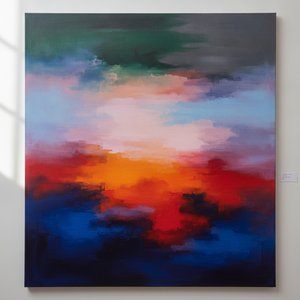
Color Field Painting: The Emotional Power of Pure Abstraction and Chromatic Depth
Explore the profound emotional depth of Color Field painting. Discover the history of mid-century abstraction, from Rothko to Newman, and learn how pure color transforms the viewer's experience through our expert art history guide.
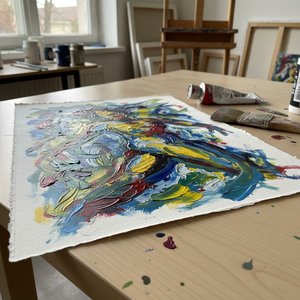
Acrylic on Paper: A Modern Canvas for Contemporary Expression
Explore the versatility of acrylic painting on paper! Discover expert techniques, artist insights & archival practices for creating stunning contemporary art. Learn more at OriginalUniqueArt.
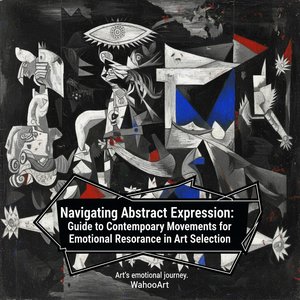
Navegando a Expressão Abstrata: Um Guia aos Movimentos Contemporâneos para Ressonância Emocional na Seleção de Arte
Descubra os movimentos da Expressão Abstrata e aprenda a selecionar obras que ressoam com suas emoções. Guia completo sobre Rothko, Pollock, Newman e mais! Encontre a arte perfeita para o seu espaço.

Top 10 Obras-Primas do Expressionismo Abstrato: Arte para Decorar e Inspirar | OriginalUniqueArt.com
Descubra as 10 obras-primas do Expressionismo Abstrato com Jackson Pollock, Mark Rothko e mais! Explore a história, técnica e emoção por trás de cada pintura. Encontre reproduções de arte exclusivas para decorar sua casa em OriginalUniqueArt.com.

Morris Louis: Pioneering Color Field Painting & Abstract Expressionism's Legacy
Explore the groundbreaking abstract expressionism of Morris Louis, a pioneer of Color Field painting. Discover his innovative techniques, influential series & lasting legacy in post-war American art. Learn more at OriginalUniqueArt.

