
 Visualizar na parede
 Compartilhar
 Compartilhar
 Detalhes
 Guia
Guia

 Baixar imagem
 Semelhantes
 Raio X
 Ver diaporama
 Q&A
Q&A Estatísticas
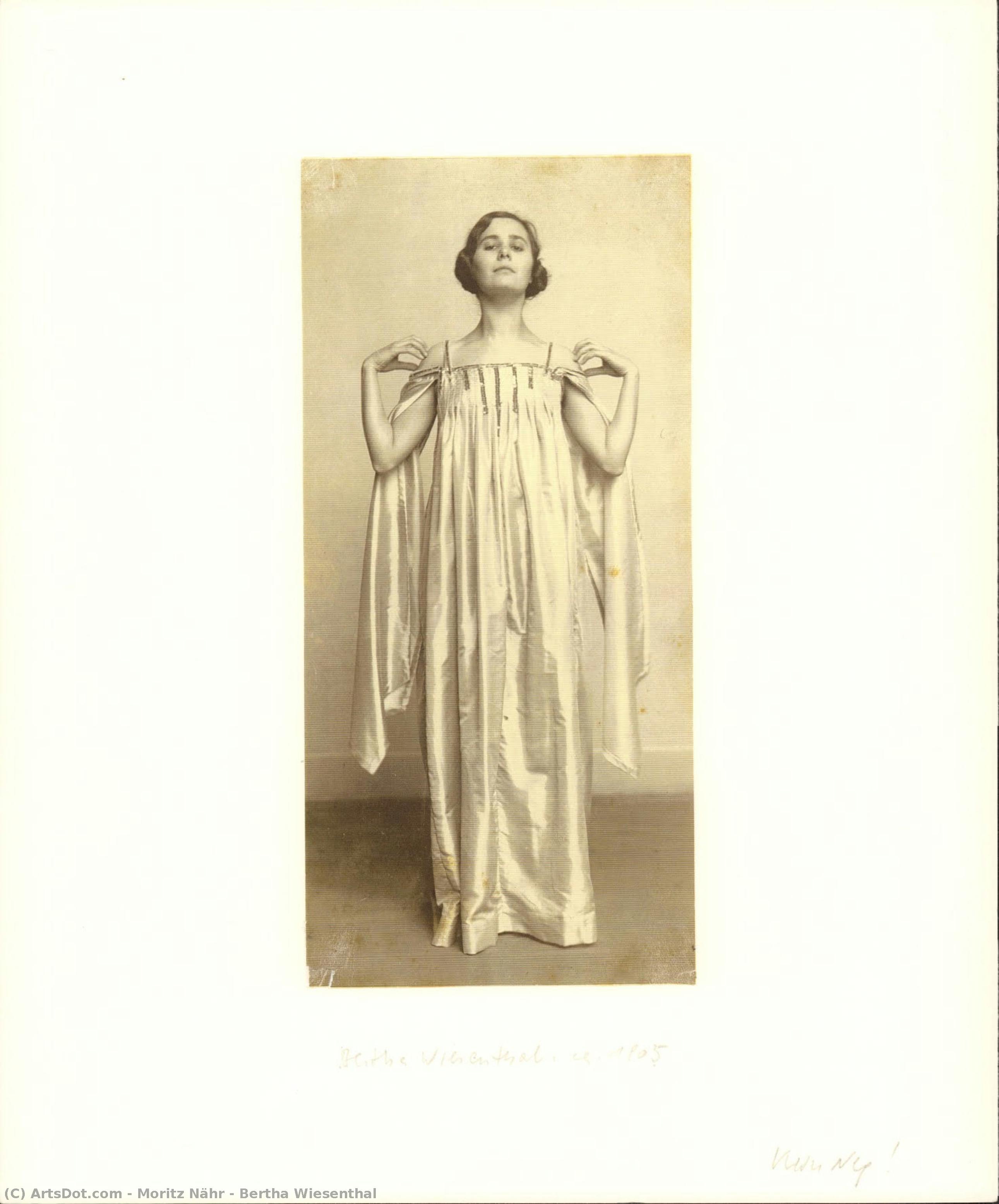
Bertha Wiesenthal
 1905
1905 9.0 x 25.0 cm
 Ler mais
Obtenha um arquivo pronto para impressão que vai muito além da visualização na web. Cada imagem digital que vendemos provém de um arquivo mestre de alta resolução em nosso banco de dados — geralmente entre 5.000 e 15.000 pixels de largura — para que você possa imprimir em grandes formatos, realizar cortes precisos ou reproduzir detalhes minuciosos com total confiança.
Nenhum arquivo sai do nosso estúdio sem passar por um cuidadoso processo de revisão. Um especialista digital verifica as cores em relação à pintura original e as corrige se necessário, aumentando então a clareza e o detalhe com ferramentas profissionais de retoque — sempre mantendo a fidelidade às pinceladas e ao estilo do artista. O resultado é uma imagem que se assemelha à pintura, e não a um scan com filtros.
Aprovação antes da finalização: nosso especialista enviará a imagem por e-mail em até 72 horas para sua revisão. Não ficou satisfeito? Solicite melhorias ou correções, ou peça o reembolso caso a qualidade não atenda às suas expectativas.
Esta é a qualidade em que confiam editoras, estúdios de design, galerias e gráficas.
Imagem Digital
Baixe um arquivo de alta resolução para exibição pessoal, impressão e projetos criativos. ( Alternar para Impressão Comprar pintura feita à mão)
Incluído em cada compra de imagem digital
Entrega Digital Especializada e Garantida
Ao escolher o OriginalUniqueArt.com, você não está apenas adquirindo uma imagem — você está recebendo uma obra de arte digital profissionalmente aprimorada, elaborada com precisão e com garantia de satisfação. Aqui está tudo o que acompanha seu pedido, automaticamente:

Entrega rápida por e-mail
O seu arquivo de imagem digital em alta resolução será enviado por e-mail em até 72 horas após o pedido — pronto para uso imediato.

Arquivo Digital com IA Otimizado
Sua obra de arte é otimizada profissionalmente por meio de ferramentas avançadas de IA e edição manual, garantindo o máximo de detalhes, clareza e precisão de cores.

Reenvio gratuito vitalício
Apagou ou perdeu o seu ficheiro acidentalmente? Não se preocupe – nós reenviamos para si a qualquer momento, gratuitamente.

Sem Taxas de Importação - Sempre
Desfrute da sua obra de arte instantaneamente, sem taxas alfandegárias, impostos ou custos de entrega — downloads digitais são sempre isentos de taxas.

Garantia de Fidelidade de Cores
Garantimos que sua imagem digital reflita as cores originais com a maior fidelidade possível, utilizando ferramentas profissionais e gerenciamento de cores.

Garantia de satisfação de 100 dias
Se não estiver satisfeito com a sua imagem digital, nós a revisaremos ou reembolsaremos 100% dentro de 100 dias — sem perguntas.

Garantia de Reembolso 100%
Não está satisfeito? Receba o reembolso total em até 100 dias após o recebimento do seu arquivo digital — sem perguntas.

Descontos para pedidos em lote
Compre 3 imagens, economize 10% - Compre 5, economize 15% - Compre 10+, economize 20%. Ideal para projetos criativos, galerias e agências.
Biografia do Artista
The Lens of a Golden Era: The Life and Legacy of Moritz Nähr
In the twilight of the nineteenth century, as the rigid structures of academic tradition began to fracture under the weight of modernity, a new way of seeing emerged from the heart of Vienna. At the center of this visual revolution stood Moritz Nähr, an artist whose camera did not merely record faces, but captured the very soul of the Vienna Secession. Born in 1859 to a Viennese furniture dealer, Nähr possessed a unique duality of perspective—a practical understanding of form and aesthetic grace inherited from his father, Johann Georg Nähr, blended with an intimate connection to the bohemian avant-garde. His life was inextricably linked to the cultural ferment of his era, placing him in the inner sanctum of the most influential minds of the twentieth century.
Nähr’s artistic journey was shaped by the shared corridors of his youth, specifically his time at the Bernhard Speneder Private School. It was here that he forged a lifelong bond with Gustav Klimt, a friendship that would evolve into one of the most significant collaborations in photographic history. As Klimt led the charge against artistic stagnation through the Secession movement, Nähr became its unofficial chronicler. His lens provided a vital, candid counterpoint to the grand, often gilded canvases of the era, offering instead a stripped-back, monochrome intimacy that humanized the icons of modernism.
Capturing the Spirit of the Secession
The work of Moritz Nähr transcends the boundaries of traditional portraiture, acting as a profound historical document of an intellectual epoch. Through his mastery of black and white photography, he captured the luminaries of Vienna—from the musical genius of Gustav Mahler to the philosophical depth of Ludwig Wittgenstein. His ability to manipulate light and shadow allowed him to move beyond mere likeness, reaching toward a psychological truth that mirrored the experimental spirit of his contemporaries. In his hands, the camera became an instrument of the avant-garde, documenting not just people, but the shifting zeitgeist of a city in transition.
Some of his most evocative works serve as windows into the private moments of greatness:
- The Beethoven Frieze Documentation: His breathtaking photographic record of the 14th exhibition of the Vienna Secession, specifically the left side hall featuring Klimt’s monumental frieze, remains an essential archive of architectural and artistic triumph.
- Intimate Portraits of Klimt: Whether capturing the painter in a moment of quiet dignity on the shores of Lake Attersee or the tender, unexpected vulnerability of Gustav Klimt holding a cat, Nähr stripped away the public persona to reveal the man beneath the myth.
A Lasting Visual Heritage
The historical significance of Moritz Nähr lies in his role as the bridge between the tangible and the ephemeral. While the paintings of the Secession movement often sought to immortalize subjects through gold leaf and intricate patterns, Nähr’s photography captured the fleeting, the raw, and the authentic. He documented the very spaces where art was being redefined, ensuring that the atmosphere of the Secessionist exhibitions would never be lost to time. His oeuvre serves as a vital companion to the era's fine arts, providing the necessary context for understanding the faces and environments that birthed modernism.
Though he passed away in 1945, marking the end of an era much like the one he documented, Nähr’s legacy remains undiminished. He stands as a pivotal figure whose work allows us to revisit a Vienna defined by intense creativity and intellectual bravery. Through his meticulous approach and keen eye, the shadows of the past are brought into sharp, enduring focus, reminding us that the true essence of art often resides in the quiet, unposed moments captured between the shutter clicks.

Moritz Nähr
1859 - 1945 , Austria
Breve Biografia
- Full Name: Moritz Nähr
- Nationality: Austrian
- Date Of Birth: 1859
- Date Of Death: 1945
- Place Of Birth: Vienna, Austria
- Notable Artworks:
- Gustav Klimt in the garden of his studio
- Left side hall with the Beethoven frieze by Gustav Klimt
- Gustav Klimt, holding a cat
- Artistic Movement Or Style: Photography
- Artists Who Influenced This Artist: ['Gustav Klimt']
- Artists Or Movements Influenced By This Artist: ['Vienna Secession']