
 Visualizar em escala
 Enviar
 Compartilhar
 Ver detalhes

 Baixar
 Semelhantes
 Raio X
 Apresentação de slides
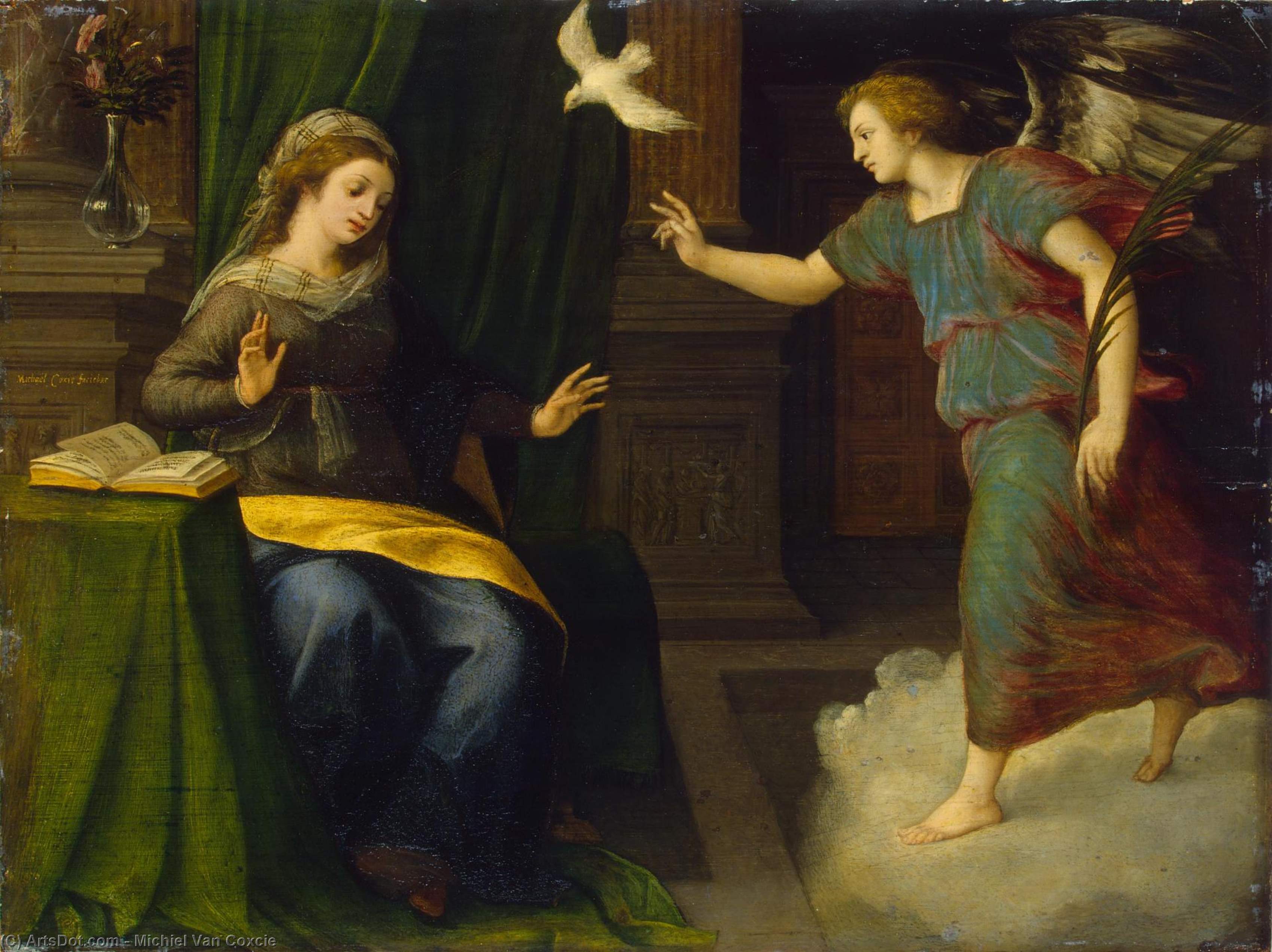
Annunciation
 Oil On Canvas
- WallArt
- Renaissance
 1580
1580 30.0 x 39.0 cm
 Museu Hermitage
 Ver mais
Giclée / Impressão de Arte
Impressão giclée ou em tela de qualidade de museu, com produção rápida e opções flexíveis de acabamento. ( Encomendar reprodução pintada à mão Comprar imagem em alta resolução)




P118B $10

P118H $10

P118W $10

P438Z $10

P508JH $12

P508YH $12

P805H $10

P805Z $10

P919BZ $10

P919G $10

P919XJ $10

P959ZH $10

P968JZ $12

W106C $8

W218G $10

W218JH $8

W218Y $10

W307PJ $10

W316G $10

W316PJ $8

W316Y $10

W398PJ $8

W4111J $10

W500HY $15

W500JH $15

W692G $12

W849H $8

W940BG $15

W953PJ $8




Escolha entre os nossos tamanhos pré-definidos que respeitam as proporções originais da obra de arte.

Você pode inserir suas próprias dimensões para se ajustar a uma moldura ou espaço específico. Se o tamanho selecionado não corresponder às proporções da imagem original, iremos recortar a obra de arte ou estender a imagem com uma borda espelhada ou preenchimento sólido. Um mockup digital será enviado para sua aprovação antes do início da produção.
Por favor, observe que a visualização na tela não reflete o recorte ou a extensão real. Apenas o mockup mostrará com precisão a composição final.
Embora tamanhos personalizados estejam disponíveis, recomendamos selecionar uma dimensão da lista predefinida para preservar as proporções originais.
Entrega mundial () em 2 semanas, em vez das 4/5 semanas padrão. (14 Agosto)

Envio Expresso Gratuito para todo o Mundo

Tela de Linho Premium

Seguro de transporte total

Garantia de Reembolso de Impostos Alfandegários

Garantia de Fidelidade de Cor

Política de Devolução de 60 Dias (Apenas para Defeitos)

Garantia de reembolso de 100%

Desconto para múltiplas unidades
 A opção de vidro está disponível apenas para tamanhos inferiores a 110 cm

Annunciation
Giclée / Impressão de Arte
Dimensões da Reprodução
-


Preço Total
$ 80
Descrição do Item
A Divine Encounter: Unveiling the Annunciation
Michiel van Coxcie’s “Annunciation,” painted around 1580, is more than just a religious depiction; it's a masterful synthesis of Renaissance ideals and subtle Flemish artistry. The painting captures a pivotal moment in Christian belief – the Archangel Gabriel’s announcement to Mary that she would conceive and bear Jesus Christ – with an exquisite balance of realism, spiritual grace, and Mannerist elegance. It’s a scene brimming with quiet anticipation, radiating a profound sense of reverence and divine communication.
Image: Annunciation by Michiel van Coxcie (1580)
Renaissance Roots, Flemish Soul
Coxcie’s artistic journey is a fascinating testament to the cross-pollination of styles during the late 16th century. Born in Mechelen, Belgium, he initially immersed himself in the Italian Renaissance, studying under masters like Jan Portaers and Pieter Bruegel the Elder, absorbing their emphasis on realism and emotional depth. However, his spirit was undeniably drawn to the innovations of Michelangelo, Leonardo da Vinci, and Raphael – figures who redefined artistic expression through anatomical precision, dramatic lighting, and a profound understanding of human psychology. Coxcie didn’t merely imitate; he skillfully integrated these Italian influences with the deeply rooted spirituality and meticulous detail characteristic of Flemish painting.
The painting's composition reflects this duality. The figures are rendered with a remarkable degree of naturalism – Mary’s face, etched with surprise and contemplation, is particularly striking. Yet, there’s an undeniable Mannerist influence in the elongated proportions of the figures, the subtly distorted perspective, and the heightened emotional intensity. This blending creates a unique visual language that is both familiar and strikingly original.
Symbolism Woven into the Canvas
Every element within “Annunciation” carries symbolic weight. The dove, hovering above the scene, represents the Holy Spirit – the divine messenger who will empower Mary. The book held by Gabriel signifies knowledge and wisdom, a subtle allusion to the incarnation of God in human form. Mary’s modest gesture, her hand raised slightly as she accepts the news, speaks volumes about her humility and faith. The architectural setting, reminiscent of Italian Renaissance palaces, provides a dignified backdrop for this momentous event, grounding the divine narrative within a tangible space.
Technique and Materials: A Master's Touch
Coxcie’s technical skill is evident in every brushstroke. He employs a rich, layered technique, building up the paint with meticulous detail to create a sense of volume and texture. The use of light and shadow – particularly the dramatic illumination highlighting Mary’s face and the dove – adds depth and drama to the scene. The painting is executed in oil on canvas, a medium that allowed Coxcie to achieve both luminous colors and subtle gradations of tone. The careful attention to detail extends to the rendering of fabrics, architectural elements, and even the folds of Gabriel's robe, demonstrating his mastery of perspective and spatial relationships.
A Legacy of Divine Beauty
“Annunciation” stands as a testament to Michiel van Coxcie’s artistic genius – a bridge between the vibrant energy of the Italian Renaissance and the profound spirituality of the Flemish tradition. It's a painting that continues to resonate with viewers centuries later, inviting us to contemplate the mysteries of faith, the power of divine communication, and the enduring beauty of human expression. Reproductions offer an accessible way to bring this masterpiece into your home or office, allowing you to experience its timeless grace and profound symbolism.
Biografia do Artista
Michiel van Coxcie: Bridging Renaissance and Baroque Brilliance
Michiel van Coxcie (1499-1592), a Flemish master whose name echoes through the annals of art history, stands as a singular figure—the ‘Flemish Raphael,’ lauded for his ability to synthesize the grandeur of Italian artistic ideals with the profound spirituality of his homeland. Born in Mechelen, Belgium, Coxcie’s life unfolded against the backdrop of a turbulent era marked by religious upheaval and artistic innovation, shaping him into an artist whose legacy continues to inspire awe centuries later. Coxcie's formative years were steeped in Flemish tradition, receiving meticulous training from Jan Portaers and Pieter Bruegel the Elder—artists who championed realism and emotional depth. However, his gaze was undeniably drawn eastward, captivated by the revolutionary advancements of Michelangelo, Leonardo da Vinci, and Raphael. Unlike many of his contemporaries who slavishly imitated Italian styles, Coxcie skillfully blended these influences, forging a distinctive artistic voice that prioritized both anatomical accuracy and expressive emotion. This duality is palpable in his oeuvre, where figures possess breathtaking realism alongside profound psychological insight—a hallmark of the Mannerist movement that sought to elevate art beyond mere representation. His prolific output spanned across various mediums—paintings, tapestries, sculptures—demonstrating an unparalleled versatility. He achieved considerable renown during his lifetime, securing commissions from prominent patrons including Maximilian I of Bavaria and Philip II of Spain. His monumental altarpiece in St. Michael and Gudula Cathedral in Brussels remains a testament to his ambition and technical prowess, showcasing intricate detail and masterful composition; it exemplifies the meticulous craftsmanship characteristic of Flemish art during this period. Similarly, his contribution to the St. Rumbolds Cathedral tapestry—a depiction of Adam and God—is considered one of the finest examples of Renaissance textile art, reflecting the artistic fervor of the time and demonstrating Coxcie’s mastery of perspective and color palettes. Coxcie's artistic style evolved throughout his career, adapting to the changing tastes of European courts. Initially influenced by Mannerism, he gradually embraced Baroque principles, incorporating dramatic lighting and dynamic movement into his works—a deliberate shift that signaled a move towards greater theatricality and emotional intensity. This stylistic progression underscores his intellectual curiosity and his commitment to pushing artistic boundaries. He meticulously studied the techniques employed by Michelangelo and Leonardo da Vinci, absorbing their innovations while retaining the core values of Flemish art: observation, precision, and heartfelt emotion. Despite fading from artistic prominence after his death in 1592, Coxcie’s influence persisted within subsequent generations of painters. His unwavering dedication to anatomical accuracy and his ability to convey profound psychological states established him as an enduring inspiration for artists striving to capture the essence of human experience—a legacy that continues to resonate with audiences today. Reproductions of his celebrated paintings—such as ‘The Revenge of Tomyris’ and ‘Saint Cecilia’—remain treasured artworks, embodying the harmonious blend of Renaissance idealism and Baroque dynamism that defines Michiel van Coxcie's artistic genius.
Michiel van Coxcie
1499 - 1592 , Bélgica
Informações Rápidas
- Artistic Movement Or Style: Renascimento & Barroco Sintetizado
- Artists Or Movements Influenced By This Artist: ['Barroco Pintura']
- Artists Who Influenced This Artist:
- Michelangelo
- Leonardo da Vinci
- Rafael
- Date Of Birth: Mechelen, Belgium (1499)
- Date Of Death: 1592
- Full Name: Michiel van Coxcie
- Nationality: Flamengo
- Notable Artworks:
- A Vingança de Tomyris
- São Cecília
- Place Of Birth: Mechelen, Bélgica
Artigos Relacionados
Van Gogh: As 25 Obras-Primas Que Definem um Gênio da Arte | OriginalUniqueArt
Descubra as 25 obras-primas de Vincent van Gogh, do icônico 'Noite Estrelada' aos vibrantes 'Girassóis'. Explore a história, cores e emoção por trás de cada pintura. Reproduções de alta qualidade em OriginalUniqueArt.com!
Os 10 Mestres da Pintura Primitiva Flamenga que Moldaram a Arte
Descubra os 10 quadros que revolucionaram a Pintura Primitiva Flamenga! Explore Jan van Eyck, Rogier van der Weyden e outros mestres renascentistas. Encontre reproduções de alta qualidade para decorar sua casa com arte atemporal em OriginalUniqueArt.com.

Rembrandt van Rijn: As 25 Obras-Primas que Definem um Mestre da Luz e Sombra | OriginalUniqueArt
Descubra as 25 obras-primas de Rembrandt van Rijn, o mestre da luz e sombra! Explore a história por trás de 'A Ronda Noturna', seus auto-retratos e muito mais. Encontre reproduções de arte exclusivas para decorar sua casa com OriginalUniqueArt.com.

Oil on Canvas: A Historical & Technical Exploration of a Timeless Artistic Medium
Explore the rich history & enduring techniques of oil painting on canvas. Discover the science behind its longevity, conservation practices, and contemporary relevance. Expert insights for art enthusiasts.
Renascimento Primitivo Flamenco: 10 Obras-Primas Essenciais para Decorar com Arte
Descubra as 10 obras-primas do Renascimento Primitivo Flamenco! Explore a arte de Jan van Eyck, Robert Campin e outros mestres. Reproduções de alta qualidade para decorar sua casa com beleza e história. Explore a coleção completa em OriginalUniqueArt.com

