

 Visualizar em escala
 Enviar
 Compartilhar
 Ver detalhes
 Guia de Obras do Aluno

 Baixar imagem
 Semelhantes
 Raio X
 Apresentação de slides
 Estatísticas
Ceres


 Ver mais
Reprodução em Óleo Feita à Mão
Óleo sobre tela pintado à mão no tamanho e moldura de sua escolha, feito sob encomenda pelos nossos artistas. ( Alternar para Impressão Ver Imagem Digital)




P118B €10

P118H €10

P118W €10

P438Z €10

P508JH €12

P508YH €12

P805H €10

P805Z €10

P919BZ €10

P919G €10

P919XJ €10

P959ZH €10

P968JZ €12

W106C €8

W218G €10

W218JH €8

W218Y €10

W307PJ €10

W316G €10

W316PJ €8

W316Y €10

W398PJ €8

W4111J €10

W500HY €15

W500JH €15

W692G €12

W849H €8

W940BG €15

W953PJ €8




Escolha entre os nossos tamanhos pré-definidos que respeitam as proporções originais da obra de arte.

Digite a largura e a altura de que necessita, para se ajustar à sua moldura ou à sua parede. Esta obra é pintada à mão, por isso, para um tamanho com uma proporção diferente, o artista pode pintar um pouco mais ao redor da imagem ou cortar um pouco — você escolhe. Enviamos-lhe uma maquete digital para aprovação antes de a pintura começar. A imagem exibida nesta página não mostra o resultado real — apenas a maquete mostra.
Após o pedido, a equipa OriginalUniqueArt.com enviará um e-mail ao cliente para solicitar instruções e fornecer uma prévia do esboço.
Entrega mundial () em 3 a 4 semanas, em vez das 5 semanas padrão. (24 Outubro). Sem comprometer a qualidade.

Envio expresso gratuito para todo o mundo

Tela de Linho Premium

Seguro de transporte total

Garantia de Reembolso de Impostos Alfandegários

Garantia de Fidelidade de Cor

Política de Devolução em 100 Dias (Apenas para Defeitos)

Garantia de reembolso de 100%

Desconto para múltiplas unidades
 A opção de vidro está disponível apenas para tamanhos inferiores a 110 cm

Ceres
Técnica de Reprodução
Dimensões da Reprodução
-


Preço Total
€ 263
Michel Anguier e Ceres: Uma Sinfonia de Luz e Drama Barroco
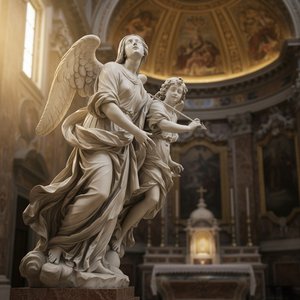
A escultura de Ceres, atribuída ao escultor Michel Anguier (1612 – 1686), representa uma figura emblemática da mitologia romana e um testemunho da maestria artística do período barroco francês. Criada em torno de 1650, esta obra monumental captura a essência da luta entre vida e morte, fertilidade e destruição, elementos fundamentais para compreender o pensamento filosófico e estético da época.- Contexto Histórico: Anguier viveu durante um período de intensa transformação artística e intelectual na França, influenciado pelas ideias humanistas e pela busca por formas expressivas que transcendessem os limites do Renascimento clássico. Sua formação em Roma, sob a tutela de artistas renomados como Alessandro Algardi, consolidou seu conhecimento das obras maestras da antiguidade greco-romana e o preparou para enfrentar os desafios da criação artística barroca.
- Estilo Barroco: Ceres exemplifica as características marcantes do estilo barroco francês, caracterizado pela dramaticidade, pelo uso de luz e sombra para criar efeitos ilusórios e pela busca por emoções intensas no espectador. Anguier empregou técnicas inovadoras de escultura em bronze, como o processo de perda de cera, que permitiram obter detalhes minuciosos e uma textura realista, capturando a força física da escultora e a expressão angustiada de seu olhar.
- Técnica Escultórica: O escultor utilizou o método perdido-cera para criar esta obra excepcional. Primeiro, um modelo em cera quente era criado, revestido por uma camada de molde negro de açúcar que protegia a superfície da escultura durante o processo de fusão. Após a fusão do cobre e do estanho, apenas o núcleo de cera restante permanecia, sendo cuidadosamente removido para revelar a escultura finalizada em bronze polido.
- Simbolismo Religioso: Ceres simboliza a força feminina e a proteção da natureza, elementos importantes na religião católica da época. Sua postura vigorosa e seu gesto apontando para cima representam o triunfo da vida sobre a morte, enquanto o sheaf de trigo que ela segura simboliza a abundância e a fertilidade do campo. O pequeno guerreiro caído ao lado dela representa o ciclo eterno da existência, onde a força física é subjugada pela força espiritual.
- Impacto Emocional: A escultura de Ceres transmite uma sensação de profunda emoção e contemplação estética. Os artistas barrocos buscavam despertar nos espectadores sentimentos como piedade, admiração e temor, utilizando elementos visuais como luz e sombra para criar efeitos dramáticos e enfatizar a expressividade das figuras escultóricas. Esta obra permanece como um símbolo da beleza clássica e da força espiritual do período barroco francês.
Perguntas e Respostas
"Ceres" de Michel Anguier está entre as obras de Baroque Sculpture mais procuradas?
"Ceres" de Michel Anguier é classificada como Icônico e pertence ao movimento Baroque Sculpture.
Onde posso comprar uma imagem digital de "Ceres" de Michel Anguier?
"Ceres" está disponível como download de imagem digital em alta resolução, podendo ser adquirido diretamente em sua página de Imagem Digital.
Onde posso baixar "Ceres" de Michel Anguier?
A imagem de "Ceres" de Michel Anguier pode ser baixada na página de Baixar da obra: download de imagem digital em alta resolução.
Biografia do Artista
Michel Anguier: Sculptor of Light and Shadow
Michel Anguier (1612 – 1686) stands as a pivotal figure in the Baroque sculpture tradition of France, embodying both intellectual rigor and artistic virtuosity. Born in Eu, Normandy, he descended from a noble family steeped in humanist ideals—a lineage that profoundly shaped his worldview and fueled his lifelong pursuit of knowledge. Anguier’s formative years were spent studying under Alessandro Algardi in Rome, absorbing the grandeur and dynamism of Bernini's workshop and establishing connections with other leading sculptors of the era. This immersion in Roman artistic culture instilled within him a deep appreciation for classical forms and techniques, which would permeate his subsequent oeuvre.- Early Career & Patronage: Anguier’s initial commissions focused on funerary sculptures—particularly elaborate tombs for aristocratic families—demonstrating his mastery of marble carving and his ability to convey profound emotion through sculptural representation. His work quickly gained recognition, securing him patronage from influential figures within the French court.
- Roman Influence & Artistic Style: Anguier’s Roman training profoundly impacted his artistic style. He embraced Bernini's theatrical approach to sculpture, prioritizing movement and dramatic lighting—elements he skillfully incorporated into numerous monumental sculptures commissioned for churches and palaces throughout France.
- Notable Works: Among Anguier’s most celebrated achievements are the sculptures adorning San Michele al Pozzo Bianco in Bergamo, Italy—a breathtaking ensemble of frescoes depicting Mary's life—and Amphitrite, a magnificent marble statue commemorating the goddess of the sea. His meticulous attention to detail and his masterful manipulation of light and shadow elevated these works to unparalleled levels of artistic excellence.
- The Ceres Sculpture: Anguier’s sculpture “Ceres” exemplifies his dedication to capturing idealized beauty and conveying spiritual contemplation. Located in Paris, this artwork showcases the sculptor's profound understanding of anatomy and drapery—skills honed during his Roman studies—resulting in a timeless masterpiece.
Technique & Artistic Innovation
Anguier’s sculptural technique was characterized by an unwavering commitment to anatomical accuracy combined with expressive dynamism. He meticulously studied human musculature, striving to reproduce its contours with breathtaking realism—a hallmark of Baroque sculpture. Furthermore, Anguier pioneered innovative methods for achieving dramatic lighting effects—techniques he perfected during his time in Rome and subsequently applied to numerous monumental sculptures throughout France. His masterful manipulation of marble—particularly his ability to carve translucent surfaces—created illusions of depth and luminosity that captivated audiences.- Marble Carving Mastery: Anguier’s unparalleled skill in marble carving was evident in every piece he created, from intimate funerary sculptures to colossal monumental statues. He employed sophisticated tools and techniques—including chisels, hammers, rasps, and polishing abrasives—to transform raw stone into objects of exquisite beauty and artistic grandeur.
- Dramatic Lighting Effects: Anguier’s incorporation of dramatic lighting effects—inspired by Bernini’s theatrical style—transformed his sculptures into immersive experiences. He skillfully manipulated marble surfaces to create illusions of translucency and luminosity, enhancing the emotional impact of his works.
Legacy & Historical Significance
Michel Anguier's contribution to Baroque sculpture transcends mere stylistic innovation; he represents a cornerstone of French artistic heritage. His sculptures continue to inspire admiration for their technical brilliance and expressive power—testaments to the enduring legacy of humanist ideals and classical art principles. Anguier’s influence extended beyond his immediate contemporaries, shaping the aesthetic sensibilities of subsequent generations of sculptors and cementing his place among France's most revered artists.- Influence on Subsequent Sculptors: Anguier’s sculptural technique—characterized by anatomical accuracy and expressive dynamism—served as a model for countless sculptors who followed him, establishing a stylistic continuum that spanned centuries.
- Symbol of French Artistic Excellence: Anguier's sculptures embody the zenith of French artistic excellence during the Baroque period—a symbol of humanist ideals and classical art principles that continue to resonate with audiences today.
Further Exploration
For a deeper understanding of Michel Anguier’s life and work, consult scholarly articles published in journals specializing in Art History. Explore online resources—including museum websites and biographical databases—to access detailed information about his artistic achievements and historical context. Examining reproductions of his sculptures—particularly “Ceres” and Amphitrite—offers invaluable insight into the artist's stylistic innovations and expressive power.
Michel Anguier
1612 - 1686 , France
Informações Rápidas
- Full Name: Michel Anguier
- Nationality: French
- Date Of Birth: 1612
- Date Of Death: 1686
- Place Of Birth: Seine-Maritime, France
- Notable Artworks:
- Nativity
- Ceres
- Artistic Movement Or Style: Baroque
- Artists Who Influenced This Artist: Gianlorenzo Bernini
- Artists Or Movements Influenced By This Artist: Alessandro Algardi
Artigos Relacionados

The Enduring Form: Exploring Themes & Techniques in Sculpture Across Historical Periods
Explore the rich history of sculpture from ancient masterpieces to contemporary innovations. Discover key techniques, influential artists & investment potential for discerning art collectors.

Esculturas em Bronze Icônicas: 10 Obras que Revolucionaram a Arte | OriginalUniqueArt
Descubra as 10 esculturas em bronze mais icônicas da história! Explore a arte de Rodin, Michelangelo e outros mestres. Encontre reproduções de alta qualidade para sua casa em OriginalUniqueArt.com.

The Enduring Form: Sculpture Across History, Technique & Emotional Resonance
Explore the rich history of sculpture with OriginalUniqueArt. Discover key techniques, influential artists & investment potential for discerning collectors. Expert insights into valuing and collecting timeless masterpieces.

As 10 Obras em Bronze Mais Icônicas que Transformaram a História da Arte | OriginalUniqueArt
Descubra as 10 esculturas em bronze mais influentes da história! Explore a arte de Rodin, Michelangelo e outros mestres. Reproduções de alta qualidade para decorar sua casa com elegância. OriginalUniqueArt.
Gian Lorenzo Bernini: Sculpting Baroque Emotion & the Roman Imagination
Explore the life & revolutionary art of Gian Lorenzo Bernini, the master sculptor of the Baroque era. Discover his iconic works like David and Ecstasy of Saint Teresa – a journey into Roman artistic genius.