Visualizar em escala
 Enviar
 Compartilhar
 Ver detalhes
 Guia de Obras do Aluno

 Baixar imagem
 Semelhantes
 Raio X
 Apresentação de slides
 Estatísticas
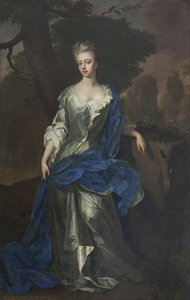
General Philip Honywood
 Acrílico sobre tela
- Arte de Parede
- Baroque
 1700
1700 74.0 x 60.0 cm
 Abbot Hall Art Gallery
 Ver mais
Giclée / Impressão de Arte
Impressão giclée ou em tela de qualidade de museu, com produção rápida e opções flexíveis de acabamento. ( Encomendar reprodução pintada à mão Ver Imagem Digital)




P118B €10

P118H €10

P118W €10

P438Z €10

P508JH €12

P508YH €12

P805H €10

P805Z €10

P919BZ €10

P919G €10

P919XJ €10

P959ZH €10

P968JZ €12

W106C €8

W218G €10

W218JH €8

W218Y €10

W307PJ €10

W316G €10

W316PJ €8

W316Y €10

W398PJ €8

W4111J €10

W500HY €15

W500JH €15

W692G €12

W849H €8

W940BG €15

W953PJ €8




Escolha entre os nossos tamanhos pré-definidos que respeitam as proporções originais da obra de arte.

Digite a largura e a altura de que necessita, para se ajustar à sua moldura ou à sua parede. Uma impressão só pode ser cortada, nunca ampliada além da imagem original, pelo que um tamanho com uma proporção diferente perderá parte da imagem. Enviamos-lhe uma maquete digital para aprovação antes de imprimirmos qualquer coisa. A imagem apresentada nesta página não mostra o corte real — apenas a maquete o faz.
Entrega mundial () em 2 semanas, em vez das 4/5 semanas padrão. (24 Outubro)

Envio expresso gratuito para todo o mundo

Tela de Linho Premium

Seguro de transporte total

Garantia de Reembolso de Impostos Alfandegários

Garantia de Fidelidade de Cor

Política de Devolução em 100 Dias (Apenas para Defeitos)

Garantia de reembolso de 100%

Desconto para múltiplas unidades
 A opção de vidro está disponível apenas para tamanhos inferiores a 110 cm

General Philip Honywood
Giclée / Impressão de Arte
Dimensões da Reprodução
-


Preço Total
€ 70
Michael Dahl: A Master of Aristocratic Portraiture
Michael Dahl (1659–1743) stands as a pivotal figure in the history of Baroque art, particularly renowned for his captivating depictions of nobility and royalty during the English Restoration period. Born in Stockholm, Sweden, Dahl’s artistic journey began with rigorous training under Elias Sperling, establishing him as one of the foremost portraitists of his time – a dedication that cemented his legacy as an artist who captured the essence of aristocratic grace. His distinctive style—characterized by luminous skin tones achieved through innovative glazing techniques—immediately distinguished him from contemporaries and secured commissions from influential patrons across Europe.The Dahl Technique: Luminosity and Glazing
Dahl’s artistic brilliance resided not merely in his subject matter but also in his masterful execution. He pioneered the use of “glazing,” a layering process involving translucent washes of color applied over multiple layers of opaque paint. This technique allowed him to achieve unparalleled luminosity, simulating the subtle sheen of skin and drapery—a feat that revolutionized portraiture and profoundly influenced subsequent artists. The careful blending of colors created depth and vibrancy, capturing the nuances of light and shadow with remarkable precision. Dahl’s meticulous attention to detail extended beyond mere visual representation; he sought to convey psychological insight into his subjects, reflecting their inner character alongside outward appearance.A Swedish Artist Finds Fame in England
Despite originating in Sweden, Dahl's artistic reputation soared across the Channel. Recognizing his talent and ambition, influential figures like Sir William Carew invited him to London, where he established himself as a celebrated portraitist amidst the opulent courts of King Charles II and James II. This transatlantic move provided Dahl with access to new commissions and broadened his artistic horizons, allowing him to hone his skills and further refine his distinctive style. His portraits graced the homes of prominent families and solidified his position as one of England’s most respected artists—a testament to his adaptability and unwavering pursuit of excellence.Symbolism Within Dahl's Portraits
Dahl’s canvases are imbued with symbolic meaning, reflecting not only the status of his subjects but also broader cultural values prevalent during the Baroque era. Clothing choices, jewelry, and poses were carefully considered to convey prestige, virtue, and familial lineage—elements that resonated deeply with aristocratic audiences. The artist skillfully utilized chiaroscuro – dramatic contrasts between light and dark – to heighten emotional impact and emphasize key features of his subjects’ faces and bodies. These artistic decisions served as powerful statements about identity and social standing, encapsulating the spirit of the time in exquisitely rendered images.Legacy: Dahl's Influence on Portraiture
Michael Dahl’s influence extended far beyond his own lifetime, shaping the trajectory of portrait painting for decades to come. His groundbreaking glazing technique became a cornerstone of Baroque aesthetics, influencing artists throughout Europe and establishing him as an innovator who redefined visual representation. Today, reproductions of Dahl’s masterpieces continue to inspire admiration for their technical brilliance and emotional depth—a lasting reminder of his contribution to art history and his enduring fascination for capturing the human spirit with unparalleled artistry.Perguntas e Respostas
Como o meio e o movimento se combinam em "General Philip Honywood"?
"General Philip Honywood" de Michael Dahl combina a técnica de Acrílico sobre tela com o estilo Baroque. Técnica e movimento descrevem a execução e o estilo da obra.
Que tipo de obra é "General Philip Honywood"?
"General Philip Honywood" é uma peça de Arte de Parede.
Onde e para qual finalidade é recomendado "General Philip Honywood"?
"General Philip Honywood" de Michael Dahl é recomendado para Ponto de cor, idealmente em um(a) Sala de Estar. O uso e o espaço juntos orientam onde uma reprodução se encaixa.
Biografia do Artista
A Life Bridging Worlds: The Artistic Journey of Michael Dahl
Michael Dahl, a name synonymous with the elegance and sophistication of 18th-century portraiture, was a Swedish artist whose influence resonated profoundly across Europe, particularly in England. Born in Stockholm around 1659 – precise dates remain subject to slight variations in historical records – his life wasn’t confined by national borders but rather defined by an unwavering ambition for artistic mastery and a remarkable ability to adapt to diverse cultural landscapes. His story is one of familial sacrifice, rigorous training, a strategic religious conversion, and the astute navigation of a complex art world, culminating in his recognition as a leading portraitist in England. The dedication of his mother, Catarina Dahl, played a pivotal role, providing him with the foundational support necessary for his burgeoning talent to flourish.Early Foundations and Swedish Training
Dahl’s artistic education commenced in Stockholm under Martin Hannibal in 1674. Hannibal, an Italian artist brought to Sweden by David Klöcker Ehrenstrahl, established a portrait academy aimed at cultivating young talents. This initial training provided Dahl with the fundamental building blocks of painting – perspective, anatomy, and color theory – laying the groundwork for his future work. However, Dahl’s aspirations extended beyond the confines of Stockholm. In 1682, he embarked on an extensive European journey, equipped with a passport that facilitated travel and fueled his desire to broaden his artistic horizons. This ambitious undertaking was driven by a belief in his own potential and a determination to immerse himself in the diverse artistic traditions of Europe. His arrival in London marked a turning point, introducing him to Robert White, a highly respected engraver and painter who offered invaluable experience in portraiture and engraving techniques. Working alongside White provided Dahl with practical skills and an introduction to the English art market – a crucial step in establishing his career.The Influence of Godfrey Kneller and the London Art Scene
A pivotal encounter occurred when Dahl came under the tutelage of Godfrey Kneller, a prominent portraitist known for his ability to cater to the demands of the royal court. Kneller’s influence extended beyond technical expertise; he imparted a pragmatic understanding of the art market – recognizing the importance of pleasing patrons and delivering works that met their expectations. This contrasted sharply with Ehrenstrahl's more traditional approach, focused primarily on serving the Swedish aristocracy. During his time with Kneller, Dahl gained exposure to a wider range of subjects and developed a keen awareness of the stylistic trends shaping the English art scene. He also befriended Henry Tilson, another artist who had studied under Peter Lely, further enriching his artistic network and exposing him to diverse approaches to portraiture. This period in London solidified Dahl’s commitment to pursuing a career as a professional painter, adapting his skills and sensibilities to meet the demands of the English market.Rome, Patronage, and Artistic Transformation
Dahl's journey continued to Rome, where he experienced a transformative encounter with Queen Christina of Sweden. Recognizing the potential benefits of securing papal patronage and access to influential circles, Dahl converted to Roman Catholicism at her behest. This strategic decision opened doors that would have otherwise remained closed, allowing him to paint portraits of the exiled queen – a significant commission that elevated his status within European artistic circles. The Pope recognized his talent by awarding him a gold medal, a testament to his burgeoning reputation and the value of his work. This conversion highlights Dahl’s adaptability and willingness to navigate complex social and religious landscapes in pursuit of his artistic ambitions. It also demonstrates how strategic alliances could significantly impact an artist's career trajectory.A Master of English Portraiture: Style and Subjects
Upon returning to England, Michael Dahl swiftly established himself as a highly sought-after portraitist. His style was characterized by a refined elegance, capturing not merely the likeness but also the status and personality of his aristocratic subjects. He employed rich colors, meticulous attention to detail in textures – particularly fabrics and jewelry – and an overall sense of grandeur that reflected the wealth and power of his sitters. Notable works include striking portraits of Sir William Carew, John Churchill (1st Duke of Marlborough), and Sir Robert Walpole, each revealing a nuanced understanding of character and a masterful command of technique. His ability to capture both physical appearance and inner qualities made his portraits highly valued by the English elite. He was also known for his group portraits, such as the celebrated triple portrait of the 2nd Earl of Burlington, the 1st Duke of Kingston upon Hull, and the 3rd Baron Berkeley of Stratton – a complex composition demonstrating his skill in balancing individual characterization with compositional harmony.Legacy and Historical Significance
Michael Dahl’s artistic legacy extends beyond his individual masterpieces. He represents a fascinating confluence of influences—Swedish technical foundations, Italian Baroque aesthetics, and English market savvy. His portraits offer invaluable insights into the lives and appearances of the English aristocracy during the early 18th century, serving as both historical documents and enduring works of art. His success as a Swedish artist flourishing primarily in England highlights the interconnectedness of European artistic networks during this period. Dahl’s story is a testament to ambition, adaptability, and the transformative power of artistic exchange—a legacy that continues to be celebrated today.
Michael Dahl
1658 - 1743 , Suécia
Informações Rápidas
- Artistic Movement Or Style: Barroco
- Artists Or Movements Influenced By This Artist: ['Barroco Inglês']
- Artists Who Influenced This Artist:
- Martin Hannibal
- David Ehrenstrahl
- Date Of Birth: 1659/58
- Date Of Death: 1743
- Full Name: Michael Dahl
- Nationality: Sueco
- Notable Artworks:
- Retrato da Rainha Ana
- Sir William Carew
- Place Of Birth: Estocolmo, Suécia
Artigos Relacionados

The Dramatic Flourish: Exploring the Baroque Movement's Enduring Legacy in Art History
Explore the dramatic world of Baroque art! Discover iconic artists like Caravaggio & Rubens, defining techniques, and its lasting impact on art history. Expert insights for collectors & enthusiasts at OriginalUniqueArt.

The Visceral Stage: Exploring Dramatic Narratives & Emotional Intensity in Baroque Art
Explore the dramatic world of Baroque art! Discover iconic masters like Caravaggio & Rembrandt, their techniques, and the movement's lasting impact. Expert insights for collectors & enthusiasts at OriginalUniqueArt.

Baroque Classicism: The Grandeur of Order and Drama in 17th-Century Art History
Explore the profound elegance of Baroque Classicism. Discover how 17th-century masters synthesized dramatic emotion with classical order through the lens of the Counter-Reformation and the works of legends like Carlo Maratta and Andrea Sacchi.

Os 10 Mestres do Barroco: Obras-Primas que Moldaram a Arte e Decoram o Lar
Descubra os 10 maiores ícones do Barroco! Explore a história, técnica e emoção por trás de Caravaggio, Rembrandt, Bernini e outros mestres. Encontre reproduções de arte barroca para decorar seu lar com luxo em OriginalUniqueArt.com.

Barroco Brasileiro: Opulência e Emoção para Interiores Contemporâneos
Descubra como o Barroco brasileiro pode transformar seus interiores! Explore a história, elementos-chave e dicas para integrar este estilo luxuoso e cheio de emoção em sua casa.