 Visualizar em escala
 Enviar
 Compartilhar
 Ver detalhes

 Baixar
 Semelhantes
 Raio X
 Apresentação de slides
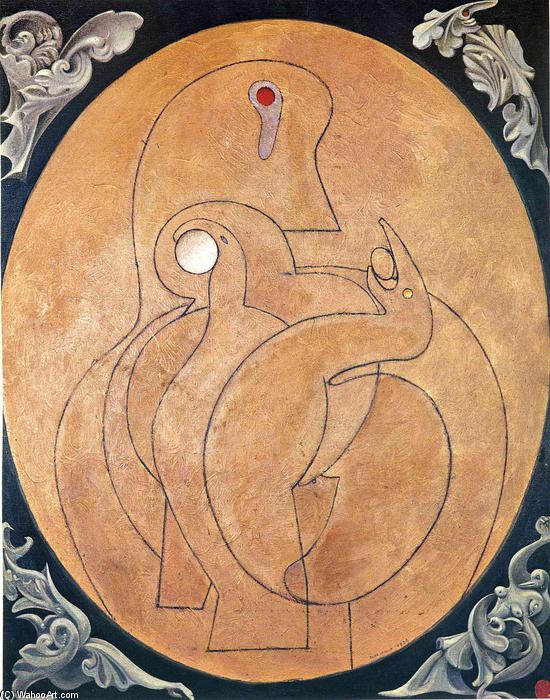
The Inner Vision: The Egg
 Collage
- WallArt
- Surrealism
 1929
1929- Modern
 98.0 x 79.0 cm
 Ver mais
Giclée / Impressão de Arte
Impressão giclée ou em tela de qualidade de museu, com produção rápida e opções flexíveis de acabamento. ( Comprar pintura feita à mão Comprar imagem)




P118B $10

P118H $10

P118W $10

P438Z $10

P508JH $12

P508YH $12

P805H $10

P805Z $10

P919BZ $10

P919G $10

P919XJ $10

P959ZH $10

P968JZ $12

W106C $8

W218G $10

W218JH $8

W218Y $10

W307PJ $10

W316G $10

W316PJ $8

W316Y $10

W398PJ $8

W4111J $10

W500HY $15

W500JH $15

W692G $12

W849H $8

W940BG $15

W953PJ $8




Escolha entre os nossos tamanhos pré-definidos que respeitam as proporções originais da obra de arte.

Você pode inserir suas próprias dimensões para se ajustar a uma moldura ou espaço específico. Se o tamanho selecionado não corresponder às proporções da imagem original, iremos recortar a obra de arte ou estender a imagem com uma borda espelhada ou preenchimento sólido. Um mockup digital será enviado para sua aprovação antes do início da produção.
Por favor, observe que a visualização na tela não reflete o recorte ou a extensão real. Apenas o mockup mostrará com precisão a composição final.
Embora tamanhos personalizados estejam disponíveis, recomendamos selecionar uma dimensão da lista predefinida para preservar as proporções originais.
Entrega mundial () em 2 semanas, em vez das 4/5 semanas padrão. (12 Agosto)

Envio Expresso Gratuito para todo o Mundo

Tela de Linho Premium

Seguro de transporte total

Garantia de Reembolso de Impostos Alfandegários

Garantia de Fidelidade de Cor

Política de Devolução de 60 Dias (Apenas para Defeitos)

Garantia de reembolso de 100%

Desconto para múltiplas unidades
 A opção de vidro está disponível apenas para tamanhos inferiores a 110 cm

The Inner Vision: The Egg
Giclée / Impressão de Arte
Dimensões da Reprodução
-


Preço Total
$ 80
Descrição do Item
A Dreamscape of Subconscious Truths
In the vast, labyrinthine corridors of Surrealism, few works capture the unsettling beauty of the psyche as poignantly as Max Ernst’s 1929 masterpiece, The Inner Vision: The Egg. This painting is not merely a visual arrangement; it is an invitation to step beyond the veil of rational thought and enter a realm where the boundaries between reality and dream dissolve. At first glance, the viewer is met with a tableau that feels both strangely familiar and profoundly alien. Two avian figures, rendered with a texture reminiscent of weathered clay or ancient ceramic, are perched atop one another in a delicate, almost fragile balance. This central motif serves as the heartbeat of the composition, anchoring an otherwise disquieting landscape of symbolic fragments.
The brilliance of Ernst’s vision lies in his ability to weave disparate elements into a cohesive emotional tapestry. As your eyes wander across the canvas, you encounter a clock face suspended in the upper reaches of the frame, its presence a silent reminder of the relentless march of time. Nearby, an apple rests in the corner, while a bowl sits nestled at the base, creating a domesticity that feels interrupted by the surreal. This juxtaposition—the temporal measurement of the clock against the organic stillness of the birds and the nurturing suggestion of the bowl—creates a tension that is both captivating and deeply contemplative for any collector seeking art that provokes thought.
Technique and the Alchemy of Texture
To behold The Inner Vision: The Egg is to witness the mastery of Surrealist innovation. Ernst, ever the experimentalist, moved far beyond traditional brushwork, employing techniques such as collage and frottage to breathe life into his visions. By layering textured paper fragments and utilizing the rubbing technique, he generated organic, unpredictable patterns that mimic the chaotic beauty of nature. This method allows the surface of the painting to possess a tactile, almost sculptural quality, making it an extraordinary piece for interior spaces where texture and depth are paramount.
The deliberate disruption of conventional visual order is a hallmark of this work. The way the textures interact with the forms of the birds and the surrounding objects creates a sense of movement within stillness. For the discerning interior designer, this complexity offers a profound layer of sophistication; the painting does not simply sit upon a wall but interacts with the light and atmosphere of a room, offering new discoveries with every glance. It is an exquisite example of how technical experimentation can be harnessed to evoke deep-seated psychological responses.
Symbolism and the Legacy of the Surrealist Spirit
Emerging from the profound disillusionment following World War I, Ernst’s work embodies the era's fervent embrace of the irrational. The birds in this composition are far more than mere subjects; they act as powerful allegories for duality—representing the interplay between life and death, or the male and female principles. They embody a simultaneous sense of vulnerability and resilience, mirroring the human condition itself. Through his use of symbolic objects like the clock and the bowl, Ernst explores the existential anxieties of his time, contrasting the decay of time with the preservation of life.
Owning a reproduction of such a seminal work allows one to bring a piece of art history's most transformative movement into the modern home. The Inner Vision: The Egg remains a cornerstone of Surrealist inquiry, offering an enduring sense of wonder and intellectual stimulation. Whether placed in a curated gallery setting or as a focal point in a contemporary living space, this painting serves as a window into the infinite depths of the human imagination, making it a timeless acquisition for those who value art that speaks to the soul.
Biografia do Artista
A Vida Imersa no Surreal
Max Ernst, nascido Maximilian Maria Ernst em 1º de abril de 1891, em Brühl, Alemanha, foi um espírito inquieto destinado a se tornar uma das figuras mais cruciais do século XX na arte. Sua jornada não foi de treinamento artístico convencional; ao invés disso, foi uma exploração autoguiada, impulsionada por questionamentos filosóficos, fascínio psicológico e uma profunda desilusão com as normas sociais. Seu pai, professor surdo e pintor amador, lhe transmitiu tanto sensibilidade para o mundo quanto uma rebeldia contra a autoridade estabelecida. Essa dualidade precoce se tornaria uma característica definidora de sua visão artística.
Os estudos acadêmicos de Ernst na Universidade de Bonn – abrangendo filosofia, história da arte, literatura, psicologia e psiquiatria – não foram meras distrações, mas elementos fundamentais que informaram profundamente seu trabalho posterior. Ele não estava simplesmente interessado em *como* pintar; ele estava se questionando *por que*. Essa curiosidade intelectual o levou a encontrar as obras inovadoras de Picasso, Van Gogh e Gauguin na exposição Sonderbund em Colónia em 1912, um momento que alterou irreversivelmente sua trajetória artística. As sementes do modernismo haviam sido plantadas.
A Disrupção Dadaísta e o Nascimento das Visões Surrealistas
A catástrofe da Primeira Guerra Mundial se mostrou um ponto de inflexão para Ernst. Suas experiências como soldado em ambos os fronts, oriental e ocidental, o deixaram profundamente abalado, fomentando um ceticismo profundo em relação à ordem estabelecida e uma ânsia por novas formas de expressão. Essa desilusão encontrou terreno fértil no movimento Dada, que ele abraçou com entusiasmo após retornar a Colónia em 1918. Ao lado de Hans Arp – um amigo e colaborador de longa data –, Ernst se tornou uma figura central no grupo Dada de Colónia, rejeitando as convenções artísticas tradicionais e abraçando o absurdo, o acaso e a anti-racionalidade.
No entanto, Dada foi apenas um trampolim. Nos primeiros anos dos anos 1920, Ernst migrou para Paris e juntou-se ao Círculo Surrealista, liderado por André Breton. Isso marcou uma mudança em direção à exploração do reino dos sonhos, da mente inconsciente e do irracional. Influenciado pelas teorias psicanalíticas de Sigmund Freud, Ernst buscou desbloquear as profundezas ocultas da experiência humana através de sua arte. Ele não estava interessado em representar a realidade como ela aparecia, mas sim em revelar as forças psicológicas subjacentes que a moldavam.
Técnicas Pioneiras: Frottage, Grattage e Colagem
A inovação artística de Ernst se estendeu além do assunto; ele era um experimentador incansável com técnicas. Ele não simplesmente adotou métodos existentes—ele inventou novos. Talvez sua contribuição mais famosa seja o frottage, um processo de esfregar lápis ou carvão sobre superfícies texturizadas para criar imagens inesperadas e evocativas. Essa técnica, nascida de um momento de tédio ao observar a textura da madeira, permitiu que Ernst acessasse o inconsciente e gerasse formas que desafiavam o controle consciente. Relacionada intimamente estava o grattage, onde a tinta é raspada sobre a tela, revelando camadas subjacentes.
Ele também empregou magistralmente a colagem, montando elementos díspares – imagens de revistas, ilustrações científicas, fotografias – em composições surreais que desafiaram as noções convencionais de representação. Essas técnicas não eram meras escolhas estilísticas; elas eram integrais à sua exploração do inconsciente e ao seu desejo de perturbar os limites artísticos tradicionais. Suas pinturas frequentemente apresentam imagens simbólicas recorrentes: pássaros (particularmente seu alter ego Loplop), paisagens desoladas, combinações perturbadoras e uma sensação persistente de mistério.
Um Legado de Inovação e Influência
O início da Segunda Guerra Mundial forçou Ernst a fugir da Europa, encontrando refúgio nos Estados Unidos. Ele continuou a pintar e experimentar novas técnicas ao longo de seu exílio, eventualmente retornando à França após a guerra onde permaneceu ativo até sua morte em 1º de abril de 1976, em Paris. Sua influência nas gerações posteriores de artistas é imensurável.
As contribuições de Ernst para o Dada e o Surrealismo foram nada menos que inovadoras. Ele desafiou as normas artísticas, mergulhou nas profundezas da mente inconsciente e inventou técnicas que continuam a inspirar artistas hoje. Ele não era apenas um pintor; ele era um explorador, um provocador e um visionário que expandiu os limites da arte em si.
- Obras Notáveis: The Entire City, Euclides, Ofrenda funerária, The Angel of the Hearth
- Influências: Pablo Picasso, Vincent van Gogh, Paul Gauguin, Sigmund Freud, Giorgio de Chirico
- Movimentos: Dada, Surrealismo

Max Ernst
1891 - 1976 , Alemanha
Informações Rápidas
- Artistic Movement Or Style: Dada e Surrealismo
- Artists Or Movements Influenced By This Artist:
- Surrealismo
- Dada
- Artists Who Influenced This Artist:
- Picasso
- Van Gogh
- Gauguin
- Date Of Birth: 1 de abril de 1891
- Date Of Death: 1 de abril de 1976
- Full Name: Max Ernst
- Nationality: Alemão-Americano, Francês
- Notable Artworks:
- Cidade Inteira
- Euclides
- Dove e Floresta
- Place Of Birth: Brühl, Alemanha
Artigos Relacionados
Max Ernst: As 25 Obras-Primas do Surrealismo para Decorar com Arte e História
Descubra as 25 obras-primas de Max Ernst, o mestre do surrealismo! Explore a história por trás da arte inovadora, frottage e paisagens oníricas. Encontre reproduções de alta qualidade para decorar com estilo em OriginalUniqueArt.com.

Esculturas em Bronze Icônicas: 10 Obras que Revolucionaram a Arte | OriginalUniqueArt
Descubra as 10 esculturas em bronze mais icônicas da história! Explore a arte de Rodin, Michelangelo e outros mestres. Encontre reproduções de alta qualidade para sua casa em OriginalUniqueArt.com.

As 10 Obras em Bronze Mais Icônicas que Transformaram a História da Arte | OriginalUniqueArt
Descubra as 10 esculturas em bronze mais influentes da história! Explore a arte de Rodin, Michelangelo e outros mestres. Reproduções de alta qualidade para decorar sua casa com elegância. OriginalUniqueArt.

The Enduring Form: Exploring Themes & Techniques in Sculpture Across Historical Periods
Explore the rich history of sculpture from ancient masterpieces to contemporary innovations. Discover key techniques, influential artists & investment potential for discerning art collectors.
The Art of Ceramics: A Guide to Mastery, Texture, and Timeless Form for the Discerning Collector
Explore the profound elegance of ceramic art. From master glazes to sculptural forms, our expert guide offers discerning collectors deep insights into the mastery, texture, and timeless value of fine ceramics for sophisticated collections and luxury interiors.