
 Visualizar em escala
 Enviar
 Compartilhar
 Ver detalhes
 Guia de Obras do Aluno

 Baixar imagem
 Semelhantes
 Raio X
 Apresentação de slides
 Estatísticas
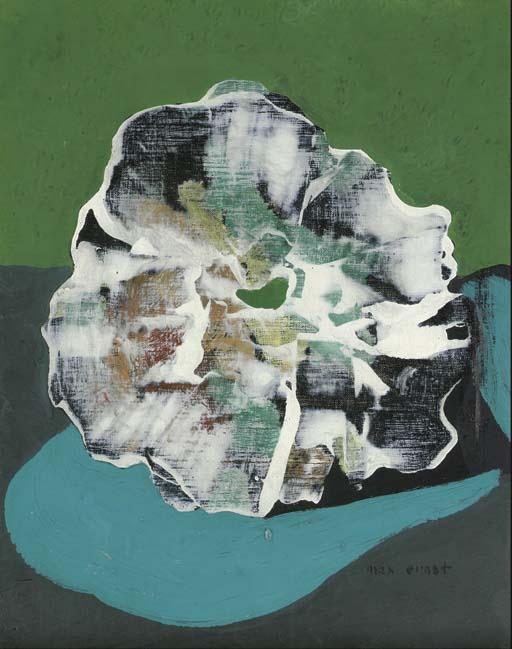
Muschelblume

 Ver mais
Adquira uma imagem digital de alta resolução e aprimorada, muito superior à prévia online.
Cada arquivo é meticulosamente preparado por nossos especialistas internos, utilizando ferramentas avançadas e retoques manuais de alta precisão. Garantimos que cada imagem apresente clareza excepcional, fidelidade de cores e detalhes minuciosos.
O arquivo final é entregue por e-mail em até 72 horas, otimizado para uso imediato em ambientes profissionais, editoriais e de impressão. Esta é a mesma qualidade utilizada por estúdios de design de alto nível, editoras e galerias.
Imagem Digital
Baixe um arquivo de alta resolução para exibição pessoal, impressão e projetos criativos. ( Alternar para Impressão Encomendar reprodução pintada à mão)
Incluído em cada pedido de imagem digital
Entrega Digital Especializada e Garantida
Ao escolher o OriginalUniqueArt.com, você não está apenas adquirindo uma imagem — você está recebendo uma obra de arte digital profissionalmente aprimorada, elaborada com precisão e com garantia de satisfação. Aqui está tudo o que acompanha seu pedido, automaticamente:

Entrega rápida por e-mail
O seu arquivo de imagem digital em alta resolução será enviado por e-mail em até 72 horas após o pedido — pronto para uso imediato.

Arquivo Digital com IA Otimizado
Sua obra de arte é otimizada profissionalmente por meio de ferramentas avançadas de IA e edição manual, garantindo o máximo de detalhes, clareza e precisão de cores.

Reenvio gratuito vitalício
Apagou ou perdeu o seu ficheiro acidentalmente? Não se preocupe – nós reenviamos para si a qualquer momento, gratuitamente.

Sem Taxas de Importação - Sempre
Desfrute da sua obra de arte instantaneamente, sem taxas alfandegárias, impostos ou custos de entrega — downloads digitais são sempre isentos de taxas.

Garantia de Precisão de Cores
Garantimos que sua imagem digital reflita as cores originais com a maior fidelidade possível, utilizando ferramentas profissionais e gerenciamento de cores.

Garantia de satisfação de 100 dias
Se não estiver satisfeito com a sua imagem digital, nós a revisaremos ou reembolsaremos 100% dentro de 100 dias — sem perguntas.

Garantia de Reembolso 100%
Não está satisfeito? Receba o reembolso total em até 100 dias após o recebimento do seu arquivo digital — sem perguntas.

Descontos para pedidos em lote
Compre 3 imagens, economize 10% - Compre 5, economize 15% - Compre 10+, economize 20%. Ideal para projetos criativos, galerias e agências.
Muschelblume: A Surrealist Echo of Shells and Dreams
Max Ernst’s “Muschelblume” – literally “Shell Flower” – is not merely a depiction of an object; it's a portal into the artist’s meticulously constructed dreamscape. Painted in 1928, this work embodies the core tenets of Surrealism, a movement that sought to unlock the hidden potential of the unconscious mind through art. The image presents a solitary shell, rendered in stark white against a deep, evocative blue backdrop. This isn't a realistic portrayal; rather, it’s an invitation to contemplate the strange beauty and symbolic weight inherent within the seemingly simple form of a seashell.
Ernst was deeply fascinated by the intersection of nature, memory, and the irrational. He frequently employed techniques like *frottage* – rubbing a pencil over textured surfaces – and *grattage* – scraping paint across canvas to reveal underlying layers – to generate unexpected imagery. These methods deliberately disrupted logical thought processes, allowing subconscious associations to surface. In “Muschelblume,” this is evident in the shell’s unusual shape; it's not a perfectly formed specimen but rather an abstracted, almost unsettling form, hinting at something beyond its physical presence.
The Blue Void and the Symbolism of the Shell
The dominant blue background isn’t merely a backdrop; it acts as a void, a space pregnant with possibility. It's reminiscent of the vastness of the ocean or the depths of the human psyche – both sources of profound mystery and subconscious imagery for Ernst. The shell itself carries significant symbolic weight. Seashells have long been associated with journeys, memories, and the connection between earth and sea. They represent a link to the past, a reminder of voyages undertaken and experiences absorbed. In Ernst’s hands, however, this symbolism is deliberately destabilized, transformed into something enigmatic and open to interpretation.
The white color of the shell further amplifies its symbolic power. White often represents purity, innocence, or even death – concepts frequently explored in Surrealist art. Here, it could suggest a fragile beauty, vulnerable yet resilient, mirroring the delicate nature of memory and the transient quality of experience. The contrast between the stark white shell and the deep blue background creates a powerful visual tension, drawing the viewer’s eye to the central subject while simultaneously evoking a sense of unease or disorientation.
Ernst's Place in Surrealism and Beyond
Max Ernst was a pivotal figure in the development of Surrealism, alongside artists like Salvador Dalí and René Magritte. He wasn’t simply a follower of André Breton; he actively shaped the movement’s aesthetic and philosophical direction. His work frequently explored themes of desire, anxiety, and the subconscious, often employing unsettling juxtapositions and dreamlike imagery. “Muschelblume” exemplifies this approach perfectly – it's a carefully constructed illusion that challenges our perceptions and invites us to delve into the hidden realms of the imagination.
Beyond Surrealism, Ernst’s innovative techniques and his exploration of memory and symbolism have had a lasting influence on contemporary art. His work continues to resonate with artists and viewers alike, offering a glimpse into the complexities of the human psyche and the power of artistic experimentation. A reproduction of “Muschelblume” is not just a beautiful image; it’s an invitation to engage in a dialogue with one of the 20th century's most visionary artists.
Bringing "Muschelblume" into Your Space
OriginalUniqueArt offers meticulously crafted, hand-painted reproductions of “Muschelblume” that capture the essence of Ernst’s original vision. Each reproduction is created using traditional oil painting techniques and archival quality materials, ensuring a faithful representation of the artwork's colors, textures, and emotional impact. Whether you are an art collector, interior designer, or simply someone seeking to add a touch of surreal beauty to your home, our reproductions provide a stunning way to experience this iconic work of art.
Consider how the deep blue tones might complement a calming bedroom scheme, or how the shell’s evocative form could serve as a focal point in a living room. Our team can assist you in selecting the perfect size and canvas type to suit your specific needs and preferences. Explore our range of options today and bring the dreamlike world of Max Ernst into your own space.
Perguntas e Respostas
Existe uma apresentação de slides para "Muschelblume" de Max Ernst?
Um slideshow está disponível: a página Apresentação de slides de "Muschelblume" de Max Ernst.
Como "Muschelblume" de Max Ernst conecta Surrealism ao país de origem do artista?
"Muschelblume" foi criada por Max Ernst, nascido em Alemanha, dentro do movimento Surrealism. A origem do artista vincula a obra ao Surrealism conforme praticado por artistas de Alemanha.
Como posso visualizar uma reprodução de "Muschelblume" de Max Ernst?
Para visualizar uma reprodução de "Muschelblume" de Max Ernst, acesse a página de Visualização da obra.
Biografia do Artista
A Vida Imersa no Surreal
Max Ernst, nascido Maximilian Maria Ernst em 1º de abril de 1891, em Brühl, Alemanha, foi um espírito inquieto destinado a se tornar uma das figuras mais cruciais do século XX na arte. Sua jornada não foi de treinamento artístico convencional; ao invés disso, foi uma exploração autoguiada, impulsionada por questionamentos filosóficos, fascínio psicológico e uma profunda desilusão com as normas sociais. Seu pai, professor surdo e pintor amador, lhe transmitiu tanto sensibilidade para o mundo quanto uma rebeldia contra a autoridade estabelecida. Essa dualidade precoce se tornaria uma característica definidora de sua visão artística.
Os estudos acadêmicos de Ernst na Universidade de Bonn – abrangendo filosofia, história da arte, literatura, psicologia e psiquiatria – não foram meras distrações, mas elementos fundamentais que informaram profundamente seu trabalho posterior. Ele não estava simplesmente interessado em *como* pintar; ele estava se questionando *por que*. Essa curiosidade intelectual o levou a encontrar as obras inovadoras de Picasso, Van Gogh e Gauguin na exposição Sonderbund em Colónia em 1912, um momento que alterou irreversivelmente sua trajetória artística. As sementes do modernismo haviam sido plantadas.
A Disrupção Dadaísta e o Nascimento das Visões Surrealistas
A catástrofe da Primeira Guerra Mundial se mostrou um ponto de inflexão para Ernst. Suas experiências como soldado em ambos os fronts, oriental e ocidental, o deixaram profundamente abalado, fomentando um ceticismo profundo em relação à ordem estabelecida e uma ânsia por novas formas de expressão. Essa desilusão encontrou terreno fértil no movimento Dada, que ele abraçou com entusiasmo após retornar a Colónia em 1918. Ao lado de Hans Arp – um amigo e colaborador de longa data –, Ernst se tornou uma figura central no grupo Dada de Colónia, rejeitando as convenções artísticas tradicionais e abraçando o absurdo, o acaso e a anti-racionalidade.
No entanto, Dada foi apenas um trampolim. Nos primeiros anos dos anos 1920, Ernst migrou para Paris e juntou-se ao Círculo Surrealista, liderado por André Breton. Isso marcou uma mudança em direção à exploração do reino dos sonhos, da mente inconsciente e do irracional. Influenciado pelas teorias psicanalíticas de Sigmund Freud, Ernst buscou desbloquear as profundezas ocultas da experiência humana através de sua arte. Ele não estava interessado em representar a realidade como ela aparecia, mas sim em revelar as forças psicológicas subjacentes que a moldavam.
Técnicas Pioneiras: Frottage, Grattage e Colagem
A inovação artística de Ernst se estendeu além do assunto; ele era um experimentador incansável com técnicas. Ele não simplesmente adotou métodos existentes—ele inventou novos. Talvez sua contribuição mais famosa seja o frottage, um processo de esfregar lápis ou carvão sobre superfícies texturizadas para criar imagens inesperadas e evocativas. Essa técnica, nascida de um momento de tédio ao observar a textura da madeira, permitiu que Ernst acessasse o inconsciente e gerasse formas que desafiavam o controle consciente. Relacionada intimamente estava o grattage, onde a tinta é raspada sobre a tela, revelando camadas subjacentes.
Ele também empregou magistralmente a colagem, montando elementos díspares – imagens de revistas, ilustrações científicas, fotografias – em composições surreais que desafiaram as noções convencionais de representação. Essas técnicas não eram meras escolhas estilísticas; elas eram integrais à sua exploração do inconsciente e ao seu desejo de perturbar os limites artísticos tradicionais. Suas pinturas frequentemente apresentam imagens simbólicas recorrentes: pássaros (particularmente seu alter ego Loplop), paisagens desoladas, combinações perturbadoras e uma sensação persistente de mistério.
Um Legado de Inovação e Influência
O início da Segunda Guerra Mundial forçou Ernst a fugir da Europa, encontrando refúgio nos Estados Unidos. Ele continuou a pintar e experimentar novas técnicas ao longo de seu exílio, eventualmente retornando à França após a guerra onde permaneceu ativo até sua morte em 1º de abril de 1976, em Paris. Sua influência nas gerações posteriores de artistas é imensurável.
As contribuições de Ernst para o Dada e o Surrealismo foram nada menos que inovadoras. Ele desafiou as normas artísticas, mergulhou nas profundezas da mente inconsciente e inventou técnicas que continuam a inspirar artistas hoje. Ele não era apenas um pintor; ele era um explorador, um provocador e um visionário que expandiu os limites da arte em si.
- Obras Notáveis: The Entire City, Euclides, Ofrenda funerária, The Angel of the Hearth
- Influências: Pablo Picasso, Vincent van Gogh, Paul Gauguin, Sigmund Freud, Giorgio de Chirico
- Movimentos: Dada, Surrealismo
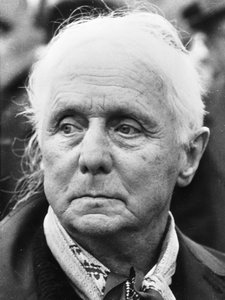
Max Ernst
1891 - 1976 , Alemanha
Informações Rápidas
- Artistic Movement Or Style: Dada e Surrealismo
- Artists Or Movements Influenced By This Artist:
- Surrealismo
- Dada
- Artists Who Influenced This Artist:
- Picasso
- Van Gogh
- Gauguin
- Date Of Birth: 1 de abril de 1891
- Date Of Death: 1 de abril de 1976
- Full Name: Max Ernst
- Nationality: Alemão-Americano, Francês
- Notable Artworks:
- Cidade Inteira
- Euclides
- Dove e Floresta
- Place Of Birth: Brühl, Alemanha