

 Visualizar na parede
 Compartilhar
 Compartilhar
 Detalhes

 Baixar imagem
 Semelhantes
 Raio X
 Slideshow
 Estatísticas
A Swallow's Nest
 Oil On Canvas
- WallArt
- Surrealism
 1966
1966- Modern
 134.0 x 168.0 cm
 Ler mais
Reprodução em Óleo Feita à Mão
Óleo sobre tela pintado à mão no tamanho e moldura de sua escolha, feito sob encomenda pelos nossos artistas. ( Alternar para Impressão Alternar para Imagem Digital)




P118B $10

P118H $10

P118W $10

P438Z $10

P508JH $12

P508YH $12

P805H $10

P805Z $10

P919BZ $10

P919G $10

P919XJ $10

P959ZH $10

P968JZ $12

W106C $8

W218G $10

W218JH $8

W218Y $10

W307PJ $10

W316G $10

W316PJ $8

W316Y $10

W398PJ $8

W4111J $10

W500HY $15

W500JH $15

W692G $12

W849H $8

W940BG $15

W953PJ $8




Escolha entre os nossos tamanhos pré-definidos que respeitam as proporções originais da obra de arte.

Pode inserir as suas próprias dimensões para se adequar a uma moldura ou espaço específico. Se o tamanho selecionado não corresponder às proporções da imagem original, iremos cortar a obra de arte ou estender a pintura com elementos adicionais pintados à mão. Um esboço digital será enviado para sua aprovação antes do início da produção.
Tenha em atenção que a pré-visualização no ecrã não reflete o corte ou extensão real. Apenas o esboço mostrará com precisão a composição final.
Embora tamanhos personalizados estejam disponíveis, recomendamos selecionar uma dimensão da lista predefinida para preservar as proporções originais.
Após o pedido, a equipa OriginalUniqueArt.com enviará um e-mail ao cliente para solicitar instruções e fornecer uma prévia do esboço.
Entrega mundial () em 3 a 4 semanas, em vez das 5 semanas padrão. (13 Setembro). Sem comprometer a qualidade.

Envio expresso gratuito para todo o mundo

Tela de Linho de Alta Qualidade

Seguro de transporte completo

Garantia de Reembolso de Impostos Alfandegários

Garantia de Fidelidade Cromática

Política de Devolução de 100 Dias (Apenas Defeitos)

Garantia de reembolso de 100%

Oferta de desconto por quantidade
 A opção de vidro está disponível apenas para tamanhos inferiores a 110 cm

A Swallow's Nest
Técnica de Reprodução
Tamanho da Reprodução
-


Preço Total
$ 300
A Swallow's Nest
Max Ernst, a renowned German artist, was a pioneer of the Dada movement and Surrealism. His artwork often featured dream-like imagery and abstract forms, which captivated audiences worldwide. One of his notable works is A Swallow's Nest, created in 1966.Artistic Style and Technique
A Swallow’s Nest is a prime example of Ernst’s surrealist style, characterized by vibrant colors and intricate patterns. The painting measures 134 x 168 cm, making it a striking piece that commands attention. The artist's use of oil on canvas allows for textured brushstrokes and blending of colors, creating an engaging visual experience. This deliberate layering of pigment contributes to the artwork’s depth and luminosity, inviting viewers to contemplate its subtle nuances. Ernst’s technique—particularly his incorporation of frottage—adds another dimension to the piece, capturing the essence of chance and spontaneity within a meticulously crafted composition.Symbolism and Interpretation
The title A Swallow's Nest suggests a connection to nature—specifically the swallow’s nest itself—but the painting itself is more abstract. The arrangement of shapes and colors can be interpreted in various ways, inviting viewers to explore their own meanings. Recurring motifs of birds and geometric forms symbolize resilience, transformation, and perhaps even an unconscious yearning for refuge. Ernst's masterful manipulation of visual elements encourages contemplation on themes of fragility and permanence, mirroring the precarious beauty of the Crimean landscape where the painting was conceived.Context within Max Ernst’s Work
Max Ernst was prolific, producing numerous works that spanned multiple mediums. His other notable pieces include The Arrival of travellers (Illustration for "The Misfortunes of the Immortals") and Oedipus Rex, both available on OriginalUniqueArt.com. These works demonstrate his versatility and consistent exploration of surrealist themes—themes rooted in Freudian psychoanalysis and reflecting anxieties about the human condition. Ernst’s artistic vision extended beyond mere representation; he sought to evoke emotion and provoke thought through unconventional techniques and symbolic imagery.Museum Collections
Many of Max Ernst's works are housed in prestigious museums, such as the Musée Cantini in Marseilles, France. This museum is dedicated to modern art from the first half of the twentieth century and features an impressive collection of paintings, sculptures, and other artworks. Visiting Musée Cantini offers a chance to immerse oneself in the legacy of Ernst’s artistic endeavors and appreciate his contribution to Surrealist aesthetics.- Max Ernst: A Swallow's Nest
- Max Ernst: The Arrival of travellers (Illustration for "The Misfortunes of the Immortals")
- Max Ernst: Oedipus Rex
- Musée Cantini, France
For more information on Max Ernst and his works, visit OriginalUniqueArt.com.
Biografia do Artista
A Vida Imersa no Surreal
Max Ernst, nascido Maximilian Maria Ernst em 1º de abril de 1891, em Brühl, Alemanha, foi um espírito inquieto destinado a se tornar uma das figuras mais cruciais do século XX na arte. Sua jornada não foi de treinamento artístico convencional; ao invés disso, foi uma exploração autoguiada, impulsionada por questionamentos filosóficos, fascínio psicológico e uma profunda desilusão com as normas sociais. Seu pai, professor surdo e pintor amador, lhe transmitiu tanto sensibilidade para o mundo quanto uma rebeldia contra a autoridade estabelecida. Essa dualidade precoce se tornaria uma característica definidora de sua visão artística.
Os estudos acadêmicos de Ernst na Universidade de Bonn – abrangendo filosofia, história da arte, literatura, psicologia e psiquiatria – não foram meras distrações, mas elementos fundamentais que informaram profundamente seu trabalho posterior. Ele não estava simplesmente interessado em *como* pintar; ele estava se questionando *por que*. Essa curiosidade intelectual o levou a encontrar as obras inovadoras de Picasso, Van Gogh e Gauguin na exposição Sonderbund em Colónia em 1912, um momento que alterou irreversivelmente sua trajetória artística. As sementes do modernismo haviam sido plantadas.
A Disrupção Dadaísta e o Nascimento das Visões Surrealistas
A catástrofe da Primeira Guerra Mundial se mostrou um ponto de inflexão para Ernst. Suas experiências como soldado em ambos os fronts, oriental e ocidental, o deixaram profundamente abalado, fomentando um ceticismo profundo em relação à ordem estabelecida e uma ânsia por novas formas de expressão. Essa desilusão encontrou terreno fértil no movimento Dada, que ele abraçou com entusiasmo após retornar a Colónia em 1918. Ao lado de Hans Arp – um amigo e colaborador de longa data –, Ernst se tornou uma figura central no grupo Dada de Colónia, rejeitando as convenções artísticas tradicionais e abraçando o absurdo, o acaso e a anti-racionalidade.
No entanto, Dada foi apenas um trampolim. Nos primeiros anos dos anos 1920, Ernst migrou para Paris e juntou-se ao Círculo Surrealista, liderado por André Breton. Isso marcou uma mudança em direção à exploração do reino dos sonhos, da mente inconsciente e do irracional. Influenciado pelas teorias psicanalíticas de Sigmund Freud, Ernst buscou desbloquear as profundezas ocultas da experiência humana através de sua arte. Ele não estava interessado em representar a realidade como ela aparecia, mas sim em revelar as forças psicológicas subjacentes que a moldavam.
Técnicas Pioneiras: Frottage, Grattage e Colagem
A inovação artística de Ernst se estendeu além do assunto; ele era um experimentador incansável com técnicas. Ele não simplesmente adotou métodos existentes—ele inventou novos. Talvez sua contribuição mais famosa seja o frottage, um processo de esfregar lápis ou carvão sobre superfícies texturizadas para criar imagens inesperadas e evocativas. Essa técnica, nascida de um momento de tédio ao observar a textura da madeira, permitiu que Ernst acessasse o inconsciente e gerasse formas que desafiavam o controle consciente. Relacionada intimamente estava o grattage, onde a tinta é raspada sobre a tela, revelando camadas subjacentes.
Ele também empregou magistralmente a colagem, montando elementos díspares – imagens de revistas, ilustrações científicas, fotografias – em composições surreais que desafiaram as noções convencionais de representação. Essas técnicas não eram meras escolhas estilísticas; elas eram integrais à sua exploração do inconsciente e ao seu desejo de perturbar os limites artísticos tradicionais. Suas pinturas frequentemente apresentam imagens simbólicas recorrentes: pássaros (particularmente seu alter ego Loplop), paisagens desoladas, combinações perturbadoras e uma sensação persistente de mistério.
Um Legado de Inovação e Influência
O início da Segunda Guerra Mundial forçou Ernst a fugir da Europa, encontrando refúgio nos Estados Unidos. Ele continuou a pintar e experimentar novas técnicas ao longo de seu exílio, eventualmente retornando à França após a guerra onde permaneceu ativo até sua morte em 1º de abril de 1976, em Paris. Sua influência nas gerações posteriores de artistas é imensurável.
As contribuições de Ernst para o Dada e o Surrealismo foram nada menos que inovadoras. Ele desafiou as normas artísticas, mergulhou nas profundezas da mente inconsciente e inventou técnicas que continuam a inspirar artistas hoje. Ele não era apenas um pintor; ele era um explorador, um provocador e um visionário que expandiu os limites da arte em si.
- Obras Notáveis: The Entire City, Euclides, Ofrenda funerária, The Angel of the Hearth
- Influências: Pablo Picasso, Vincent van Gogh, Paul Gauguin, Sigmund Freud, Giorgio de Chirico
- Movimentos: Dada, Surrealismo
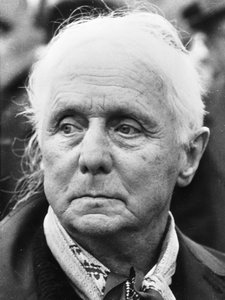
Max Ernst
1891 - 1976 , Alemanha
Dados Rápidos
- Artistic Movement Or Style: Dada e Surrealismo
- Artists Or Movements Influenced By This Artist:
- Surrealismo
- Dada
- Artists Who Influenced This Artist:
- Picasso
- Van Gogh
- Gauguin
- Date Of Birth: 1 de abril de 1891
- Date Of Death: 1 de abril de 1976
- Full Name: Max Ernst
- Nationality: Alemão-Americano, Francês
- Notable Artworks:
- Cidade Inteira
- Euclides
- Dove e Floresta
- Place Of Birth: Brühl, Alemanha
Artigos Relacionados
Beyond the Lines: Mastering the High-Impact World of Contemporary Abstraction
Master the high-impact world of contemporary abstraction. Discover how bold colors, textures, and modern movements like Abstract Expressionism can transform your space with premium, high-energy art curated for the design-conscious professional.

Max Ernst: As 25 Obras-Primas do Surrealismo para Decorar com Arte e História
Descubra as 25 obras-primas de Max Ernst, o mestre do surrealismo! Explore a história por trás da arte inovadora, frottage e paisagens oníricas. Encontre reproduções de alta qualidade para decorar com estilo em OriginalUniqueArt.com.
The Soul of Color: A Journey into the Emotional Resonance of Lyrical Abstraction
Embark on a cultural journey through Lyrical Abstraction. Explore how masters like Kandinsky used color and motion to translate emotion into visual poetry. Discover the profound beauty of abstract expressionism and learn to curate emotional resonance in your own art collection.

Top 10 Obras-Primas do Expressionismo Abstrato: Arte para Decorar e Inspirar | OriginalUniqueArt.com
Descubra as 10 obras-primas do Expressionismo Abstrato com Jackson Pollock, Mark Rothko e mais! Explore a história, técnica e emoção por trás de cada pintura. Encontre reproduções de arte exclusivas para decorar sua casa em OriginalUniqueArt.com.

Abstração Geométrica: 10 Obras-Primas que Moldaram a Arte Moderna | OriginalUniqueArt.com
Descubra as 10 obras-primas da Abstração Geométrica que revolucionaram a arte moderna! Explore Kandinsky, Mondrian e outros artistas icônicos. Encontre reproduções de alta qualidade para decorar sua casa com OriginalUniqueArt.com.


