

 Visualizar em escala
 Enviar
 Compartilhar
 Ver detalhes
 Guia de Obras do Aluno

 Baixar imagem
 Semelhantes
 Raio X
 Apresentação de slides
 Estatísticas
The King
 Acrylic
- WallArt
- Expressionist Painting
 1937
1937 135.0 x 100.0 cm
 Ver mais
Giclée / Impressão de Arte
Impressão giclée ou em tela de qualidade de museu, com produção rápida e opções flexíveis de acabamento. ( Encomendar reprodução pintada à mão Ver Imagem Digital)




P118B €10

P118H €10

P118W €10

P438Z €10

P508JH €12

P508YH €12

P805H €10

P805Z €10

P919BZ €10

P919G €10

P919XJ €10

P959ZH €10

P968JZ €12

W106C €8

W218G €10

W218JH €8

W218Y €10

W307PJ €10

W316G €10

W316PJ €8

W316Y €10

W398PJ €8

W4111J €10

W500HY €15

W500JH €15

W692G €12

W849H €8

W940BG €15

W953PJ €8




Escolha entre os nossos tamanhos pré-definidos que respeitam as proporções originais da obra de arte.

Digite a largura e a altura de que necessita, para se ajustar à sua moldura ou à sua parede. Uma impressão só pode ser cortada, nunca ampliada além da imagem original, pelo que um tamanho com uma proporção diferente perderá parte da imagem. Enviamos-lhe uma maquete digital para aprovação antes de imprimirmos qualquer coisa. A imagem apresentada nesta página não mostra o corte real — apenas a maquete o faz.
Entrega mundial () em 2 semanas, em vez das 4/5 semanas padrão. (16 Outubro)

Envio expresso gratuito para todo o mundo

Tela de Linho Premium

Seguro de transporte total

Garantia de Reembolso de Impostos Alfandegários

Garantia de Fidelidade de Cor

Política de Devolução em 100 Dias (Apenas para Defeitos)

Garantia de reembolso de 100%

Desconto para múltiplas unidades
 A opção de vidro está disponível apenas para tamanhos inferiores a 110 cm

The King
Giclée / Impressão de Arte
Dimensões da Reprodução
-


Preço Total
€ 70
Artistic Evolution and Inspiration
Beckmann worked tirelessly on The King, submitting it to the Carnegie International exhibition in San Francisco from 1934-35. Although it did not win a prize, this setback prompted him to make significant changes before finally signing the piece in Amsterdam in 1937. The painting's history is crucial as some critics have interpreted it as an allusion to the "despot" of the time, suggesting it was Beckmann's first work created in exile. However, the resemblance between the king and Beckmann himself negates any direct reference to a specific tyrant. Instead, the artwork delves into the inner drama of a proud, powerful, yet benign individual.Composition and Symbolism
The painting features a man wearing a crown, seated with a child on his lap, accompanied by two other figures in the background. All three individuals are dressed in pink attire, creating a sense of unity and togetherness. A dog is prominently positioned near the center of the image, while a chair is visible in the background, adding depth to the composition. The king's features bear a striking resemblance to Beckmann's own, although it was not intended as a formal self-portrait. The distinctive collar with triangular flaps, often associated with clown and harlequin costumes, suggests that the ominous scene might be part of a play. This blend of reality and theatricality is characteristic of Beckmann's unique style.Expressionism and Artistic Legacy
Max Beckmann was a prominent figure in the Expressionist movement, known for his ability to convey intense emotions through his art. The King exemplifies this by capturing the inner turmoil and dignity of its subject. Beckmann's work is a testament to the power of Expressionism in exploring the human experience. For those interested in learning more about Max Beckmann and his contributions to Expressionism, visit /art/list/?Filter=Max-Beckmann for a comprehensive overview of his life and works. Additionally, explore the detailed page on "The King" to delve deeper into the painting's history and significance.Conclusion
The King by Max Beckmann is a masterpiece that encapsulates the essence of Expressionism, blending reality with theatrical elements. Its rich history and symbolism make it a compelling piece for art enthusiasts and scholars alike. As part of the Saint Louis Art Museum's collection, this painting continues to inspire and intrigue audiences. For those who appreciate the beauty of handmade oil paintings, OriginalUniqueArt offers high-quality reproductions of Beckmann's works, including The King. Visit https://OriginalUniqueArt.com to explore their extensive collection and bring a piece of art history into your home.Perguntas e Respostas
Qual é a luminosidade percebida de "The King" de Max Beckmann?
No geral, "The King" é registrado como deep_shadow. A luminosidade percebida descreve o quão clara ou escura a obra parece ser.
A que fase da carreira de Max Beckmann pertence "The King" (1937)?
Dada a sua data de 1937, "The King" insere-se no período Mature Period de Max Beckmann.
Que tipo de cores "The King" utiliza?
A paleta de "The King" de Max Beckmann é descrita como Earthy. Trata-se de uma descrição concisa das cores da obra.
Biografia do Artista
early life and artistic development
Max Beckmann, a renowned german painter, draftsman, printmaker, sculptor, and writer, was born on february 12, 1884, in leipzig, saxony. his artistic journey began with academically correct depictions, which later transformed into distorted figures and spaces, reflecting his altered vision of humanity after serving as a medical orderly in world war i. The formative years instilled within him a profound sensitivity to human suffering and a rejection of idealized beauty—influences that would permeate his entire oeuvre. Beckmann’s initial artistic training focused on mastering traditional techniques, mirroring the stylistic conventions prevalent at the time. However, this grounding wouldn't prevent him from embarking on an audacious exploration of expressive abstraction.artistic style and influences
Beckmann's distinctive style—characterized by jagged lines, fragmented planes, and muted color palettes—was profoundly shaped by a constellation of artistic precedents. Cézanne’s geometric simplification served as a catalyst for his own compositional innovations, while Van Gogh’s emotive brushwork instilled in him an unwavering commitment to conveying psychological depth. Blake's visionary imagery captivated Beckmann's imagination, prompting him to delve into themes of myth and symbolism. Rembrandt’s masterful use of chiaroscuro—the dramatic interplay of light and shadow—became a cornerstone of his artistic vocabulary. Furthermore, Beckmann drew inspiration from northern european artists of the late middle ages and early renaissance, such as Bosch, Bruegel, and Matthias Grünewald, whose unsettling depictions of human folly and religious fervor resonated deeply with his artistic sensibilities. These influences coalesced into a singular aesthetic vision—one that prioritized emotional resonance over mere visual representation.notable works and exhibitions
Beckmann’s artistic output spanned decades, producing an astonishing array of paintings, prints, sculptures, and literary endeavors. Among his most celebrated creations are *The Bark*, acquired by the national gallery in berlin, a monumental canvas depicting a desolate landscape imbued with symbolic significance; *Self-Portrait in Tuxedo*, purchased in 1928, a haunting self-representation that captures Beckmann’s introspective gaze and psychological complexity; and retrospectives held at the Städelschule Mannheim (1928) and Basel & Zurich (1930), which cemented his reputation as one of Germany's foremost Expressionist artists. These exhibitions showcased the breadth and depth of his artistic exploration, demonstrating his mastery of various mediums and techniques.later life and exile
Beckmann’s fortunes took a decisive turn with the ascendancy of Adolf Hitler in germany, resulting in his dismissal from the art school in frankfurt and the confiscation of over 500 of his works—a devastating blow to his artistic career and personal liberty. Forced into self-imposed exile in amsterdam for ten years, Beckmann wrestled tirelessly against bureaucratic obstacles and legal challenges, desperately seeking a visa for the united states—a quest that ultimately proved fruitless. Despite these hardships, Beckmann continued to produce art during his exile, creating evocative landscapes and portraits that reflected the anxieties of his time.legacy
Max Beckmann’s enduring legacy resides in his uncompromising artistic vision—one that confronted existential questions with unflinching honesty and psychological acuity. He was recognized as a teacher at Washington University in St. Louis and the Brooklyn Museum, fostering the development of young artists who would carry forward his expressive idiom. His first retrospective in the united states occurred in 1948 at the city art museum, saint louis—a triumphant return to artistic recognition after years of obscurity. Beckmann’s oeuvre continues to inspire scholars and critics alike, cementing his place as a pivotal figure in german art history and a champion of expressive abstraction. His work remains accessible through OriginalUniqueArt.
Max Beckmann
1884 - 1950 , Alemanha
Informações Rápidas
- Artistic Movement Or Style: Expressionism
- Artists Or Movements Influenced By This Artist: ['Rembrandt']
- Artists Who Influenced This Artist:
- Georges Seurat
- Vincent van Gogh
- Date Of Birth: February 12, 1884
- Date Of Death: December 27, 1950
- Full Name: Max Carl Friedrich Beckmann
- Nationality: German
- Notable Artworks:
- The Bark
- Self-Portrait in Tuxedo
- Place Of Birth: Leipzig, Germany
Artigos Relacionados

Oil on Canvas: A Historical & Technical Exploration of a Timeless Artistic Medium
Explore the rich history & enduring techniques of oil painting on canvas. Discover the science behind its longevity, conservation practices, and contemporary relevance. Expert insights for art enthusiasts.

The Enduring Legacy of Oil on Canvas: Technique, History & Aesthetic Impact
Explore the rich history & techniques of oil painting – from Renaissance masters to Impressionism. Discover pigments, layering methods, and why this timeless medium endures. Expert insights for artists & art enthusiasts.
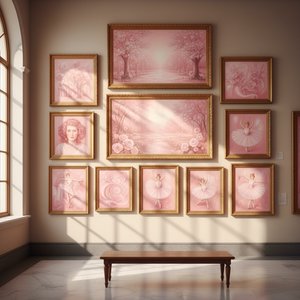
As 10 Pinturas Mais Famosas em Tons de Rosa Claro: Uma Ode à Luz e Cor
Descubra as 10 pinturas mais famosas em tons de rosa claro, de Monet a Renoir! Explore a história, técnica e beleza atemporal dessas obras-primas. Encontre reproduções de arte exclusivas e ideias para decoração com cores pastel na OriginalUniqueArt.com.

Unmasking Emotion: A Journey Through the Raw Power and Visceral Beauty of German Expressionism
Explore the raw emotional power of German Expressionism. From Kirchner to Die Brücke, discover how artists used distortion and vibrant color to unmask the human psyche. A deep dive into art history for the discerning collector and enthusiast.

Expressionismo Alemão: 10 Obras-Primas que Moldaram a Arte Moderna | OriginalUniqueArt
Descubra as 10 obras-primas do Expressionismo Alemão que revolucionaram a arte moderna. Explore a paixão de Munch, Kirchner e Kandinsky! Reproduções de museu em OriginalUniqueArt.com. Explore a coleção online.


