

 Visualizar em escala
 Enviar
 Compartilhar
 Ver detalhes
 Guia de Obras do Aluno

 Baixar imagem
 Semelhantes
 Raio X
 Apresentação de slides
 Estatísticas
Temptation
 Oil On Canvas
- WallArt
- German Expressionism
 1937
1937- Modern
 199.0 x 170.0 cm
 Ver mais
Reprodução em Óleo Feita à Mão
Óleo sobre tela pintado à mão no tamanho e moldura de sua escolha, feito sob encomenda pelos nossos artistas. ( Alternar para Impressão Ver Imagem Digital)




P118B €10

P118H €10

P118W €10

P438Z €10

P508JH €12

P508YH €12

P805H €10

P805Z €10

P919BZ €10

P919G €10

P919XJ €10

P959ZH €10

P968JZ €12

W106C €8

W218G €10

W218JH €8

W218Y €10

W307PJ €10

W316G €10

W316PJ €8

W316Y €10

W398PJ €8

W4111J €10

W500HY €15

W500JH €15

W692G €12

W849H €8

W940BG €15

W953PJ €8




Escolha entre os nossos tamanhos pré-definidos que respeitam as proporções originais da obra de arte.

Digite a largura e a altura de que necessita, para se ajustar à sua moldura ou à sua parede. Esta obra é pintada à mão, por isso, para um tamanho com uma proporção diferente, o artista pode pintar um pouco mais ao redor da imagem ou cortar um pouco — você escolhe. Enviamos-lhe uma maquete digital para aprovação antes de a pintura começar. A imagem exibida nesta página não mostra o resultado real — apenas a maquete mostra.
Após o pedido, a equipa OriginalUniqueArt.com enviará um e-mail ao cliente para solicitar instruções e fornecer uma prévia do esboço.
Entrega mundial () em 3 a 4 semanas, em vez das 5 semanas padrão. (16 Outubro). Sem comprometer a qualidade.

Envio expresso gratuito para todo o mundo

Tela de Linho Premium

Seguro de transporte total

Garantia de Reembolso de Impostos Alfandegários

Garantia de Fidelidade de Cor

Política de Devolução em 100 Dias (Apenas para Defeitos)

Garantia de reembolso de 100%

Desconto para múltiplas unidades
 A opção de vidro está disponível apenas para tamanhos inferiores a 110 cm

Temptation
Técnica de Reprodução
Dimensões da Reprodução
-


Preço Total
€ 261
The Artistic Context
Beckmann was a key figure in the Expressionist movement, which emphasized subjective emotional experience. His work often drew upon historical and mythological themes to convey contemporary moral and spiritual dilemmas. Temptation is part of his late triptychs series, where he employed a well-known but seldom-used format to bring his vision to fruition.The Painting's Composition
The painting is divided into three panels, each depicting different scenes that collectively narrate the theme of temptation. The left panel features figures resembling warriors or soldiers accompanied by a nude female figure, symbolizing temptations related to power and sexuality. The central panel focuses on a dominant seated nude female figure, drawing attention from surrounding characters, reinforcing the concept of lust. The right panel shows a figure behind bars and another with a cake on their head, indicating temptation in the form of gluttony or greed.Expressionist Elements
Beckmann's use of distorted forms and exaggerated features is characteristic of Expressionism. Bold colors and stark contrasts amplify the emotional impact of the artwork. Symbolism plays a significant role, with each element and figure open to multiple interpretations, likely referencing biblical or mythological sources.Artistic Significance
Temptation demonstrates Beckmann's engagement with religious and existential themes. The interplay of figures and dramatic use of space within the panels suggest a sense of theatricality and tension, underscoring the gravity of the subjects depicted. For those interested in exploring more of Max Beckmann's works, Paintings Reproductions Temptation, 1937 by Max Beckmann is available on OriginalUniqueArt. Additionally, the comprehensive catalogue raisonné of his paintings can be found at Max Beckmann: The Paintings - Kallir Research Institute. Beckmann's Temptation is a powerful example of Expressionist art, offering a profound exploration of human nature and the complexities of moral and spiritual dilemmas.Perguntas e Respostas
O que "Temptation" de Max Beckmann retrata e qual é o seu clima?
"Temptation" apresenta expressionism, triptych, human nature, symbolism, moral dilemma, mythology, gluttony, lust, e o seu estado de espírito registrado é Dramatic.
Como "Temptation" se situa historicamente?
A classificação histórico-artística de "Temptation" de Max Beckmann é German Expressionism, no período Modern.
Quão intensas são as cores em "Temptation" de Max Beckmann?
A intensidade de cor de "Temptation" é Balanced. A intensidade descreve o quão vibrantes as cores parecem ser.
Biografia do Artista
early life and artistic development
Max Beckmann, a renowned german painter, draftsman, printmaker, sculptor, and writer, was born on february 12, 1884, in leipzig, saxony. his artistic journey began with academically correct depictions, which later transformed into distorted figures and spaces, reflecting his altered vision of humanity after serving as a medical orderly in world war i. The formative years instilled within him a profound sensitivity to human suffering and a rejection of idealized beauty—influences that would permeate his entire oeuvre. Beckmann’s initial artistic training focused on mastering traditional techniques, mirroring the stylistic conventions prevalent at the time. However, this grounding wouldn't prevent him from embarking on an audacious exploration of expressive abstraction.artistic style and influences
Beckmann's distinctive style—characterized by jagged lines, fragmented planes, and muted color palettes—was profoundly shaped by a constellation of artistic precedents. Cézanne’s geometric simplification served as a catalyst for his own compositional innovations, while Van Gogh’s emotive brushwork instilled in him an unwavering commitment to conveying psychological depth. Blake's visionary imagery captivated Beckmann's imagination, prompting him to delve into themes of myth and symbolism. Rembrandt’s masterful use of chiaroscuro—the dramatic interplay of light and shadow—became a cornerstone of his artistic vocabulary. Furthermore, Beckmann drew inspiration from northern european artists of the late middle ages and early renaissance, such as Bosch, Bruegel, and Matthias Grünewald, whose unsettling depictions of human folly and religious fervor resonated deeply with his artistic sensibilities. These influences coalesced into a singular aesthetic vision—one that prioritized emotional resonance over mere visual representation.notable works and exhibitions
Beckmann’s artistic output spanned decades, producing an astonishing array of paintings, prints, sculptures, and literary endeavors. Among his most celebrated creations are *The Bark*, acquired by the national gallery in berlin, a monumental canvas depicting a desolate landscape imbued with symbolic significance; *Self-Portrait in Tuxedo*, purchased in 1928, a haunting self-representation that captures Beckmann’s introspective gaze and psychological complexity; and retrospectives held at the Städelschule Mannheim (1928) and Basel & Zurich (1930), which cemented his reputation as one of Germany's foremost Expressionist artists. These exhibitions showcased the breadth and depth of his artistic exploration, demonstrating his mastery of various mediums and techniques.later life and exile
Beckmann’s fortunes took a decisive turn with the ascendancy of Adolf Hitler in germany, resulting in his dismissal from the art school in frankfurt and the confiscation of over 500 of his works—a devastating blow to his artistic career and personal liberty. Forced into self-imposed exile in amsterdam for ten years, Beckmann wrestled tirelessly against bureaucratic obstacles and legal challenges, desperately seeking a visa for the united states—a quest that ultimately proved fruitless. Despite these hardships, Beckmann continued to produce art during his exile, creating evocative landscapes and portraits that reflected the anxieties of his time.legacy
Max Beckmann’s enduring legacy resides in his uncompromising artistic vision—one that confronted existential questions with unflinching honesty and psychological acuity. He was recognized as a teacher at Washington University in St. Louis and the Brooklyn Museum, fostering the development of young artists who would carry forward his expressive idiom. His first retrospective in the united states occurred in 1948 at the city art museum, saint louis—a triumphant return to artistic recognition after years of obscurity. Beckmann’s oeuvre continues to inspire scholars and critics alike, cementing his place as a pivotal figure in german art history and a champion of expressive abstraction. His work remains accessible through OriginalUniqueArt.
Max Beckmann
1884 - 1950 , Alemanha
Informações Rápidas
- Artistic Movement Or Style: Expressionism
- Artists Or Movements Influenced By This Artist: ['Rembrandt']
- Artists Who Influenced This Artist:
- Georges Seurat
- Vincent van Gogh
- Date Of Birth: February 12, 1884
- Date Of Death: December 27, 1950
- Full Name: Max Carl Friedrich Beckmann
- Nationality: German
- Notable Artworks:
- The Bark
- Self-Portrait in Tuxedo
- Place Of Birth: Leipzig, Germany
Artigos Relacionados

Max Beckmann: Navigating Trauma & Modernity Through a Distorted Lens
Explore the powerful world of Max Beckmann's art – a journey through trauma, modernity & distortion. Discover his key works, influences, and lasting legacy with expert analysis.

Max Ernst: As 25 Obras-Primas do Surrealismo para Decorar com Arte e História
Descubra as 25 obras-primas de Max Ernst, o mestre do surrealismo! Explore a história por trás da arte inovadora, frottage e paisagens oníricas. Encontre reproduções de alta qualidade para decorar com estilo em OriginalUniqueArt.com.
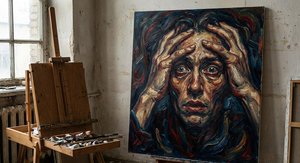
Figurative Expressionism: Emotional Intensity & Subjective Reality in 20th-Century Art
Explore the powerful world of Figurative Expressionism with OriginalUniqueArt. Discover key artists like Kirchner & Beckmann, understand its emotional depth, and learn how to collect this influential 20th-century art movement.

Expressionismo Alemão: 10 Obras-Primas que Moldaram a Arte Moderna | OriginalUniqueArt
Descubra as 10 obras-primas do Expressionismo Alemão que revolucionaram a arte moderna. Explore a paixão de Munch, Kirchner e Kandinsky! Reproduções de museu em OriginalUniqueArt.com. Explore a coleção online.
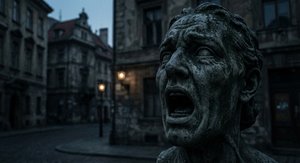
The Visceral Cry of a Nation: Exploring Emotion & Distortion in German Expressionism
Explore the powerful world of German Expressionism with OriginalUniqueArt. Discover Kirchner, Nolde & Die Brücke's emotive masterpieces. Learn about this pivotal art movement and its lasting impact on modern art.


