

 Visualizar na parede
 Compartilhar
 Compartilhar
 Detalhes
 Guia
Guia

 Baixar imagem
 Semelhantes
 Raio X
 Ver diaporama
 Estatísticas
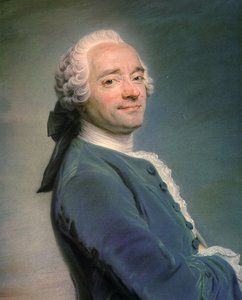
Maréchal de Saxe
 Pastel
- WallArt
- Rococo Portraiture
 Early Modern
 61.0 x 51.0 cm
 Museu do Louvre
 Ler mais
Giclée / Impressão de Arte
Impressão giclée ou em tela de qualidade de museu, com produção rápida e opções flexíveis de acabamento. ( Comprar pintura feita à mão Alternar para Imagem Digital)




P118B €10

P118H €10

P118W €10

P438Z €10

P508JH €12

P508YH €12

P805H €10

P805Z €10

P919BZ €10

P919G €10

P919XJ €10

P959ZH €10

P968JZ €12

W106C €8

W218G €10

W218JH €8

W218Y €10

W307PJ €10

W316G €10

W316PJ €8

W316Y €10

W398PJ €8

W4111J €10

W500HY €15

W500JH €15

W692G €12

W849H €8

W940BG €15

W953PJ €8




Escolha entre os nossos tamanhos pré-definidos que respeitam as proporções originais da obra de arte.

Insira a largura e a altura desejadas para se ajustarem à sua moldura ou parede. Uma impressão pode ser apenas cortada, nunca ampliada além da imagem original; portanto, um tamanho com proporções diferentes resultará na perda de parte da imagem. Enviamos uma maquete digital para sua aprovação antes de realizarmos a impressão. A imagem exibida nesta página não mostra o corte real — apenas a maquete o faz.
Entrega mundial () em 2 semanas, em vez das 4/5 semanas padrão. (27 Outubro)

Envio expresso gratuito para todo o mundo

Tela de Linho de Alta Qualidade

Seguro de transporte completo

Garantia de Reembolso de Impostos Alfandegários

Garantia de Fidelidade Cromática

Política de Devolução em 100 Dias (Apenas para Defeitos)

Garantia de reembolso de 100%

Oferta de desconto por quantidade
 A opção de vidro está disponível apenas para tamanhos inferiores a 110 cm

Maréchal de Saxe
Giclée / Impressão de Arte
Tamanho da Reprodução
-


Preço Total
€ 70
A Vision of Rococo Grandeur
In the delicate dance of light and pigment, few works capture the aristocratic splendor of the eighteenth century as intimately as Maurice Quentin de La Tour’s 1731 pastel portrait, Maréchal de Saxe. To gaze upon this masterpiece is to step directly into the opulent intellectual landscape of Enlightenment France, where every brushstroke—or in this case, every soft application of pastel—serves to elevate the subject beyond mere mortal likeness. The portrait does not simply present a military commander; it orchestrates a symphony of power, prestige, and refined grace. Through the masterful use of the pastel medium, De La Tour achieves an ethereal luminosity that oil paints often struggle to replicate, allowing the skin tones to glow with a lifelike warmth and the fabrics to shimmer with a soft, tactile elegance.
The subject himself, the celebrated Maréchal de Saxe, is rendered with a profound sense of dignity. Clad in the authoritative attire of his station, he wears a striking blue sash draped across his shoulder, a symbol of high rank that cuts through the composition with a regal vibrancy. His black coat, punctuated by meticulously detailed gold buttons, speaks to the wealth and status inherent in his role as an influential advisor to Louis XV. De La Tour’s technical prowess is most evident in the subtle gradations of color; he blends hues of cerulean, cream, and gold so seamlessly that the textures of silk, lace, and skin appear almost tangible. This soft-focus brilliance is a hallmark of the Rococo style, creating an atmosphere that feels both intensely real and dreamily idealized.
The Intersection of Might and Intellect
Beyond the surface beauty of the portrait lies a deeper narrative regarding the cultural zeitgeist of the era. During this period, the ideals of the Enlightenment—reason, virtue, and intellect—were beginning to reshape the French court. De La Tour, a master of characterization, does not merely depict a soldier of war; he presents an embodiment of these very ideals. The Maréchal’s expression, marked by a quiet confidence and a gaze of seasoned wisdom, suggests a man whose strategic brilliance is matched by his philosophical depth. This portrayal aligns beautifully with the spirit of contemporaries like Voltaire, whose influence permeated the artistic circles of the time.
The minimalist background serves a vital compositional purpose, stripping away the distractions of a cluttered landscape to focus the viewer's entire emotional investment on the man himself. By placing the Maréchal against a plain, light-colored void, De La Tour ensures that the interplay of shadow and light on the subject's face becomes the focal point. This choice emphasizes the psychological depth of the sitter, inviting collectors and art enthusiasts to contemplate the weight of responsibility carried by such an influential figure.
An Enduring Legacy for the Discerning Collector
For the interior designer or the passionate art collector, a high-quality reproduction of Maréchal de Saxe offers more than just a decorative element; it provides a window into a vanished era of elegance. The piece possesses a unique ability to anchor a room, bringing a sense of historical gravity and sophisticated charm to any space. Whether placed in a sunlit library or a formal dining hall, the soft textures and regal color palette of the pastel medium evoke a feeling of timeless luxury.
Owning a reproduction of this caliber allows one to celebrate the technical mastery of Maurice Quentin de La Tour, an artist who redefined the possibilities of pastel. The artwork serves as a conversation piece that bridges the gap between the historical grandeur of the French monarchy and the modern aesthetic appreciation for fine detail and emotive portraiture. It is an investment in atmosphere, a tribute to the enduring power of the Rococo spirit, and a profound addition to any curated collection of fine art.
Perguntas e Respostas
Onde posso comprar reproduções pintadas à mão de "Maréchal de Saxe", de Maurice Quentin de La Tour?
Reproduções pintadas à mão de "Maréchal de Saxe", de Maurice Quentin de La Tour podem ser adquiridas no este site: uma reprodução a óleo pintada à mão sobre tela de linho, através da sua página de encomendas Reprodução Pintada à Mão.
Onde "Maréchal de Saxe", de Maurice Quentin de La Tour está em exibição hoje?
A obra original "Maréchal de Saxe" pode ser vista no Museu do Louvre, Paris, França.
Posso ver uma imagem de raio-X de "Maréchal de Saxe", de Maurice Quentin de La Tour?
A visualização em Raio-X de "Maréchal de Saxe", de Maurice Quentin de La Tour está disponível na página Raio X da obra: um exame interativo da imagem através de onze camadas ópticas.
Biografia do Artista
Maurice Quentin de La Tour: Uma Vida em Pastel
- Nascimento: 5 de setembro de 1704, Saint-Quentin, França
- Falecimento: 17 de fevereiro de 1788, Saint-Quentin, Picardia, Reino da França
- Conhecido por: Retratística rococó em pastel, capturando a semelhança de figuras como Voltaire, Luís XV e Madame de Pompadour.
Primeira Infância e Desenvolvimento Artístico
- Maurice Quentin de La Tour nasceu em uma família de músicos; seu pai, François de La Tour, era músico para o Duque de Maine. Apesar das expectativas familiares iniciais, Maurice seguiu a carreira da pintura.
- Por volta de 1724, ele mudou-se para Paris, onde iniciou sua trajetória artística. Sua formação inicial incluiu estudos com Jacques Spoede e um breve período em Reims. Uma viagem à Inglaterra, em 1725, influenciou ainda mais seu estilo.
- Seus primeiros retratos, como o de Voltaire (1731), demonstraram um talento emergente para capturar o caráter e a semelhança física. Este retrato foi notavelmente gravado por Langlois, o que lhe trouxe um reconhecimento mais amplo.
Estilo Artístico e Obras Notáveis
- Maestria do Pastel: De La Tour é celebrado por sua habilidade excepcional no uso dos pastéis. Ele empregou o meio para criar retratos com uma suavidade e delicadeza notáveis, capturando nuances sutis de expressão e textura.
- Influência Rococó: Sua obra exemplifica o estilo Rococó, caracterizado pela elegância, graça e um foco no retrato da sociedade aristocrática e refinada da época.
- Obras Notáveis:
- Retrato de Voltaire (1731) - Estabeleceu sua reputação logo no início de sua carreira.
- Autorretrato, Rindo (c. 1737) – Demonstra sua capacidade de retratar personalidade e vivacidade.
- Retrato de Madame de Pompadour – Uma encomenda significativa que demonstra sua habilidade em capturar a semelhança de uma figura proeminente.
- Retratos de Luís XV - Diversos retratos do Rei da França, consolidando sua posição dentro da corte.
- Exposições no Salão: Ele expôs regularmente no Salão de Paris, apresentando uma série de 150 retratos ao longo de três décadas, o que se tornou um ponto alto para os visitantes.
Reconhecimento e Vida Tardia
- Reconhecimento Real: Em 1737, foi reconhecido pela Real Academia de Pintura e Escultura. Mais tarde, tornou-se o retratista do rei em 1750.
- Filantropia: À medida que sua riqueza crescia, de La Tour dedicou-se a empreendimentos filantrópicos, fundando uma escola de desenho em Saint-Quentin e apoiando artistas empobrecidos.
- Desafios de Saúde Mental: Por volta de 1773, ele sofreu um colapso nervoso, o que levou a períodos de doença mental e ao eventual retiro para sua cidade natal, Saint-Quentin.
Legado e Significância Histórica
- Os retratos de De La Tour são altamente valorizados por sua percepção psicológica e brilhantismo técnico. Ele elevou a retratística em pastel a novos patamares, influenciando gerações subsequentes de artistas.
- Sua capacidade de capturar a essência de seus modelos — suas personalidades, inteligência e posição social — fez dele um dos retratistas mais requisitados de seu tempo.
- Hoje, suas obras estão presentes em museus prestigiados ao redor do mundo, incluindo o Musée du Louvre, proporcionando visões valiosas sobre a sociedade francesa e as práticas artísticas do século XVIII.
Maurice Quentin de La Tour
1704 - 1788 , França
Dados Rápidos
- Artistic Movement Or Style: Rococó
- Artists Or Movements Influenced By This Artist: ['Jean Antoine Watteau']
- Artists Who Influenced This Artist: ['Jacques Spoede']
- Date Of Birth: 5 setembro 1704
- Date Of Death: 17 fevereiro 1788
- Full Name: Maurice Quentin de La Tour
- Nationality: Francês
- Notable Artworks:
- Retrato de Voltaire
- Autorretrato Rindo
- Retrato da Marquesa Pompadour
- Place Of Birth: Saint-Quentin, França
Artigos Relacionados
The Elegance of Rococo Portraiture: A Journey Through Grace, Soft Light, and Pastel Dreams
Discover the exquisite world of Rococo portraiture. Explore the delicate beauty of 18th-century French art, from pastel light to graceful asymmetry, and learn how to bring this era of elegance into your home through masterfully hand-painted oil reproductions.

Maurice Quentin de La Tour: Light, Shadow & the Rococo Portrait
Explore the captivating world of Maurice Quentin de La Tour, a master of Rococo portraiture. Discover his innovative pastel techniques, intimate depictions of French aristocracy, and lasting artistic legacy. Learn more at OriginalUniqueArt.

Goya: As 25 Obras-Primas que Definem um Mestre da Arte Espanhola | OriginalUniqueArt
Descubra as 25 obras-primas de Francisco Goya, o mestre espanhol do Romantismo. Explore retratos icônicos, gravuras impactantes e a história por trás de 'Saturno Devorando seu Filho' e 'A Majas'. Encontre reproduções de arte exclusivas para decorar sua casa com OriginalUniqueArt.com.
Georges de La Tour: Luminosity, Spirituality & Realism in Baroque Painting
Discover the captivating world of Georges de La Tour, a Baroque master renowned for his dramatic chiaroscuro & spiritual realism. Explore key works, influences, and his remarkable rediscovery. Learn more at OriginalUniqueArt.
Águeda Ruiz de la Prada: A Study of Eclecticism & Emotional Resonance in Contemporary Spanish Painting
Discover the vibrant world of Ágatha Ruiz de la Prada, a leading figure in contemporary Spanish art. Explore her eclectic style, emotional depth & legacy – a must-read for discerning collectors.