

 Visualizar em escala
 Enviar
 Compartilhar
 Ver detalhes
 Guia de Obras do Aluno

 Baixar imagem
 Semelhantes
 Raio X
 Apresentação de slides
 Estatísticas
The Concert
 Oil On Canvas
- WallArt
- Baroque
 1630
1630 107.0 x 145.0 cm
 Museo Nacional Thyssen-Bornemisza
 Ver mais
Giclée / Impressão de Arte
Impressão giclée ou em tela de qualidade de museu, com produção rápida e opções flexíveis de acabamento. ( Encomendar reprodução pintada à mão Ver Imagem Digital)




P118B €10

P118H €10

P118W €10

P438Z €10

P508JH €12

P508YH €12

P805H €10

P805Z €10

P919BZ €10

P919G €10

P919XJ €10

P959ZH €10

P968JZ €12

W106C €8

W218G €10

W218JH €8

W218Y €10

W307PJ €10

W316G €10

W316PJ €8

W316Y €10

W398PJ €8

W4111J €10

W500HY €15

W500JH €15

W692G €12

W849H €8

W940BG €15

W953PJ €8




Escolha entre os nossos tamanhos pré-definidos que respeitam as proporções originais da obra de arte.

Digite a largura e a altura de que necessita, para se ajustar à sua moldura ou à sua parede. Uma impressão só pode ser cortada, nunca ampliada além da imagem original, pelo que um tamanho com uma proporção diferente perderá parte da imagem. Enviamos-lhe uma maquete digital para aprovação antes de imprimirmos qualquer coisa. A imagem apresentada nesta página não mostra o corte real — apenas a maquete o faz.
Entrega mundial () em 2 semanas, em vez das 4/5 semanas padrão. (24 Outubro)

Envio expresso gratuito para todo o mundo

Tela de Linho Premium

Seguro de transporte total

Garantia de Reembolso de Impostos Alfandegários

Garantia de Fidelidade de Cor

Política de Devolução em 100 Dias (Apenas para Defeitos)

Garantia de reembolso de 100%

Desconto para múltiplas unidades
 A opção de vidro está disponível apenas para tamanhos inferiores a 110 cm

The Concert
Giclée / Impressão de Arte
Dimensões da Reprodução
-


Preço Total
€ 70
Mattia Preti’s “The Concert”: A Baroque Drama of Youth and Sound
Mattia Preti’s “The Concert,” painted in 1630, isn't merely a depiction of musicians; it’s a meticulously crafted tableau brimming with the drama, intensity, and opulent color characteristic of the High Renaissance and early Baroque periods. This oil painting, now residing within the Hermitage Museum in Saint Petersburg, offers a captivating glimpse into the aristocratic life of 17th-century Malta, where Preti spent much of his prolific career. The scene unfolds within a richly appointed interior – dark walls, heavy drapery, and an abundance of decorative elements—creating a space that feels both intimate and grand, mirroring the importance placed on music and social gatherings during this era.
At the heart of the composition stands a young man, likely a student or aspiring musician, passionately playing the violin. His posture is animated, his face alight with concentration, and his gestures convey an intense engagement with his instrument. Around him gather other figures: a woman seated at a table, seemingly providing refreshments; a young boy attentively listening; and a gentleman observing from a corner. Each figure possesses a distinct personality and contributes to the overall dynamism of the scene. Preti masterfully uses gesture and expression to communicate not just what is happening but also *how* it’s being felt – the joy of music, the anticipation of performance, and perhaps even a touch of youthful exuberance.
The Tenebrist Technique: Light and Shadow as Dramatic Tools
Preti's signature style—often described as “tenebrism”—is powerfully evident in "The Concert." This technique, heavily influenced by Caravaggio, relies on stark contrasts between intensely illuminated areas and deep shadows. The figures are bathed in a dramatic light source, likely originating from an unseen window or lantern, which highlights their faces, clothing, and instruments with remarkable clarity. This strong contrast not only creates a sense of theatricality but also draws the viewer’s eye directly to the focal point – the violinist – while simultaneously enveloping the entire scene in a mood of mystery and intrigue.
The artist's skillful manipulation of light and shadow isn’t simply an aesthetic choice; it serves to heighten the emotional impact of the painting. The deep shadows suggest hidden depths, secrets, and perhaps even a hint of melancholy, while the bright highlights emphasize the vitality and energy of the musicians. Notice how Preti uses chiaroscuro to sculpt the forms of the figures, giving them a palpable sense of volume and presence. The meticulous rendering of textures—the velvet upholstery, the polished wood of the table, the shimmering strings of the violin—further enhances the realism and immersive quality of the scene.
Symbolism and Social Context
"The Concert" is more than just a portrait; it’s a carefully constructed symbol reflecting the values and social dynamics of 17th-century Malta. Music held a prominent place in aristocratic society, serving as a means of entertainment, diplomacy, and demonstrating wealth and status. The gathering depicted here represents a refined social occasion—a celebration of youth, talent, and artistic appreciation. The presence of the young musicians suggests an investment in the future, while the attentive gentleman hints at the patronage that supported their endeavors.
Furthermore, the painting’s setting – a richly decorated interior – speaks to the importance of material possessions and luxury within this social class. The abundance of furniture, fabrics, and decorative elements underscores the wealth and power of those who hosted such gatherings. The overall composition can be interpreted as an allegory for harmony—the harmonious blend of music, youth, and social interaction—a concept highly valued during the Baroque period.
A Masterpiece in Reproduction: Bringing Preti’s Vision to Life
OriginalUniqueArt offers meticulously crafted hand-painted reproductions of “The Concert,” allowing art lovers to experience the full beauty and drama of this iconic masterpiece. Our skilled artisans replicate Preti's signature tenebrist technique, capturing the nuances of light, shadow, and color with exceptional precision. Each reproduction is created using archival-quality materials, ensuring its longevity and preserving the vibrant details of the original painting for generations to come. Whether you’re seeking a stunning addition to your home or office décor or a unique gift for an art enthusiast, a OriginalUniqueArt reproduction of “The Concert” provides a faithful and captivating representation of this Baroque gem.
Perguntas e Respostas
O que explica a situação dos direitos autorais de "The Concert" de Mattia Preti?
"The Concert" de Mattia Preti está em em domínio público - seus direitos autorais expiraram. Os termos de direitos autorais são calculados a partir do falecimento do artista, e Mattia Preti faleceu em 1699.
Qual tamanho de reprodução é sugerido para "The Concert" de Mattia Preti?
Recomenda-se o tamanho de impressão Medium para "The Concert". Outros tamanhos estão disponíveis com as mesmas proporções.
Como posso descobrir obras de arte semelhantes a "The Concert" de Mattia Preti?
Obras semelhantes a "The Concert" estão listadas na página de Semelhantes da obra.
Biografia do Artista
Mattia Preti: A Baroque Master from Calabria
Mattia Preti, conhecido como *Il Cavalier Calabrese* – o Cavaleiro da Calábria – é uma figura central na pintura barroca italiana do século XVII. Nascido em Taverna, na Calábria, em 24 de fevereiro de 1613, sua jornada artística foi marcada por uma evolução dinâmica, absorvendo diversas influências e culminando em um estilo expressivo único que deixou uma marca indelével no mundo da arte, especialmente em Malta, onde passou grande parte de sua vida. Os primeiros anos de Preti foram moldados pela influência de Giovanni Battista Caracciolo, um pintor profundamente enraizado no movimento caravagista. Essa exposição inicial proporcionou-lhe um profundo entendimento do chiaroscuro dramático – a intensa interação entre luz e sombra – e um compromisso com a representação realista que se tornaria uma marca registrada de seu trabalho ao longo da carreira. Antes de 1630, juntou-se ao seu irmão Gregorio em Roma, imergindo no fermento artístico da cidade e estudando os mestres que definiram a época: Caravaggio, Guercino, Rubens, Guido Reni e Giovanni Lanfranco. Este período foi crucial, moldando não apenas suas habilidades técnicas, mas também sua sensibilidade estética.A Forja de um Estilo Dinâmico
O desenvolvimento artístico de Preti não foi meramente imitação; foi uma síntese de influências, habilmente tecida em um estilo distintivo. Embora inicialmente imerso no caravagismo, ele gradualmente se moveu além de suas rígidas fronteiras, abraçando a dinâmica e a intensidade emocional que caracterizaram o Barroco do Alto. Seu tempo em Nápoles refinou ainda mais essa evolução, expondo-o ao vibrante trabalho de Luca Giordano. Este período viu as telas de Preti se expandirem com movimento energético, composições complexas e um senso aguçado de drama. Ele empregou magistralmente contrastes dramáticos entre luz e sombra, herdados de Caravaggio, não apenas como um dispositivo técnico, mas como um meio de intensificar o impacto emocional e guiar o olhar do espectador. Suas figuras estão imbuídas de emoção palpável, expressas por rostos expressivos e linguagem corporal dinâmica. Essa capacidade de evocar sentimentos poderosos – piedade, angústia, êxtase – tornou-se uma característica definidora de seu oeuvre. Ele não se contentava em simplesmente representar cenas; ele buscava *animá-las*, dando vida a narrativas bíblicas e iconografias religiosas.Comissões e Masterpieces na Itália
A habilidade de Preti logo atraiu reconhecimento, levando a uma série de comissões significativas por toda a Itália. No início de sua carreira, criou impressionantes ciclos de afrescos para igrejas romanas como Sant’Andrea della Valle e San Carlo ai Catinari, demonstrando sua aptidão para pintura em grande escala decorativa. Seu trabalho na igreja de San Biagio em Modena demonstrou sua capacidade de adaptar seu estilo a diferentes configurações arquitetônicas. No entanto, algumas de suas obras mais ambiciosas – embora tristemente perdidas – foram os afrescos que pintou nas sete portas da cidade de Nápoles representando a Virgem ou santos entregando pessoas do flagelo. Embora apenas esboços permaneçam hoje, eles testemunham a escala e o impacto dessas criações monumentais. Essas comissões não eram simplesmente cumprir um pedido de um patrono; elas eram oportunidades para Preti se envolver com a vida religiosa e cultural das comunidades que servia, imbuindo sua arte de significado e propósito.O Zenith em Malta: A Catedral de São João
No entanto, foi em Malta que Preti atingiu o auge de sua realização artística. Nomeado Cavaleiro da Ordem de São João em 1660, embarcou em um projeto transformador: a decoração completa do interior da Catedral de São João em Valletta. Esta empreitada – possivelmente sua maior conquista – envolveu uma série impressionante de pinturas representando a vida e o martírio de São João Batista. A escala colossal do projeto é de tirar o fôlego; Preti essencialmente criou uma narrativa visual que envolvia o espectador, imergindo-o na história do santo. O ambiente barroco opulento forneceu a tela perfeita para seu estilo dramático, e a obra resultante consolidou sua reputação como um dos principais pintores da Europa. Seu trabalho na Catedral de São João não era meramente decorativo; era um ato de devoção, uma prova de sua fé e uma expressão poderosa da identidade religiosa da Ordem.Um Legado Duradouro
Preti continuou a receber comissões de toda a Europa após seu sucesso em Malta, consolidando sua posição como figura central na arte barroca italiana. Ele morreu em 1699, deixando para trás um rico legado artístico que continua a inspirar e cativar públicos hoje. Seu uso magistral da luz e sombra, composições dinâmicas e capacidade de transmitir emoções intensas permanecem características marcantes de seu estilo. Sua contribuição é preservada em museus como o Museu Capodimonte em Nápoles, e através de reproduções disponibilizadas por plataformas como OriginalUniqueArt.com, garantindo que sua arte alcance novas gerações. O impacto duradouro do trabalho de Preti é talvez mais vividamente sentido nas paredes da Catedral de São João, um testemunho impressionante de seu gênio artístico e dedicação inabalável ao estilo barroco. *Il Cavalier Calabrese* realmente merece seu título, não apenas como cavaleiro, mas como um mestre pintor que iluminou o mundo com sua visão.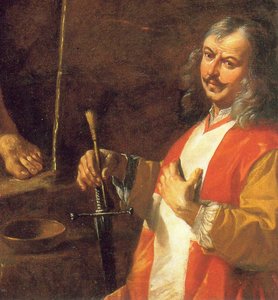
Mattia Preti
1613 - 1699 , Itália
Informações Rápidas
- Artistic Movement Or Style: Barroco
- Artists Or Movements Influenced By This Artist: ['Calabrese']
- Artists Who Influenced This Artist:
- Caravaggio
- Guercino
- Date Of Birth: 24 Feb 1613
- Date Of Death: 3 Jan 1699
- Full Name: Mattia Preti
- Nationality: Italiano
- Notable Artworks:
- Absalom's Feast
- Tribute Money
- Place Of Birth: Taverna, Itália
Artigos Relacionados

Barroco Brasileiro: Opulência e Emoção para Interiores Contemporâneos
Descubra como o Barroco brasileiro pode transformar seus interiores! Explore a história, elementos-chave e dicas para integrar este estilo luxuoso e cheio de emoção em sua casa.

Baroque Classicism: The Grandeur of Order and Drama in 17th-Century Art History
Explore the profound elegance of Baroque Classicism. Discover how 17th-century masters synthesized dramatic emotion with classical order through the lens of the Counter-Reformation and the works of legends like Carlo Maratta and Andrea Sacchi.
Baroque Classicism: Reconciling Drama & Order in 17th-Century Art
Explore the captivating world of Baroque Classicism! Discover its history, key artists like Caravaggio & Rubens, and defining characteristics. Expert insights & high-quality reproductions at OriginalUniqueArt.

A Estética do Drama: A Grandiosidade e a Técnica da Arte Barroca no Século XVII
Descubra o drama e a técnica dos mestres do Barroco, de Caravaggio a Rubens. Explore a grandiosidade desta era agora.

Drama and Light: A Definitive Guide to the Italian Baroque Masterpieces and the Revolution of Chiaroscuro
Explore the dramatic world of Italian Baroque art. Discover how masters like Caravaggio used chiaroscuro and tenebrism to revolutionize painting through light, shadow, and profound realism. A definitive guide for history lovers and art collectors.


