Tamanho do texto

() ·

Uma pintura feita para você, à mão

The Resurrection

Reprodução em Óleo Feita à Mão

Óleo sobre tela pintado à mão no tamanho e moldura de sua escolha, feito sob encomenda pelos nossos artistas. ( Alternar para Impressão Alternar para Imagem Digital)

Descrição do Item

Discover "The Resurrection" by Matthias Grünewald! This powerful 1515 oil painting showcases dramatic chiaroscuro & symbolic figures. Explore late Gothic/Renaissance style & a captivating masterpiece.

Biografia do Artista

Matthias Grünewald: um mestre da arte renascentista alemã! Conhecido pelo dramático Isenheim Altarpiece e pinturas com intensa expressividade religiosa. Explore seu estilo único em OriginalUniqueArt.

de ·

Capítulo 1

Qual deve ser o tamanho?

Deslize para alterar o tamanho; a imagem à esquerda mostra a moldura em sua largura real. As proporções originais são mantidas.

Tamanho padrão
personalizado
CM
INCH

Escolha entre os nossos tamanhos pré-definidos que respeitam as proporções originais da obra de arte.

largura
altura

Insira a largura e a altura desejadas para se ajustarem à sua moldura ou parede. Como esta obra é pintada à mão, para um tamanho com proporções diferentes, o artista poderá pintar um pouco mais ao redor da imagem ou reduzir ligeiramente a composição — você escolhe. Enviamos uma maquete digital para sua aprovação antes de iniciar a pintura. A imagem exibida nesta página não representa o resultado real — apenas a maquete mostra o resultado final.

Capítulo 2

Como deve chegar?

Escolha as bordas da tela esticada

Escolha sua moldura

Corner sample of the WhiteWrap canvas edge finish, stretched on madeira maciça bars
Branco €1
Corner sample of the BlurSideWrap canvas edge finish, stretched on madeira maciça bars
Bordas esfumaçadas €1
Corner sample of the ExtendedWrap canvas edge finish, stretched on madeira maciça bars
Bordas estendidas €1
Corner sample of the P118B picture frame: poliestireno moldado, 5 cm wide and 3 cm thick
P118B €10
Corner sample of the P118H picture frame: poliestireno moldado, 5 cm wide and 3 cm thick
P118H €10
Corner sample of the P118W picture frame: poliestireno moldado, 5 cm wide and 3 cm thick
P118W €10
Corner sample of the P438Z picture frame: poliestireno moldado, 5.5 cm wide and 3.5 cm thick
P438Z €10
Corner sample of the P508JH picture frame: poliestireno moldado, 7 cm wide and 3.5 cm thick
P508JH €12
Corner sample of the P508YH picture frame: poliestireno moldado, 7 cm wide and 3.5 cm thick
P508YH €12
Corner sample of the P805H picture frame: poliestireno moldado, 5 cm wide and 3.5 cm thick
P805H €10
Corner sample of the P805Z picture frame: poliestireno moldado, 5 cm wide and 3.5 cm thick
P805Z €10
Corner sample of the P919BZ picture frame: poliestireno moldado, 7 cm wide and 3.5 cm thick
P919BZ €10
Corner sample of the P919G picture frame: poliestireno moldado, 7 cm wide and 3.5 cm thick
P919G €10
Corner sample of the P919XJ picture frame: poliestireno moldado, 7 cm wide and 3.5 cm thick
P919XJ €10
Corner sample of the P959ZH picture frame: poliestireno moldado, 5 cm wide and 3 cm thick
P959ZH €10
Corner sample of the P968JZ picture frame: poliestireno moldado, 6 cm wide and 4 cm thick
P968JZ €12
Corner sample of the W106C picture frame: madeira maciça, 5 cm wide and 3 cm thick
W106C €8
Corner sample of the W218G picture frame: madeira maciça, 5 cm wide and 3 cm thick
W218G €10
Corner sample of the W218JH picture frame: madeira maciça, 5 cm wide and 3 cm thick
W218JH €8
Corner sample of the W218Y picture frame: madeira maciça, 5 cm wide and 3 cm thick
W218Y €10
Corner sample of the W307PJ picture frame: madeira maciça, 6 cm wide and 3 cm thick
W307PJ €10
Corner sample of the W316G picture frame: madeira maciça, 6 cm wide and 3 cm thick
W316G €10
Corner sample of the W316PJ picture frame: madeira maciça, 6 cm wide and 3 cm thick
W316PJ €8
Corner sample of the W316Y picture frame: madeira maciça, 6 cm wide and 3 cm thick
W316Y €10
Corner sample of the W398PJ picture frame: madeira maciça, 5 cm wide and 3 cm thick
W398PJ €8
Corner sample of the W4111J picture frame: madeira maciça, 6.5 cm wide and 3.5 cm thick
W4111J €10
Corner sample of the W500HY picture frame: madeira maciça, 7 cm wide and 5 cm thick
W500HY €15
Corner sample of the W500JH picture frame: madeira maciça, 7 cm wide and 5 cm thick
W500JH €15
Corner sample of the W692G picture frame: madeira maciça, 8 cm wide and 4 cm thick
W692G €12
Corner sample of the W849H picture frame: madeira maciça, 5 cm wide and 3 cm thick
W849H €8
Corner sample of the W940BG picture frame: madeira maciça, 7.5 cm wide and 4.5 cm thick
W940BG €15
Corner sample of the W953PJ picture frame: madeira maciça, 6 cm wide and 3.5 cm thick
W953PJ €8
Corner sample of the H24-GOLD picture frame: madeira entalhada com gesso, 10 cm wide and 6 cm thick
H24-GOLD €30
Corner sample of the H24-SILVER picture frame: madeira entalhada com gesso, 10 cm wide and 6 cm thick
H24-SILVER €30
Corner sample of the H36-GOLD picture frame: madeira entalhada com gesso, 15 cm wide and 6.5 cm thick
H36-GOLD €45
Corner sample of the H36-SILVER picture frame: madeira entalhada com gesso, 15 cm wide and 6.5 cm thick
H36-SILVER €45
Prévia da moldura
Com moldura

Moldura: . Dimensões totais com a moldura: .

Capítulo 3

Quem o pinta, e deveria algo mudar?

Exemplos do que pode ser alterado: Substituir o rosto pela foto do cliente; Adicionar um animal de estimação (ex: substituir gato por cachorro); Incluir uma mensagem oculta no fundo; Alterar a paisagem ou elementos do fundo.
Após o pedido, a equipe da OriginalUniqueArt.com enviará um e-mail ao cliente para instruções e fornecerá uma prévia da montagem

Entrega mundial () em 3 a 4 semanas, em vez das 5 semanas padrão. (4 Novembro). Sem comprometer a qualidade.

Capítulo 4

Os retoques finais

Uma placa de identificação, como em um museu?

Detalhes da Placa de Bronze Gravada

This elegant plaque features the artist's name and the title of the artwork, finely engraved for a timeless presentation.

It is made from bronze with a refined, elegant finish. The text is precisely laser-engraved for a sharp and permanent result. Measuring 9x2 cm, the plaque is compact yet easy to read. It's built to be durable and scratch-resistant, offering a professional, museum-quality look. Mounting is simple thanks to the included adhesive backing.

Detalhes da Placa de Acrílico Transparente

The plaque includes essential engraved details such as the artist's name, the title of the artwork, the date it was created, the type of media used-like oil on canvas or watercolor-a brief description of the piece, and a QR code that links to the complete artwork information.

It is crafted from clear acrylic, offering a sleek, modern appearance. The text is UV-engraved in black to ensure strong visual contrast. With a size of 10x15 cm, it ensures optimal readability. It comes equipped with two metal hooks for secure wall mounting. The plaque is designed to be weather-resistant, making it suitable for various environments, and it includes interactive features that work seamlessly with smartphone scanning.

Detalhes da Placa de Acrílico Preto

This elegant plaque includes engraved information such as the artist's name, the title of the artwork, the date it was created, the type of media used (like oil on canvas or watercolor), a short description of the artwork, and a QR code for quick access to more information.

The plaque itself is made from refined black acrylic with a premium finish. The text is laser-engraved in white for high contrast and readability. Its size is 10x15 cm, designed to be easy to read. It comes with two metal hooks for professional mounting. The design is sleek and fits any interior style. It is also weather-resistant and durable, with built-in digital integration for mobile compatibility.

Um verniz protetor?

Para quando você precisa?

Capítulo 5

A sua pintura, conforme encomendada

The Resurrection

Técnica de Reprodução

Tamanho da Reprodução

-

Artista Sênior de Elite

Mais detalhes, refinamento e tempo de produção adicional

-

Moldura para Reprodução

-

-

Para obras de arte ou reproduções com mais de 105 cm (aproximadamente 41 polegadas) em qualquer um dos lados, a moldura será enviada como um kit desmontado. Este método garante uma entrega segura e evita danos durante o transporte.

Montagem profissional necessária — este não é um produto DIY (faça você mesmo).
O kit deve ser montado e a tela esticada por um profissional de molduraria experiente, utilizando cola de madeira (não inclusa), um alicate de esticar tela e grampos para manter as travessas alinhadas enquanto a cola seca. A montagem incorreta ou a tensão desigual da tela podem danificar permanentemente a obra de arte e não estão cobertas pela nossa garantia.

  • Todas as barras de madeira maciça estão incluídas, precisamente cortadas ao tamanho certo.

  • Montado com os parafusos fornecidos, além de cola para madeira para as junções dos cantos, que não está inclusa e deve ser providenciada pelo seu moldurista.

  • São necessárias ferramentas profissionais não incluídas: um alicate de estiramento de tela (esticador) e grampos para manter as ripas alinhadas enquanto a cola seca.

Importante:
As junções dos cantos requerem cola para madeira, as ripas devem ser mantidas com grampos até que a cola esteja completamente seca, e o estiramento da tela na moldura montada requer um alicate de esticar tela. Nenhum destes itens está incluído no kit. Por favor, certifique-se de contar com um profissional de molduraria experiente antes de encomendar este tamanho.

Etiqueta de identificação

-

-

Verniz de Proteção

Verniz brilhante (realça as cores e protege contra a luz e a umidade)

-

Personalizar minha obra

Exemplos de alterações possíveis: Substituir o rosto por uma foto do cliente; Adicionar um animal de estimação (ex.: substituir gato por cachorro); Incluir uma mensagem oculta no fundo; Alterar a paisagem ou os elementos do fundo.

-

Urgente

Entrega mundial () em 3 a 4 semanas, em vez das 5 semanas padrão. (4 Novembro). Sem comprometer a qualidade.

-

Envio Expresso

Entrega mundial para em 5 semanas. (11 Novembro).

Com envio incluído

Preço Total

€ 268

Preço Total € 268

A opção de vidro está disponível apenas para tamanhos inferiores a 110 cm

Incluído em todos os pedidos

  • Envio expresso gratuito para todo o mundo
  • Tela de Linho de Alta Qualidade
  • Seguro de transporte completo
  • Garantia de Reembolso de Impostos Alfandegários
  • Garantia de Fidelidade Cromática
  • Política de Devolução em 100 Dias (Apenas para Defeitos)
  • Garantia de reembolso de 100%
  • Oferta de desconto por quantidade

A Vision of Ascent: Matthias Grünewald’s “The Resurrection”

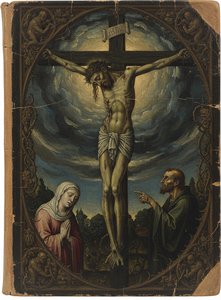
Matthias Grünewald's "The Resurrection," painted around 1515, isn’t merely a depiction of a biblical event; it’s a visceral experience. This monumental panel, now housed in the Unterlinden Museum in Colmar, France, transcends simple narrative to become a profound meditation on faith, sacrifice, and the triumph over darkness. It's a work that immediately commands attention, not through polished realism, but through an intensely emotional and dramatically charged atmosphere – a hallmark of Grünewald’s unique Northern Renaissance style.

The painting unfolds as a carefully orchestrated drama. At its heart stands Christ, not in serene repose, but powerfully ascending into the heavens. His body, ravaged by the wounds of the crucifixion, is rendered with an almost agonizing detail – the flayed skin, the exposed nails, the blue-tinged lips conveying both suffering and divine presence. This isn’t idealized beauty; it's a raw, unflinching portrayal of human agony transformed into spiritual victory. Below him lies a chaotic tableau of fallen Roman soldiers, their armor scattered, weapons abandoned, symbolizing the defeat of earthly power by the resurrected Christ.

The Language of Light and Shadow: Technique and Style

Grünewald’s mastery lies in his manipulation of light and shadow – a technique known as *chiaroscuro*. The scene is dominated by deep, almost impenetrable blacks that contrast sharply with the radiant glow emanating from Christ himself. This dramatic lighting isn't just aesthetic; it serves to elevate Christ to a divine level, casting him as the source of all illumination and hope. The artist employs impasto – thick layers of paint applied directly to the panel – creating a tactile surface that adds depth and physicality to the figures and architectural elements. The brushstrokes are visible, lending a sense of immediacy and energy to the composition.

Notice also the deliberate flattening of perspective. Grünewald prioritizes emotional impact over strict realism, drawing the viewer’s eye upwards towards Christ's ascent through strong diagonals and a tightly structured composition. This compositional choice reinforces the painting’s central theme: the movement from earthly suffering to heavenly glory.

Symbolism and Context: A Hospital Altarpiece

“The Resurrection” wasn’t created for a grand cathedral, but for the hospital of St. Anthony in Issenheim, a monastery dedicated to caring for plague victims. The monks there were particularly skilled at treating ergotism, a debilitating disease characterized by gangrene and convulsions. The imagery within the painting – Christ's wounds mirroring the symptoms of the afflicted – was intended to offer comfort and reassurance to those suffering from this horrific illness. It’s a poignant example of art serving as a source of spiritual healing.

Furthermore, the inclusion of figures like Saint Sebastian (pierced by arrows) and John the Baptist (pointing towards Christ) adds layers of symbolic meaning. Sebastian represents martyrdom and sacrifice, while John foreshadows the coming of the Messiah. The lamb, held by John, is a potent symbol of Christ as the sacrificial Lamb of God.

A Legacy of Dramatic Intensity

“The Resurrection” remains one of Grünewald’s most powerful and enduring works. Its raw emotion, dramatic composition, and profound symbolism continue to resonate with viewers centuries later. It's a testament to the artist’s ability to capture not just the events of the biblical narrative, but also the complex emotions associated with faith, suffering, and redemption. Reproductions of this masterpiece offer a remarkable opportunity to experience Grünewald’s visionary style in your own space – a window into a world of intense spirituality and artistic brilliance.

Perguntas e Respostas

Quando e com quais materiais foi feita a obra "The Resurrection"?

A técnica de "The Resurrection", de Matthias Grünewald é Oil On Panel, e a obra data de 1515.

Como posso obter uma versão digital de "The Resurrection", de Matthias Grünewald?

Uma imagem digital de "The Resurrection", de Matthias Grünewald pode ser adquirida em sua página de Imagem Digital de Alta Resolução: download de imagem digital em alta resolução.

As cores de "The Resurrection" parecem intensas ou suaves?

"The Resurrection", de Matthias Grünewald apresenta uma intensidade de cor Balanced.

Saiba mais sobre esta pintura

Visualizar na parede Visualizar em RA Alternar para Impressão Alternar para Imagem Digital Compartilhar
Detalhes Guia Adicionar aos favoritos Baixar imagem Semelhantes Raio X Ver diaporama Perguntas e Respostas Estatísticas

Em números

  • 1515o ano em que foi pintada
  • 29molduras para escolher
  • tamanhos padrão, em suas próprias proporções
  • 5semanas para pintar e entregar
Matthias Grünewald

Matthias Grünewald

1480 - 1528, Alemanha

Informações rápidas sobre Matthias Grünewald

  • Artistic Movement Or Style: Gótico tardio
  • Artists Or Movements Influenced By This Artist: ['Expressionismo']
  • Artists Who Influenced This Artist:
    • Albrecht Dürer
    • Martin Schongauer
  • Date Of Birth: c. 1470-1475
  • Date Of Death: 31 agosto de 1528
  • Full Name: Mathis Gothart Neithardt
  • Nationality: Germânico
  • Notable Artworks:
    • O Escárnio de Cristo
    • Retábulo da Igreja dos Antoninos
  • Place Of Birth: Würzburg, Alemanha

Biografia do Artista

Matthias Grünewald: Vida e Legado

Primeiros Anos e Inícios Artísticos

Matthias Grünewald, nascido como Mathis Gothart Neithardt por volta de 1470-1475 em Würzburg, Alemanha, foi uma figura fundamental do Renascimento Alemão. Apesar de viver em um período cada vez mais influenciado pelos ideais do Renascimento Italiano, Grünewanc permaneceu profundamente enraizado nas tradições artísticas da Europa Central do final da Idade Média. Embora os detalhes sobre sua juventude sejam escassos, sabe-se que ele recebeu treinamento artístico, provavelmente dentro de oficinas locais, onde moldou sua base técnica.

Desenvolvimento Artístico e Influências

O desenvolvimento artístico de Grünewald foi esculpido pelas tradições predominantes do norte da Europa, marcadas pelo realismo, pela intensidade emocional e por uma observação minuciosa dos detalhes. Sua obra revela influências de mestres como Albrecht Dürer e Martin Schongauer, mas ele trilhou um caminho único, caracterizado por uma expressão dramática e cores vibrantes. Diferente de outros contemporâneos, ele não esteve diretamente envolvido com os círculos humanistas que prevaleciam na Itália; em vez disso, sua arte serviu primordialmente a propósitos religiosos, refletindo as ansiedades espirituais de sua época.

Obras Primordiais e Estilo Artístico

A maestria de Grünewald atinge seu ápice em obras que transcendem o tempo. Entre seus maiores feitos, destaca-se:

  • O Retábulo de Isenheim (1512-1516): Esta obra-prima, abrigada no Musée d'Unterlinden, em Colmar, é considerada a magna opus de Grünewald. Ela retrata cenas da vida de Cristo com um realismo lancinante, focando intensamente no sofrimento e na redenção.
  • A Crucifixão (c. 1502-1503): Um trabalho de sua fase inicial que demonstra o desenvolvimento de seu estilo, exibindo uma emoção intensa e um detalhamento anatômico impressionante.
  • Virgem da Anunciação (1512-14): Um estudo preparatório para o Retábulo de Isenheim, que revela seu processo meticuloso de planejamento.
  • Moisés (1511): Um desenho que ressalta a habilidade do artista em capturar figuras expressivas e poses dramáticas.

O estilo de Grünewald é singularmente distinguível por sua composição dramática, utilizando arranjos dinâmicos para intensificar o impacto emocional no espectador. Sua paleta de cores vívidas, composta por tons intensos e frequentemente contrastantes, cria uma experiência visual poderosa. Além disso, ele não recuou diante da representação realista do sofrimento, retratando com crueza a dor física e emocional inerente às narrativas religiosas, conferindo às suas figuras uma profundidade psicológica e uma carga emocional inigualáveis.

Significância Histórica e Legado

A obra de Grünewald permanece como um testemunho do poder duradouro das tradições artísticas medievais na Alemanha durante o Renascimento. Ele serviu como uma ponte entre o estilo gótico tardio e o emergente Renascimento, criando uma linguagem visual única que ressoou profundamente com seus contemporâneos. Sua influência pode ser observada em artistas alemães posteriores, que continuaram a explorar temas de fervor religioso e intensidade emocional. Embora tenha permanecido amplamente esquecido por séculos após sua morte em 1528, Grünewald experimentou um renascimento no século XIX. Hoje, ele é reconhecido como um dos pintores mais importantes do Renascimento Alemão, e sua arte continua a cativar o público com sua emoção bruta, brilhantismo técnico e profunda profundidade espiritual.

Exploração Adicional

Descubra mais sobre a vida e as obras de Matthias Grünewald em: OriginalUniqueArt

Informações Rápidas

  • Medium: Oil on panel
  • Artistic style: Expressionism
  • Artist: Matthias Grünewald
  • Subject or theme: Religious event
  • Year: 1515
  • Location: Unterlinden Museum, Colmar

Quiz de Arte

Cada pergunta possui apenas uma resposta correta.

Pergunta 1:
What is the primary subject depicted in Matthias Grünewald’s ‘The Resurrection’?
Pergunta 2:
Which artistic technique is most prominently featured in ‘The Resurrection’ to create a dramatic effect?
Pergunta 3:
The painting ‘The Resurrection’ is believed to have been created during which historical period?
Pergunta 4:
What does the radiant halo surrounding Christ’s head in ‘The Resurrection’ symbolize?
Pergunta 5:
Based on the image description, what is a key characteristic of the fallen soldiers depicted in ‘The Resurrection’?