

 Visualizar em escala
 Enviar
 Compartilhar
 Ver detalhes

 Baixar imagem
 Semelhantes
 Raio X
 Apresentação de slides
 Estatísticas
George Rogers Clark
 Ver mais
Adquira uma imagem digital de alta resolução e aprimorada, muito superior à prévia online.
Cada arquivo é meticulosamente preparado por nossos especialistas internos, utilizando ferramentas avançadas e retoques manuais de alta precisão. Garantimos que cada imagem apresente clareza excepcional, fidelidade de cores e detalhes minuciosos.
O arquivo final é entregue por e-mail em até 72 horas, otimizado para uso imediato em ambientes profissionais, editoriais e de impressão. Esta é a mesma qualidade utilizada por estúdios de design de alto nível, editoras e galerias.
Imagem Digital
Baixe um arquivo de alta resolução para exibição pessoal, impressão e projetos criativos. ( Alternar para Impressão Encomendar reprodução pintada à mão)
Incluído em cada pedido de imagem digital
Entrega Digital Especializada e Garantida
Ao escolher o OriginalUniqueArt.com, você não está apenas adquirindo uma imagem — você está recebendo uma obra de arte digital profissionalmente aprimorada, elaborada com precisão e com garantia de satisfação. Aqui está tudo o que acompanha seu pedido, automaticamente:

Entrega rápida por e-mail
O seu arquivo de imagem digital em alta resolução será enviado por e-mail em até 72 horas após o pedido — pronto para uso imediato.

Arquivo Digital com IA Otimizado
Sua obra de arte é otimizada profissionalmente por meio de ferramentas avançadas de IA e edição manual, garantindo o máximo de detalhes, clareza e precisão de cores.

Reenvio gratuito vitalício
Apagou ou perdeu o seu ficheiro acidentalmente? Não se preocupe – nós reenviamos para si a qualquer momento, gratuitamente.

Sem Taxas de Importação - Sempre
Desfrute da sua obra de arte instantaneamente, sem taxas alfandegárias, impostos ou custos de entrega — downloads digitais são sempre isentos de taxas.

Garantia de Precisão de Cores
Garantimos que sua imagem digital reflita as cores originais com a maior fidelidade possível, utilizando ferramentas profissionais e gerenciamento de cores.

Garantia de satisfação de 100 dias
Se não estiver satisfeito com a sua imagem digital, nós a revisaremos ou reembolsaremos 100% dentro de 100 dias — sem perguntas.

Garantia de Reembolso 100%
Não está satisfeito? Receba o reembolso total em até 100 dias após o recebimento do seu arquivo digital — sem perguntas.

Descontos para pedidos em lote
Compre 3 imagens, economize 10% - Compre 5, economize 15% - Compre 10+, economize 20%. Ideal para projetos criativos, galerias e agências.
Biografia do Artista
Thomas Gainsborough: A Painter of Light and Landscape
Thomas Gainsborough, a name synonymous with the quintessential English countryside, was more than just a painter; he was a chronicler of his time, a master of light and atmosphere, and a pivotal figure in establishing landscape painting as a respected art form. Born on May 14th, 1727, in Sudbury, Suffolk, into a family of cloth merchants, Gainsborough’s early life offered little indication of the artistic path he would ultimately forge. His apprenticeship with a London silversmith instilled a foundational understanding of craftsmanship and detail, while his brief association with Hubert Gravelot, a French book illustrator, introduced him to the world of engraving and provided an initial exposure to the techniques that would later inform his painting style. It was this early combination – precision and observation – that proved crucial to his enduring legacy.Early Years and Artistic Development
Gainsborough’s artistic journey began modestly, initially focusing on portraiture in Ipswich around 1752. However, he harbored a deep passion for landscape painting, a desire frequently expressed through poignant letters to his friend William Jackson, lamenting the demands of commissioned portraits and yearning for the tranquility of rural scenes. This inherent conflict – between commercial obligations and artistic inclination – shaped much of his career. His early landscapes, often characterized by loose brushwork and a vibrant palette, were largely experimental, seeking to capture not just the visual appearance of the countryside but also its mood and character. Influenced by artists like William Hogarth and Claude Lorrain, Gainsborough initially adhered to established conventions, yet he quickly developed his own distinctive style – one defined by an intuitive understanding of light, color, and composition. The influence of Dutch Masters, particularly Rembrandt’s masterful use of chiaroscuro (the contrast between light and dark), is subtly evident in the dramatic lighting effects that frequently grace his canvases.The Rise to Prominence: Portraits and Landscapes
By the late 1760s, Gainsborough had firmly established himself as a leading portrait painter in London, attracting a clientele of nobility and gentry eager to commission depictions of themselves and their families. His portraits were notable for their psychological depth and ability to capture not just physical likeness but also personality and mood. Simultaneously, he continued to develop his landscape paintings, gradually shifting towards a looser, more expressive style. He began incorporating elements of the Picturesque – an aesthetic valuing irregularity, spontaneity, and the sublime beauty of nature – into his work, rejecting the idealized landscapes favored by some of his contemporaries. This shift was partly influenced by the writings of William Gilpin and Thomas Pennant, who championed the appreciation of natural scenery. His depictions of figures within these landscapes—often rural laborers or shepherds—added a layer of social commentary to his art, subtly reflecting on the changing relationship between humanity and nature.Royal Patronage and Artistic Independence
Gainsborough’s success as a portraitist brought him into contact with influential figures, including the Duke and Duchess of Cumberland and, later, King George III and Queen Charlotte. These commissions provided financial security but also created tensions, particularly regarding the hanging of his paintings at the Royal Academy, which he felt undervalued his work. Frustrated by the Academy’s rigid adherence to classical principles, Gainsborough ultimately withdrew from their exhibitions in 1773, choosing instead to organize his own annual summer exhibitions in his studio at Schomberg House. This bold move demonstrated his artistic independence and solidified his position as a leading figure in the burgeoning art world of London. His decision to showcase his work independently allowed him greater control over how his paintings were presented and appreciated.Legacy and Lasting Influence
Thomas Gainsborough died on August 2nd, 1788, leaving behind a remarkable body of work that continues to captivate audiences today. His landscapes are celebrated for their atmospheric quality, capturing the essence of the English countryside with breathtaking beauty. His portraits, equally renowned, offer profound insights into the personalities and social contexts of his subjects. Gainsborough’s influence on subsequent generations of artists is undeniable; he helped to elevate landscape painting to a position of equal importance alongside portraiture, paving the way for Romantic painters like John Constable and J.M.W. Turner. His legacy extends beyond the art world, as his paintings have become iconic representations of English identity and rural life. The Tate’s collection, including the poignant self-portrait, stands as a testament to his enduring artistic vision.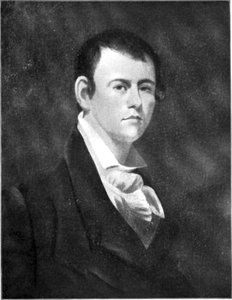
matthew harris jouett
1788 - 1827 , United States of America
Informações Rápidas
- Artistic Movement Or Style: Picturesque, Landscape
- Artists Or Movements Influenced By This Artist:
- Reynolds
- Rococo
- Artists Who Influenced This Artist: ['Hubert Gravelot']
- Date Of Birth: May 14, 1727
- Date Of Death: August 2, 1788
- Full Name: Thomas Gainsborough
- Nationality: British
- Notable Artworks:
- Musidora
- The Baillie Family
- Lady Rufford
- Place Of Birth: Sudbury, Suffolk, England