Visualizar na parede
 Compartilhar
 Compartilhar
 Detalhes
 Guia
Guia

 Baixar imagem
 Semelhantes
 Raio X
 Ver diaporama
 Q&A
Q&A Estatísticas
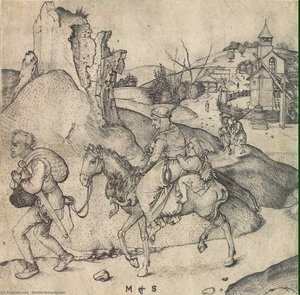
The Fourth Wise Virgin

- 122.0 x 84.0 cm


 Ler mais
Giclée / Impressão de Arte
Impressão giclée ou em tela de qualidade de museu, com produção rápida e opções flexíveis de acabamento. ( Comprar pintura feita à mão Alternar para Imagem Digital)




P118B €10

P118H €10

P118W €10

P438Z €10

P508JH €12

P508YH €12

P805H €10

P805Z €10

P919BZ €10

P919G €10

P919XJ €10

P959ZH €10

P968JZ €12

W106C €8

W218G €10

W218JH €8

W218Y €10

W307PJ €10

W316G €10

W316PJ €8

W316Y €10

W398PJ €8

W4111J €10

W500HY €15

W500JH €15

W692G €12

W849H €8

W940BG €15

W953PJ €8




Escolha entre os nossos tamanhos pré-definidos que respeitam as proporções originais da obra de arte.

Insira a largura e a altura desejadas para se ajustarem à sua moldura ou parede. Uma impressão pode ser apenas cortada, nunca ampliada além da imagem original; portanto, um tamanho com proporções diferentes resultará na perda de parte da imagem. Enviamos uma maquete digital para sua aprovação antes de realizarmos a impressão. A imagem exibida nesta página não mostra o corte real — apenas a maquete o faz.
Entrega mundial () em 2 semanas, em vez das 4/5 semanas padrão. (2 Novembro)

Envio expresso gratuito para todo o mundo

Tela de Linho de Alta Qualidade

Seguro de transporte completo

Garantia de Reembolso de Impostos Alfandegários

Garantia de Fidelidade Cromática

Política de Devolução em 100 Dias (Apenas para Defeitos)

Garantia de reembolso de 100%

Oferta de desconto por quantidade
 A opção de vidro está disponível apenas para tamanhos inferiores a 110 cm

The Fourth Wise Virgin
Giclée / Impressão de Arte
Tamanho da Reprodução
-


Preço Total
€ 71
The Fourth Wise Virgin: A Glimpse into Northern Renaissance Mystery
Martin Schongauer’s “The Fourth Wise Virgin,” created around 1490, is more than just an engraving; it's a meticulously crafted window into the spiritual and artistic currents of late medieval Germany. This captivating image, housed within the National Gallery of Art in Washington D.C., draws upon both established iconography – referencing the biblical tale of the Wise Virgins – and Schongauer’s own distinctive style, blending meticulous detail with an almost haunting sense of introspection. The work immediately commands attention not through grand scale or overt drama, but through a profound quietude and a subtle layering of symbolism that invites prolonged contemplation.
Schongauer's artistic lineage is deeply rooted in the traditions of goldsmithing, a craft he likely learned from his father. This background profoundly shaped his approach to engraving – an art demanding unparalleled precision and control over line. The image’s remarkable clarity stems from Schongauer’s mastery of hatching and cross-hatching techniques, creating a sophisticated illusion of form and texture. He doesn't simply depict the figure; he sculpts her presence with carefully placed lines, imbuing the composition with an almost palpable sense of weight and volume. The use of negative space is equally crucial, drawing attention to the central subject while subtly suggesting the vastness of the surrounding world – a world both familiar and potentially perilous.
A Biblical Narrative Illuminated
The scene itself draws upon the well-known parable of the Wise and Foolish Virgins. Ten young women are preparing for the wedding of the king, each carrying a lamp filled with oil. The foolish ones neglect their duty, leaving their lamps unlit, and are subsequently barred from entering the celebration. The Fourth Virgin, depicted here in profile, embodies a serene yet subtly melancholic acceptance of her fate. Her posture is dignified, suggesting not despair but a quiet understanding of divine judgment. The candle she holds – a potent symbol of faith, enlightenment, and guidance – casts a gentle glow upon her face, illuminating her expression with an ethereal light.
Schongauer’s choice to focus on this particular virgin is intriguing. Unlike the more overtly dramatic depictions found in other prints from the series, Schongauer's rendering emphasizes introspection rather than external action. The background is deliberately sparse, devoid of elaborate details or distracting elements. This minimalist approach directs the viewer’s attention entirely onto the figure herself, amplifying her internal state and inviting us to contemplate the moral implications of the story. The composition subtly suggests a sense of isolation – a solitary figure contemplating a universal truth.
Technique and Historical Context
“The Fourth Wise Virgin” is a prime example of Northern Renaissance engraving, characterized by its meticulous detail, refined draftsmanship, and a deep engagement with both religious iconography and contemporary fashion. Schongauer’s work reflects the influence of Early Netherlandish painting, particularly the realism and attention to texture evident in the drapery and facial features. The print's creation coincided with a period of significant artistic innovation, as engravers began to explore new techniques for achieving greater tonal range and simulating the effects of paint. The use of a copper or iron plate, meticulously etched with lines using specialized tools like burins, is itself a testament to Schongauer’s technical skill.
Furthermore, the print's creation occurred during a time of intense religious fervor and social upheaval in Europe. The Reformation was gaining momentum, challenging traditional beliefs and practices. Schongauer’s work can be interpreted as a meditation on themes of faith, judgment, and redemption – timeless concerns that resonated deeply with audiences throughout the Renaissance.
A Timeless Symbol of Reflection
“The Fourth Wise Virgin” endures not merely as a beautiful engraving but as a poignant reflection on human nature. Schongauer’s masterful use of line, light, and shadow creates an image that is both visually arresting and emotionally resonant. It's a work that invites viewers to contemplate their own choices, their own faith, and their place within the larger narrative of life and death. The engraving’s quiet dignity and subtle symbolism continue to captivate audiences centuries after its creation, solidifying Schongauer’s legacy as one of the most important printmakers of the Northern Renaissance.
Perguntas e Respostas
Qual é a intensidade das cores de "The Fourth Wise Virgin", de Martin Schongauer?
As cores em "The Fourth Wise Virgin", de Martin Schongauer possuem uma intensidade Monochromatic.
"The Fourth Wise Virgin", de Martin Schongauer é uma composição em formato retrato, paisagem ou quadrada?
"The Fourth Wise Virgin", de Martin Schongauer é uma composição em Portrait. Vale a pena conferir as proporções antes de escolher o tamanho da impressão.
Qual técnica foi utilizada em "The Fourth Wise Virgin", de Martin Schongauer?
"The Fourth Wise Virgin" é executada em Engraving.
Biografia do Artista
Martin Schongauer: Vida e Legado
Primeiros Anos e Formação
Martin Schongauer, nascido por volta de 1450 em Colmar, na Alsácia (atual França), foi uma figura fundamental no desenvolvimento da gravura durante o Renascimento Nórdico. Ele era fruto de uma linhagem de artesãos; seu pai, Caspar Schongauer, era um ourives que havia se mudado para Colmar vindo de Augsburg, na Alemanha, por volta de 1440. Essa herança familiar influenciou profundamente a formação artística inicial de Martin, uma vez que o ofício da ourivesaria proporcionou uma base sólida no domínio de detalhes precisos e técnicas de trabalho em metal – habilidades que seriam diretamente transferíveis para a arte da gravura.
Educação e Desenvolvimento Artístico
Em 1465, Schongauer frequentou brevemente a Universidade de Leipzig, mas logo abandonou os estudos acadêmicos para se dedicar inteiramente à arte. Inicialmente, treinou como pintor sob a tutela de Caspar Isenmann, um mestre local influenciado pela pintura flamenga primitiva, particularmente pelas obras de Rogier van der Weyden. Essa exposição precoce ao realismo flamengo e ao rigoroso cuidado com os detalhes tornariam-se as marcas registradas do próprio estilo de Schongauer.
Estilo Artístico e Influências
O estilo artístico de Schongauer é caracterizado por uma estética gótica clara e organizada, fundida com as influências emergentes do Renascimento Nórdico. Notavelmente, ele carecia de uma influência direta italiana, buscando inspiração, em vez disso, nas tradições germânicas e flamengas. Sua obra demonstra um detalhamento meticuloso, figuras expressivas e uma compreensão sofisticada da composição.
- Principais Características: Gravura precisa, representações realistas, narrativas dramáticas e estrutura gótica
- Influências: Rogier van der Weyden, Caspar Isenmann e as tradições góticas alemãs
Grandes Conquistas e Obras
Schongauer é mais conhecido por suas 116 gravuras, cada uma identificada por seu monograma. Essas estampas foram amplamente disseminadas por toda a Europa, impactando significativamente o desenvolvimento das técnicas de gravura e dos estilos artísticos. Suas gravuras frequentemente retratavam cenas religiosas, retratos e temas alegóricos.
- Madonna do Jardim de Rosas (1473): Uma pintura significativa que exibe sua habilidade em retratar detalhes delicados e profundidade emocional.
- Gravuras: Incluindo A Tentação de Santo Antão, A Adoração dos Pastores, entre tantas outras, demonstrando seu domínio magistral da técnica de gravura.
Significância Histórica e Legado
O impacto de Martin Schongauer no mundo da arte foi substancial. Ele foi um dos primeiros artistas alemães a alcançar reconhecimento internacional como gravador. Suas estampas eram altamente cobiçadas e amplamente copiadas, espalhando seu estilo artístico por toda a Europa. Está documentado que o próprio Michelangelo estudou e copiou uma das gravuras de Schongauer – O Julgamento de Santo Antão – demonstrando a alta estima com que Schongauer era visto pelos mestres posteriores.
A obra de Schongauer serviu como ponte entre a arte gótica e o Renascimento, pavimentando o caminho para artistas como Albrecht Dürer. Seu uso inovador das técnicas de gravura e seu compromisso com o detalhe artístico deixaram um legado duradouro na história da gravura e da arte do Norte da Europa.
Morte
Martin Schongauer faleceu em Breisach, no dia 2 de fevereiro de 1491, deixando para trás um corpo de trabalho extraordinário que continua a ser celebrado por seu mérito artístico e importância histórica.

Martin Schongauer
1450 - 1491 , França
Dados Rápidos
- Artistic Movement Or Style: Gótico tardio / Renascimento
- Artists Or Movements Influenced By This Artist: ['Albrecht Dürer']
- Artists Who Influenced This Artist:
- Rogier van der Weyden
- Caspar Isenmann
- Date Of Birth: c. 1450–53
- Date Of Death: 2 February 1491
- Full Name: Martin Schongauer
- Nationality: Alemão
- Notable Artworks:
- Virgem do Rosal
- Madonna da Rosa Bela
- Tentação de São António
- Place Of Birth: Colmar, França
Artigos Relacionados
10 Gravuras Icônicas que Revolucionaram a História da Arte | OriginalUniqueArt
Descubra 10 gravuras icônicas de Dürer, Rembrandt e Goya que revolucionaram a arte! Explore a história, técnica e beleza atemporal destas obras-primas. Encontre reproduções de alta qualidade para decorar sua casa com OriginalUniqueArt.com.

Hendrick Goltzius: Master Engraver & the Flourishing of Dutch Mannerism
Explore the life & art of Hendrick Goltzius, a master engraver of Dutch Mannerism. Discover his innovative techniques, iconic engravings like 'Jahel', and lasting influence on Baroque art. Learn about collecting Goltzius today.

The Art of Engraving: Mastering Precision and Detail in the Intaglio Tradition
Explore the profound mastery of engraving and intaglio printmaking. Delve into the rich history, technical precision of the burin, and the enduring legacy of fine art techniques that shaped the world's most iconic masterpieces.

The Intricate World of Engraving: A Historical Survey of Technique, Artistic Expression & Enduring Legacy
Explore the rich history of engraving with OriginalUniqueArt. Discover techniques, iconic artists like Dürer & Callot, collecting tips, and expert guidance for preserving your art investment. Learn about intaglio printing & more!

Engraving: A Historical Survey of Technique, Artistic Expression & Enduring Legacy
Explore the rich history of engraving with OriginalUniqueArt. Discover techniques, iconic artists like Dürer & Callot, collecting tips, and expert guidance for preserving your art investment. Learn about intaglio printing & more!