Visualizar na parede
 Compartilhar
 Compartilhar
 Detalhes

 Baixar imagem
 Semelhantes
 Raio X
 Slideshow
 Estatísticas
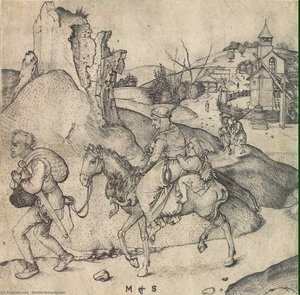
St.Michael
 Ler mais
Giclée / Impressão de Arte
Impressão giclée ou em tela de qualidade de museu, com produção rápida e opções flexíveis de acabamento. ( Comprar pintura feita à mão Alternar para Imagem Digital)




































Escolha entre os nossos tamanhos pré-definidos que respeitam as proporções originais da obra de arte.

Você pode inserir suas próprias dimensões para se ajustar a uma moldura ou espaço específico. Se o tamanho selecionado não corresponder às proporções da imagem original, iremos recortar a obra de arte ou estender a imagem com uma borda espelhada ou preenchimento sólido. Um mockup digital será enviado para sua aprovação antes do início da produção.
Por favor, observe que a visualização na tela não reflete o recorte ou a extensão real. Apenas o mockup mostrará com precisão a composição final.
Embora tamanhos personalizados estejam disponíveis, recomendamos selecionar uma dimensão da lista predefinida para preservar as proporções originais.
Entrega mundial () em 2 semanas, em vez das 4/5 semanas padrão. (8 Setembro)

Envio expresso gratuito para todo o mundo

Tela de Linho de Alta Qualidade

Seguro de transporte completo

Garantia de Reembolso de Impostos Alfandegários

Garantia de Fidelidade Cromática

Política de Devolução de 100 Dias (Apenas Defeitos)

Garantia de reembolso de 100%

Oferta de desconto por quantidade
 A opção de vidro está disponível apenas para tamanhos inferiores a 110 cm

St.Michael
Giclée / Impressão de Arte
Tamanho da Reprodução
-


Preço Total
$ 80
Biografia do Artista
Martin Schongauer: Vida e Legado
Primeiros Anos e Formação
Martin Schongauer, nascido por volta de 1450 em Colmar, na Alsácia (atual França), foi uma figura fundamental no desenvolvimento da gravura durante o Renascimento Nórdico. Ele era fruto de uma linhagem de artesãos; seu pai, Caspar Schongauer, era um ourives que havia se mudado para Colmar vindo de Augsburg, na Alemanha, por volta de 1440. Essa herança familiar influenciou profundamente a formação artística inicial de Martin, uma vez que o ofício da ourivesaria proporcionou uma base sólida no domínio de detalhes precisos e técnicas de trabalho em metal – habilidades que seriam diretamente transferíveis para a arte da gravura.
Educação e Desenvolvimento Artístico
Em 1465, Schongauer frequentou brevemente a Universidade de Leipzig, mas logo abandonou os estudos acadêmicos para se dedicar inteiramente à arte. Inicialmente, treinou como pintor sob a tutela de Caspar Isenmann, um mestre local influenciado pela pintura flamenga primitiva, particularmente pelas obras de Rogier van der Weyden. Essa exposição precoce ao realismo flamengo e ao rigoroso cuidado com os detalhes tornariam-se as marcas registradas do próprio estilo de Schongauer.
Estilo Artístico e Influências
O estilo artístico de Schongauer é caracterizado por uma estética gótica clara e organizada, fundida com as influências emergentes do Renascimento Nórdico. Notavelmente, ele carecia de uma influência direta italiana, buscando inspiração, em vez disso, nas tradições germânicas e flamengas. Sua obra demonstra um detalhamento meticuloso, figuras expressivas e uma compreensão sofisticada da composição.
- Principais Características: Gravura precisa, representações realistas, narrativas dramáticas e estrutura gótica
- Influências: Rogier van der Weyden, Caspar Isenmann e as tradições góticas alemãs
Grandes Conquistas e Obras
Schongauer é mais conhecido por suas 116 gravuras, cada uma identificada por seu monograma. Essas estampas foram amplamente disseminadas por toda a Europa, impactando significativamente o desenvolvimento das técnicas de gravura e dos estilos artísticos. Suas gravuras frequentemente retratavam cenas religiosas, retratos e temas alegóricos.
- Madonna do Jardim de Rosas (1473): Uma pintura significativa que exibe sua habilidade em retratar detalhes delicados e profundidade emocional.
- Gravuras: Incluindo A Tentação de Santo Antão, A Adoração dos Pastores, entre tantas outras, demonstrando seu domínio magistral da técnica de gravura.
Significância Histórica e Legado
O impacto de Martin Schongauer no mundo da arte foi substancial. Ele foi um dos primeiros artistas alemães a alcançar reconhecimento internacional como gravador. Suas estampas eram altamente cobiçadas e amplamente copiadas, espalhando seu estilo artístico por toda a Europa. Está documentado que o próprio Michelangelo estudou e copiou uma das gravuras de Schongauer – O Julgamento de Santo Antão – demonstrando a alta estima com que Schongauer era visto pelos mestres posteriores.
A obra de Schongauer serviu como ponte entre a arte gótica e o Renascimento, pavimentando o caminho para artistas como Albrecht Dürer. Seu uso inovador das técnicas de gravura e seu compromisso com o detalhe artístico deixaram um legado duradouro na história da gravura e da arte do Norte da Europa.
Morte
Martin Schongauer faleceu em Breisach, no dia 2 de fevereiro de 1491, deixando para trás um corpo de trabalho extraordinário que continua a ser celebrado por seu mérito artístico e importância histórica.

Martin Schongauer
1450 - 1491 , França
Dados Rápidos
- Artistic Movement Or Style: Gótico tardio / Renascimento
- Artists Or Movements Influenced By This Artist: ['Albrecht Dürer']
- Artists Who Influenced This Artist:
- Rogier van der Weyden
- Caspar Isenmann
- Date Of Birth: c. 1450–53
- Date Of Death: 2 February 1491
- Full Name: Martin Schongauer
- Nationality: Alemão
- Notable Artworks:
- Virgem do Rosal
- Madonna da Rosa Bela
- Tentação de São António
- Place Of Birth: Colmar, França
Artigos Relacionados

10 Gravuras Icônicas que Revolucionaram a História da Arte | OriginalUniqueArt
Descubra 10 gravuras icônicas de Dürer, Rembrandt e Goya que revolucionaram a arte! Explore a história, técnica e beleza atemporal destas obras-primas. Encontre reproduções de alta qualidade para decorar sua casa com OriginalUniqueArt.com.

Engraving: A Historical Survey of Technique, Artistic Expression & Enduring Legacy
Explore the rich history of engraving with OriginalUniqueArt. Discover techniques, iconic artists like Dürer & Callot, collecting tips, and expert guidance for preserving your art investment. Learn about intaglio printing & more!
The Art of Engraving: Mastering Precision and Detail in the Intaglio Tradition
Explore the profound mastery of engraving and intaglio printmaking. Delve into the rich history, technical precision of the burin, and the enduring legacy of fine art techniques that shaped the world's most iconic masterpieces.

The Intricate World of Engraving: A Historical Survey of Technique, Artistic Expression & Enduring Legacy
Explore the rich history of engraving with OriginalUniqueArt. Discover techniques, iconic artists like Dürer & Callot, collecting tips, and expert guidance for preserving your art investment. Learn about intaglio printing & more!

Gothic Vibes: From Dark Shadows to Bold Modern Edge | The Ultimate Trend Forecast
Explore the evolution of Gothic vibes, from historical shadows to bold modern edge. Discover how dark aesthetics, noir interiors, and contemporary subcultures are redefining modern design through a high-impact, trend-focused lens.