Alternar para Impressão
 Ler mais







































 Para obras de arte ou reproduções com mais de 105 cm (aproximadamente 41 polegadas) em qualquer um dos lados, a moldura será enviada como um kit desmontado. Este método garante uma entrega segura e evita danos durante o transporte.


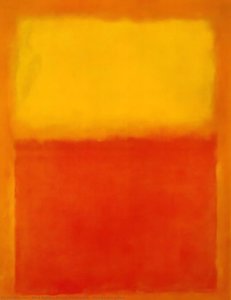
A Glimpse Into Rothko’s Vision: The Harvard Mural Sketch
Mark Rothko's Untitled (Harvard Mural sketch), created in 1962, offers an intimate window into the artistic process of one of the most influential abstract expressionist painters. This work isn’t a finished statement, but rather a crucial step in a larger commission – a series of murals intended for Harvard University's Holyoke Center. Though the final project ultimately proved fraught with difficulties and Rothko withdrew from it, these sketches remain powerfully evocative, distilling his core aesthetic concerns into their most essential elements: color, form, and the profound exploration of human emotion.
The Language of Abstraction
At first glance, the painting presents a deceptively simple composition. Three dominant red squares anchor the canvas, each possessing a subtle internal variation in tone and texture. Rothko’s technique is characterized by layering thin washes of oil paint – a process that creates an almost luminous depth within the color fields. The edges aren't sharply defined; instead, they bleed and soften, inviting the viewer to lose themselves in the interplay of hues. This deliberate lack of precise boundaries isn’t accidental. Rothko sought to move beyond representational art, believing that traditional subject matter could distract from a more direct engagement with feeling. He aimed for a purely emotional response, triggered not by *what* was depicted, but by *how* it was depicted.
Existential Echoes and Historical Context
Born Markus Yakovlevich Rothkowitz in Latvia in 1903, Rothko’s early life was steeped in the anxieties of a Jewish family navigating the Pale of Settlement. This formative experience instilled within him a deep sensitivity to human suffering – a theme that would permeate his entire artistic career. The trauma of displacement and loss fueled a lifelong quest for meaning, which he attempted to articulate through abstraction. The 1962 sketches, created during a period of relative stability in Rothko’s life, nevertheless carry the weight of this personal history. They represent not merely an aesthetic choice, but a philosophical one – a search for universal truths expressed through the primal language of color and form. The Harvard commission itself was intended to create a contemplative space, a secular chapel where viewers could connect with something larger than themselves.
Emotional Resonance and Lasting Impact
While seemingly austere, Untitled (Harvard Mural sketch) is anything but cold. The intensity of the red evokes a range of emotions – passion, anger, even grief. Rothko understood that color possesses an inherent psychological power, capable of bypassing intellectual analysis and speaking directly to the subconscious. He encouraged viewers to stand close to his paintings, allowing themselves to be enveloped by their scale and immersed in their atmosphere. This work, though smaller than the monumental murals he ultimately envisioned, retains this capacity for profound emotional impact. It’s a testament to Rothko's ability to distill complex feelings into their purest visual form – a powerful reminder of the enduring human search for meaning and connection.
Perguntas e Respostas
As cores de "Untitled (Harvard Mural sketch)", de Mark Rothko são vibrantes ou suaves?
As cores de "Untitled (Harvard Mural sketch)", de Mark Rothko apresentam uma saturação Vivid Color com uma intensidade Vivid.
O que "Untitled (Harvard Mural sketch)" compartilha com o restante da obra de Mark Rothko?
"Untitled (Harvard Mural sketch)" compartilha com as outras obras de Mark Rothko o seu estilo Abstract Expressionism e os temas recorrentes: myth, tragedy, spirituality, color, emotion; post-war anxiety, existential questioning, abstraction; harvard commission, late style.
Qual é o tom emocional de "Untitled (Harvard Mural sketch)", de Mark Rothko?
"Untitled (Harvard Mural sketch)" está associada a um sentimento Reflective. O tom emocional descreve a impressão que a obra transmite.
 Visualizar na parede
 Compartilhar
 Compartilhar
 Detalhes
 Guia
Guia

 Baixar imagem
 Semelhantes
 Raio X
 Ver diaporama
 Q&A
Q&A Estatísticas