Mark Rothko · 1948
Untitled (Mark Rothko, 1948)
Mark Rothko (1903–1970) criou Untitled. Data de 1948. Pertence ao movimento Mark Rothko. É feito em Acrylic On Canvas. Mede 108 × 111 cm.
- 1948
- Acrylic On Canvas
- 108 × 111 cm

 Visualizar na parede

 Pintura a Óleo Feita à Mão
 Compartilhar
 Compartilhar
 Ficha técnica


 Baixar imagem
 Semelhantes
 Raio X
 Ver diaporama
 Perguntas e Respostas

 Estatísticas
Untitled, em resumo
- Título
- Untitled
- Artista
- Mark Rothko (1903–1970)
- Artista nascido em
- Daugavpils, Letónia
- Data
- 1948
- Técnica
- Acrylic On Canvas
- Dimensões
- 108 × 111 cm
- Movimento
- Mark Rothko
- Período
- Modern
- Tema
- abstract, color field, expressionism, rectangular forms, emotional depth, modern art
O que Untitled retrata?
A Threshold of Feeling: Exploring Mark Rothko’s Untitled (1948)
Mark Rothko's Untitled from 1948 is not merely a painting; it is an invitation—a silent beckoning into the realm of pure emotional resonance. Measuring 108 x 111 cm, this work exists at a pivotal moment in the artist’s trajectory, marking a decisive shift away from figurative representation and towards the immersive color field paintings that would define his legacy. Born Marcus Yakovlevich Rothkowitz in Latvia in 1903, Rothko carried with him a sense of displacement and searching, experiences deeply interwoven into the very fabric of his artistic vision. His family’s emigration to America in 1913, coupled with his father's intellectual leanings and exposure to Marxist thought, instilled within him a profound sensitivity to the human condition—a sensibility that would ultimately find its most potent expression not through depiction, but through abstraction.
The Birth of a New Language
By 1948, Rothko had begun to dismantle the traditional elements of painting. He was moving beyond the mythological and Surrealist explorations of the early 1940s—works born from the anxieties of wartime—and towards an increasingly reductive vocabulary. Untitled exemplifies this transition beautifully. Rather than presenting a defined subject, Rothko offers us layered planes of color – predominantly pinks, oranges, reds, and subtle purples – that seem to float and breathe upon the canvas. These aren’t simply colors *applied* but rather emanations of feeling, carefully modulated in tone and intensity. The technique itself is crucial: thin washes of oil paint are delicately applied, allowing underlying layers to peek through, creating a luminous depth that draws the viewer into the painting's core. The composition isn’t rigidly structured; instead, forms emerge organically, suggesting boundaries without fully defining them. This deliberate ambiguity invites contemplation and allows for a deeply personal interpretation.
Echoes of Experience: Symbolism and Emotional Impact
To attempt to assign concrete symbolism to Rothko's work is often misleading. He resisted prescriptive interpretations, believing that the emotional impact should be direct and unmediated. However, understanding his biography offers valuable context. The hazy, atmospheric quality of Untitled can be seen as reflecting a sense of longing or memory—perhaps echoing the displacement he felt as an immigrant, or the broader anxieties of a post-war world. The warmth of the pinks and oranges isn’t simply aesthetic; it evokes feelings of comfort and vulnerability, while the darker purples hint at underlying melancholy. The painting's scale is also significant. It’s large enough to envelop the viewer, creating an immersive experience that transcends mere observation. Standing before Untitled is not about *looking* at a picture; it’s about *being* within a space of feeling.
A Lasting Legacy: Rothko and Abstract Expressionism
Mark Rothko's contribution to the development of Abstract Expressionism, and specifically Color Field painting, is immeasurable. He, along with artists like Barnett Newman and Clyfford Still, sought to strip away all representational elements, focusing instead on the expressive power of color and form. His work profoundly influenced generations of artists and continues to resonate deeply with audiences today. The Rothko Chapel in Houston stands as a testament to his enduring vision—a sacred space designed to facilitate contemplation and spiritual experience through the immersive power of his paintings. Untitled (1948) serves as an early, compelling example of this ambition, offering a glimpse into the artist’s evolving language and foreshadowing the profound emotional landscapes he would create in the years to come.
Imagens em alta resolução de Untitled
Protected by copyright: these files are for personal reference, not a licence to republish.
Mark Rothko, Untitled (1948).
Perguntas sobre Untitled respondidas
Em que ano foi criado "Untitled", de Mark Rothko?
"Untitled", de Mark Rothko foi criado em 1948.
Qual é a técnica utilizada em "Untitled", de Mark Rothko?
Mark Rothko utilizou a técnica de Acrylic On Canvas para "Untitled". A técnica define a natureza material da obra original.
Quais são as dimensões da obra original "Untitled", de Mark Rothko?
As dimensões registradas de "Untitled", de Mark Rothko são 108 x 111 cm. Reproduções podem ser encomendadas em outros tamanhos, mantendo as mesmas proporções.
O que representa "Untitled"?
Os temas presentes em "Untitled", de Mark Rothko incluem abstract, color field, expressionism, rectangular forms, emotional depth, modern art, painting, rothko. Juntos, eles sintetizam o assunto da obra.
"Untitled" está em domínio público?
Quanto aos direitos autorais, "Untitled" está em ainda protegido por direitos autorais.
Quem criou "Untitled"?
O artista por trás de "Untitled" é Mark Rothko. A obra está catalogada sob o nome de Mark Rothko.
A qual estilo pertence "Untitled"?
"Untitled", de Mark Rothko pertence ao movimento Mark Rothko. Este movimento fornece o contexto estilístico da obra.
A que período da carreira de Mark Rothko pertence "Untitled"?
"Untitled" representa o Transitional/Multiform Period de Mark Rothko.
Com que idade Mark Rothko criou "Untitled"?
Quando "Untitled" foi criada em 1948, Mark Rothko — nascido(a) em 1903 — tinha 45 anos.
Sobre o artista, Mark Rothko

1903–1970, Letónia
Mark Rothko
Os Primeiros Anos de Mark Rothko Mark Rothko nasceu como Markus Yakovlevich Rothkowitz em 1903. Ele nasceu em Dvinsk, na Rússia, em um lugar hoje conhecido como Daugavpils, na Letônia. Sua família vivia dentro da "Pale of Settlement", uma região marcada pela agitação política e pela sombra constante dos pogroms. Essa atmosfera de instabilidade acompanhou a família quando emigraram para os Estados Unidos em 1913.
Também de Mark Rothko
 Centro Branco1950
 No.1
 Nº 61 (Ferrugem e Azul)1953
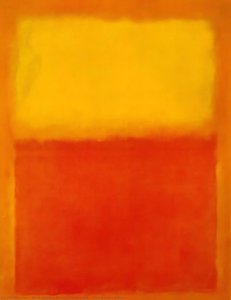 Laranja e amarelo1956
Ensaios sobre Untitled
 Color & Emotion: The 25 Most Iconic Masterpieces by Mark RothkoImmerse yourself in the profound emotion of Abstract Expressionism. Explore 25 iconic Mark Rothko masterpieces, from his signature color fi…
 Carl Newman: Exploring Abstraction's Spiritual Resonance Through Color Field PaintingExplore the profound spiritual resonance of Color Field Painting with insights into Rothko, Newman & Still. Discover the techniques & legac…
 The Soul of Color: Exploring the Emotional Depth and Existential Resonance of Mark Rothko's MasterpiecesImmerse yourself in the profound emotional landscapes of Mark Rothko. Explore how his revolutionary Color Field paintings use pure pigment …