Abstract Expressionism · 1945
Untitled (Mark Rothko, 1945)
Mark Rothko (1903–1970) criou Untitled. Data de 1945. Pertence ao movimento Abstract Expressionism. É feito em Oil On Canvas. Mede 74 × 60 cm.
- 1945
- Oil On Canvas
- 74 × 60 cm

 Visualizar na parede

 Pintura a Óleo Feita à Mão
 Compartilhar
 Compartilhar
 Ficha técnica


 Baixar imagem
 Semelhantes
 Raio X
 Ver diaporama
 Perguntas e Respostas

 Estatísticas
Untitled, em resumo
- Título
- Untitled
- Artista
- Mark Rothko (1903–1970)
- Artista nascido em
- Daugavpils, Letónia
- Data
- 1945
- Técnica
- Oil On Canvas
- Dimensões
- 74 × 60 cm
- Movimento
- Abstract Expressionism
- Período
- Modern
- Tema
- abstract, surrealism, figure, mystery, vulnerability, decay
O que Untitled retrata?
A Meditation on Color and Form
Completed in 1945, this work belongs to the early period of American Abstract Expressionism. The composition relies on a subdued palette of earthy browns and ochres, interrupted by subtle washes of crimson and violet. Vertical rectangles are stacked horizontally across the canvas, creating a sense of stillness. There is no recognizable subject or narrative; instead, the arrangement of color fields directs attention to the interaction between light and shadow.
The technique utilizes alla prima, applying wet paint onto the canvas in thin layers to avoid visible brushstrokes. This method results in a rough surface where subtle variations in tone emerge through the texture of the pigment. The edges of the rectangular forms appear soft, contributing to an immersive, atmospheric effect that lacks a central focal point.
Historical and Emotional Resonance
The painting emerged in the immediate aftermath of World War II, a period marked by global uncertainty and existential anxiety. The somber tones reflect the heavy atmosphere of the era, mirroring personal and collective experiences of trauma and loss. The artist’s background, shaped by displacement from Latvia, informs this preoccupation with mortality and the search for meaning.
Symbolically, the layered rectangles may represent psychological states or spiritual realms. The tension between the dark masses and the lighter washes suggests the coexistence of opposing forces within the human psyche. By stripping away all representational detail, the work invites a personal, meditative response, prompting reflection on the nature of existence through pure color.
Imagens em alta resolução de Untitled
Protegida por direitos de autor: a imagem é apresentada apenas para fins de referência.
Outros tamanhos, cortes e citações →Mark Rothko, Untitled (1945).
Perguntas sobre Untitled respondidas
Em que ano foi criada a obra "Untitled", de Mark Rothko?
"Untitled", de Mark Rothko foi criado em 1945.
Qual técnica foi utilizada em "Untitled", de Mark Rothko?
A técnica de "Untitled", de Mark Rothko é Oil On Canvas. As reproduções visam reproduzir a aparência desta técnica.
Quais são as dimensões da obra original "Untitled", de Mark Rothko?
"Untitled" mede 74 x 60 cm em sua forma original. As dimensões originais são uma referência útil ao escolher o tamanho de uma reprodução.
O que representa "Untitled"?
Os temas presentes em "Untitled", de Mark Rothko incluem abstract, surrealism, figure, mystery, vulnerability, decay, organic forms, mood. Juntos, eles sintetizam o assunto da obra.
"Untitled", de Mark Rothko está em domínio público?
"Untitled", de Mark Rothko está em ainda protegido por direitos autorais. Este status determina como a imagem da obra pode ser reproduzida.
Quem criou "Untitled"?
"Untitled" é atribuída a Mark Rothko.
A qual movimento artístico "Untitled", de Mark Rothko pertence?
"Untitled" é uma obra do Abstract Expressionism. O movimento indica a tradição artística da qual a obra faz parte.
A que fase da trajetória de Mark Rothko "Untitled" pertence?
"Untitled" pertence ao Mature Period da carreira de Mark Rothko. Esta classificação relaciona a obra ao desenvolvimento do artista.
Qual era a idade de Mark Rothko quando "Untitled" foi criada?
Mark Rothko criou "Untitled" aos 42 anos. O artista nasceu em 1903 e a obra data de 1945.
Sobre o artista, Mark Rothko

1903–1970, Letónia
Mark Rothko
Os Primeiros Anos de Mark Rothko Mark Rothko nasceu como Markus Yakovlevich Rothkowitz em 1903. Ele nasceu em Dvinsk, na Rússia, em um lugar hoje conhecido como Daugavpils, na Letônia. Sua família vivia dentro da "Pale of Settlement", uma região marcada pela agitação política e pela sombra constante dos pogroms. Essa atmosfera de instabilidade acompanhou a família quando emigraram para os Estados Unidos em 1913.
Também de Mark Rothko
 Centro Branco1950
 No.1
 Nº 61 (Ferrugem e Azul)1953
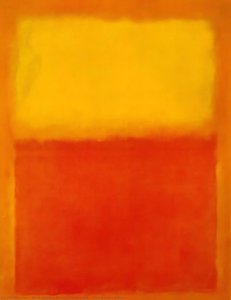 Laranja e amarelo1956
Ensaios sobre Untitled
 The Soul of Color: Exploring the Emotional Depth and Existential Resonance of Mark Rothko's MasterpiecesImmerse yourself in the profound emotional landscapes of Mark Rothko. Explore how his revolutionary Color Field paintings use pure pigment …
 Color Fields of Calm: Transform Luxury Interiors with Minimalist Masterpiece ReproductionsElevate your luxury interiors with museum-quality Mark Rothko reproductions. Discover how hand-painted Color Field masterpieces bring profo…
 Mark Rothko: As 25 Obras-Primas que Definem um Ícone da Arte Abstrata | OriginalUniqueArtDescubra as 25 obras-primas de Mark Rothko, ícone do expressionismo abstrato. Explore a história, cores e emoção por trás de cada tela. Rep…