Expressionism · 1941
Untitled (Mark Rothko, 1941)
Mark Rothko (1903–1970) criou Untitled. Data de 1941. Pertence ao movimento Expressionism. É feito em Oil On Canvas. Mede 102 × 81 cm.
- 1941
- Oil On Canvas
- 102 × 81 cm

 Visualizar na parede

 Pintura a Óleo Feita à Mão
 Compartilhar
 Compartilhar
 Ficha técnica


 Baixar imagem
 Semelhantes
 Raio X
 Ver diaporama
 Perguntas e Respostas

 Estatísticas
Untitled, em resumo
- Título
- Untitled
- Artista
- Mark Rothko (1903–1970)
- Artista nascido em
- Daugavpils, Letónia
- Data
- 1941
- Técnica
- Oil On Canvas
- Dimensões
- 102 × 81 cm
- Movimento
- Expressionism
- Período
- Modern
- Tema
- man, faces, doorway, multiple heads, depth, perspective
O que Untitled retrata?
A Fragmented Presence
The canvas presents a figure that defies simple identification, a man whose very essence seems composed of disparate, overlapping elements. One might notice how his face is not a single entity but a collection of multiple faces, with features appearing on the left, center, and right sides of his head. Two eyes are positioned at opposite corners—one near the top-left and another toward the bottom-right—creating a disorienting sense of sight that pulls the viewer across the surface. Behind this figure, an open doorway provides a focal point, offering a glimpse into a space that suggests depth and perspective. The man’s body is placed directly in front of this threshold, anchoring the composition within a scene that feels both structured and surreal.The Language of Form and Shadow
Created in 1941, this work reflects a period of transition where recognizable subjects began to dissolve into more complex, biomorphic shapes. The technique relies on a careful arrangement of these fragmented parts to build a sense of volume and presence without relying on traditional portraiture. There is a quiet tension in the way the figure interacts with the architecture of the doorway. The painting uses these layered elements to explore themes of identity and the human condition during an era of profound global change. By presenting a face made of multiple perspectives, the work invites a slow, contemplative observation of how we perceive the self and the world around us.Imagens em alta resolução de Untitled
Protegido por direitos de autor: estes ficheiros são para referência pessoal e não constituem uma licença de republicação.
Mark Rothko, Untitled (1941).
Perguntas sobre Untitled respondidas
Em que ano foi criado "Untitled"?
"Untitled" data de 1941. A data situa a obra na carreira de Mark Rothko e em sua época.
Qual é a técnica utilizada em "Untitled", de Mark Rothko?
Mark Rothko utilizou a técnica de Oil On Canvas para "Untitled". A técnica define a natureza material da obra original.
Quais são as dimensões de "Untitled", de Mark Rothko na vida real?
As dimensões registradas de "Untitled", de Mark Rothko são 102 x 81 cm. Reproduções podem ser encomendadas em outros tamanhos, mantendo as mesmas proporções.
O que representa "Untitled"?
"Untitled", de Mark Rothko retrata: man, faces, doorway, multiple heads, depth, perspective, surrealism.
"Untitled" está em domínio público?
Informação de direitos autorais para "Untitled", de Mark Rothko: a obra está em ainda protegido por direitos autorais. Isso determina se reproduções da imagem podem ser feitas livremente.
Quem criou "Untitled"?
"Untitled" foi criado por Mark Rothko. As informações nesta página descrevem a obra original de Mark Rothko.
A qual movimento artístico "Untitled", de Mark Rothko pertence?
"Untitled", de Mark Rothko pertence ao movimento Expressionism. Este movimento fornece o contexto estilístico da obra.
A que período da carreira de Mark Rothko pertence "Untitled"?
"Untitled" representa o Mature Period de Mark Rothko.
Qual era a idade de Mark Rothko ao criar "Untitled" em 1941?
Quando "Untitled" foi criada em 1941, Mark Rothko — nascido(a) em 1903 — tinha 38 anos.
Sobre o artista, Mark Rothko

1903–1970, Letónia
Mark Rothko
Os Primeiros Anos de Mark Rothko Mark Rothko nasceu como Markus Yakovlevich Rothkowitz em 1903. Ele nasceu em Dvinsk, na Rússia, em um lugar hoje conhecido como Daugavpils, na Letônia. Sua família vivia dentro da "Pale of Settlement", uma região marcada pela agitação política e pela sombra constante dos pogroms. Essa atmosfera de instabilidade acompanhou a família quando emigraram para os Estados Unidos em 1913.
Também de Mark Rothko
 Centro Branco1950
 No.1
 Nº 61 (Ferrugem e Azul)1953
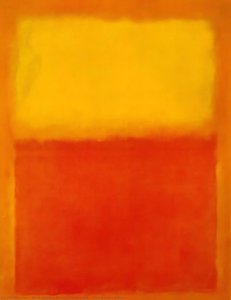 Laranja e amarelo1956
Ensaios sobre Untitled
 The Architecture of Emotion: A Connoisseur’s Guide to the Chromatic Sublimity of Mark RothkoExplore the profound emotional landscapes of Mark Rothko. An expert editorial on Color Field painting, decoding the spiritual depth, techni…
 Mastering Emotion: The Top 25 Most Iconic Mark Rothko ArtworksImmerse yourself in the profound emotion of Abstract Expressionism. Explore our curated guide to the top 25 Mark Rothko masterpieces, from …
 Beyond the Single Gaze: Unveiling the Intricate, Multi-Faceted World of Cubist PortraitureDelve into the revolutionary world of Cubist portraits. Discover how fragmented forms and multiple perspectives redefine identity. At Origi…