Color Field Painting · 1969
Untitled (Mark Rothko, 1969)
Mark Rothko (1903–1970) criou Untitled. Data de 1969. Pertence ao movimento Color Field Painting. É feito em Oil On Board. Mede 123 × 103 cm.
- 1969
- Oil On Board
- 123 × 103 cm

 Visualizar na parede

 Pintura a Óleo Feita à Mão
 Compartilhar
 Compartilhar
 Ficha técnica


 Baixar imagem
 Semelhantes
 Raio X
 Ver diaporama
 Perguntas e Respostas

 Estatísticas
Untitled, em resumo
- Título
- Untitled
- Artista
- Mark Rothko (1903–1970)
- Artista nascido em
- Daugavpils, Letónia
- Data
- 1969
- Técnica
- Oil On Board
- Dimensões
- 123 × 103 cm
- Movimento
- Color Field Painting
- Período
- Modern
- Tema
- color field, abstraction, rothko, blue strip, canvas texture, emotional depth
O que Untitled retrata?
A Symphony of Silence: The Luminous Depth of Rothko’s Untitled
In the quiet realm of 1969, Mark Rothko captured a moment of profound stillness in his masterpiece, Untitled. This work serves as a quintessential gateway into the world of color field abstraction, a movement that dared to strip away the distractions of the physical world to reveal the raw essence of human emotion. Measuring 123 x 103 cm, the painting does not demand attention through frantic motion or recognizable figures; instead, it invites the viewer into a state of deep, atmospheric contemplation. The canvas is dominated by a vast, immersive expanse of deep indigo blue, which seems to recede into an infinite distance, only to be anchored by a singular, horizontal band of earthy brown that stretches across the center like a horizon line at dusk.
The true magic of this piece lies in Rothko’s meticulous technique, a process often referred to as "condensation." Rather than applying thick, impasto strokes, the artist layered thin, translucent veils of oil paint onto the board. This delicate method allows light to penetrate the upper layers and reflect back from beneath, creating a velvety, luminous texture that appears to breathe. As one moves before the painting, the edges of the brown band seem to vibrate against the indigo, blurring the boundary between form and void. For the collector or interior designer, this creates a dynamic visual experience where the artwork changes character depending on the light and the perspective of the observer.
The Language of Color and Existential Resonance
To understand Untitled is to move beyond the visual and into the psychological. Rothko’s artistic philosophy was rooted in the belief that color could bypass the rational mind to communicate universal truths—grief, ecstasy, and the sublime. By removing all narrative elements, he stripped art of its descriptive duties, leaving only the pure resonance of pigment. The juxtaposition of the somber indigo with the grounded, organic brown evokes a sense of existential weight, mirroring the tensions between the infinite unknown and our earthly existence. It is a painting that does not merely sit on a wall; it occupies the space around it, creating an emotional atmosphere that can transform a room into a sanctuary for thought.
Emerging from the Second Wave of Abstract Expressionism, this work stands as a testament to a period of intense philosophical inquiry. While his contemporaries like Pollock explored the energy of action, Rothko explored the energy of presence. This piece offers an unparalleled opportunity for those seeking to curate spaces defined by sophistication and emotional depth. Whether placed in a minimalist modern gallery or as a focal point in a luxurious residential study, a high-quality reproduction of this work brings with it the prestige of art history and the quiet power of a master who mastered the art of absence.
Imagens em alta resolução de Untitled
Protected by copyright: these files are for personal reference, not a licence to republish.
Mark Rothko, Untitled (1969).
Perguntas sobre Untitled respondidas
Em que ano foi criada a obra "Untitled", de Mark Rothko?
"Untitled", de Mark Rothko foi criado em 1969.
Qual é a técnica utilizada em "Untitled", de Mark Rothko?
A técnica de "Untitled", de Mark Rothko é Oil On Board. As reproduções visam reproduzir a aparência desta técnica.
Quais são as dimensões da obra original "Untitled"?
A obra original "Untitled", de Mark Rothko mede 123 x 103 cm.
O que "Untitled", de Mark Rothko retrata?
"Untitled", de Mark Rothko retrata: color field, abstraction, rothko, blue strip, canvas texture, emotional depth, minimalism.
"Untitled", de Mark Rothko está em domínio público?
"Untitled", de Mark Rothko está em ainda protegido por direitos autorais. Este status determina como a imagem da obra pode ser reproduzida.
A qual artista "Untitled" é atribuída?
O artista por trás de "Untitled" é Mark Rothko. A obra está catalogada sob o nome de Mark Rothko.
A qual estilo pertence "Untitled"?
O movimento associado a "Untitled", de Mark Rothko é Color Field Painting. Esta classificação situa a obra entre artistas e obras de arte relacionados.
A que período da carreira de Mark Rothko pertence "Untitled"?
"Untitled" pertence ao Mature Period da carreira de Mark Rothko. Esta classificação relaciona a obra ao desenvolvimento do artista.
Com que idade Mark Rothko criou "Untitled"?
Quando "Untitled" foi criada em 1969, Mark Rothko — nascido(a) em 1903 — tinha 66 anos.
Sobre o artista, Mark Rothko

1903–1970, Letónia
Mark Rothko
Os Primeiros Anos de Mark Rothko Mark Rothko nasceu como Markus Yakovlevich Rothkowitz em 1903. Ele nasceu em Dvinsk, na Rússia, em um lugar hoje conhecido como Daugavpils, na Letônia. Sua família vivia dentro da "Pale of Settlement", uma região marcada pela agitação política e pela sombra constante dos pogroms. Essa atmosfera de instabilidade acompanhou a família quando emigraram para os Estados Unidos em 1913.
Também de Mark Rothko
 Centro Branco1950
 No.1
 Nº 61 (Ferrugem e Azul)1953
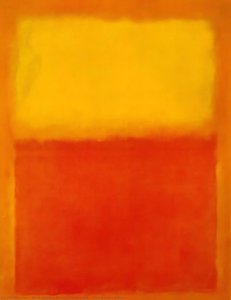 Laranja e amarelo1956
Ensaios sobre Untitled
 Color & Emotion: The 25 Most Iconic Masterpieces by Mark RothkoImmerse yourself in the profound emotion of Abstract Expressionism. Explore 25 iconic Mark Rothko masterpieces, from his signature color fi…
 Color Fields of Calm: Transform Luxury Interiors with Minimalist Masterpiece ReproductionsElevate your luxury interiors with museum-quality Mark Rothko reproductions. Discover how hand-painted Color Field masterpieces bring profo…
 The Soul of Color: Exploring the Emotional Depth and Existential Resonance of Mark Rothko's MasterpiecesImmerse yourself in the profound emotional landscapes of Mark Rothko. Explore how his revolutionary Color Field paintings use pure pigment …