Abstract Expressionism
Untitled 4 (Mark Rothko)
Mark Rothko (1903–1970) criou Untitled 4. Pertence ao movimento Abstract Expressionism. É feito em Acrylic On Canvas.
- Acrylic On Canvas

 Visualizar na parede

 Pintura a Óleo Feita à Mão
 Compartilhar
 Compartilhar
 Ficha técnica


 Baixar imagem
 Semelhantes
 Raio X
 Ver diaporama
 Perguntas e Respostas

 Estatísticas
Untitled 4, em resumo
- Título
- Untitled 4
- Artista
- Mark Rothko (1903–1970)
- Artista nascido em
- Daugavpils, Letónia
- Técnica
- Acrylic On Canvas
- Movimento
- Abstract Expressionism
- Tema
- color field painting, geometric abstraction, emotional resonance, red hue, blue tone, texture depth
O que Untitled 4 retrata?
A Symphony in Color: Exploring Mark Rothko’s No. 4
The painting known simply as “No. 4” by Mark Rothko is more than just pigment on canvas; it's an invitation into a realm of profound contemplation and emotional resonance. Created in 1964 during his prolific period, this monumental work embodies the core tenets of Rothko’s signature style – Color Field Painting – a movement that revolutionized abstract art and continues to captivate audiences worldwide.- Subject Matter: At first glance, “No. 4” presents itself as deceptively simple. It consists of five rectangular blocks of color—primarily deep crimson, cadmium orange, and slate blue—layered atop one another. These rectangles are not sharply delineated; instead, they bleed into each other subtly, creating an ethereal haze that obscures precise boundaries.
- Style: Rothko’s approach transcends mere representation. He eschewed traditional artistic conventions, rejecting illusionistic depth and perspective altogether. Instead, he sought to convey emotion directly through color alone—a radical departure from the prevailing aesthetic sensibilities of his time.
Historical Context: Minimalism and Existential Anxiety
“No. 4” emerged during a period marked by significant cultural upheaval. The rise of Minimalism in the mid-1960s challenged the dominance of figurative art, advocating for austere compositions and unadorned surfaces as expressions of intellectual seriousness. Simultaneously, anxieties surrounding nuclear proliferation and the Cold War fueled existential concerns about humanity’s place in the cosmos—themes that resonated deeply with Rothko's artistic vision. He wasn’t attempting to depict a specific scene or narrative; rather, he aimed to tap into universal human experiences – grief, joy, transcendence – feelings conveyed through pure color.Symbolism and Emotional Impact
Rothko deliberately avoided explicit symbolism, believing that color itself possessed inherent expressive power. However, scholars have interpreted the hues within “No. 4” as representing a spectrum of emotions—crimson symbolizing passion and vulnerability, orange conveying warmth and optimism, and blue embodying serenity and contemplation. The layering effect contributes to this emotional depth, suggesting an unfolding process of feeling rather than a static depiction. Viewing No. 4 is said to induce a state of calm introspection; it encourages the viewer to surrender to the painting's immersive quality and allow themselves to be carried away by its evocative beauty.A Legacy of Color
“No. 4” stands as a testament to Rothko’s unwavering commitment to exploring the expressive potential of color—a legacy that continues to inspire artists and collectors alike. Its enduring appeal lies in its ability to bypass intellectual analysis altogether, communicating directly with the viewer's subconscious mind. A high-quality reproduction captures not only the visual splendor of this masterpiece but also its profound emotional core – a reminder that art can transcend language and offer access to realms of feeling beyond words.Imagens em alta resolução de Untitled 4

Protegido por direitos de autor: estes ficheiros são para referência pessoal, não constituem uma licença para republicação.
Mark Rothko, Untitled 4.
Perguntas sobre Untitled 4 respondidas
De que técnica é feita a obra "Untitled 4"?
Mark Rothko utilizou a técnica de Acrylic On Canvas para "Untitled 4". A técnica define a natureza material da obra original.
O que "Untitled 4", de Mark Rothko retrata?
Os temas presentes em "Untitled 4", de Mark Rothko incluem color field painting, geometric abstraction, emotional resonance, red hue, blue tone, texture depth, minimalist composition. Juntos, eles sintetizam o assunto da obra.
A imagem de "Untitled 4", de Mark Rothko pode ser reproduzida livremente?
Informação de direitos autorais para "Untitled 4", de Mark Rothko: a obra está em ainda protegido por direitos autorais. Isso determina se reproduções da imagem podem ser feitas livremente.
Quem criou "Untitled 4"?
"Untitled 4" é atribuída a Mark Rothko.
A qual movimento artístico "Untitled 4", de Mark Rothko pertence?
"Untitled 4" é uma obra do Abstract Expressionism. O movimento indica a tradição artística da qual a obra faz parte.
A que fase da trajetória de Mark Rothko "Untitled 4" pertence?
Dentro da trajetória de Mark Rothko, "Untitled 4" pertence ao período Mature Period. Esta fase permite compará-la com outras obras do artista.
"Untitled 4", de Mark Rothko, está em domínio público? E por quê?
"Untitled 4", de Mark Rothko está em ainda protegido por direitos autorais. O período de direitos autorais conta a partir do falecimento do artista, ocorrido em 1970.
O que "Untitled 4" compartilha com o restante da obra de Mark Rothko?
Na produção de Mark Rothko, "Untitled 4" insere-se no estilo Abstract Expressionism, acompanhando os temas de color theory, gestalt principles, existential angst, spiritual harmony, rothko legacy.
"Untitled 4" é típico do que Mark Rothko costumava criar?
Os temas recorrentes de Mark Rothko incluem color theory, gestalt principles, existential angst, spiritual harmony, rothko legacy; "Untitled 4" foca em color field painting, geometric abstraction, emotional resonance, red hue, blue tone, texture depth, minimalist composition.
Sobre o artista, Mark Rothko

1903–1970, Letónia
Mark Rothko
Os Primeiros Anos de Mark Rothko Mark Rothko nasceu como Markus Yakovlevich Rothkowitz em 1903. Ele nasceu em Dvinsk, na Rússia, em um lugar hoje conhecido como Daugavpils, na Letônia. Sua família vivia dentro da "Pale of Settlement", uma região marcada pela agitação política e pela sombra constante dos pogroms. Essa atmosfera de instabilidade acompanhou a família quando emigraram para os Estados Unidos em 1913.
Também de Mark Rothko
 Centro Branco1950
 No.1
 Nº 61 (Ferrugem e Azul)1953
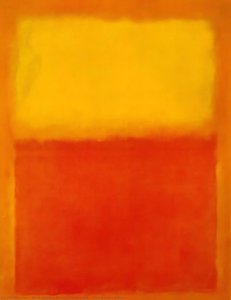 Laranja e amarelo1956
Ensaios sobre Untitled 4
 Abstract Expressionism vs. Pop Art: Distinguishing Emotion from IconographyMaster the shift from raw emotion to pop iconography with our expert art history guide. Explore the evolution of modern art today.
 The Soul of Color: Exploring the Emotional Depth and Existential Resonance of Mark Rothko's MasterpiecesImmerse yourself in the profound emotional landscapes of Mark Rothko. Explore how his revolutionary Color Field paintings use pure pigment …
 Mark Rothko: As 25 Obras-Primas que Definem um Ícone da Arte Abstrata | OriginalUniqueArtDescubra as 25 obras-primas de Mark Rothko, ícone do expressionismo abstrato. Explore a história, cores e emoção por trás de cada tela. Rep…