Color Field · 1964
No. 5 (Mark Rothko, 1964)
Mark Rothko (1903–1970) criou No. 5. Data de 1964. Pertence ao movimento Color Field. É feito em Acrylic On Canvas. Mede 206 × 196 cm.
- 1964
- Acrylic On Canvas
- 206 × 196 cm

 Visualizar na parede

 Pintura a Óleo Feita à Mão
 Compartilhar
 Compartilhar
 Ficha técnica


 Baixar imagem
 Semelhantes
 Raio X
 Ver diaporama
 Perguntas e Respostas

 Estatísticas
No. 5, em resumo
- Título
- No. 5
- Artista
- Mark Rothko (1903–1970)
- Artista nascido em
- Daugavpils, Letónia
- Data
- 1964
- Técnica
- Acrylic On Canvas
- Dimensões
- 206 × 196 cm
- Movimento
- Color Field
- Período
- Modern
- Tema
- rothko, abstract, color field, square, black and white, canvas
O que No. 5 retrata?
Mark Rothko’s ‘No. 5’: A Meditation on Darkness and Absence
Mark Rothko's "No. 5," painted in 1964, is not merely a canvas filled with color; it’s an intensely personal and profoundly moving exploration of human emotion and the weight of existence. This monumental work, measuring 206 x 196 cm, exemplifies Rothko’s signature style – large-scale rectangular blocks of saturated color that seem to bleed into one another, creating a hypnotic effect on the viewer. The painting's stark simplicity—a vast, dark square dominating the composition—immediately confronts us with an unsettling void, prompting contemplation about mortality, isolation, and the fundamental questions of human experience.
The Genesis of Color Field Painting
Created during a pivotal moment in art history, "No. 5" is inextricably linked to the rise of Color Field painting in the mid-20th century. Rothko, along with artists like Barnett Newman and Clyfford Still, rejected traditional representational forms, seeking instead to express profound emotional states through pure color. Influenced by Abstract Expressionism’s emphasis on subjective experience, Rothko developed a technique that involved layering thin washes of acrylic paint, allowing the colors to subtly shift and merge under layers of varnish. This process created an almost sculptural quality, emphasizing the materiality of the canvas itself.
Symbolic Weight and Existential Themes
Born in 1903 in Daugavpils, Latvia (then part of the Russian Empire), Mark Rothko’s life was marked by displacement and loss – experiences that deeply informed his artistic vision. The painting's dark square can be interpreted as a visual representation of this sense of void, reflecting the anxieties and uncertainties inherent in the human condition. Some scholars suggest the work is an exploration of trauma, referencing Rothko's own difficult childhood and the pervasive atmosphere of fear and instability he experienced growing up within a Jewish family during times of political unrest. The sheer scale of the canvas amplifies this feeling, enveloping the viewer in a space of quiet contemplation.
Technique and Emotional Impact
"No. 5" is a testament to Rothko’s mastery of color and texture. The subtle gradations within the dark blocks, achieved through meticulous layering and blending, create an illusion of depth and movement. The photograph captures this intricate detail perfectly, revealing the artist's deliberate control over light and shadow. The painting’s impact isn’t about visual spectacle; it’s about a deeply felt emotional response. Rothko aimed to evoke a sense of awe and vulnerability in the viewer, inviting them to confront their own mortality and grapple with the complexities of human existence. This reproduction offers an unparalleled opportunity to experience the power and beauty of this iconic work firsthand.
Imagens em alta resolução de No. 5
Protected by copyright: these files are for personal reference, not a licence to republish.
Mark Rothko, No. 5 (1964).
Perguntas sobre No. 5 respondidas
Em que ano foi criado "No. 5", de Mark Rothko?
"No. 5", de Mark Rothko foi criado em 1964.
Qual é a técnica utilizada em "No. 5", de Mark Rothko?
Mark Rothko utilizou a técnica de Acrylic On Canvas para "No. 5". A técnica define a natureza material da obra original.
Quais são as dimensões da obra original "No. 5", de Mark Rothko?
A obra original "No. 5", de Mark Rothko mede 206 x 196 cm.
Quais temas aparecem em "No. 5", de Mark Rothko?
Os temas presentes em "No. 5", de Mark Rothko incluem rothko, abstract, color field, square, black and white, canvas, mark rothko. Juntos, eles sintetizam o assunto da obra.
"No. 5" está em domínio público?
Informação de direitos autorais para "No. 5", de Mark Rothko: a obra está em ainda protegido por direitos autorais. Isso determina se reproduções da imagem podem ser feitas livremente.
A qual artista "No. 5" é atribuída?
"No. 5" é atribuída a Mark Rothko.
A qual movimento artístico pertence "No. 5", de Mark Rothko?
O movimento associado a "No. 5", de Mark Rothko é Color Field. Esta classificação situa a obra entre artistas e obras de arte relacionados.
A que período da carreira de Mark Rothko pertence "No. 5"?
Dentro da trajetória de Mark Rothko, "No. 5" pertence ao período Mature Period. Esta fase permite compará-la com outras obras do artista.
Qual era a idade de Mark Rothko quando "No. 5" foi criada?
Mark Rothko tinha 61 anos quando criou "No. 5" em 1964. A idade é calculada a partir do ano de nascimento do artista, 1903.
Sobre o artista, Mark Rothko

1903–1970, Letónia
Mark Rothko
Os Primeiros Anos de Mark Rothko Mark Rothko nasceu como Markus Yakovlevich Rothkowitz em 1903. Ele nasceu em Dvinsk, na Rússia, em um lugar hoje conhecido como Daugavpils, na Letônia. Sua família vivia dentro da "Pale of Settlement", uma região marcada pela agitação política e pela sombra constante dos pogroms. Essa atmosfera de instabilidade acompanhou a família quando emigraram para os Estados Unidos em 1913.
Também de Mark Rothko
 Centro Branco1950
 No.1
 Nº 61 (Ferrugem e Azul)1953
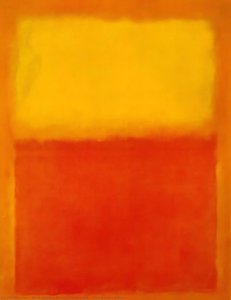 Laranja e amarelo1956
Ensaios sobre No. 5
 Color Fields of Calm: Transform Luxury Interiors with Minimalist Masterpiece ReproductionsElevate your luxury interiors with museum-quality Mark Rothko reproductions. Discover how hand-painted Color Field masterpieces bring profo…
 The Soul of Color: Exploring the Emotional Depth and Existential Resonance of Mark Rothko's MasterpiecesImmerse yourself in the profound emotional landscapes of Mark Rothko. Explore how his revolutionary Color Field paintings use pure pigment …
 Mark Rothko: As 25 Obras-Primas que Definem um Ícone da Arte Abstrata | OriginalUniqueArtDescubra as 25 obras-primas de Mark Rothko, ícone do expressionismo abstrato. Explore a história, cores e emoção por trás de cada tela. Rep…