Color Field Painting · 1964
No. 2 (Mark Rothko, 1964)
Mark Rothko (1903–1970) criou No. 2. Data de 1964. Pertence ao movimento Color Field Painting. É feito em Oil On Canvas. Mede 267 × 203 cm.
- 1964
- Oil On Canvas
- 267 × 203 cm

 Visualizar na parede

 Pintura a Óleo Feita à Mão
 Compartilhar
 Compartilhar
 Ficha técnica


 Baixar imagem
 Semelhantes
 Raio X
 Ver diaporama
 Perguntas e Respostas

 Estatísticas
No. 2, em resumo
- Título
- No. 2
- Artista
- Mark Rothko (1903–1970)
- Artista nascido em
- Daugavpils, Letónia
- Data
- 1964
- Técnica
- Oil On Canvas
- Dimensões
- 267 × 203 cm
- Movimento
- Color Field Painting
- Período
- Modern
- Tema
- minimalism, geometric abstraction, emotion, color palette, scale, depth
O que No. 2 retrata?
A Meditation in Gray: The Ethereal Depth of Rothko’s No. 2
In the vast landscape of Abstract Expressionism, few works command the room with such quiet, monumental authority as Mark Rothko’s No. 2. Completed in 1964, this masterpiece serves as a profound cornerstone of Color Field Painting, inviting the viewer into a realm where color transcends mere pigment to become an emotional experience. The composition is deceptively simple, presenting two rectangular blocks of muted gray hues stacked vertically against a darker, more somber background. Yet, beneath this minimalist surface lies a complex interplay of light and shadow that demands a slow, contemplative gaze.
The power of No. 2 resides in its ability to evoke an atmosphere of stillness. There is no representational imagery to distract the eye, no recognizable figures to anchor the mind; instead, Rothko directs our attention toward the pure materiality of color itself. The grayscale palette is meticulously calibrated, offering a spectrum of tones that suggest a sense of depth and luminosity without the need for traditional perspective. As one stands before this large-scale canvas, the soft edges of the rectangles seem to vibrate, creating a sensation that the forms are hovering like mist or receding into an infinite void.
Technique and the Architecture of Emotion
To understand the mesmerizing quality of No. 2, one must consider the artist's meticulous technique. Rothko did not simply apply paint to canvas; he built layers of atmosphere. By utilizing thin washes of oil and acrylic media, he achieved a delicate translucency that allows light to appear as if it is emanating from within the work itself. This method of layering—often referred to as veiling—creates subtle tonal gradations that blur the boundaries between shapes, contributing to the painting's characteristic sense of atmospheric depth.
This technical mastery serves a deeper symbolic purpose. Emerging from the post-war era, a period marked by existential anxiety and a search for meaning, No. 2 reflects a broader artistic preoccupation with the fundamental human experience. While some critics have interpreted the stark, geometric forms as representations of the void or the absence of form—symbolizing the anxieties of mortality—Rothko himself sought to evoke feelings of transcendence and spiritual communion. For the collector or the interior designer, this work offers more than just a sophisticated aesthetic; it provides a focal point for introspection, a sanctuary of calm that can transform a space into a site of profound psychological resonance.
Imagens em alta resolução de No. 2
Protected by copyright: these files are for personal reference, not a licence to republish.
Mark Rothko, No. 2 (1964).
Perguntas sobre No. 2 respondidas
Em que ano foi criada a obra "No. 2", de Mark Rothko?
"No. 2", de Mark Rothko foi criado em 1964.
Qual técnica foi utilizada em "No. 2", de Mark Rothko?
Mark Rothko utilizou a técnica de Oil On Canvas para "No. 2". A técnica define a natureza material da obra original.
Quais são as dimensões de "No. 2", de Mark Rothko na vida real?
As dimensões registradas de "No. 2", de Mark Rothko são 267 x 203 cm. Reproduções podem ser encomendadas em outros tamanhos, mantendo as mesmas proporções.
O que representa "No. 2"?
Os temas presentes em "No. 2", de Mark Rothko incluem minimalism, geometric abstraction, emotion, color palette, scale, depth, contemplation. Juntos, eles sintetizam o assunto da obra.
A imagem de "No. 2", de Mark Rothko pode ser reproduzida livremente?
"No. 2", de Mark Rothko está em ainda protegido por direitos autorais. Este status determina como a imagem da obra pode ser reproduzida.
Quem criou "No. 2"?
"No. 2" foi criado por Mark Rothko. As informações nesta página descrevem a obra original de Mark Rothko.
A qual estilo pertence "No. 2"?
"No. 2", de Mark Rothko pertence ao movimento Color Field Painting. Este movimento fornece o contexto estilístico da obra.
A que período da carreira de Mark Rothko pertence "No. 2"?
"No. 2" pertence ao Mature Period da carreira de Mark Rothko. Esta classificação relaciona a obra ao desenvolvimento do artista.
Com que idade Mark Rothko criou "No. 2"?
Mark Rothko criou "No. 2" aos 61 anos. O artista nasceu em 1903 e a obra data de 1964.
Sobre o artista, Mark Rothko

1903–1970, Letónia
Mark Rothko
Os Primeiros Anos de Mark Rothko Mark Rothko nasceu como Markus Yakovlevich Rothkowitz em 1903. Ele nasceu em Dvinsk, na Rússia, em um lugar hoje conhecido como Daugavpils, na Letônia. Sua família vivia dentro da "Pale of Settlement", uma região marcada pela agitação política e pela sombra constante dos pogroms. Essa atmosfera de instabilidade acompanhou a família quando emigraram para os Estados Unidos em 1913.
Também de Mark Rothko
 Centro Branco1950
 No.1
 Nº 61 (Ferrugem e Azul)1953
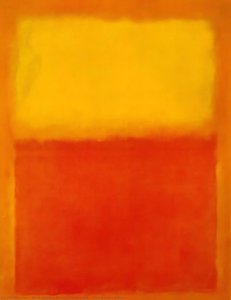 Laranja e amarelo1956
Ensaios sobre No. 2
 Mark Rothko: As 25 Obras-Primas que Definem um Ícone da Arte Abstrata | OriginalUniqueArtDescubra as 25 obras-primas de Mark Rothko, ícone do expressionismo abstrato. Explore a história, cores e emoção por trás de cada tela. Rep…
 The Architecture of Emotion: A Connoisseur’s Guide to the Chromatic Sublimity of Mark RothkoExplore the profound emotional landscapes of Mark Rothko. An expert editorial on Color Field painting, decoding the spiritual depth, techni…
 Chromatic Atmospheres: The Psychological Impact of Minimalist Color Field Reproductions in Luxury Villa InteriorsDiscover the profound psychological impact of minimalist Color Field paintings for luxury villas. Explore Rothko & curated art reproduction…