

 Visualizar na parede
 Compartilhar
 Compartilhar
 Detalhes
 Guia
Guia

 Baixar imagem
 Semelhantes
 Raio X
 Ver diaporama
 Estatísticas
Studio Scene
 Oil On Canvas
- WallArt
- Neoclassicism
 1808
1808 69.0 x 84.0 cm
 Neue Pinakothek
 Ler mais
Reprodução em Óleo Feita à Mão
Óleo sobre tela pintado à mão no tamanho e moldura de sua escolha, feito sob encomenda pelos nossos artistas. ( Alternar para Impressão Alternar para Imagem Digital)




P118B €10

P118H €10

P118W €10

P438Z €10

P508JH €12

P508YH €12

P805H €10

P805Z €10

P919BZ €10

P919G €10

P919XJ €10

P959ZH €10

P968JZ €12

W106C €8

W218G €10

W218JH €8

W218Y €10

W307PJ €10

W316G €10

W316PJ €8

W316Y €10

W398PJ €8

W4111J €10

W500HY €15

W500JH €15

W692G €12

W849H €8

W940BG €15

W953PJ €8




Escolha entre os nossos tamanhos pré-definidos que respeitam as proporções originais da obra de arte.

Insira a largura e a altura desejadas para se ajustarem à sua moldura ou parede. Como esta obra é pintada à mão, para um tamanho com proporções diferentes, o artista poderá pintar um pouco mais ao redor da imagem ou reduzir ligeiramente a composição — você escolhe. Enviamos uma maquete digital para sua aprovação antes de iniciar a pintura. A imagem exibida nesta página não representa o resultado real — apenas a maquete mostra o resultado final.
Após o pedido, a equipa OriginalUniqueArt.com enviará um e-mail ao cliente para solicitar instruções e fornecer uma prévia do esboço.
Entrega mundial () em 3 a 4 semanas, em vez das 5 semanas padrão. (28 Outubro). Sem comprometer a qualidade.

Envio expresso gratuito para todo o mundo

Tela de Linho de Alta Qualidade

Seguro de transporte completo

Garantia de Reembolso de Impostos Alfandegários

Garantia de Fidelidade Cromática

Política de Devolução em 100 Dias (Apenas para Defeitos)

Garantia de reembolso de 100%

Oferta de desconto por quantidade
 A opção de vidro está disponível apenas para tamanhos inferiores a 110 cm

Studio Scene
Técnica de Reprodução
Tamanho da Reprodução
-


Preço Total
€ 506
Studio Scene by Marie Gabrielle Capet
The painting *Studio Scene* by Marie Gabrielle Capet is more than just an image; it’s a window into the artistic milieu of early 19th century Paris—a testament to the burgeoning Neoclassical movement and, crucially, a poignant celebration of mentorship and friendship. Executed in 1808, this oil on canvas measuring 69 x 84 cm resides within the Neue Pinakothek’s collection in Munich, Germany, offering viewers an unparalleled opportunity to immerse themselves in a moment captured with remarkable precision and emotional depth. Composition and Style: Capet's masterful composition immediately establishes a sense of balance and dynamism. The artist skillfully arranges figures around an easel where Joseph-Marie Vien fils is diligently working on his own portrait—a deliberate gesture honoring his former teacher, Adelaide Labille-Guiard. This central tableau is encircled by nine other artists, creating a convivial atmosphere that speaks to the collaborative spirit of the era. Lines dominate the canvas, defining architectural elements like walls and windows, mirroring the structured elegance characteristic of Neoclassicism. Geometric shapes—rectangles for furniture and easel, oval faces—contribute to a harmonious visual rhythm. The muted palette—ranging from soft pastels to earthy tones—reflects the restrained aesthetic favored during this period, prioritizing clarity and tonal subtlety. Historical Context: The painting emerges from a pivotal moment in art history – the transition from Romanticism’s expressive fervor to Realism's observational rigor. While Romantic ideals championed emotion and imagination, Capet’s work embodies the neoclassical emphasis on reason, order, and idealized beauty—values rooted in the revival of classical forms and principles following the Enlightenment. The Salon of 1808 served as a crucial platform for showcasing artistic talent and establishing reputations, and *Studio Scene* exemplifies this cultural preoccupation with portraying intellectual pursuits and social connections within an elite setting. Technique and Detail: Capet’s meticulous technique is evident in every brushstroke. Oil paint was layered extensively to build up color and form, achieving remarkable textural richness—particularly noticeable in the depiction of drapery and skin tones. The artist employed chiaroscuro—the dramatic interplay of light and shadow—to sculpt volumes and create a palpable sense of depth within the studio space. Attention to detail is paramount; observe the carefully rendered instruments of art – brushes, palettes, sketches – which serve as symbolic reminders of the creative process itself. Furthermore, the inclusion of Madame Vincent’s husband, François-André Vincent, adds another layer of complexity—a portraitist's homage to his own teacher and a reflection of the artistic community’s shared values. Symbolism and Emotional Impact: Beyond its formal qualities, *Studio Scene* resonates with profound symbolic meaning. The depiction of Vien fils diligently working on his son’s portrait underscores the importance of passing down artistic knowledge and upholding tradition. The presence of Madame Vincent—Labille-Guiard's protégé—represents the enduring legacy of mentorship and the transformative power of artistic influence. Ultimately, Capet captures not merely a scene but an emotion – camaraderie, intellectual curiosity, and admiration for beauty—leaving viewers with a lasting impression of a moment frozen in time, encapsulating the spirit of Neoclassicism and celebrating the bonds between artists.- Artist: Marie Gabrielle Capet
- Date: 1808
- Location: Neue Pinakothek, Munich
Perguntas e Respostas
Qual é a técnica e as dimensões de "Studio Scene", de Marie Gabrielle Capet?
A técnica de "Studio Scene", de Marie Gabrielle Capet é Oil On Canvas, e suas dimensões registradas são 69 x 84 cm.
Como "Studio Scene", de Marie Gabrielle Capet pode ser utilizado na decoração de interiores?
"Studio Scene" é sugerida para Accent, e o espaço recomendado é um(a) Living Room.
Qual tamanho de reprodução é sugerido para "Studio Scene", de Marie Gabrielle Capet?
Sugere-se uma reprodução de Large para "Studio Scene", de Marie Gabrielle Capet. O tamanho pode ser ajustado mantendo as proporções.
Biografia do Artista
A Legacy of Grace: The Life and Art of Marie Gabrielle Capet
In the vibrant, often turbulent landscape of late eighteenth-century France, few artists navigated the shifting social tides with as much grace and technical brilliance as Marie Gabrielle Capet. Born in Lyon on September 6, 1761, to parents who served as domestic staff, Capet’s ascent from humble beginnings to the heights of Parisian artistic prestige is nothing short of extraordinary. Her early years were shaped by a local drawing school in her hometown, yet it was her move to Paris in 1781 that would forever alter the course of art history. This transition marked the beginning of a career defined by an unwavering commitment to the Neoclassical tradition and a profound ability to capture the very essence of her subjects.
The trajectory of Capet’s development was inextricably linked to one of the most influential figures of her era: Adélaïde Labille-Guiard. Entering the studio of this pioneering master, Capet did more than just learn the mechanics of paint and pigment; she entered a mentorship that transcended professional instruction to become a deep, enduring friendship. Under Labille-Guiard’s guidance, Capet mastered the rigorous demands of the Académie royale de peinture et de sculpture, an institution that, while restrictive toward women, provided the crucible in which her talent was forged. As she assisted her mentor—modeling for studies and finishing complex sections of larger works—Capet developed a virtuoso draftsmanship and a sophisticated command of color that would soon make her a sought-after name among the elite.
Mastery of the Portrait and the Pastel
Capet’s artistic repertoire was as diverse as it was refined, spanning the delicate intimacy of miniatures to the grand scale of oil paintings. She became a celebrated portraitist, possessing a rare gift for rendering not just the physical likeness, but the psychological depth and social standing of her sitters. Her clientele was a tapestry of the era’s most notable figures, ranging from the intellectual circles of lawyers and playwrights like Joseph Chénier to the very heart of the French monarchy, including Lady Elisabeth of France. In these works, one observes a meticulous attention to texture—the sheen of silk, the softness of lace, and the luminous quality of skin—all executed with a precision that commanded respect from even the most cynical critics.
Beyond the structured world of oil portraiture, Capet found a unique expressive freedom in the medium of pastel. Her pastel works, often capturing evocative landscapes and tender portraits, allowed her to explore a more atmospheric and emotive side of her technique. This versatility was particularly evident as her career progressed; by 1808, she had transitioned from being viewed primarily as a portraitist to being recognized as a formidable history painter in her own right. Her ability to move between the miniature, the landscape, and the historical narrative demonstrates an artistic intellect that refused to be confined by genre or medium.
Historical Significance and Enduring Spirit
The significance of Marie Gabrielle Capet extends far beyond the aesthetic beauty of her canvases. She stands as a symbol of resilience during one of the most transformative periods in French history, surviving the upheaval of the Revolution to maintain her standing in the post-revolutionary art world. Her career serves as a vital chapter in the history of women in art, illustrating how female artists utilized mentorship and technical excellence to carve out spaces within male-dominated institutions.
Today, when we look upon her works, we see more than mere historical artifacts; we encounter a window into the soul of an era. Her legacy is preserved through:
- Technical Innovation: Her seamless integration of watercolor, oil, and pastel techniques.
- Social Documentation: Her role in documenting the faces and fashions of both the aristocracy and the rising bourgeoisie.
- Artistic Perseverance: Her journey from a modest Lyon upbringing to the prestigious salons of Paris.
Marie Gabrielle Capet passed away in Paris in 1818, leaving behind a body of work that continues to resonate with its quiet dignity and luminous truth. She remains an essential figure for anyone seeking to understand the elegance, the complexity, and the enduring spirit of French Neoclassicism.

Marie Gabrielle Capet
1761 - 1818 , France
Dados Rápidos
- Full Name: Marie Gabrielle Capet
- Nationality: French
- Date Of Birth: 1761
- Date Of Death: 1818
- Place Of Birth: Lyon, France
- Notable Artworks:
- Studio Scene
- Lady Elisabeth of France
- Artistic Movement Or Style: Neoclassicism
- Artists Who Influenced This Artist: ['Adélaïde Labille-Guiard']
- Artists Or Movements Influenced By This Artist: ['Royal Academy']
Artigos Relacionados
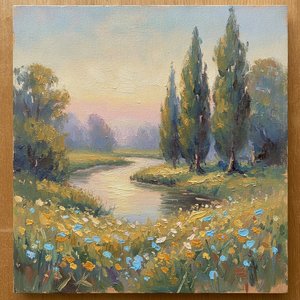
The Timeless Charm of Oil on Board: Reimagining Texture and Light through the Impressionist Lens
Discover the profound intimacy of oil on panel. Explore how Impressionist masters used rigid supports to capture light, texture, and impasto depth through exquisite, handmade oil reproductions for discerning collectors.

Oil on Canvas: A Historical & Technical Exploration of a Timeless Artistic Medium
Explore the rich history & enduring techniques of oil painting on canvas. Discover the science behind its longevity, conservation practices, and contemporary relevance. Expert insights for art enthusiasts.

The Enduring Legacy of Oil on Canvas: Technique, History & Aesthetic Impact
Explore the rich history & techniques of oil painting – from Renaissance masters to Impressionism. Discover pigments, layering methods, and why this timeless medium endures. Expert insights for artists & art enthusiasts.

O Legado Duradouro da Pintura a Óleo sobre Tela: Técnica, História e Prática Contemporânea
Explore a história e as técnicas da pintura a óleo com especialistas. Descubra os mestres, materiais essenciais e o futuro desta arte atemporal. Reproduções de qualidade museológica.

The Enduring Power of Painting: A Historical & Contemporary Exploration of Form and Emotion
Explore the rich history & enduring techniques of oil painting with OriginalUniqueArt. Discover masterpieces, learn about art collecting, and find authentic handmade reproductions crafted by skilled artists.