
 Visualizar na parede
 Compartilhar
 Compartilhar
 Detalhes
 Guia
Guia

 Baixar imagem
 Semelhantes
 Raio X
 Ver diaporama
 Estatísticas
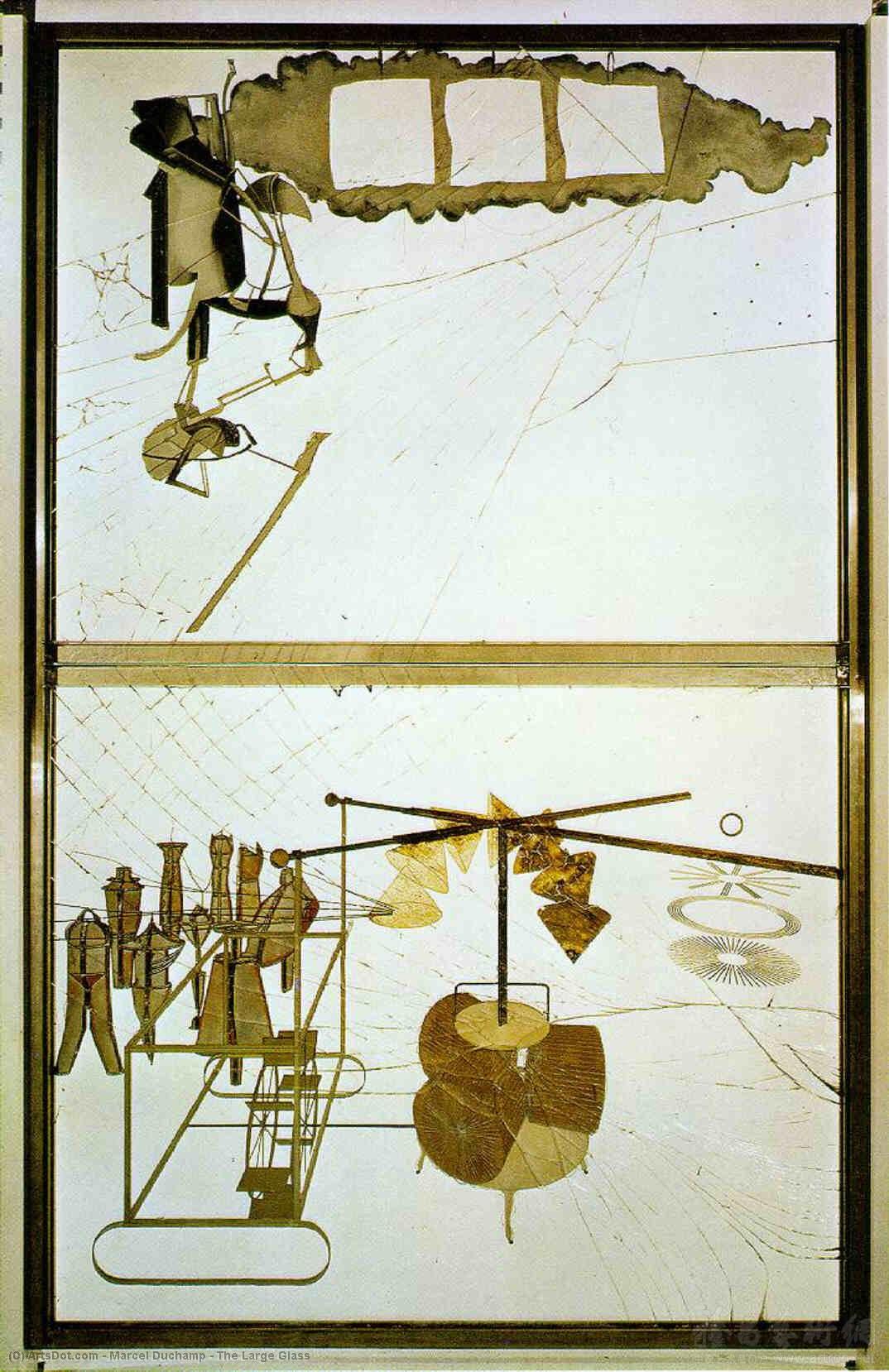
The Large Glass


 Ler mais
A obra de arte exibida nesta página é protegida por leis de direitos autorais, o que significa que não podemos criar ou vender legalmente uma reprodução idêntica. Esta proteção é aplicada por meio de acordos internacionais, tais como a Convenção de Berna e pelas leis nacionais, incluindo as estabelecidas por Lei de Direitos Autorais dos EUA - Título 17.
Como uma alternativa respeitosa e legal, oferecemos obras de arte personalizadas e pintadas à mão, inspiradas na obra original. Nossos artistas profissionais e experientes estudam cuidadosamente o estilo, a atmosfera e a essência artística da obra original para criar uma peça nova e única que evoque a mesma sensação — permanecendo como uma criação original por direito próprio.
Este método cumpre plenamente as regulamentações de direitos autorais, pois não envolve a cópia ou duplicação da obra protegida. Em vez disso, trata-se de uma reinterpretação criativa — uma nova pintura que é influenciada pela original, mas não idêntica a ela.
Reprodução em Óleo Feita à Mão
Óleo sobre tela pintado à mão no tamanho e moldura de sua escolha, feito sob encomenda pelos nossos artistas. ( Alternar para Impressão Alternar para Imagem Digital)




P118B €10

P118H €10

P118W €10

P438Z €10

P508JH €12

P508YH €12

P805H €10

P805Z €10

P919BZ €10

P919G €10

P919XJ €10

P959ZH €10

P968JZ €12

W106C €8

W218G €10

W218JH €8

W218Y €10

W307PJ €10

W316G €10

W316PJ €8

W316Y €10

W398PJ €8

W4111J €10

W500HY €15

W500JH €15

W692G €12

W849H €8

W940BG €15

W953PJ €8




Escolha entre os nossos tamanhos pré-definidos que respeitam as proporções originais da obra de arte.

Insira a largura e a altura desejadas para se ajustarem à sua moldura ou parede. Como esta obra é pintada à mão, para um tamanho com proporções diferentes, o artista poderá pintar um pouco mais ao redor da imagem ou reduzir ligeiramente a composição — você escolhe. Enviamos uma maquete digital para sua aprovação antes de iniciar a pintura. A imagem exibida nesta página não representa o resultado real — apenas a maquete mostra o resultado final.
Após o pedido, a equipa OriginalUniqueArt.com enviará um e-mail ao cliente para solicitar instruções e fornecer uma prévia do esboço.
Entrega mundial () em 3 a 4 semanas, em vez das 5 semanas padrão. (26 Outubro). Sem comprometer a qualidade.

Envio expresso gratuito para todo o mundo

Tela de Linho de Alta Qualidade

Seguro de transporte completo

Garantia de Reembolso de Impostos Alfandegários

Garantia de Fidelidade Cromática

Política de Devolução em 100 Dias (Apenas para Defeitos)

Garantia de reembolso de 100%

Oferta de desconto por quantidade
 A opção de vidro está disponível apenas para tamanhos inferiores a 110 cm

The Large Glass
Técnica de Reprodução
Tamanho da Reprodução
-


Preço Total
€ 263
Introduction to Marcel Duchamp and The Large Glass
Marcel Duchamp, a French painter, sculptor, chess player, and writer, is widely regarded as one of the most influential artists of the 20th century. His work, associated with Cubism, Dada, and conceptual art, has had an immense impact on modern and contemporary art. Among his most famous works is The Large Glass, also known as The Bride Stripped Bare by Her Bachelors, Even (1915-1923). This revolutionary masterpiece, a combination of painting, sculpture, and drawing, challenges traditional notions of art and offers an intriguing glimpse into Duchamp's unique artistic vision.Background and Analysis of The Large Glass
The Large Glass is a complex work consisting of two glass panels measuring 9 feet 1 1/4 inches × 70 inches × 3 3/8 inches (277.5 × 177.8 × 8.6 cm). Duchamp began working on it in 1915 and completed the piece eight years later, in 1923. The upper panel features the Bride, a machine-insect hybrid, while the lower panel depicts nine mannequin-like Bachelors. The work explores themes of sexuality, chance, machines, humor, language games, and pictorial illusion. The Bride, located in the upper half of the piece, disrobes and emits an erotic perfume. Meanwhile, the Bachelors, situated in the lower zone, respond by producing their own sexual gases, which are then processed through various mechanical devices. The fragile glass partially shattered during transit in the late 1920s or early 1930s, but Duchamp restored it in 1936, incorporating the symmetrical pattern of cracks as an improvement.The Legacy of The Large Glass and Marcel Duchamp
The Large Glass is a testament to Duchamp's groundbreaking approach to art-making. By abandoning conventional painting in 1912, Duchamp paved the way for new artistic expressions that continue to inspire contemporary artists today. The Large Glass remains an iconic work of art, showcasing Duchamp's innovative spirit and his ability to challenge traditional notions of beauty and representation.Ordering Canvas Prints or Oil-Painted Replicas from OriginalUniqueArt
If you are captivated by The Large Glass and wish to bring this masterpiece into your home, consider ordering a stunning canvas print or an oil-painted replica from OriginalUniqueArt. Our team of skilled artists creates handmade reproductions that capture the essence and beauty of the original work. By ordering from OriginalUniqueArt, you can enjoy the timeless allure of The Large Glass in your personal space.- To explore our extensive collection of art masterpieces, visit our website: https://OriginalUniqueArt.com
- Once you find the artwork you love, place your order and we will take care of the rest.
Conclusion
The Large Glass by Marcel Duchamp is a revolutionary masterpiece that continues to captivate audiences with its unique blend of painting, sculpture, and drawing. By challenging traditional notions of art, Duchamp has left an indelible mark on the world of modern and contemporary art. To learn more about The Large Glass or to order a canvas print or oil-painted replica, visit OriginalUniqueArt today. Marcel Duchamp: The Bride Stripped Bare by Her Bachelors, Even (The Large Glass), 1915-1923, Oil, varnish, lead foil, lead wire, and dust on two glass panels, 9 feet 1 1/4 inches × 70 inches × 3 3/8 inches (277.5 × 177.8 × 8.6 cm), Bequest of Katherine S. Dreier, 1952, Accession Number: 1952-98-1, The Bride Stripped Bare by Her Bachelors, Even (The Large Glass), Philadelphia Museum of Art. Musée Maurice Denis: Located in Saint-Germain-en-Laye, France, this museum showcases an impressive collection of French post-impressionism paintings from the late 19th and early 20th centuries. To learn more about the museum's hours, location, and ticket prices, visit their official website: Musée Maurice Denis.Perguntas e Respostas
Posso examinar "The Large Glass" com mais detalhes?
A página Raio X de "The Large Glass", de Marcel Duchamp é um visualizador interativo que permite percorrer onze camadas ópticas da imagem da obra, incluindo uma visualização em estilo raio-X.
Qual tamanho de impressão devo escolher para "The Large Glass" no meu quarto?
Para um(a) Living Room, sugere-se que "The Large Glass" seja impresso no tamanho Large.
Qual é o lugar de "The Large Glass", de Marcel Duchamp na história da arte?
"The Large Glass", de Marcel Duchamp pertence ao movimento Dada, dentro do período Modern. Juntos, eles conferem à obra o seu lugar na história da arte.
Biografia do Artista
Um Espírito Revolucionário: A Vida e a Arte de Marcel Duchamp
Marcel Duchamp, nascido Henri-Robert-Marcel Duchamp em 1887, em Blainville-Crevon, Normandia, foi muito mais do que um artista; ele foi um provocador filosófico que alterou fundamentalmente o curso da arte moderna. Sua vida inicial, embora aparentemente convencional – nutrida no seio de uma família que apreciava a expressão artística, com ambos os irmãos seguindo carreiras bem-sucedidas como artistas – prenunciava o iconoclasmo que estava por vir. Duchamp buscou inicialmente uma formação formal, dominando técnicas tradicionais e experimentando estilos pós-impressionistas. No entanto, essa base acadêmica não serviu como um fim em si mesma, mas como um trampolim para questionar a própria natureza da arte, seu propósito e sua definição. Ele não se contentava apenas em retratar o mundo; ele buscava desafiar a forma como o percebemos e o que constitui o valor artístico. Essa curiosidade intelectual inquieta tornaria-se a característica definidora de sua carreira prolífica.Do Cubismo ao Dadaísmo: Uma Rejeição à Convenção
A jornada artística de Duchamp foi marcada por uma evolução constante, um desprendimento deliberado das normas estabelecidas. Seu envolvimento inicial com o Cubismo, evidente em obras como Retrato de Jogadores de Xadrez (1911), demonstrou um interesse por formas fragmentadas e múltiplas perspectivas – um afastamento da representação tradicional. Contudo, ele rapidamente foi além das preocupações puramente estéticas, reconhecendo que simplesmente reorganizar elementos visuais não era suficiente para abordar as questões mais profundas que o inquietavam. Os horrores da Primeira Guerra Mundial alimentaram esse descontentamento, levando Duchamp a abraçar o Dadaísmo, um movimento nascido do desilusão e de uma rejeição à lógica, à razão e aos valores artísticos tradicionais. Foi dentro da estrutura dadaísta que Duchamp verdadeiramente começou a desmantelar as noções convencionais de arte. Ele não estava interessado em criar objetos belos; ele queria provocar o pensamento, desafiar suposições e expor a arbitrariedade do julgamento estético. Este período testemunhou o nascimento de sua inovação mais radical: o "readymade".Os Readymades e a Subversão da Arte
A introdução dos readymades – objetos manufaturados comuns, selecionados e apresentados como arte – foi a contribuição mais significativa de Duchamp para o século XX. Estes não eram simplesmente objetos encontrados; eram atos deliberados de subversão artística. Ao pegar um item cotidiano, como um urinol (Fonte, 1917), assiná-lo como “R. Mutt” e submetê-lo a uma exposição de arte, Duchamp desafiou a própria definição de habilidade e autoria artística. Seria a mão do artista que criava a obra, ou seria a ideia do artista? Esta questão tornou-se central em sua prática e lançou as bases para a Arte Conceitual. Outros readymades notáveis, como L.H.O.O.Q. (1919), uma reprodução em cartão-postal da Mona Lisa desfigurada com um bigode e cavanhaque, foram críticas lúdicas, porém incisivas, da história da arte e dos ícones culturais estabelecidos. Estas obras não tinham o intuito de serem admiradas por suas qualidades estéticas; elas pretendiam provocar debates e forçar os espectadores a reconsiderarem suas noções preconcebidas sobre o que constitui a arte. Duchamp acreditava que a arte deveria residir na mente, e não meramente no olhar.Legado e Influência Duradoura
O impacto de Marcel Duchamp nas gerações subsequentes de artistas é imensurável. Ele alterou fundamentalmente nossa compreensão da arte, abrindo caminho para movimentos como a Arte Conceitual, o Minimalismo, a Pop Art e tantos outros. Sua ênfase na ideia do artista – o conceito por trás da obra – sobre suas qualidades estéticas continua a inspirar artistas hoje.- Cubismo: Exploração inicial de formas fraturadas e representação espacial.
- Dadaísmo: Rejeição da lógica, da razão e dos valores artísticos tradicionais em resposta à Primeira Guerra Mundial.
- Arte Conceitual: Ênfase na ideia por trás da obra de arte em vez de suas qualidades estéticas.
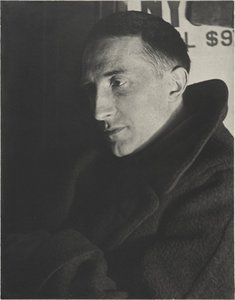
Marcel Duchamp
1887 - 1968 , França
Dados Rápidos
- Artistic Movement Or Style:
- Cubismo
- Dadaísmo
- Artists Or Movements Influenced By This Artist: ['Minimalismo']
- Date Of Birth: 28 Jul 1887 Blainville
- Date Of Death: 2 Oct 1968
- Full Name: Marcel Duchamp Henri-Robert-Marcel
- Nationality: Francês-Americano
- Notable Artworks:
- Fonte
- L.H.O.O.Q.
- Grande Cristal
- Place Of Birth: Normandia França
Artigos Relacionados

The Enduring Form: Exploring Themes & Techniques in Sculpture Across Historical Periods
Explore the rich history of sculpture from ancient masterpieces to contemporary innovations. Discover key techniques, influential artists & investment potential for discerning art collectors.
Luminous Masterpieces: The Captivating Beauty and Timeless Elegance of Stained Glass Artworks
Embark on a visual journey through the luminous world of stained glass art. Discover the exquisite craftsmanship, historical significance, and captivating beauty of masterworks from Art Nouveau to the Gothic era, curated for the discerning fine art enthusiast.

Esculturas em Bronze Icônicas: 10 Obras que Revolucionaram a Arte | OriginalUniqueArt
Descubra as 10 esculturas em bronze mais icônicas da história! Explore a arte de Rodin, Michelangelo e outros mestres. Encontre reproduções de alta qualidade para sua casa em OriginalUniqueArt.com.

The Enduring Form: Sculpture Across History, Technique & Emotional Resonance
Explore the rich history of sculpture with OriginalUniqueArt. Discover key techniques, influential artists & investment potential for discerning collectors. Expert insights into valuing and collecting timeless masterpieces.

As 10 Obras em Bronze Mais Icônicas que Transformaram a História da Arte | OriginalUniqueArt
Descubra as 10 esculturas em bronze mais influentes da história! Explore a arte de Rodin, Michelangelo e outros mestres. Reproduções de alta qualidade para decorar sua casa com elegância. OriginalUniqueArt.


